Quick Guide: Why Is My Bird Suddenly Screaming
- 12 hours of sleep: Cover the cage and ensure complete, uninterrupted darkness every single night to cure crankiness.
- Never yell back: Shouting “quiet!” accidentally rewards the bird; instead, turn your back and only reward total silence.
- Ditch the bowls: Force them to work for their meals using foraging toys so they are too exhausted to scream.
- Rule out hidden pain: Book an avian vet checkup if the vocalizations start abruptly with no obvious environmental trigger.
If your sweet, chatty parrot has suddenly turned into a feathered fire alarm, you are likely exhausted, worried, and desperately searching for an off switch. Living with a bird that shrieks at top volume can fray your nerves in record time, making your own home feel incredibly stressful. You are not alone in this frustration, and you are certainly not a bad bird parent for feeling entirely overwhelmed by the noise.
This guide skips the generic fluff and dives straight into the exact environmental, physical, and behavioral triggers causing the racket. Birds use their voices to communicate everything from joy to absolute panic, but a sudden, non-stop screaming habit usually points to a specific, fixable disruption in their daily routine. We will look at real-world, practical adjustments you can make right now to restore peace and quiet to your living room.
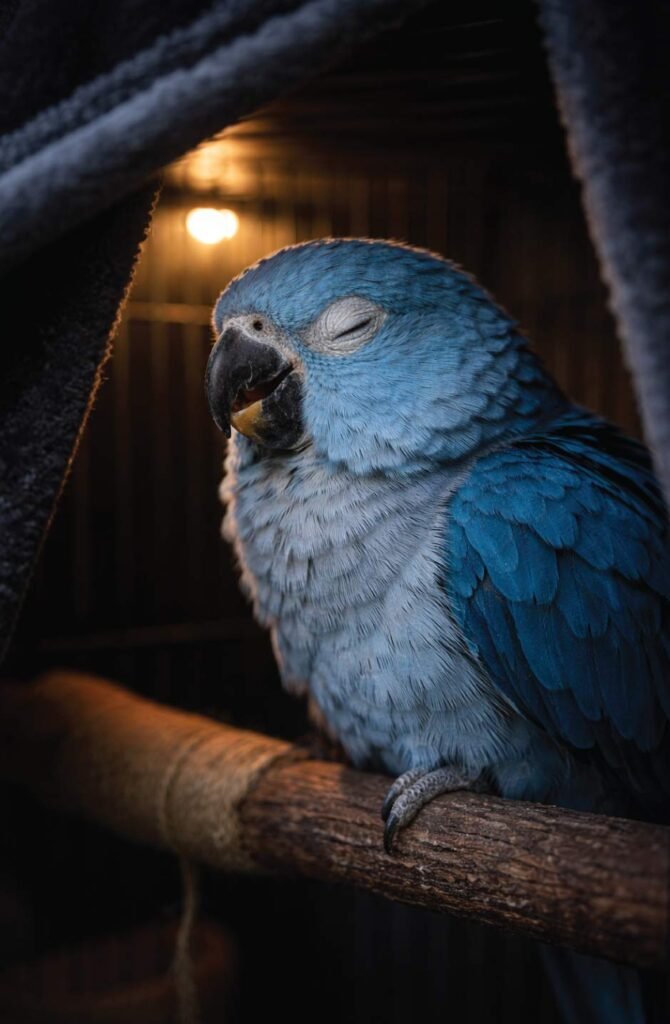
Chronic Sleep Deprivation and Fatigue
The Insight Behind the Exhaustion
Most parrot species originate near the equator, meaning their bodies are biologically hardwired to require 10 to 12 hours of complete, uninterrupted darkness every single night. When we force our feathered companions into our human schedules, staying up late with the television on or turning on living room lights early in the morning, they quickly become chronically overtired. Just like a sleep-deprived toddler missing a nap, a tired bird lacks the emotional regulation needed to cope with daily life, leading to endless, cranky screaming over minor inconveniences.
How to Fix Their Sleep Schedule Tonight
- Enforce strict bedtimes: You need to establish a strict, non-negotiable bedtime routine for your flock using a high-quality, opaque cage cover to block out all artificial light.
- Relocate for silence: Move their sleeping cage to a completely dark, silent, and separate room if your main living area is simply too loud and active in the evenings.
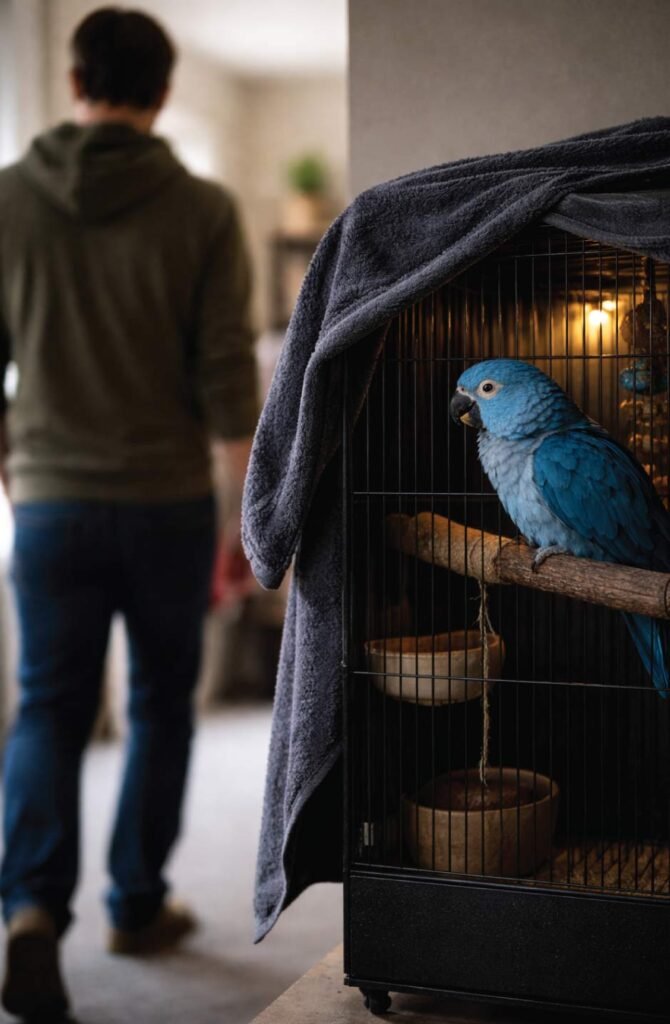
Accidental Reinforcement (You Taught Them to Yell)
The Insight Behind the Drama
When your bird screams and you immediately yell back, run into the room, or even just look at them in frustration, you are accidentally rewarding the exact behavior you hate. In the wild canopy, loud vocalizations are used as flock calls to locate family members across vast, noisy distances. By responding to their shrieks, even with negative attention like storming over to the cage, you are simply confirming that their flock call worked, actively encouraging them to do it again the next time they want your attention.
Stopping the Drama Before It Starts
- Ignore the noise completely: The hardest but most effective training tool you have is to ignore ear-piercing screams by leaving the room or turning your back until they offer a quiet sound.
- Consult a professional behaviorist: If you are struggling to fix an ingrained screaming habit, explore the free resources provided by certified parrot behaviorist Pamela Clark to sharpen your timing and responses.
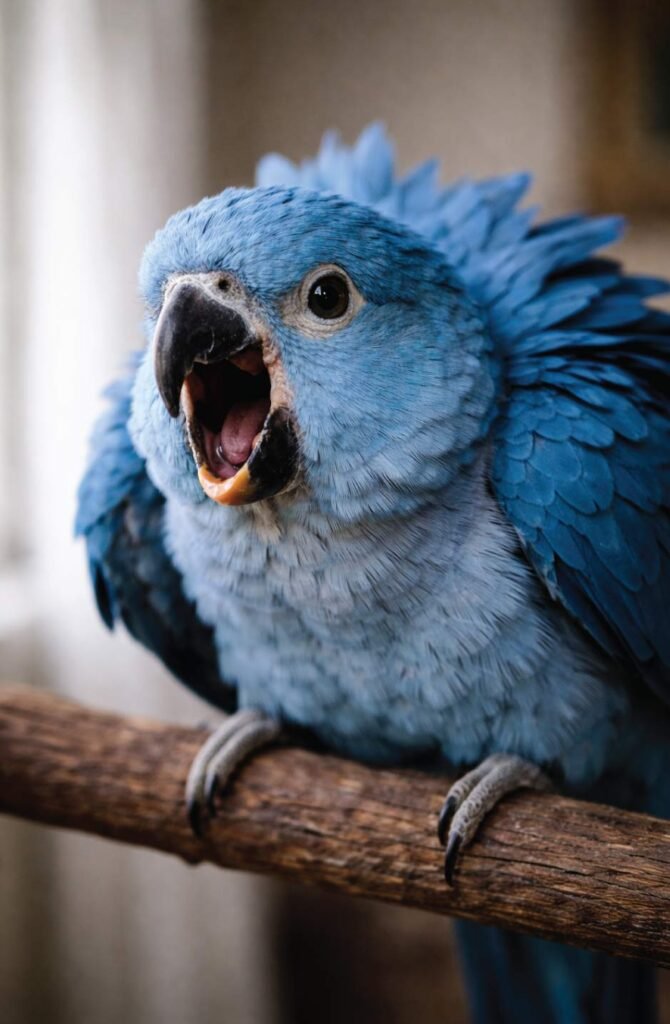
Hormonal Surges and “Spring Fever”
The Insight Behind the Aggression
Sudden, aggressive screaming that pops up seemingly overnight is often triggered by seasonal hormonal surges, especially when daylight hours increase in the spring. When birds experience longer days, access to mushy, warm foods, or discover perceived nesting spaces in your home, their reproductive instincts go into total overdrive. A hormonal bird is a deeply frustrated, highly territorial bird, and they will consistently express that intense physical tension through relentless, deafening vocalizations aimed at protecting their space.
Cooling Down a Hormonal Bird
- Remove nesting triggers: Immediately remove any dark, enclosed spaces from their environment, such as plush “snuggle huts,” cardboard boxes, or unusually deep food bowls that mimic a nesting cavity.
- Adjust your petting habits: Restrict all of your physical affection to only their head and neck, as petting their back, wings, or tail sexually stimulates them and severely worsens their hormonal frustration.
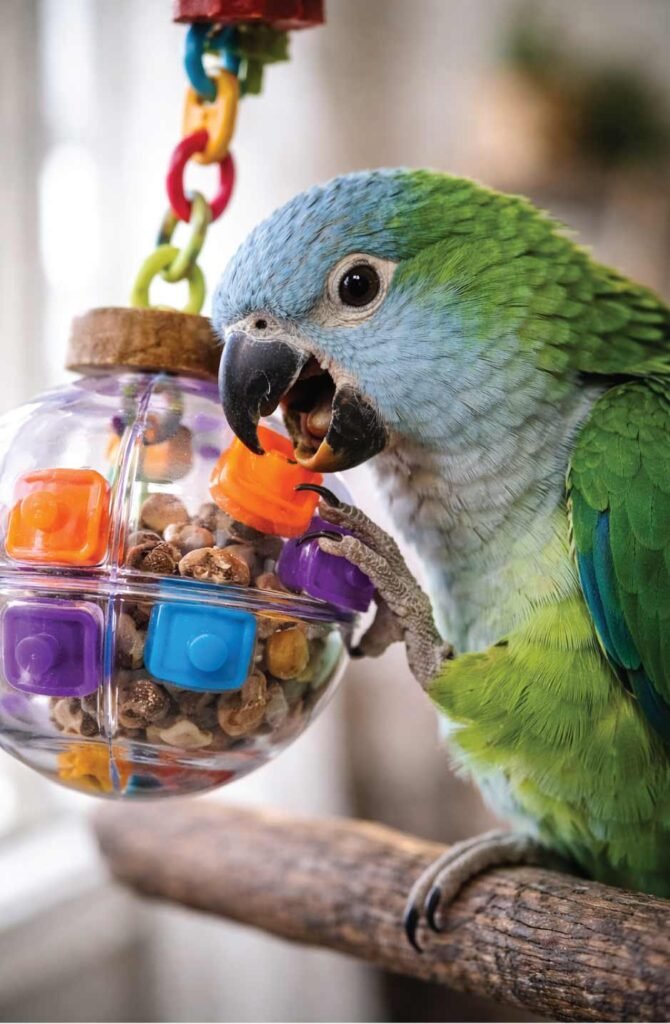
Severe Boredom and Lack of Foraging
The Insight Behind the Restlessness
A parrot sitting in a cage with nothing but a bowl of dry pellets and a few stationary wooden toys is essentially losing its mind out of sheer boredom. In the wild, these highly intelligent creatures spend up to 80% of their waking hours tracking down food, chewing through thick branches, and solving complex problems to survive. When a bird has absolutely no outlet for their massive cognitive energy, they will resort to screaming simply because it is the only stimulating activity available to them.
Putting Your Parrot to Work
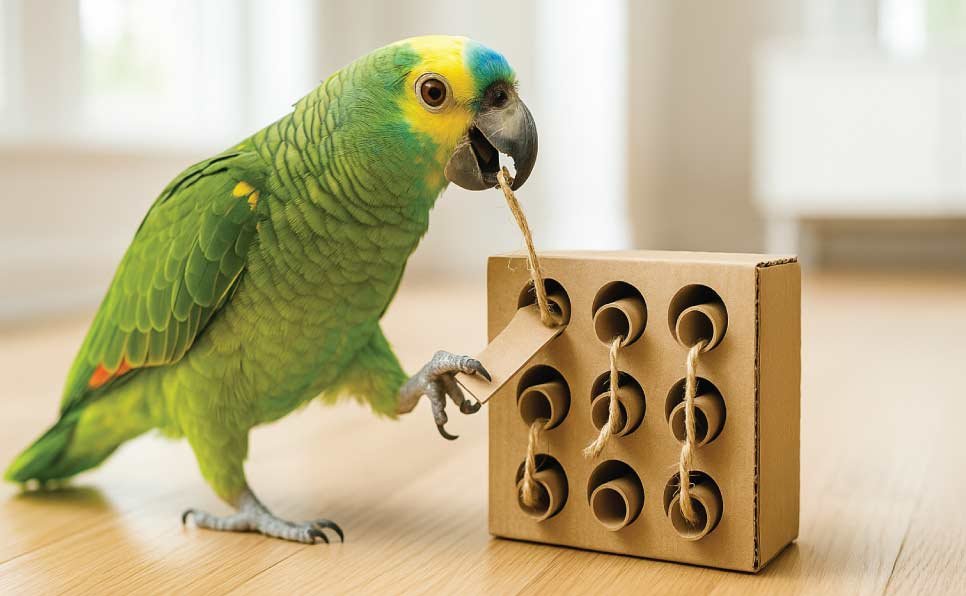
- Ditch the boring food bowls: You must convert your bird’s meals from a five-minute snack into a time-consuming job by introducing complex puzzle feeders today.
- Craft shreddable distractions: Build some of these 20 DIY Parrot Toys: Keep Your Parrot Entertained and Happy so your bird is literally too busy and physically exhausted to scream at you.
Hidden Physical Pain or Illness
The Insight Behind the Distress
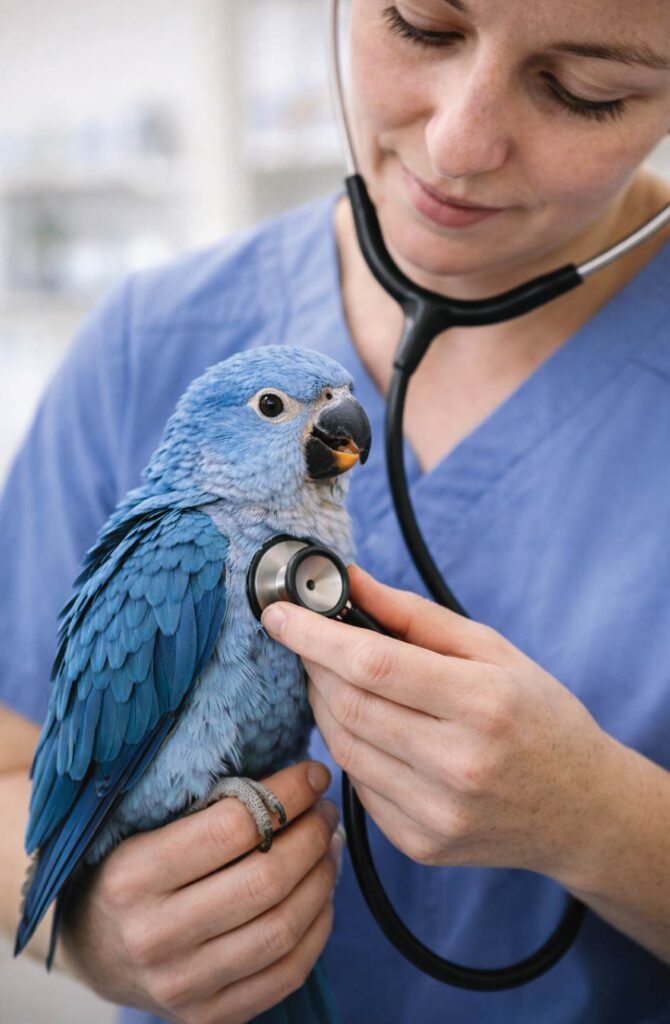
Because birds are prey animals, their survival instinct forces them to mask physical weakness until they are critically ill, making sudden behavioral changes your only reliable warning sign. If a normally quiet, well-behaved bird suddenly starts vocalizing excessively without any change to their daily routine, they may be experiencing hidden discomfort or internal pain. Screaming can be a desperate cry for help from a pet that is suffering from a stealthy bacterial infection, a vitamin deficiency, or even heavy metal toxicity from chewing inappropriate cage hardware.
Spotting the Silent Health Red Flags
- Book an expert veterinary visit: If the screaming started abruptly alongside lethargy or fluffed feathers, schedule an appointment with a board-certified specialist via the Association of Avian Veterinarians immediately.
- Know the hidden symptoms: Never assume a sudden behavioral shift is just a rebellious phase; educate yourself on Bird Health: Common Pet Bird Diseases to successfully rule out a medical crisis first.
Environmental Stressors and New Phobias
The Insight Behind the Fear
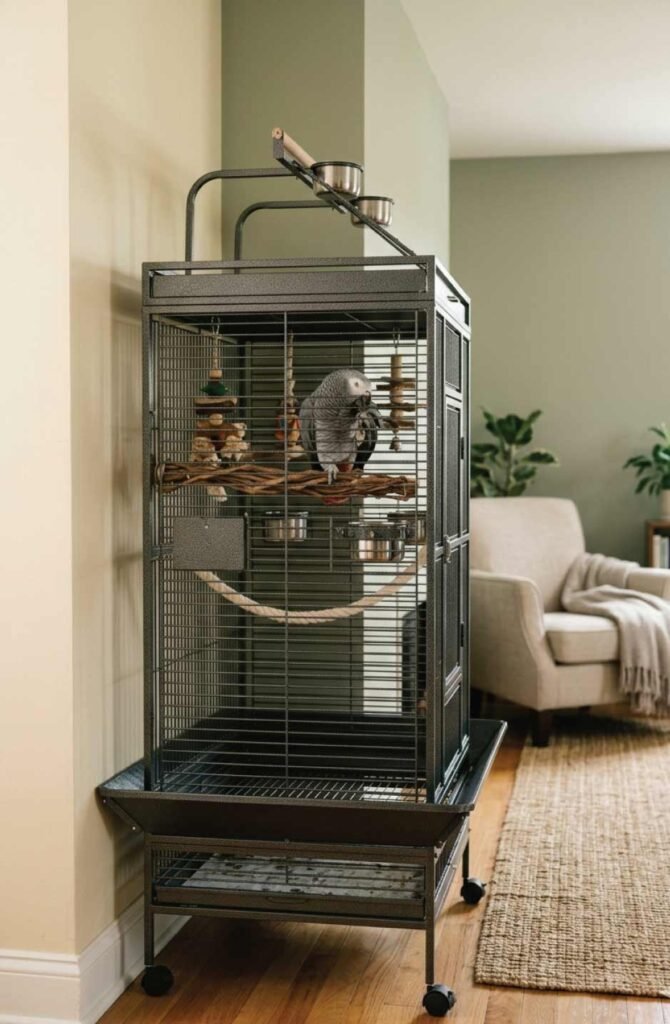
Parrots possess incredibly sharp eyesight and can be deeply unsettled by subtle environmental changes that a human might not even register as a threat. A new brightly colored pillow on the sofa, a ceiling fan moving at a weird speed, or wild hawks circling outside the living room window can put your bird in a state of chronic panic. When a bird feels trapped in a cage near a perceived predator or a terrifying new object, they will repeatedly sound their alarm call to warn the rest of the flock (you) about the danger.
Eliminating Hidden Cage Triggers
- Check their visual sightlines: Sit exactly where your bird’s cage is located and look around the room from their exact height to identify any new shadows, objects, or outside predators triggering their fear.
- Move to a safe, solid wall: If the cage is directly in front of a busy window where outdoor threats are visible, move it to a solid wall where your bird can feel a distinct sense of security behind them.
The Secret Sauce
Master the Art of the “Contact Call”
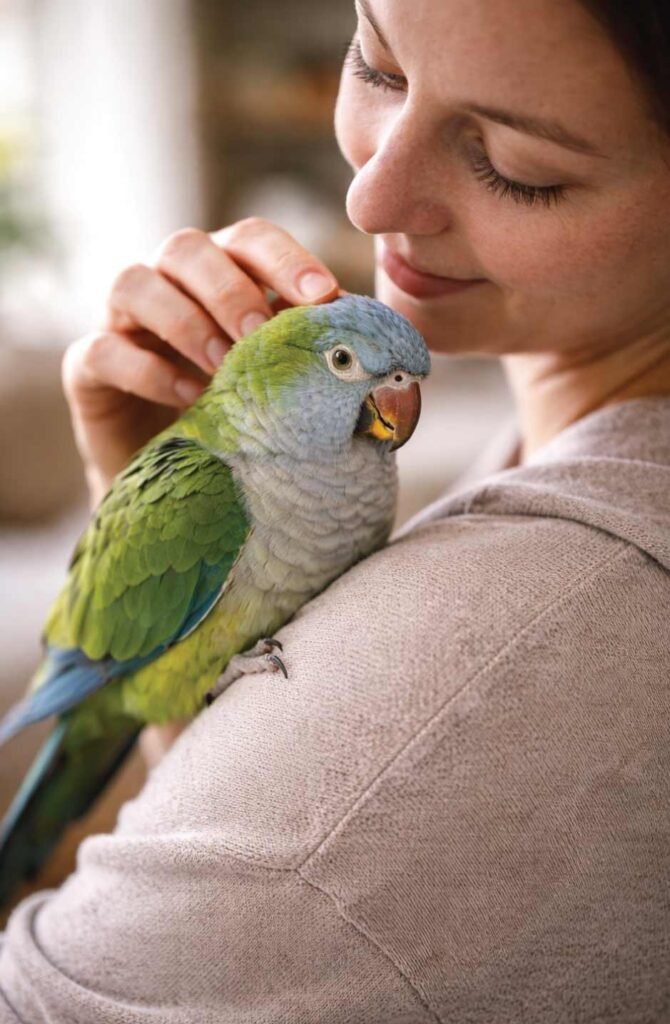
Even if you have perfectly addressed their sleep schedule and foraging needs, establishing a dedicated “contact call” can dramatically reduce the background noise in your home. Pick a specific, pleasant whistle or a quiet word that you use every single time you leave the room. When your bird makes that specific sound back to you, answer them immediately to reassure them you are still in the house, which directly prevents panic-induced separation screaming.
Purge the Sugar for a Balanced Mood
Drastically reducing the sugar and artificial colors in their diet prevents massive energy spikes that lead directly to erratic vocal outbursts. Cheap, brightly dyed seed mixes often cause rapid behavioral shifts and hyperactive episodes that professional animal trainers constantly have to correct in client homes. Upgrading to a high-quality, natural pellet and fresh vegetable chop will stabilize their mood and quiet them down.
Deploy the “Whisper Trick” to Kill the Momentum
Finally, employ the “whisper trick” whenever your bird starts getting loud by suddenly dropping your own voice to a barely audible, highly exaggerated whisper. Parrots are naturally curious creatures, and they will often stop their own screaming and lean in closely just to figure out what interesting secret you are sharing. This completely breaks their screaming momentum and forces them to quiet down, allowing you to instantly reward them for their sudden silence with a high-value treat.
Frequently Asked Questions About Why is my bird suddenly screaming
Yes, "dawn and dusk" calling is a deeply ingrained biological instinct for almost all parrot species. In the wild, birds vocalize at these times to check in with the flock, signal that they survived the night, and coordinate foraging trips for the day. While you can reduce the intensity of these sessions with a consistent routine, you should never try to "train out" this natural behavior entirely.
Birds are highly sensitive to pitch and tempo, and high-energy music or high-pitched cartoon voices can overstimulate them into a shouting match. Many owners find that "action-packed" sounds mimic the frequency of a distress call, causing the bird to scream in a misguided attempt to join the "excitement." Try switching to low-volume classical music or nature sounds to see if a calmer auditory environment lowers their overall volume.
Using the cage cover as a punishment for noise is generally ineffective and can actually lead to a phobia of the dark or the cage itself. If you cover them while they are mid-scream, they may learn that screaming results in a "nap," or they may simply continue screaming under the cover because they are confused and frightened. It is much more effective to leave the room and withdraw your attention rather than physically manipulating their environment as a "time-out."
Species like Sun Conures, Cockatoos, and Macaws are evolutionarily designed to be much louder than smaller birds like Budgies or Cockatiels. What feels "sudden" to a new owner might actually just be the bird reaching social maturity and finding its true adult voice. If you own a "loud" species, your goal should be to manage the noise through enrichment rather than expecting a silent pet.
Parrots are creatures of habit, and even a 30-minute shift in when you get home or feed them can trigger separation anxiety and "demand screaming." If they are used to your presence at a specific time, they will use their loudest voice to "call" you back into the room or demand their usual interaction. Try to use an automated light timer or a consistent radio station to provide a sense of stability even when your personal schedule fluctuates.
Just like a "sugar high" in children, feeding your bird excessive amounts of high-fructose fruits or honey-coated treats can cause intense bursts of erratic energy. This physical "zip" often manifests as restless flying and piercing, repetitive shrieking as the bird tries to burn off the calories. Limit fruit to small treats and ensure their primary diet consists of high-quality pellets and fresh, leafy green vegetables to keep their energy levels stable.
Prefer Audio? Listen Why Is My Bird Suddenly Screaming?
Conclusion
Fixing a screaming bird requires dedicated patience, a strict daily routine, and a firm willingness to stop accidentally rewarding the exact noise you are trying to eliminate. By improving their sleep quality, drastically boosting their foraging opportunities, and checking for underlying medical issues, you will quickly transform your home back into a peaceful sanctuary. Pin this for later!
Consistency is your absolute best friend when reshaping pet behavior, so stick to your new quiet-enforcing routines even if it feels difficult for the first few days. If you want to better understand exactly what your feathered friend is trying to tell you before they resort to screaming, check out my next guide on Pet Bird Body Language Explained: What Feathers, Eyes & Posture Really Mean to decode their hidden signals.