Quick Guide: How to Know When Your Cat is in Pain
- Cats hide pain as a survival tactic to avoid appearing vulnerable to predators; by the time they cry out, the pain is usually severe.
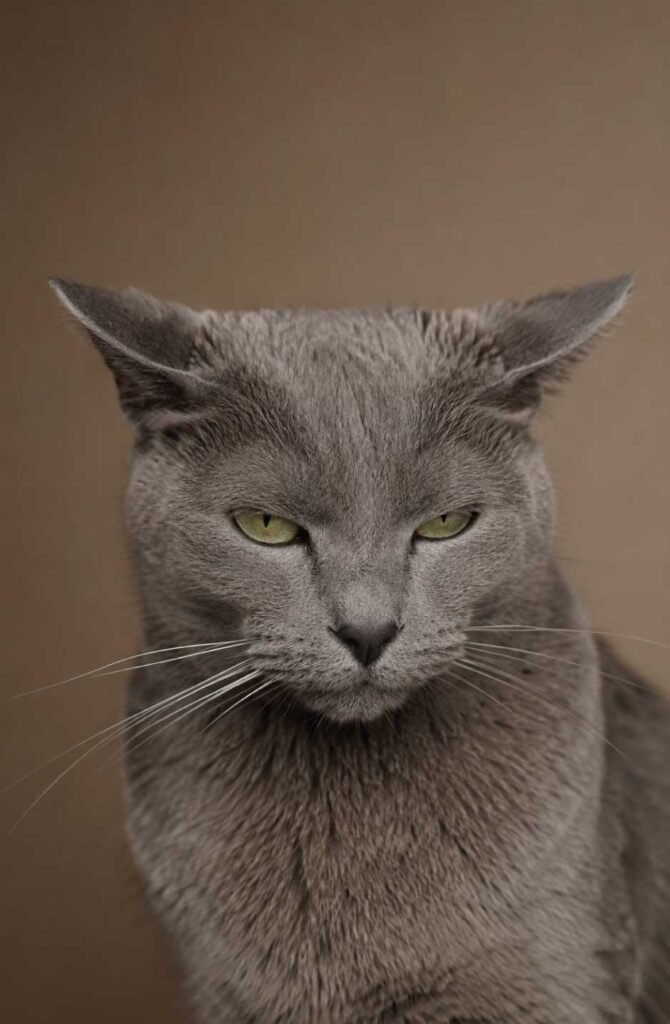
- Check the “Grimace Scale“ for subtle facial cues like flattened ears, squinted eyes, and whiskers pulled forward.
- “Slowing down” is a myth, 90% of senior cats have arthritis, and a lack of activity is often a sign of manageable joint pain rather than simple aging.
- Human medications are lethal; never give Tylenol or Advil, as even a tiny dose can cause fatal liver failure or red blood cell damage. For extra safety, review the FDA’s guidance on pain relievers for pets before reaching for anything in your medicine cabinet.
Why Your Cat Is the World’s Best Secret Keeper
If you have a nagging feeling that your cat is “just not themselves,” trust your gut. Because felines are mid-level predators, they are evolutionarily hardwired to mask physical weakness to avoid being targeted by larger hunters. This “masking phenomenon” creates a frustrating diagnostic gap where your cat might be suffering from significant dental disease or arthritis while still appearing perfectly “fine” to the untrained eye. If you’re still building your confidence as a cat parent, this is also why understanding the basics of caring for a cat matters so much.
Most pet blogs give you generic advice like “watch for limping,” but that’s often the last sign to appear. This guide gives you the exact evidence-based tools veterinarians use to decode silent feline suffering. We are going to look at everything from facial tension to “jump hierarchies” so you can catch pain before it compromises your cat’s quality of life.
Master the Art of the “Cat Grimace”
While a dog might yelp, a cat speaks through the tension in their facial muscles. The Feline Grimace Scale (FGS) is a scientifically validated tool that allows you to assess acute pain by looking at five specific “Action Units” in your cat’s face. Researchers found that when cats are in pain, whether from a recent surgery or a sudden injury, their ears flatten and rotate outward, their eyes squint, and their muzzle changes from a relaxed round shape to a tense, elliptical one.
What to do at home:
- Observe your cat while they are undisturbed and not currently eating or grooming.
- Look for whiskers that are straight and directed forward rather than loose and curved.
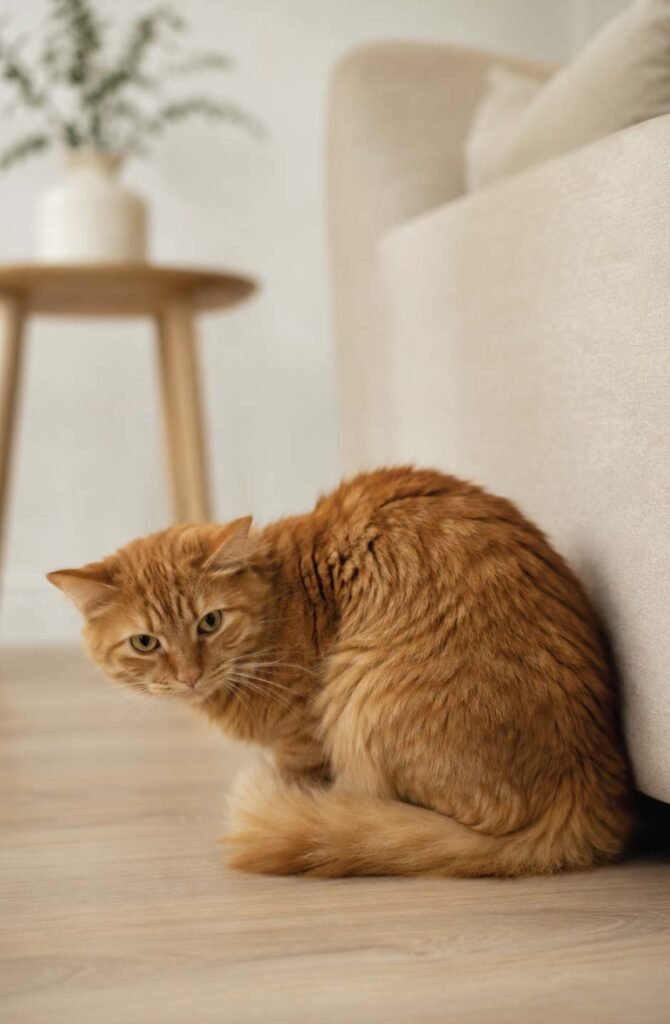
- Check their head position; a cat in pain often holds their head level with or below the shoulder line in a “hunched” posture.
- Download a validated FGS app to practice scoring these subtle changes with your own smartphone.
Stop Calling It “Just Getting Old”
It is heartbreakingly common for owners to misattribute chronic pain to “slowing down” or “grumpiness” associated with age. Clinical studies show that 60% of cats over age six and up to 90% of cats over age twelve have radiographic evidence of arthritis. Chronic pain is “maladaptive,” meaning it serves no biological purpose and simply causes long-term stress that can eventually change the architecture of the nervous system.
How to spot the “slow-down”:
- Track their “Jump Hierarchy”, look for cats that now use a footstool to reach the sofa instead of leaping in one fluid motion.
- Watch for “hesitation” at the stairs or a complete refusal to go up or down levels they used to navigate easily.
- Notice changes in their “normal” zoomies; if they’ve stopped playing with favorite toys or chasing the laser, they aren’t just “bored,” they may be hurting.
- Ask your vet about the Feline Musculoskeletal Pain Index (FMPI) to objectively track mobility trends over time.
Decode the Drama at the Litter Box
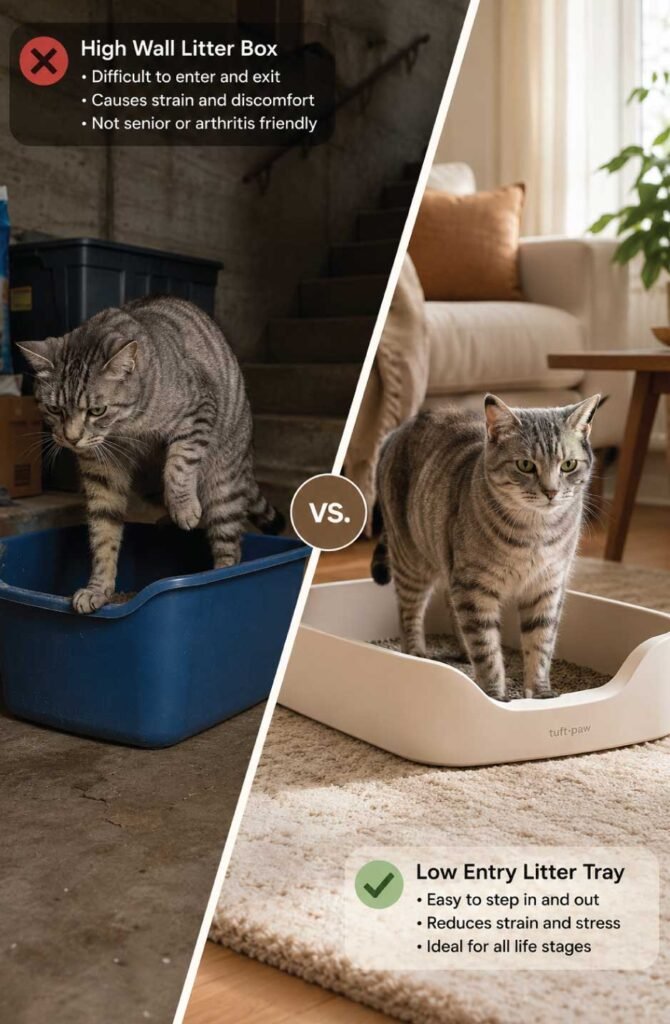
When a cat starts urinating outside the box, the first instinct is often to blame “spite” or behavior, but it is frequently a sign of physical agony. Cats with arthritis in their hips or elbows often find it too painful to step over the high walls of a standard litter pan. Additionally, if the box is located in a basement, a cat may decide the painful trip down the stairs isn’t worth the effort. For younger cats or newly adopted cats, proper litter box training for kittens can help you spot what is normal behavior versus a sudden pain-related change.
Practical litter box pivots:
- Switch to a low-sided litter pan or a shallow storage bin to minimize the “step-up” required to enter.
- Ensure there is a box on every floor so your cat never has to navigate stairs when they need to go.
- Watch for “squatting” difficulties; a cat who struggles to maintain a proper stance may accidentally soil near the box.
- Consider the substrate; cats with “declaw pain” (painful feet from a previous ostectomy) often find coarse clay litter intolerable.
Spot the “Unkempt Coat” and Overgrooming Red Flags
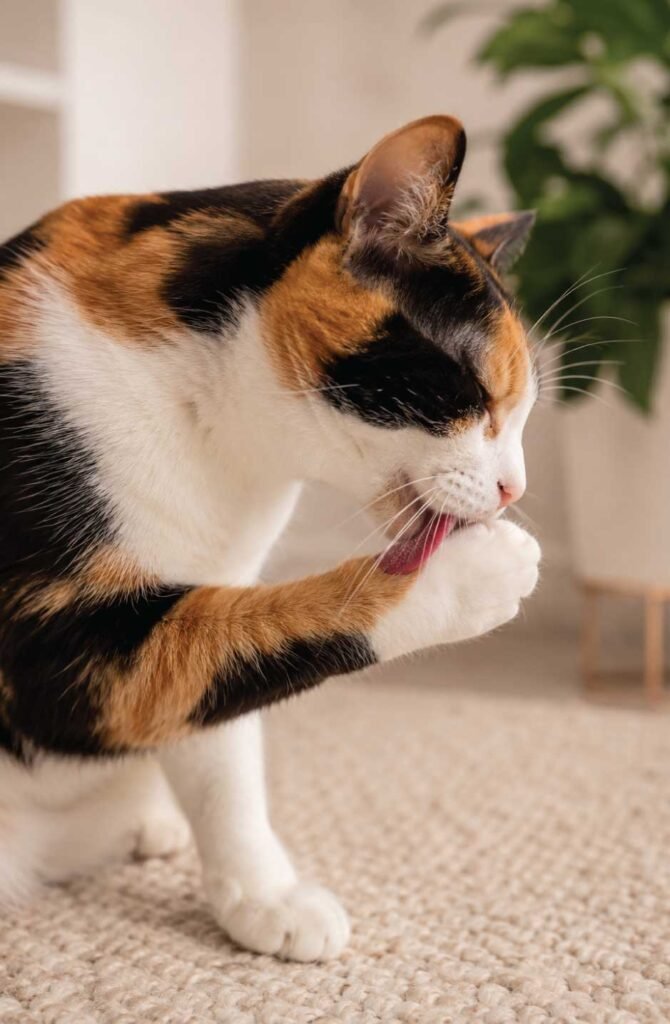
Grooming is a highly sensitive indicator of feline comfort because it requires incredible flexibility. A cat in chronic pain often stops grooming their back or hindquarters because the twisting and reaching required has become physically intolerable. This results in a greasy, matted, or “spiky” coat that seems to appear overnight. On the flip side, some cats will obsessively lick a specific joint, like an elbow or hip, in a desperate attempt to soothe deep-seated neuropathic pain.
Monitoring the mane:
- Feel for mats along the lower back and hips, which are the hardest areas for a stiff cat to reach.
- Look for “barbered” fur or localized bald spots where your cat has been relentlessly chewing at a painful area.
- Notice if they stop sharpening their claws; the stretching involved in using a vertical scratching post is often too much for arthritic shoulders.
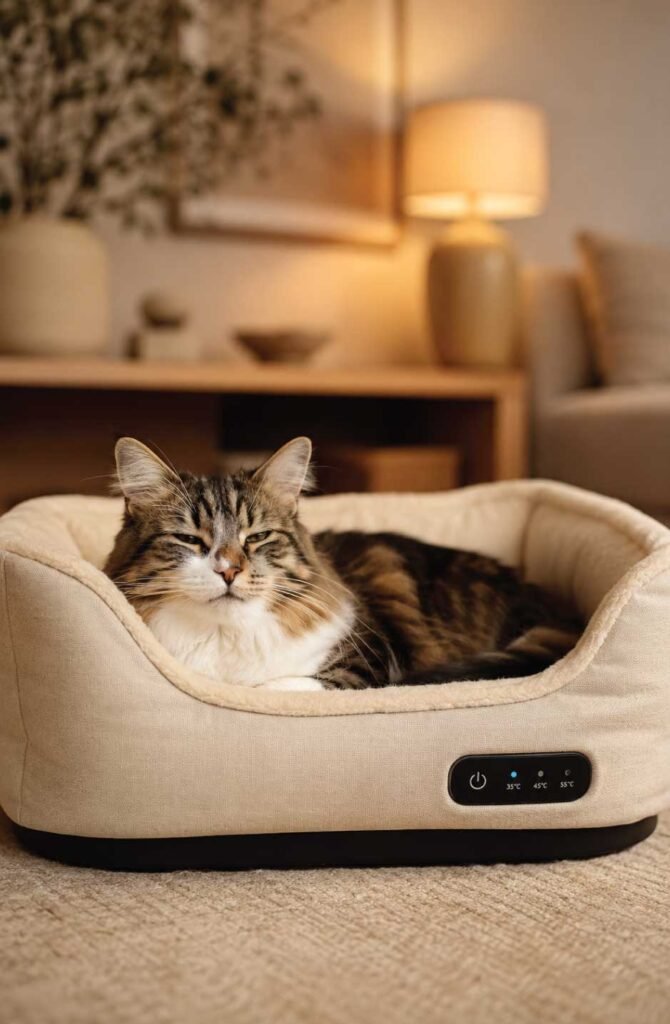
- Provide a soft, heated bed to help relax stiff muscles and make self-grooming a bit easier.
Identify the “Hunched” vs. “Curled” Sleep Posture
The way your cat rests can tell you more than a thousand meows ever could. A healthy, comfortable cat usually sleeps in a relaxed, curled-up, or stretched-out position. When a cat is in pain, they often adopt a “hunched” or “tucked-up” posture, laying with their feet tightly underneath their body and their eyes squinted, even while resting.
Sleep style takeaways:
- Watch for “guarding” behavior, where the cat stays completely motionless to avoid jarring a painful limb or abdomen.
- Note if they’ve moved their “favorite spot” from a high windowsill to a lower, easier-to-access rug.
- Check for ” glazed” or wide-eyed looks that persist even when the house is quiet.
- Look for a listless head that stays lowered rather than tucked into the flank.
Manage the “Touch-Me-Not” Temperament Shift
If your once-cuddly companion suddenly turns into a “hiss-factory” when you pet their lower back, it isn’t a personality flaw. Aggression is a common defensive response to the anticipation of pain, especially in previously social cats. They aren’t being “mean”; they are trying to protect a part of their body that feels like it’s on fire. Since pain, fear, and overstimulation can all overlap, it can also help to understand why cats bite before assuming your cat is simply acting out.
Safety and social steps:
- Watch for “skin twitching” or tail flicking when you pet near the base of the tail or along the spine.
- Respect the “withdrawal”, if your cat is hiding under the bed or in a closet more than usual, they are likely seeking solitude to cope with discomfort.
- Note any “vocalization shifts,” such as low-frequency growls or unusual yaps that aren’t part of their normal vocabulary.
- Be cautious with multi-cat households; pain can cause a “spike” in inter-cat aggression as the painful cat feels unable to defend themselves. “Pro” Cat Parent
The Ultimate Feline Pain Checklist
Facial Expressions (The Telltale Tension)
- Squinted or narrowed eyes that look tense rather than sleepy.
- “Airplane ears” that are flattened, pulled apart, or rotated outward.
- A tense, elliptical muzzle instead of a soft, round one.
- Whiskers pointed straight forward and bunched together tightly.
Body Posture (The Guarding Signals)
- A hunched or curved spine while sitting or attempting to rest.
- The “tight tuck” where the cat sits entirely on top of all four paws, keeping the body rigid.
- Head held low, level with or directly below the shoulder line.
- A low-slung, rigid tail tucked between the legs or wrapped tightly around the belly.
Mobility Shifts (The Hidden Slow-Down)
- Creating a “jump hierarchy” by using intermediate furniture (like a footstool) to get onto high surfaces.
- Hesitating, pacing, or outright refusing to go up or down stairs.
- A sudden loss of interest in the “zoomies,” favorite toys, or chasing prey.
- Stiffness or a subtle limp when first waking up from a nap.
Changes in Daily Habits
- Urinating or defecating outside the litter box (especially on flat, soft surfaces like rugs).
- Dropping hard food or tilting the head to an odd angle while chewing.
- Uncharacteristic hiding in dark closets, under beds, or away from the family.
- Sudden, intense clinginess and demanding vocalizations from an otherwise independent cat.
Physical Appearance & Grooming
- Greasy, spiky, or matted fur along the lower back, spine, and hips.
- Obsessive licking or chewing at a specific joint, sometimes creating bald patches.
- A complete lack of interest in using vertical scratching posts to stretch.
Emergency Red Flags: If your cat is experiencing open-mouthed panting, rapid heaving of the abdomen while at rest, or letting out deep, guttural howls, their nervous system is under extreme distress. These are signs of a medical emergency, skip the home assessment and get to an emergency vet immediately.
The Secret Sauce: Expert Tips for the “Pro” Cat Parent
The Adrenaline Masking Trap
Cats often experience a surge of adrenaline at the vet that temporarily hides all clinical signs of pain during an exam. To bypass this, always take “home movies” of your cat’s normal movements, walking, jumping, and resting, to show your vet what they look like when they aren’t “faking it” for the doctor.
The “Inflammaging” Weight Link
Adipose tissue (fat) is not just stored energy; it is an active endocrine tissue that pumps out pro-inflammatory cytokines into the bloodstream. This means an overweight cat isn’t just “extra fluffy”, the extra weight is actively driving “low-grade chronic inflammation” that makes arthritis pain significantly worse.
The Monthly Miracle: Biologics
For senior cats with kidney disease, traditional NSAIDs like meloxicam can be risky for long-term use. Ask your vet about new “monoclonal antibody” therapies like Solensia, which target Nerve Growth Factor (NGF) specifically and are cleared by the body like a protein, making them much safer for cats with CKD.
Frequently Asked Questions about How to Know When Your Cat Is in Pain
Yes, cats frequently purr as a natural mechanism to self-soothe when they are experiencing severe pain, stress, or physical trauma. While humans strictly associate purring with a happy, content kitty, the low-frequency vibrations actually trigger a release of endorphins in the feline brain that helps them manage internal discomfort. If your cat is purring while showing a hunched posture or squinted eyes, do not mistake it for happiness.
Dropping hard kibble, drooling excessively, or tilting the head at an odd angle while eating are classic indicators of severe dental pain or feline oral disease. Cats will often approach their food bowl completely ravenous but will back away, growl, or hiss at the food after taking a single bite because the physical act of chewing causes a sudden, sharp jolt of nerve agony.
Open-mouthed panting or rapid, shallow abdominal breathing when a cat is completely at rest is a major clinical red flag for acute physical pain or systemic distress. Unlike dogs, felines do not pant to cool themselves down or express casual excitement under normal household conditions. If your cat's sides are heaving rapidly and they haven't just finished a frantic sprint, they require an immediate emergency veterinary assessment.
Permanently dilated, "saucer-like" pupils (mydriasis) that fail to constrict in bright lighting conditions can indicate that a cat is in a state of physiological shock or severe pain. The feline body's natural fight-or-flight response triggers a massive rush of adrenaline that forces the ocular muscles to expand. If the eyes look wide and glazed over despite normal home lighting, your cat's nervous system is operating under extreme stress.
While many felines choose to isolate themselves when sick, some cats will become uncharacteristically clingy, vocal, and demanding of physical contact when they feel physically vulnerable or painful. If an independent, aloof cat suddenly refuses to leave your lap, follows you like a shadow, and lets out repetitive, high-pitched meows, they are likely treating you as a security blanket to cope with their discomfort.
A cat holding their tail tightly tucked between their hind legs, wrapped stiffly around their belly, or constantly twitching just the dark tip while resting is actively signaling physical vulnerability. A healthy, pain-free feline carries their tail in an upright, confident "question mark" shape when moving through their environment. A rigid, low-slung tail means they are actively guarding their body against anticipated pain.
Prefer Audio? Listen to How to Know When Your Cat Is in Pain
Your cat’s “normal” is the most powerful diagnostic tool in existence. By learning to speak “cat” through their facial expressions and movement patterns, you can intervene before pain becomes a chronic disease in its own right. Remember: don’t wait for the limp, look for the squint!