

Quick Guide: Food Toxic to Dogs Action Plan
- Immediate Action Matters: If your dog eats a toxin, call the Pet Poison Helpline (800-213-6680) or ASPCA Animal Poison Control (888-426-4435) immediately; early treatment is often cheaper and more successful.
- Check Every Label: Xylitol (a sugar substitute) can cause life-threatening low blood sugar in just 30 minutes and is hidden in “sugar-free” gum, peanut butter, and even liquid medications.
- Darker Means Deadlier: When it comes to chocolate, baking chocolate and cocoa powder are significantly more dangerous than milk chocolate due to higher methylxanthine concentrations.
- No Safe Grape Dose: Recent science points to tartaric acid as the culprit in grapes and raisins; since concentration varies, even a single grape can cause sudden kidney failure.
Prefer watching instead of reading? Watch the full explanation below or continue reading for more details.
You just turned your back for thirty seconds, and now your dog is looking suspiciously guilty next to an empty raisin box or a half-eaten chocolate bar. We have all been there, and that spike of panic is real because our homes are essentially minefields of delicious-looking toxins. This guide is designed to cut through the fluff and give you the hard, clinical facts you need to act fast.
You won’t find long-winded stories here, just the specific insights and immediate takeaways required to protect your pup from common household hazards. When your dog eats something questionable, seconds count, and having a clear, scannable action plan is your absolute best defense.
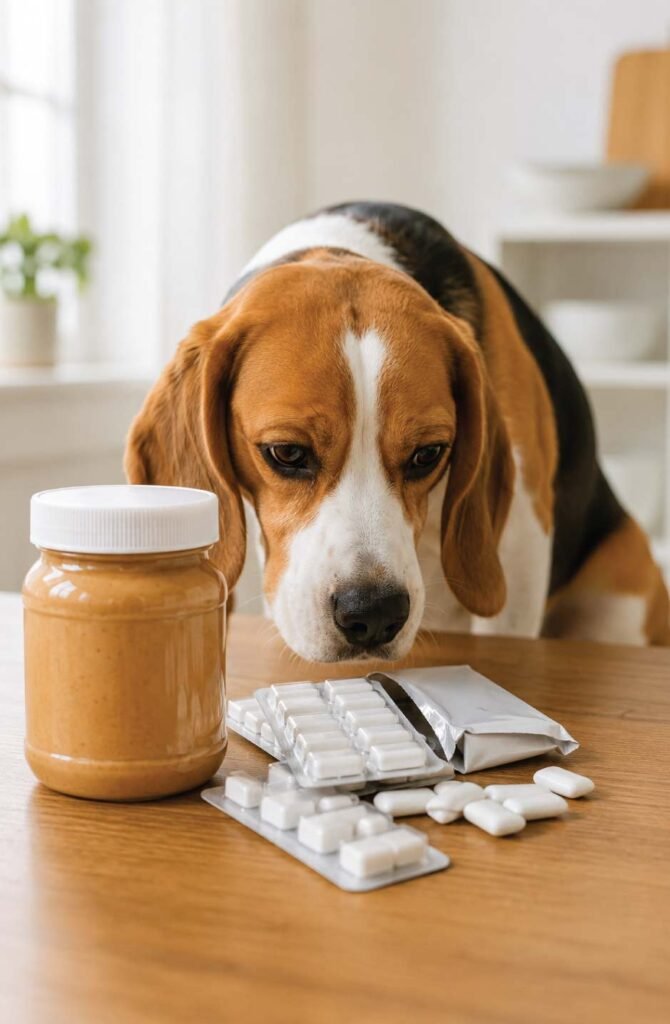
The Stealthy Sweetener: Xylitol (Birch Sugar)
The 30-Minute Insulin Crash
Xylitol is arguably the most dangerous item on this list because it works with terrifying speed, triggering a massive insulin surge that crashes a dog’s blood sugar within 30 to 60 minutes. Unlike humans, dogs mistake this sugar alcohol for actual sugar, causing their pancreas to release three to seven times the normal amount of insulin. This sudden drop in blood glucose can rapidly lead to seizures, coma, and even fatal liver failure. It is found in a staggering array of products, from “sugar-free” gums and candies to keto-friendly baked goods, chewable vitamins, and even liquid medications like gabapentin.
Spotting and Managing Hidden Xylitol
- Scan every single label: Always read the ingredient list for “xylitol” or “birch sugar” before sharing any human food, paying hyper-vigilant attention to peanut butter brands and diet snacks.
- Do not wait for symptoms: If your dog ingests it, do not wait for vomiting or lethargy to appear; get to an emergency vet immediately.
- Never induce vomiting at home: Crucially, do not attempt to induce vomiting for xylitol ingestion unless specifically directed by a vet. The rapid onset of hypoglycemia can cause your dog to lose consciousness or seize during the process, leading to life-threatening aspiration.
- Check your bathroom cabinets: Keep human toothpaste, mouthwash, and sugar-free gummy vitamins securely locked away, as these are frequent culprits for curious chewers.
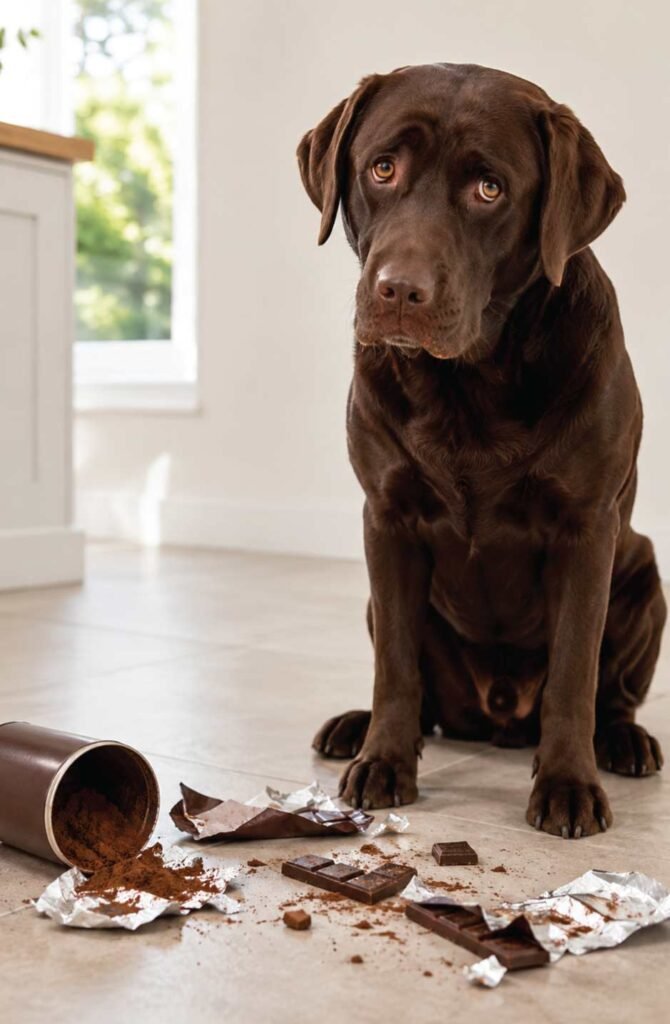
The Methylxanthine Menace: Chocolate and Caffeine
The Central Nervous System Overload
Theobromine and caffeine are the two chemicals in chocolate that dogs simply cannot metabolize quickly, leading to central nervous system overstimulation and heart rhythm abnormalities. The “dose” makes the poison here: while a small piece of milk chocolate might only cause an upset stomach, darker chocolates, cocoa powder, and baking chocolate are highly concentrated and can cause tremors, seizures, and heart failure. A dog’s body absorbs these compounds rapidly, and because chocolate is highly palatable, dogs will easily consume a lethal dose if given the chance.
Calculating the Risk and Taking Action
- Identify the exact chocolate type: If your dog raids the stash, figure out the cocoa percentage and use an online toxicity calculator to assess the immediate risk based on their exact weight.
- Watch for early warning signs: The first signs of chocolate poisoning are usually extreme restlessness, panting, and excessive thirst, progressing to muscle twitching.
- Secure all caffeine sources: Keep chocolate, espresso beans, coffee grounds, and caffeine pills in high, secure cabinets, especially if you own a highly food-motivated breed.
- Beware the fat content: Even if they eat white chocolate (which lacks toxic theobromine), the massive amount of sugar and fat can trigger a painful, expensive bout of pancreatitis a few days later.

The Kidney Saboteurs: Grapes, Raisins, and Tamarinds
The Unpredictable Tartaric Acid Threat
Recent veterinary breakthroughs have identified tartaric acid as the specific toxin in grapes, raisins, and tamarinds that causes acute kidney injury (AKI) in dogs. Dogs are uniquely vulnerable because they lack the specific transporter (OAT4) that humans use to excrete organic acids, causing tartaric acid to accumulate in and directly destroy their kidney cells. The danger is completely unpredictable; one dog might eat a handful and be fine, while another could suffer total organ failure from just four or five fresh grapes. Treat every single grape or raisin ingestion as a veterinary emergency, regardless of your dog’s size or history with the fruit.
Immediate Decontamination Protocols
- Treat every ingestion as an emergency: Treat every single grape or raisin ingestion as a veterinary crisis, regardless of your dog’s size, breed, or history with the fruit.
- Monitor the 6-to-12-hour window: Watch closely for the most common early sign, vomiting within 6 to 12 hours, but be aware that kidney failure can develop completely silently over the next 24 to 72 hours. Unlike the relatively harmless reasons behind why dogs eat grass and then throw up, vomiting after of eating grapes is a massive red flag that requires immediate intervention.
- Prepare for IV therapy: Since there is no “safe” amount, immediate veterinary decontamination (inducing vomiting) and aggressive IV fluid therapy for at least 48 hours are the gold standards for preventing permanent organ damage.
- Audit your pantry snacks: Keep a strict eye on trail mixes, granola bars, and baked goods, as a single hidden raisin is just as dangerous as a fresh grape.

The Slow-Motion Blood Destroyers: Onions and Garlic
The Heinz Body Anemia Process
All members of the Allium family, onions, garlic, chives, leeks, and shallots, contain sulfur-based oxidants that cause a dog’s red blood cells to literally burst. This leads to Heinz body hemolytic anemia, where the body’s own defense systems destroy damaged blood cells, resulting in pale gums, extreme weakness, and dark-colored urine. While garlic is roughly three to five times more toxic than onions, the absolute most dangerous forms are dehydrated powders and flakes, where just one teaspoon of garlic powder can equal the toxicity of eight whole fresh cloves. Instead of risking seasoned table scraps, rely on a proper dog nutrition guide to ensure their diet is both engaging and completely safe.
Safe Leftovers and Delayed Monitoring
- Avoid seasoned table scraps: Be extremely cautious with human leftovers; many “safe” foods like baby food, chicken broth, or canned soups are heavily seasoned with hidden onion or garlic powder.
- Monitor for 3 to 5 days: If you suspect ingestion, keep a close eye on your dog for nearly a week, as the full destructive effects of anemia often take several days to peak after the initial exposure.
- Check their gum color: Lift your dog’s lip and check their gums; if they look pale white, grayish, or yellowish instead of a healthy bubblegum pink, contact a vet immediately.
- Prepare for intensive support: For large ingestions, your vet may need to perform blood transfusions or provide oxygen therapy to support your dog until their body can produce new, healthy red blood cells.
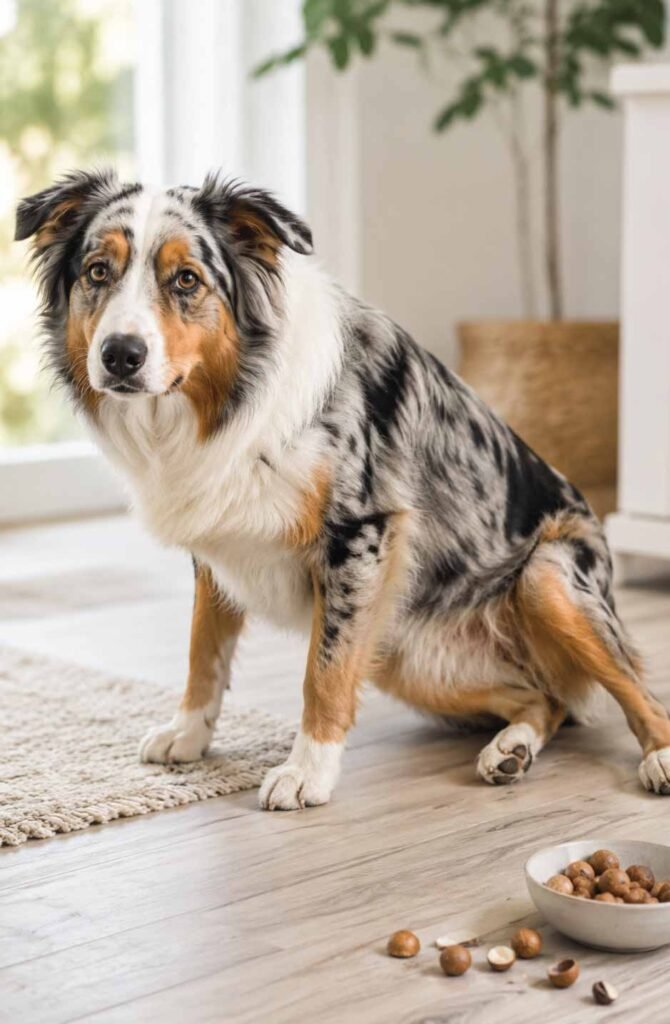
The Mystery Weakness: Macadamia Nuts
The Distressing Hind-Limb Wobble
Macadamia nuts cause a unique, non-fatal, but highly distressing syndrome in dogs characterized by profound hind-limb weakness, tremors, and vomiting. Within 12 hours of eating the nuts, dogs often become noticeably “wobbly,” severely depressed, and may develop a concerningly high fever. While the exact biological toxin remains a complete mystery to science, the neurological and muscular effects are incredibly alarming to witness for any pet owner.
Providing Supportive Comfort
- Stay calm but contact a pro: If your dog eats macadamias, don’t panic, but do contact your vet or the ASPCA Animal Poison Control for guidance on managing their comfort and monitoring their fever.
- Expect a 48-hour recovery: Fortunately, the effects are usually self-limiting, with most dogs recovering fully within 24 to 48 hours with basic supportive care.
- Watch for secondary pancreatitis: Because macadamia nuts are exceptionally high in fat, monitor your dog for severe abdominal pain or repeated vomiting even after the wobbliness subsides.
- Ban the baked goods: Treat these nuts as a strict “no-go” zone and be particularly careful with white chocolate macadamia nut cookies, which pack a double threat of toxins and high fat.

The Stomach Incubator: Raw Yeast Dough
Gastric Expansion and Alcohol Poisoning
When a dog eats raw bread dough or sourdough starter, their warm, moist stomach acts as a perfect incubator, causing the yeast to rapidly ferment and expand the dough mass. This rapid expansion can lead to severe gastric distention (bloat) and may even cause the stomach to physically twist (GDV), a life-threatening surgical emergency. Furthermore, the fermentation process naturally produces ethanol (alcohol), which absorbs straight into the bloodstream, leading to severe alcohol poisoning, disorientation, and seizures.
Preventing Counter-Surfing Catastrophes
- Use the cold oven trick: Keep all rising dough covered and placed safely inside a cold, turned-off oven or microwave where a “counter-surfing” dog cannot reach it.
- Watch for unproductive retching: If your dog shows signs of a tightly distended abdomen, pacing, or trying to vomit without bringing anything up, treat it as a critical emergency that requires immediate surgical evaluation.
- Expect a stomach flush: If ingestion is caught early, your vet may attempt to flush the stomach with cold water to rapidly halt the fermentation and break up the sticky dough mass.
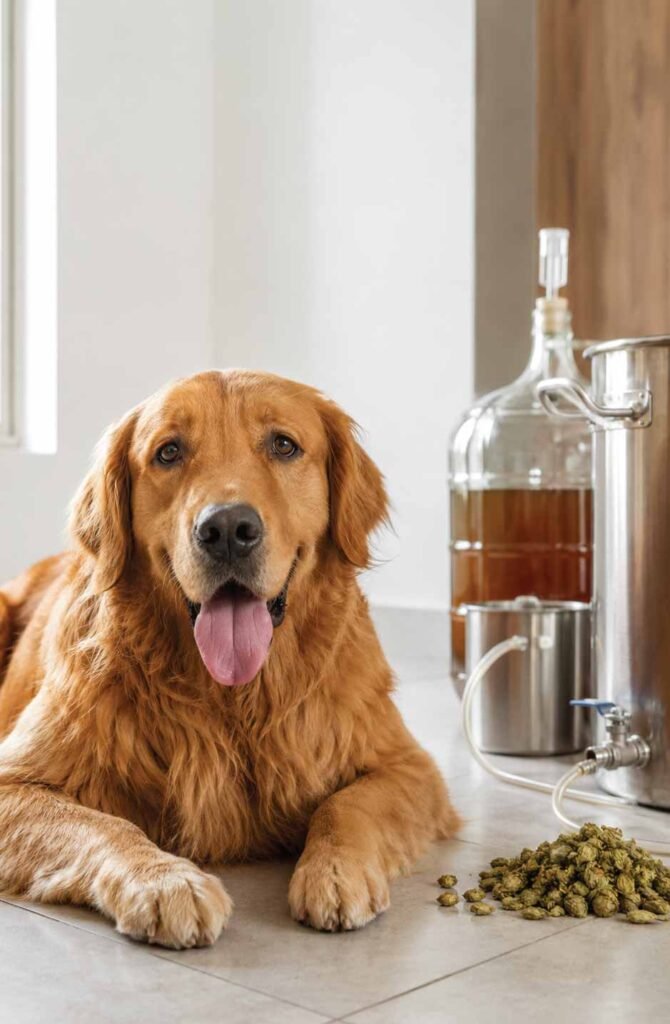
The Homebrewer’s Nightmare: Hops
Malignant Hyperthermia Risk
Hops (both fresh cones and spent brewing plugs) are highly toxic to dogs and can cause a rapid, uncontrollable rise in body temperature known as malignant hyperthermia. Core temperatures can skyrocket above 105°F within hours, leading to multi-organ failure and death if the chemical reaction is not stopped aggressively. While any dog can be affected, certain breeds like Greyhounds, Labradors, Retrievers, and Pointers are at a significantly higher genetic risk for this specific, deadly reaction.
Safe Disposal and Temperature Control
- Secure your brewing compost: If you are a homebrewer, ensure your spent hops are disposed of in a completely secure, dog-proof compost bin or locked trash can.
- Start active cooling: In the event of ingestion, active cooling (cool water baths and fans) must start immediately on the way to the vet.
- Stop cooling at 103°F: You must stop cooling measures once the dog hits 103°F to avoid causing a dangerous temperature crash.
- Seek specific medication: Veterinary intervention is mandatory; vets must administer specific muscle relaxants like dantrolene, which is the only way to stop the internal chemical reaction driving the lethal heat.

The Secret Sauce: Expert Tips You Might Not Know
The Bladder Reabsorption Trap
Methylxanthines (from chocolate and caffeine) can actually be reabsorbed across the bladder wall directly back into the dog’s bloodstream.
- The Danger: This means that if your dog’s bladder stays full, they will literally continue to poison themselves even after the chocolate has successfully left their stomach.
- The Fix: To speed up recovery at home, take your dog for very frequent, short walks to keep their bladder as completely empty as possible.
The “Birch Sugar” Label Scram
Many “natural” or “keto-friendly” products are now labeling xylitol as “birch sugar” or “wood sugar” to appeal to health-conscious human shoppers.
- The Danger: While it sounds harmless and organic, it is the exact same chemical structure that causes fatal insulin spikes and liver failure in dogs.
- The Fix: Always scan the label for any chemical word ending in “-itol,” but pay special attention to these sneaky “natural” aliases that might bypass your initial safety check.
The Delayed Grape Bloodwork
Early blood tests for grape or raisin toxicity can often come back perfectly normal, even while the kidneys are actively beginning to sustain cellular damage.
- The Danger: Because biochemical changes in the blood can take up to 48 hours to appear, one “clean” initial blood panel is never a get-out-of-jail-free card.
- The Fix: Most veterinary specialists strongly recommend repeat kidney testing every 24 hours for at least three full days to ensure your dog’s renal values are not trending toward a silent crisis.
Frequently Asked Questions About Foods Toxic to Dogs
Avocados contain a fungicidal toxin called persin, which can cause severe stomach upset, vomiting, and diarrhea in dogs. While the green flesh contains lower levels of persin, the skin, leaves, and pit are highly concentrated and pose the greatest danger. Beyond the chemical toxicity, the large, slippery pit is a major choking hazard and a frequent cause of life-threatening intestinal blockages that require emergency surgery.
The seeds of apples and the pits of cherries, peaches, plums, and apricots contain a compound called amygdalin, which releases deadly cyanide when chewed and digested. A dog would need to chew and swallow a large volume of apple seeds to show signs of poisoning, but the risk is cumulative. The physical pits of stone fruits pose an immediate double threat as they can easily choke a dog or tear the lining of their digestive tract.
Feeding your dog highly salted human snacks can lead to sodium ion poisoning, a critical condition that causes severe dehydration and brain swelling. While a single dropped chip won't kill a large dog, consuming a bag of pretzels or rock salt can cause vomiting, high fever, muscle tremors, seizures, and death. Always ensure your dog has immediate access to fresh water if they accidentally ingest anything unusually salty.
Nutmeg contains a natural chemical compound called myristicin, which is highly toxic to dogs even in relatively small quantities. If a dog eats a baked good heavily seasoned with nutmeg, they can experience hallucinations, severe disorientation, an increased heart rate, abdominal pain, and seizures. The symptoms of myristicin poisoning can last for several days, so keep your holiday baking spices pushed far back on your countertops.
While dairy products are not strictly classified as lethal toxins, most adult dogs are lactose intolerant and lack the enzymes needed to digest milk properly. Consuming dairy frequently results in acute gastrointestinal distress, leading to gas, bloating, severe abdominal cramps, and diarrhea. Additionally, the exceptionally high fat content in cheeses, butter, and heavy cream carries a steep risk of triggering a painful and expensive bout of pancreatitis.
Black walnuts and pecans are highly unsafe for dogs because they are uniquely prone to growing microscopic molds that produce dangerous tremorgenic mycotoxins. These fungal toxins attack a dog's neurological system, causing severe muscle tremors, coordination loss, and full-body seizures. If you want to share a nutty treat with your pup, stick to plain, unsalted peanuts or cashews in strict moderation.
Prefer Audio? Listen Toxic Food for Dogs
Protecting your dog starts with a secure pantry and a watchful eye, but your most valuable tool is speed when an accident inevitably happens. Whether it’s a single dropped raisin or a raided bag of chocolate chips, never wait for symptoms to appear, call for professional veterinary help immediately. A proactive vet visit is always better (and cheaper) than an emergency room crisis.
Pin this for later! If you want to make sure the rest of your home is perfectly set up for your pup’s safety and happiness, be sure to read our comprehensive guide on Dog Care Tips for Beginners next!