
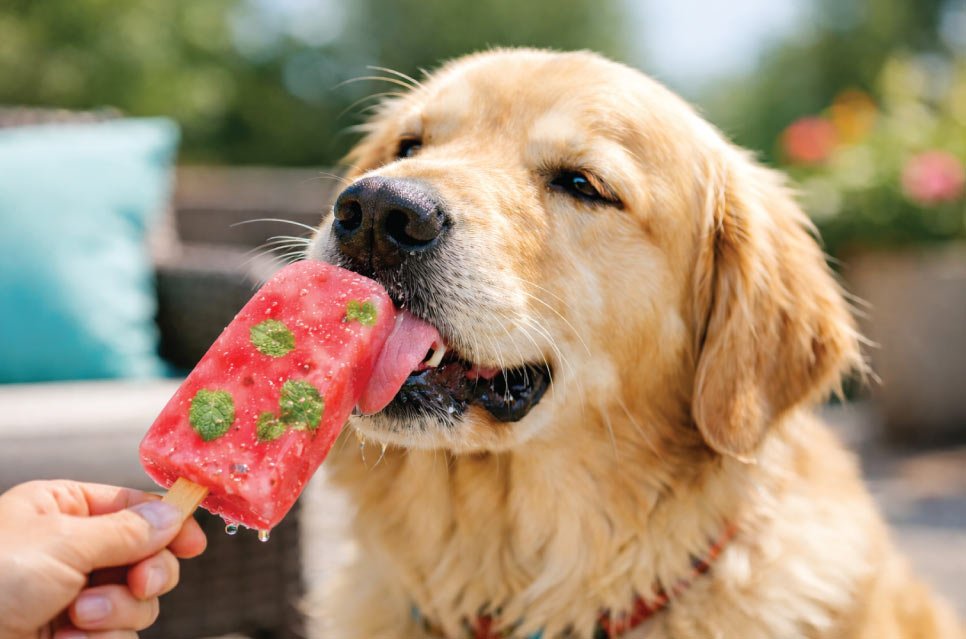
Quick Guide: DIY Frozen Dog Treats
- Safety First: Always use plain, xylitol-free peanut butter and ensure all fruit seeds or rinds are removed to prevent choking or toxicity.
- Hydration Boost: Frozen treats are an excellent way to increase your dog’s water intake during peak summer heat.
- Simple Ingredients: Stick to 3 ingredients or less to minimize digestive upset and keep prep time under 10 minutes.
- Portion Control: Treats should never exceed 10% of your dog’s daily caloric intake, even when they are “healthy.”
Summer heat is no joke for our furry friends, and if you’re tired of seeing your pup panting excessively while you enjoy a cold popsicle, you aren’t alone. Finding healthy, cooling snacks that don’t involve a 20-item grocery list or a degree in culinary arts can be surprisingly frustrating when most “DIY” blogs are filled with fluff. You want to keep your dog cool and happy without spending your entire Saturday in a hot kitchen or worrying about hidden fillers in store-bought options. This guide is designed to get you from “panting pup” to “happy camper” in minutes. We’ve stripped away the unnecessary filler to give you six science-backed, vet-approved frozen treat recipes that prioritize your dog’s health and your limited time.
The Hydration Hero: Watermelon and Mint Coolers
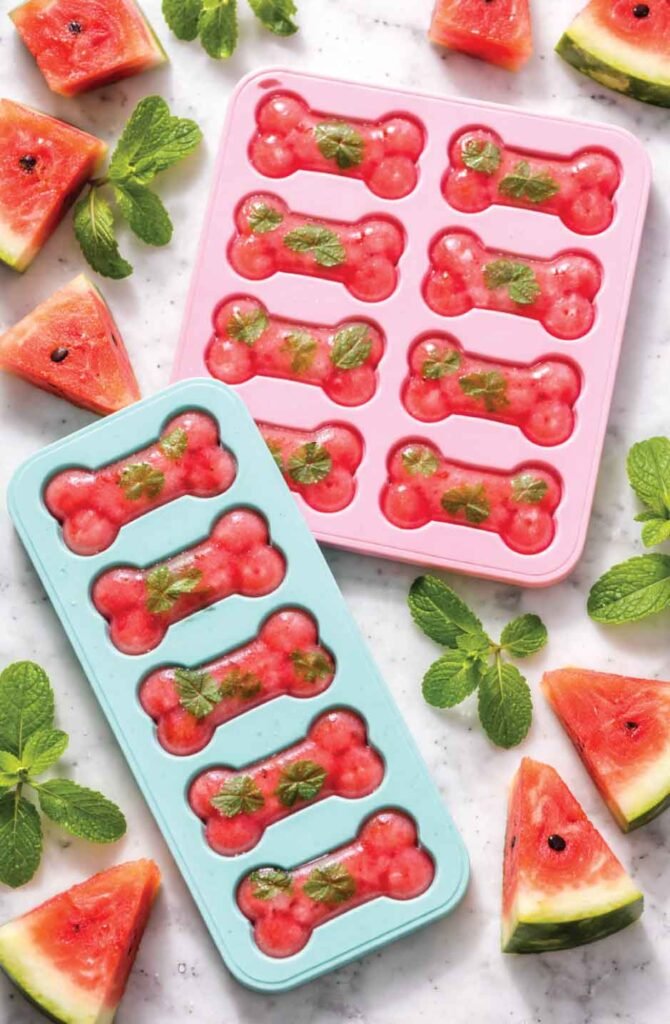
Watermelon is the ultimate summer fruit for dogs because it is roughly 92% water, making it a powerhouse for hydration. When temperatures soar, many dogs struggle to drink enough standing water, and these frozen cubes provide a refreshing moisture boost that supports kidney function and temperature regulation. Adding a tiny bit of fresh mint doesn’t just make the treat smell like a mojito; it also acts as a natural breath freshener and can help soothe minor digestive upsets.
How to prepare:
- Chop a fresh, seedless watermelon into small chunks, ensuring every single black seed and the tough green rind is completely removed.
- Place two cups of the chunks into a blender with 3–5 fresh mint leaves (do not use peppermint oil or extracts).
- Pulse until the mixture is a thin, slushy consistency without any large fruit lumps.
- Carefully pour the liquid into silicone molds and freeze for at least 4 hours until rock solid.
The Cooling Strategy:
- Monitor your dog’s breath and hydration levels by offering these specifically after outdoor play sessions when their mouth is driest.
- Avoid the temptation to include the rind, as it is extremely fibrous and can cause an emergency trip to the vet for an intestinal blockage.
The Protein Powerhouse: Peanut Butter and Banana Bites
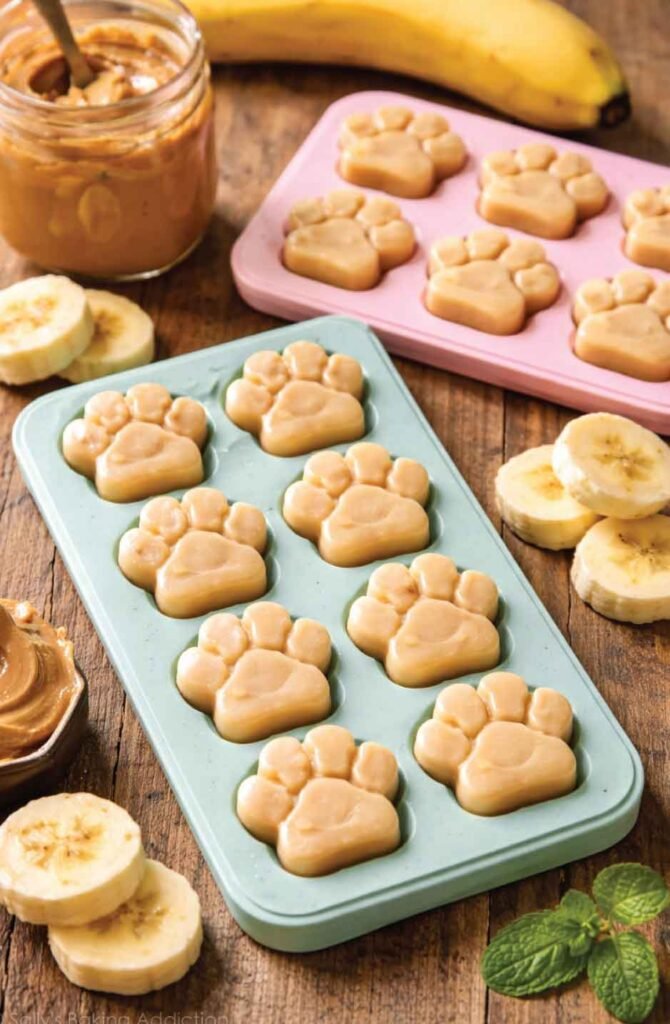
Bananas are a fantastic source of potassium, magnesium, and Vitamin B6, which support heart health and muscle function in active dogs. Combining the fiber of a ripe banana with the healthy fats of peanut butter creates a satiating treat that keeps your dog occupied while providing a steady energy release. This is the “gold standard” of DIY treats because most dogs find the aroma of peanut butter irresistible, making it a perfect high-value reward for summer training sessions. For more on how to fuel your dog correctly, check out our Dog Nutrition Guide.
How to prepare:
- Peel one overripe banana (the spottier, the better!) and mash it in a bowl until it reaches a smooth, pudding-like texture.
- Stir in two tablespoons of all-natural peanut butter and a splash of water or unsweetened oat milk to loosen the mixture.
- Whisk the ingredients together until they are fully incorporated and free of large banana clumps.
- Spoon the mixture into paw-shaped molds, tapping the tray on the counter to remove air bubbles before freezing.
The Safety Protocol:
- Check your peanut butter label for Xylitol (also listed as Birch Sugar), an artificial sweetener that is life-threateningly toxic to dogs.
- Limit these to one per day for smaller breeds, as the calorie density of peanut butter can contribute to rapid weight gain if not moderated.
The Gut-Health Special: Blueberry and Plain Greek Yogurt Pops
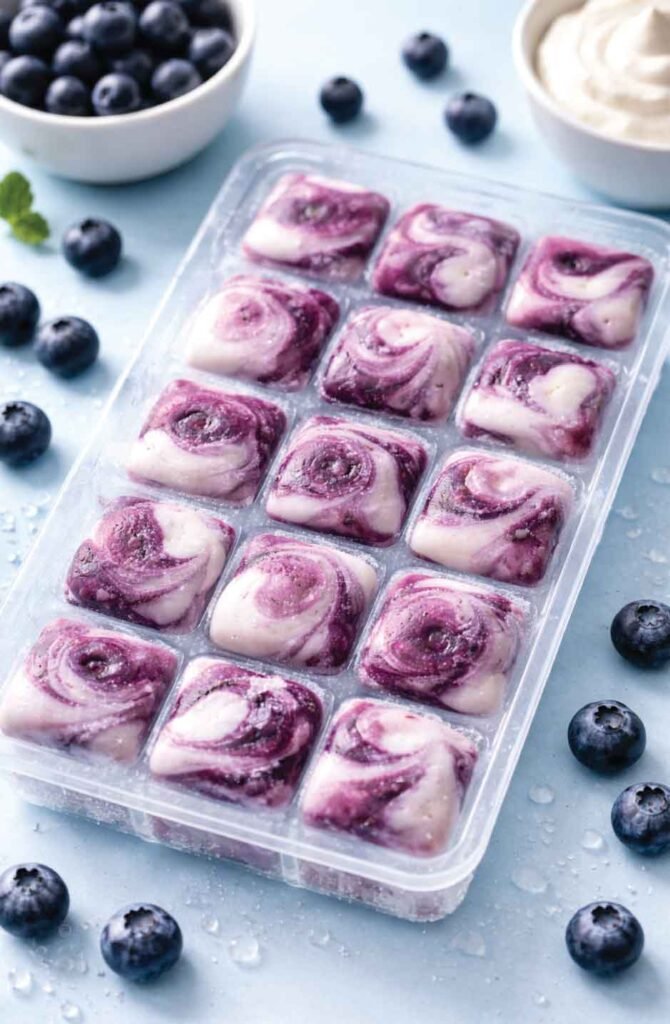
Blueberries are often cited by the American Kennel Club as one of the best superfoods for dogs due to their high antioxidant content, which helps fight oxidative stress. By pairing these berries with plain Greek yogurt, you are providing a natural source of probiotics that can help balance your dog’s gut flora and improve stool quality. This recipe is particularly useful for dogs with slightly sensitive stomachs who need a gentle, cooling snack that won’t cause a flare-up.
How to prepare:
- Rinse a handful of fresh blueberries and place 2–3 whole berries into the bottom of each slot in your silicone tray.
- Take a container of plain, unsweetened Greek yogurt and give it a quick stir to ensure it’s creamy.
- Spoon the yogurt over the berries until the mold is full, using the back of the spoon to smooth the surface.
- For a “marbled” look, use a toothpick to gently swirl the blueberries into the yogurt before popping the tray into the freezer.
The Digestive Check:
- Introduce these in small amounts first to ensure your dog isn’t part of the small percentage of canines that are lactose intolerant.
- Switch to a “dairy-free” version using unsweetened applesauce if you notice any gas or lethargy after your dog enjoys a yogurt-based treat.
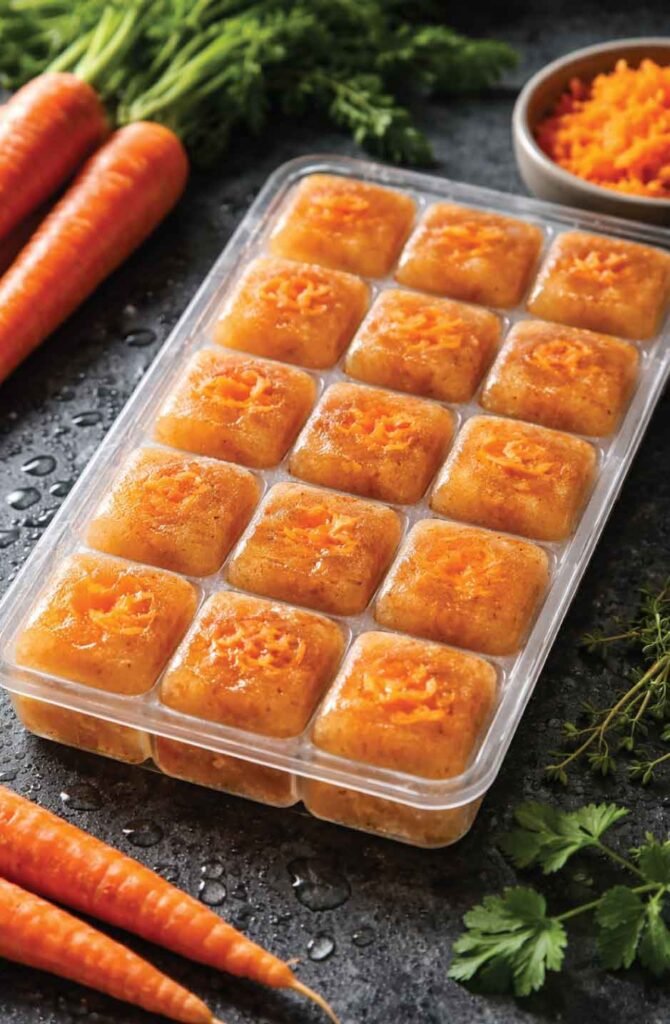
The Savory Crunch: Chicken Broth and Shredded Carrots
Not every dog has a sweet tooth, and savory frozen treats can be a welcome change of pace from fruit-heavy recipes. Low-sodium chicken broth provides essential electrolytes lost during panting, while shredded carrots offer a satisfying “crunch” and a healthy dose of Beta-Carotene for eye health. This treat is exceptionally low in calories, making it the best option for dogs watching their weight or those prone to pancreatitis. To understand more about managing your dog’s weight and overall wellness, see our Complete Pet Happiness Checklist.
How to prepare:
- Wash and peel one large carrot, then use a box grater to create fine shreds that are easy for your dog to digest.
- Distribute a pinch of shredded carrots into each section of an ice cube tray.
- Fill the rest of the tray with organic, low-sodium chicken broth that is strictly free of onions and garlic.
- Freeze until solid, then serve as a “savory popsicle” or drop a cube into their water bowl for a flavorful surprise.
The Ingredient Audit:
- Verify that your broth does not contain “natural flavorings” that hide onion or garlic powder, as these cause red blood cell damage in dogs.
- Opt for homemade “bone broth” (boiled chicken bones and water, strained perfectly) if you want to avoid the preservatives found in store-bought cartons.
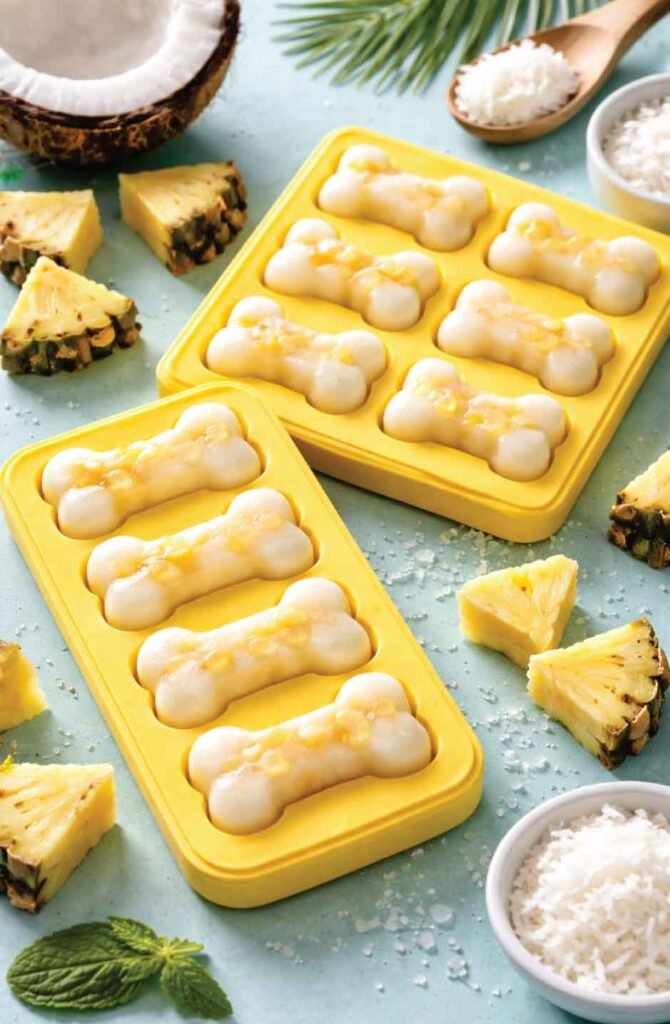
The Tropical Shine: Coconut Oil and Pineapple Cubes
Coconut oil is frequently praised by experts at PetMD for its ability to improve skin health and give the coat a noticeable shine. When mixed with frozen pineapple, which contains bromelain, an enzyme that aids in protein digestion, this treat becomes a functional snack that supports both the immune system and external coat quality. It’s a “beauty treat” that tastes like a vacation, making it a hit for pups who enjoy bold, tropical flavors.
How to prepare:
- Place two tablespoons of organic, virgin coconut oil in a microwave-safe bowl and heat for 20 seconds until it is completely liquid.
- Add half a cup of finely diced fresh pineapple (or canned pineapple chunks packed in 100% juice, not syrup) to a blender.
- Pour the liquid coconut oil over the pineapple and blend for 30 seconds until the mixture is bright yellow and frothy.
- Pour the liquid into molds and freeze immediately so the oil doesn’t separate from the fruit juice.
The Portion Balance:
- Be mindful that coconut oil is a pure fat; overfeeding can lead to loose stools or, in predisposed breeds, a risk of pancreatitis.
- Reserve these treats for “special occasion” cooling, rather than a daily snack, to maintain the best balance for your dog’s digestive system.
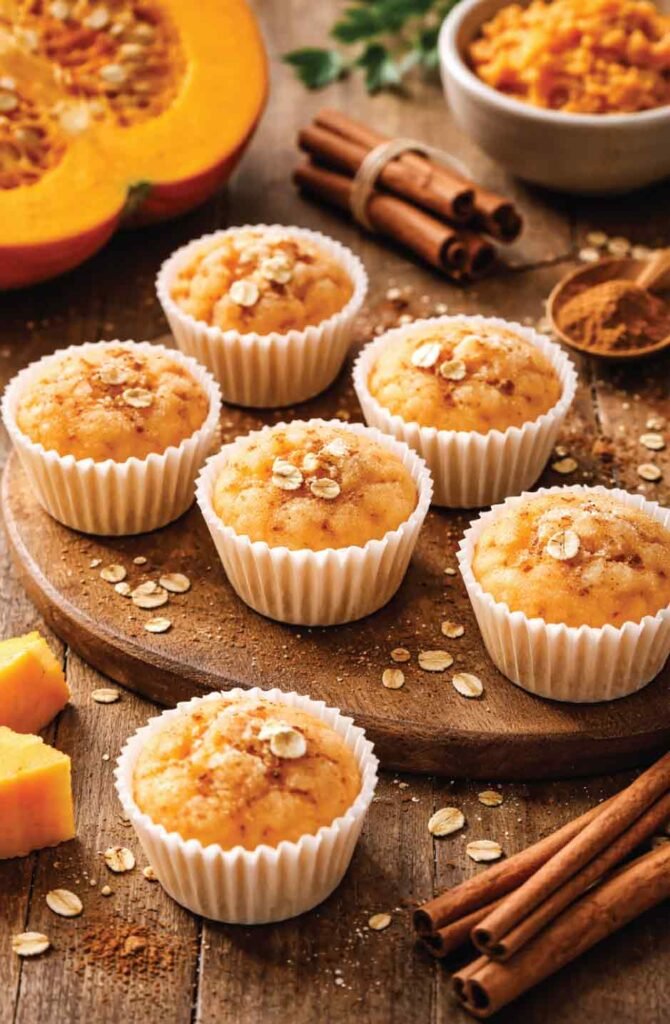
The Tummy Tamer: Pumpkin and Cinnamon Smoothies
Pureed pumpkin is a miracle worker for canine digestion, acting as a source of soluble fiber that can help with both constipation and diarrhea. Freezing pumpkin puree with a dash of cinnamon creates a soothing, anti-inflammatory treat that helps regulate blood sugar and keeps the digestive tract moving smoothly during the sluggish summer months. This is an excellent “evening treat” to help settle a pup’s stomach after a long day of play. If your dog is often restless or bored in the heat, this can also be part of a strategy to prevent dog boredom.
How to prepare:
- Open a can of 100% pure pumpkin puree (ensure the label does NOT say “Pumpkin Pie Filling”) and scoop it into a mixing bowl.
- Add a half-teaspoon of Ceylon cinnamon and a quarter-cup of water to help the mixture become pourable.
- Whisk vigorously until the cinnamon is evenly distributed and the pumpkin is no longer a thick paste.
- Spoon the “smoothie” mixture into molds or even small paper cups, freezing for at least 6 hours for a firm set.
The Label Watch:
- Always avoid “Pumpkin Pie Mix” because it contains nutmeg, which is toxic to dogs and can cause hallucinations or seizures.
- Use this treat specifically during transitions, like a change in diet or a stressful summer travel day, to keep your dog’s GI tract stable and calm.
The Secret Sauce: 3 Expert Hacks for Better Treats
Use Silicone Molds for “Mess-Free” Extraction
Standard plastic ice cube trays are a nightmare for DIY dog treats because the ingredients (especially peanut butter) tend to stick to the rigid plastic. Switching to food-grade silicone molds allows you to “pop” the treats out instantly without breaking them or having to run them under hot water, which melts the edges. Plus, you can find them in cute bone or paw shapes, which makes for much better Pinterest photos!
The “Kong” Stuffing Strategy
Instead of small cubes that your dog might gulp down in two seconds, try using these recipes to fill a hollow rubber toy like a Kong. Freezing the mixture inside a toy provides 20-30 minutes of mental stimulation, as the licking action releases endorphins that help calm an anxious or overheated dog. This turns a simple snack into a valuable enrichment activity that keeps them occupied while you’re busy. For more on the benefits of this soothing behavior, read about why dogs lick and how to manage it.
The “Slow-Thaw” Safety Check
If you have a “gulper”, a dog that swallows treats whole, large frozen cubes can pose a minor choking hazard or cause a “brain freeze” reaction. Always let the frozen treat sit at room temperature for two minutes before serving so the outer layer softens, making it easier for your dog’s teeth to break it apart safely. This small step prevents the treat from sticking to their tongue and ensures a more comfortable eating experience.
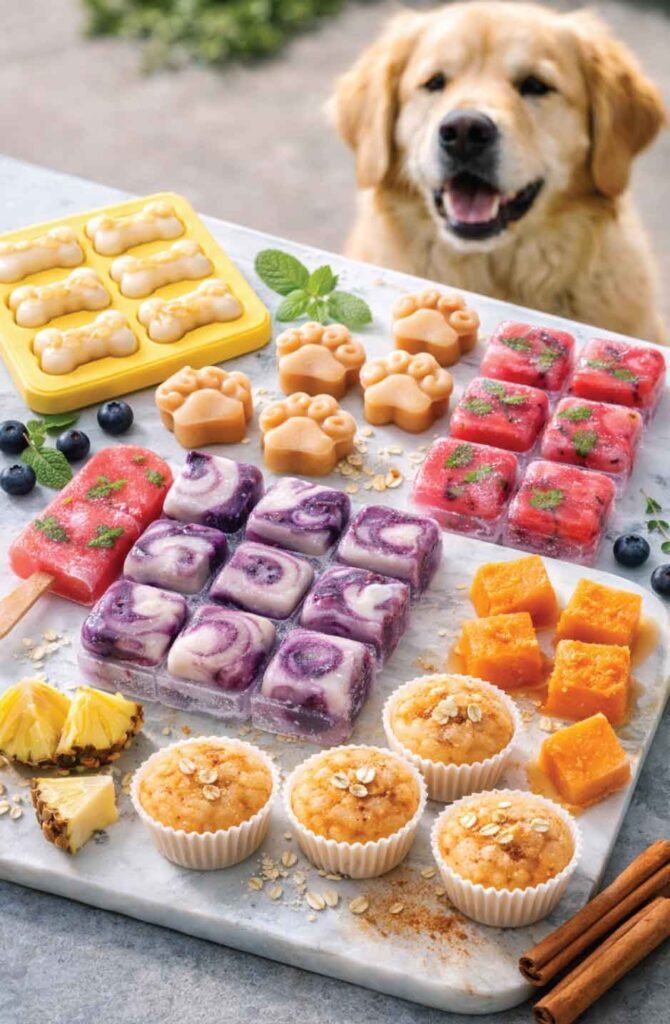
Frequently Asked Questions About DIY Frozen Dog Treats
Most homemade frozen snacks are best if consumed within 2–3 weeks. To prevent freezer burn and keep them from absorbing that "freezer smell," transfer the treats from their silicone molds into an airtight container or a heavy-duty freezer bag once they are fully solid.
Puppies can absolutely enjoy these, but you should introduce them slowly. A puppy’s digestive system is more sensitive than an adult dog’s, so start with a small piece to ensure the cold temperature or new ingredients (like yogurt) don't cause an upset stomach. Plus, frozen treats are a lifesaver for teething puppies!
Even healthy treats add up. Ensure that all treats, including these frozen ones, do not exceed 10% of your dog’s total daily caloric intake. If you’re giving a larger frozen treat for enrichment, consider slightly reducing their next meal to keep their weight in check.
If your dog gets gassy or has loose stools after dairy, swap the yogurt for unsweetened coconut milk or plain water. You can also use unsweetened applesauce (ensure it’s Xylitol-free) to provide a creamy consistency without the dairy-induced tummy ache.
Your dog might be experiencing a "brain freeze." If they suddenly stop, look confused, or paw at their face, it is a temporary sensation caused by the cold hitting the roof of their mouth. To prevent this, let the treat sit on the counter for two minutes to "take the edge off" the cold before serving.
While these treats are nutritious, they are not a balanced meal replacement. They lack the specific ratios of proteins, minerals, and vitamins found in high-quality dog food. Use them as a cooling supplement or a fun snack, but keep the kibble (or wet food) as the main event.
Prefer Audio? Listen Easy DIY Frozen Dog Treats for Summer
Conclusion
Keeping your dog cool this summer doesn’t require expensive store-bought gadgets or complicated recipes. By sticking to simple, whole-food ingredients like watermelon, pumpkin, and yogurt, you can provide high-quality hydration and nutrition that fits perfectly into your busy schedule. These six recipes are designed to be fast, functional, and budget-friendly.
Pin this for later!
If you enjoyed these cooling tips, you’ll definitely want to check out our guide on Natural Ways to Calm Dog Anxiety to keep your pup relaxed all season long.