
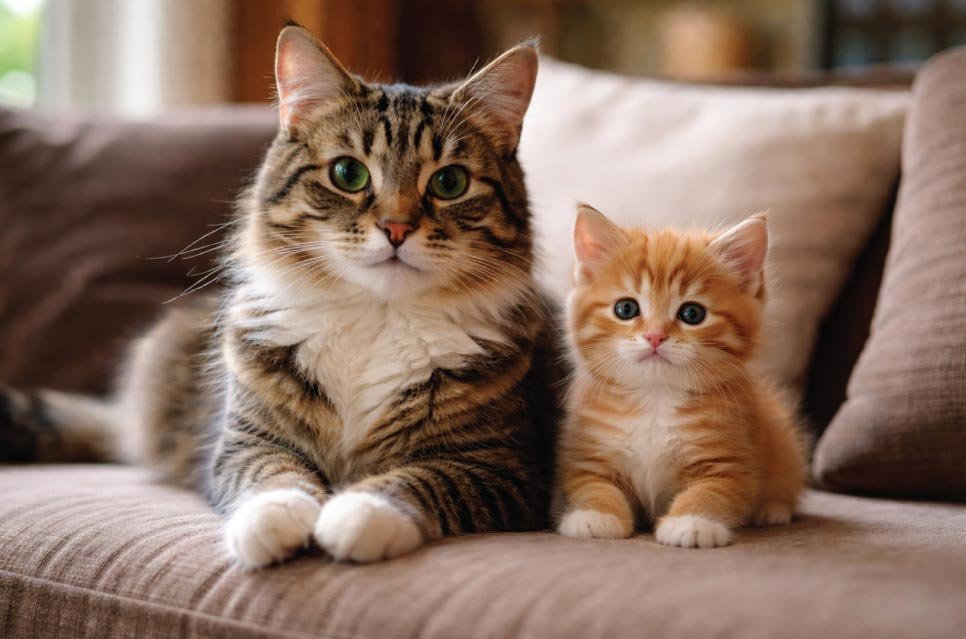
Quick Guide: Introducing a new kitten to a cat
- Isolate first: Keep the new kitten in a completely separate “sanctuary room” for at least the first few days to reduce immediate territorial stress.
- Swap scents before sight: Exchange bedding and toys so both felines learn each other’s smell long before they ever lock eyes.
- Use a physical barrier: Allow them to see each other through a cracked door or baby gate only while they are distracted by high-value treats.
- Keep first meetings short: Limit face-to-face interactions to 5-10 minutes, ending on a positive note before any tension builds.
Bringing a new kitten home is thrilling, but hearing your usually sweet resident cat hiss like a tiny dragon can send your anxiety through the roof. It is completely normal to feel overwhelmed when introducing a new kitten to an older cat. You desperately want them to be best friends, but rushing the process usually leads to stress, territorial battles, and hidden pee puddles around the house.
This guide skips the vague advice and gives you a step-by-step, behavior-backed timeline to introduce your cats peacefully. We are going to cover exactly how to set up their environment, read their body language, and avoid the most common mistakes pet parents make during this critical transition.
By following this slow-burn method, you will dramatically increase the chances of a lifelong feline friendship.
Establish a Secure “Basecamp” for the Kitten
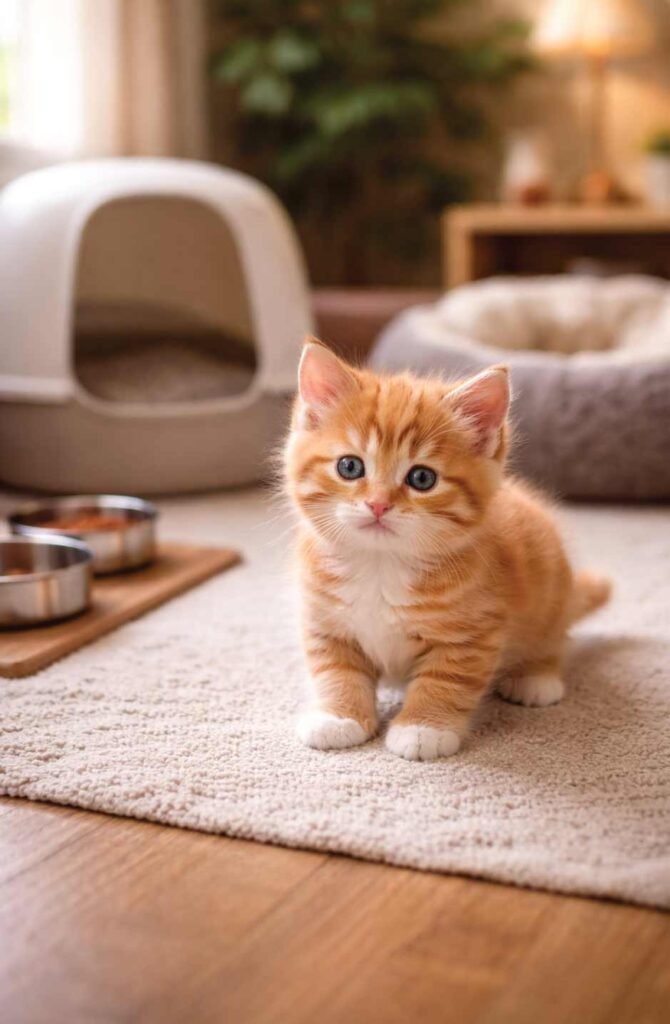
Introducing a kitten to the entire house on day one is a guaranteed recipe for territorial disaster. Cats are creatures of habit, and suddenly dropping a highly energetic intruder into your resident cat’s domain will instantly trigger their defensive instincts. In fact, experts at the Humane Society emphasize that abruptly forcing cats to share territory is a primary cause of long-term inter-cat aggression. Instead, your tiny new arrival needs a designated safe space, often called a sanctuary room or basecamp.
This closed-off area allows the kitten to decompress from the move while letting your older cat realize there is a presence in the house without feeling directly threatened. It is all about controlling the environment so neither cat feels cornered, overwhelmed, or forced to defend their favorite resting spots.
- Stock a spare room or large bathroom with all the kitten essentials: Make sure you have everything crossed off your First-Time Cat Adoption Checklist. Provide a dedicated litter box, food bowls, water, and a cozy hiding spot, ensuring the door remains firmly closed at all times.
- Lavish your resident cat with extra attention in their usual territories: Maintain their feeding schedules and favorite napping spots exactly as they were, reinforcing that their established lifestyle is not under attack.

Swap Scents Before Making Visual Contact
In the feline world, scent is a much stronger and more important communicator than sight. Before your cats ever lock eyes, they need to accept each other’s smell as a normal, non-threatening part of their environment. If a cat encounters a strange scent and a strange face at the exact same time, their brain immediately registers it as a danger.
By swapping items between the basecamp and the rest of the house, you create an “invisible handshake” that slowly desensitizes them to one another. This phase can take anywhere from a few days to over a week, depending entirely on how reactive and sensitive your older cat is.
- Exchange bedding, blankets, or soft toys daily between the kitten and the resident cat: Place the scented item near their food bowls so they naturally associate the new smell with a positive, rewarding experience.
- Use the “sock trick” to actively mingle their facial pheromones: Rub a clean, dry sock gently on the kitten’s cheeks, then leave it for the older cat to investigate, praising them quietly if they sniff it without hissing.
Build Positive Associations Through Mealtime
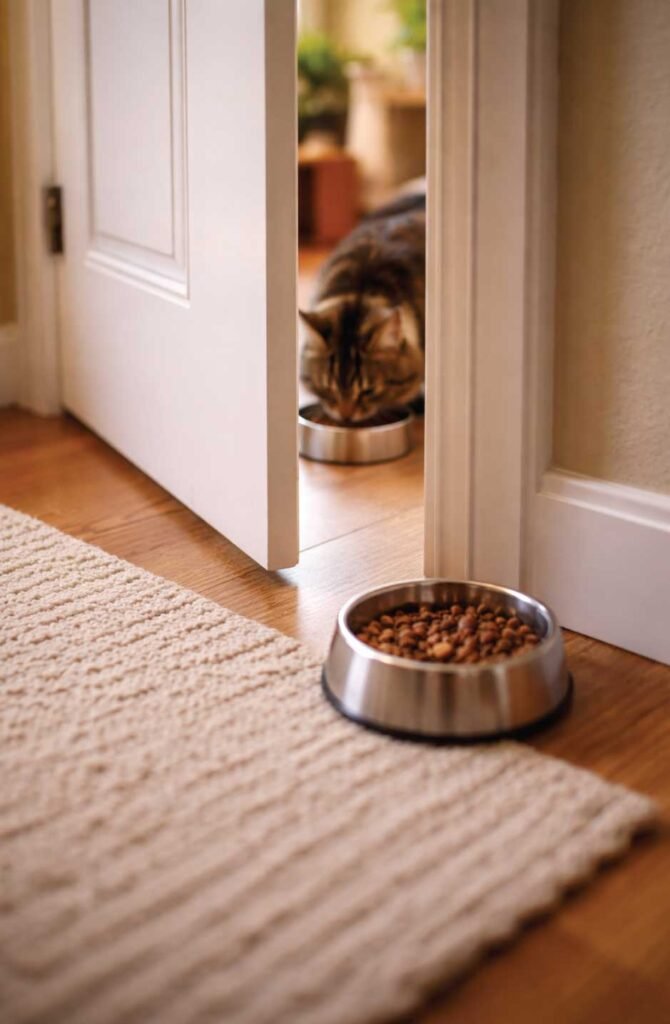
The ultimate goal of any cat introduction is to convince both felines that the other’s presence brings incredibly good things. Feeding your cats on opposite sides of a closed, solid door forces them to smell and hear each other while enjoying their favorite activity. Initially, you might need to place the bowls several feet away from the door if there is any growling or swatting under the crack.
As their comfort levels increase over a few days, gradually move the bowls closer until they are happily eating right up against the wood. This powerful psychological trick permanently links the scent of the “intruder” with the joy of high-value food.
- Use extremely tempting food specifically reserved for these door-feeding sessions: Offer wet food, lickable tube treats, or plain boiled chicken to ensure their motivation to eat overrides their anxiety about the other cat.
- Never force a cat to eat if they are acting fearful or aggressive: If your resident cat refuses to approach the door, calmly move the bowl back to a safe distance where they feel confident enough to finish their meal.
Introduce Sightlines Using a Safe Physical Barrier
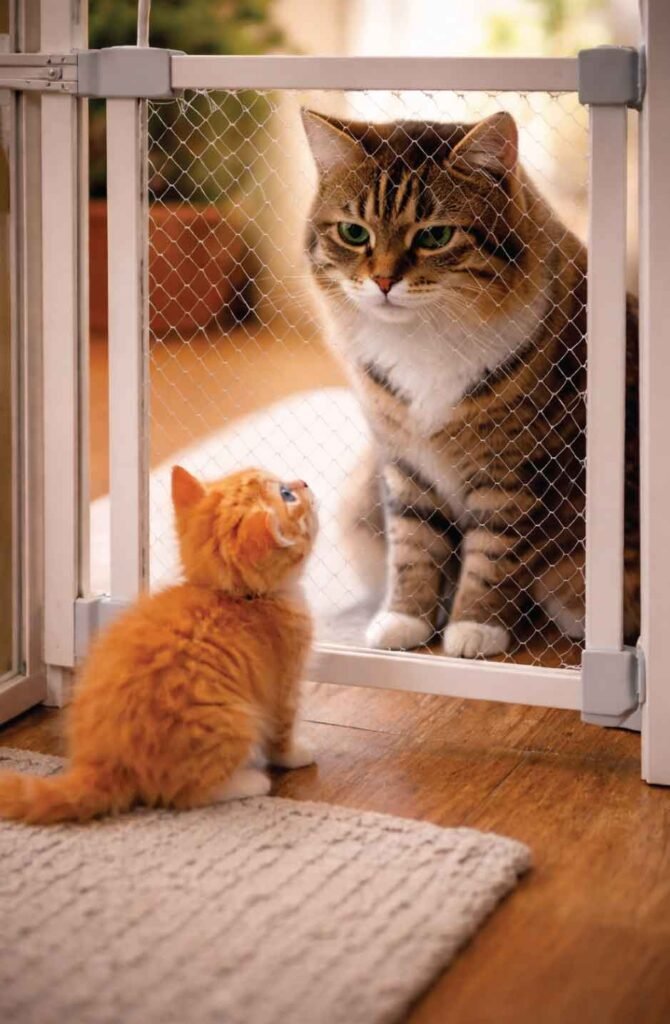
Once they are eating calmly by the closed door, it is finally time to let them actually see each other. Opening the door completely is too risky; instead, you must use a physical barrier like a tall baby gate or a slightly cracked door secured by a heavy doorstop. This crucial step satisfies their intense curiosity but prevents any physical lunging, sudden chases, or territorial ambushes.
You want them to observe each other in a controlled, highly rewarding setting where you act as the calm, confident mediator. Expect some staring, posturing, and even a mild hiss, but intervene immediately by breaking their line of sight if either cat fixates intensely or flattens their ears.
- Drape a blanket over a baby gate and slowly raise it during meal times: This allows you to completely control how much they see of each other, lowering the blanket instantly if the tension begins to escalate.
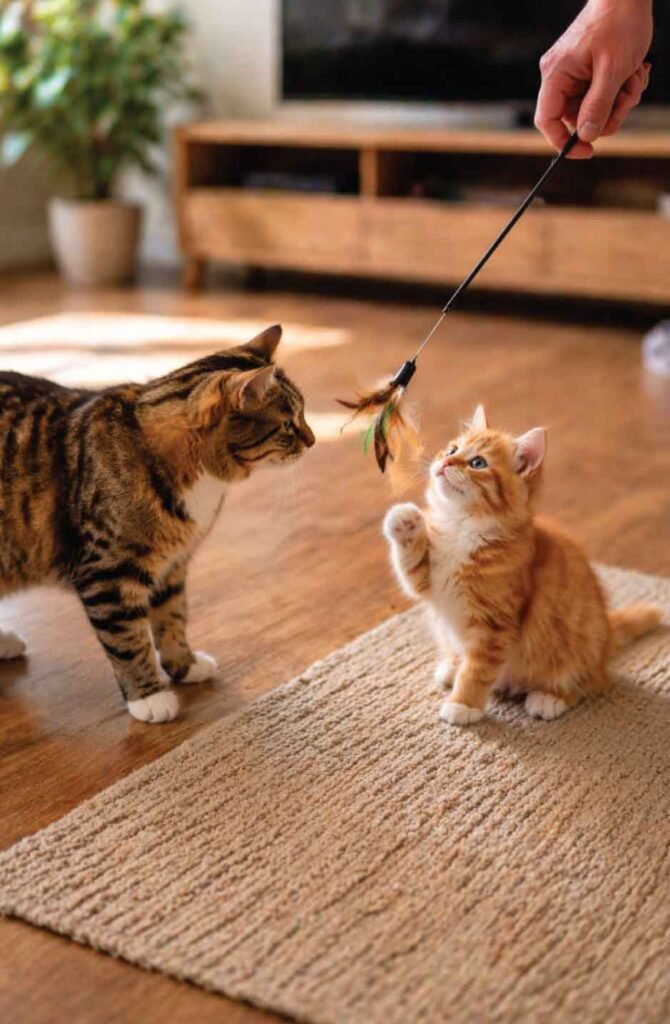
- Distract both cats with interactive play while they are in the same visual space: Use long wand toys (or try whipping up one of these Homemade Cat Toys) on both sides of the barrier to redirect their nervous energy into hunting the toy rather than staring each other down.
Orchestrate Brief Face-to-Face Interactions
When the barrier meetings become boring and completely relaxed, you can confidently remove the gate. The biggest mistake owners make here is letting the cats mingle for too long, inevitably leading to a fight as tolerance levels drop. Your first few face-to-face sessions should be extremely brief, think five to ten minutes maximum.
Always end the interaction on a high note while things are still peaceful, rather than waiting for one cat to lose their patience and lash out. Keep the atmosphere light, toss treats generously across the floor, and do not hover nervously, as cats easily absorb your anxious energy.
- Keep a large piece of cardboard or a thick couch pillow nearby to block their line of sight: If a scuffle breaks out, slide the barrier directly between them to break the tension without using your hands, which could easily get bitten.
- Allow the resident cat to establish boundaries with a warning hiss or swat: As long as there is no active hunting, cornering, or screaming, a simple hiss is just your older cat teaching the young kitten some necessary household manners.
Gradually Expand the Kitten’s Territory
A successful introduction isn’t just about preventing fights; it’s about sharing space comfortably and confidently. Once supervised meetings are going well, allow the kitten to explore the rest of the house while the older cat is resting or eating securely in another room. This allows the kitten to confidently map out their new home and spread their scent without feeling stalked or intimidated.
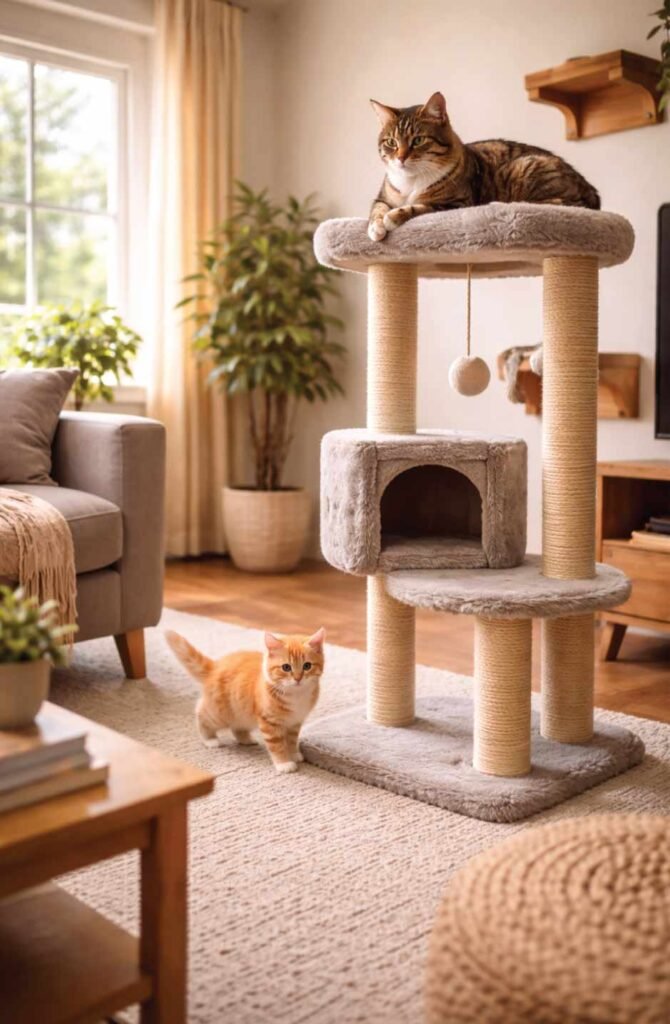
When they are finally free-roaming together, ensure your home has plenty of vertical space and multiple escape routes to prevent any territorial bottlenecking. Conflict often arises when cats feel trapped in a narrow hallway or are forced to share a single, heavily trafficked resource.
- Add extra scratching posts, tall cat trees, and accessible shelving to your main living areas: Vertical territory allows a nervous cat to observe the energetic kitten from a safe, elevated vantage point where they cannot be easily ambushed.
- Follow the strict “one plus one” rule for all critical feline resources: As detailed in our Basics of Caring for a Cat guide, you absolutely must have at least one litter box per cat, plus one extra, and ensure water bowls are separated widely to prevent resource guarding.
The Secret Sauce: 3 Expert Introduction Hacks
Even if you follow the steps perfectly, feline chemistry can be tricky and unpredictable. Here are three expert-level tips that most pet owners overlook during the introduction phase.
Invest in synthetic pheromone diffusers right away.
Plug a multi-cat calming diffuser into the rooms where the cats spend the most time. These diffusers mimic natural facial pheromones, which veterinary researchers at Cornell Feline Health Center note can significantly lower ambient stress levels and subtly reduce territorial hostility.
Do a complete, temporary room swap.
Before opening the barrier, briefly lock the older cat in the kitten’s basecamp and let the kitten explore the main house alone. This allows both cats to deeply investigate the other’s territory and litter box habits without the immediate pressure of a physical confrontation.
Never punish the hiss.
If your older cat hisses or growls during a meeting, do not yell at them, clap your hands, or spray them with water. Hissing is a natural, healthy way for cats to communicate “back off” and establish boundaries; punishing it will only make your resident cat associate the new kitten with negative consequences.
Prefer Audio? Listen Introducing a New Kitten to a Cat
Frequently Asked Questions About Introducing a new kitten to a cat
While individual personality is the biggest factor, many experts suggest that introducing a new kitten to a cat of the opposite sex often results in less immediate territorial competition. However, two males or two females can become best friends just as easily if the introduction is handled slowly. The key is ensuring both cats are spayed or neutered to remove hormonal aggression from the equation.
There is no "magic number," but most successful feline introductions take anywhere from two to four weeks. Rushing the process because "they seem fine" is the most common mistake owners make. It is much better to spend an extra week on scent swapping than to spend three months trying to repair the relationship after a physical fight.
If your older cat displays a sudden change in bathroom habits or appetite, this is a clear sign that the introduction is moving too fast and your cat is experiencing high levels of stress. Go back to the very first step, complete isolation. Re-establish your resident cat’s confidence by giving them 100% of your attention and keeping the kitten completely out of sight and smell for a few days.
Using a carrier can be a double-edged sword; while it provides a physical barrier, it can make the kitten feel trapped and vulnerable, which may trigger a fear response. If you choose to use a carrier, keep the session under three minutes and ensure the kitten has a blanket inside to hide under. A baby gate is generally preferred because it allows both cats the freedom to move away if they feel uncomfortable.
Understanding body language is vital: play usually involves silent bouncing, "bunny kicking," and alternating who is on top, while a real fight includes flattened ears, puffed-up fur, and vocal screaming. If the interaction is silent and both cats keep coming back for more, it’s likely play. If one cat is trying to hide or growling consistently, it’s time to intervene and separate them.
Actually, getting two kittens can sometimes be easier on a resident cat because the kittens will play with each other rather than constantly pestering the older cat. This prevents the "annoyed senior" dynamic where a high-energy kitten drives a calm adult cat crazy. However, this also means you have two new scents and two new personalities for your resident cat to adjust to simultaneously.
Wrapping Up Your Cat Introduction Plan
Bringing a new kitten into your home requires deep patience, a solid plan, and plenty of high-value treats. Remember that a slow introduction is the absolute best investment you can make for your cats’ long-term happiness and peace of mind. If things seem to regress or tension spikes, do not be afraid to take a step back and reinforce a closed door for a few more days.
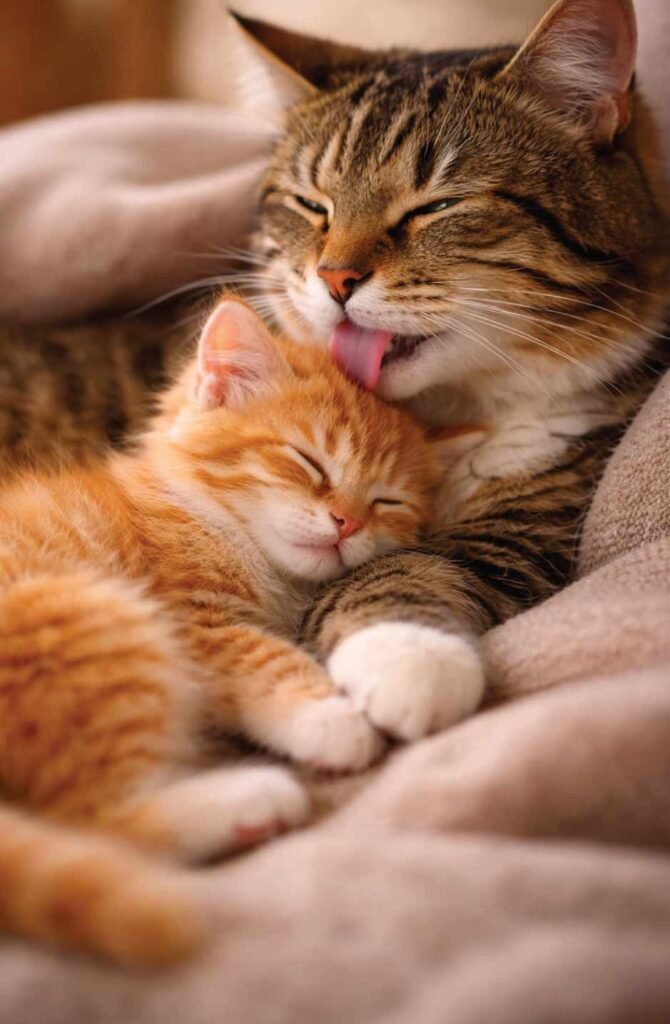
Consistency and positive reinforcement will eventually turn those tentative sniffs into cozy cuddle puddles.
Pin this for later!
Looking for more ways to keep the peace during this transition? Check out our guide on Cat Stress Relief: How to Keep Your Cat Calm at Home and During Travel to help your resident kitty adjust to their new sibling!