Quick Guide: How Long Does a Dog Remember You?
- Scent is everything: Dogs build a memory of you using their incredible sense of smell, tying your unique scent to feelings of love and safety.
- Faces matter too: A specific part of a dog’s brain is hardwired to recognize and remember human faces, especially their owners.
- Memories are emotional: Dogs remember you through positive associations like feeding, walking, and cuddling rather than a timeline of events.
- Lifelong recall: Science and countless heartwarming reunions show that dogs can remember their favorite humans for years, and likely for their entire lives.
Prefer watching instead of reading? Watch the full explanation below or continue reading for more details.
If you’ve ever had to leave your dog for a long vacation, a military deployment, or a major life change, you know that gut-wrenching worry: Will they still know me when I get back? It is completely natural to fear that the deep bond you’ve built might fade into a blurry memory once you are out of sight for a while.
Most pet advice online either gets bogged down in heavy science or just offers vague, fluffy reassurance that doesn’t actually answer your question. This post cuts through the noise to explain exactly how your dog files your identity away and why your place in their heart is practically permanent. We are going to look at the real, practical ways your dog remembers you, so you can stop stressing and start enjoying your bond.
Looking for helpful products to make daily dog care easier? Explore our recommended Dog Essentials.
How Dogs “Save” You in Their Memory Bank
Your Unique “Scent Signature” is Unforgettable
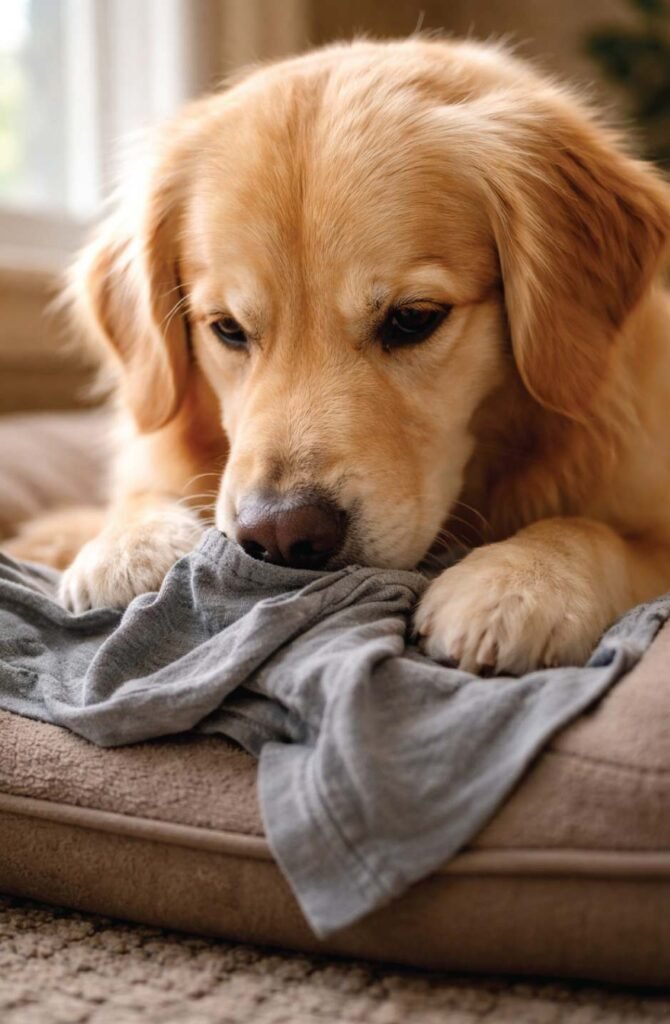
While humans rely mostly on what we see, your dog experiences you primarily through their nose. A dog’s sense of smell is tens of thousands of times more sensitive than ours, allowing them to memorize your unique blend of scent long after you’ve left. According to experts at the American Kennel Club (AKC), this scent record is incredibly detailed and permanently linked in their brain to feelings of safety, comfort, and love.
- The Takeaway: If you have to be away from home, leave an unwashed t-shirt or pillowcase in your dog’s bed. Having your residual scent nearby actively triggers a positive, comforting response in their brain, which is one of the most effective natural ways to calm dog anxiety while you are gone.
They Have a Special Brain Area Just for Your Face
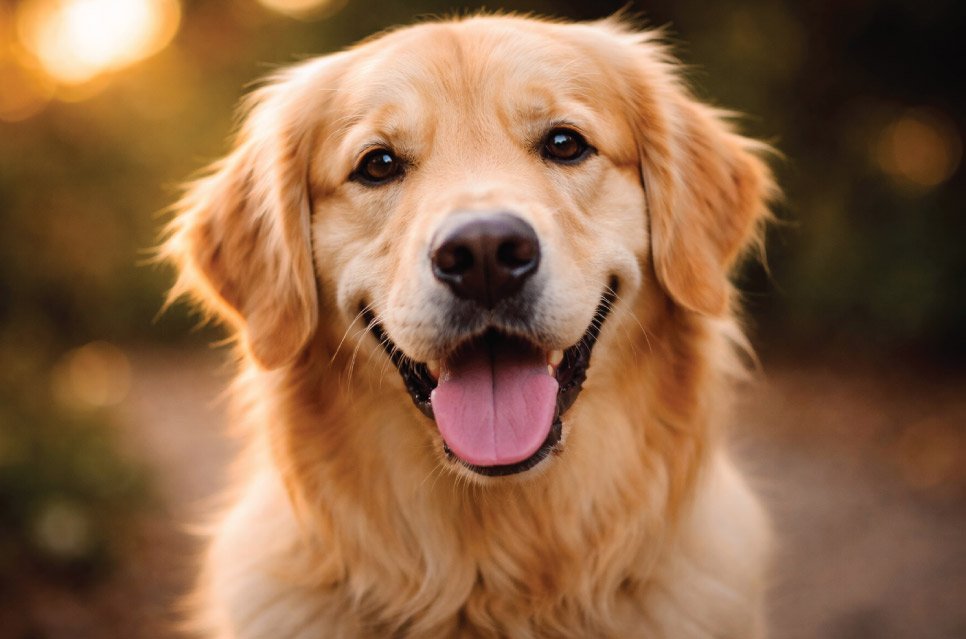
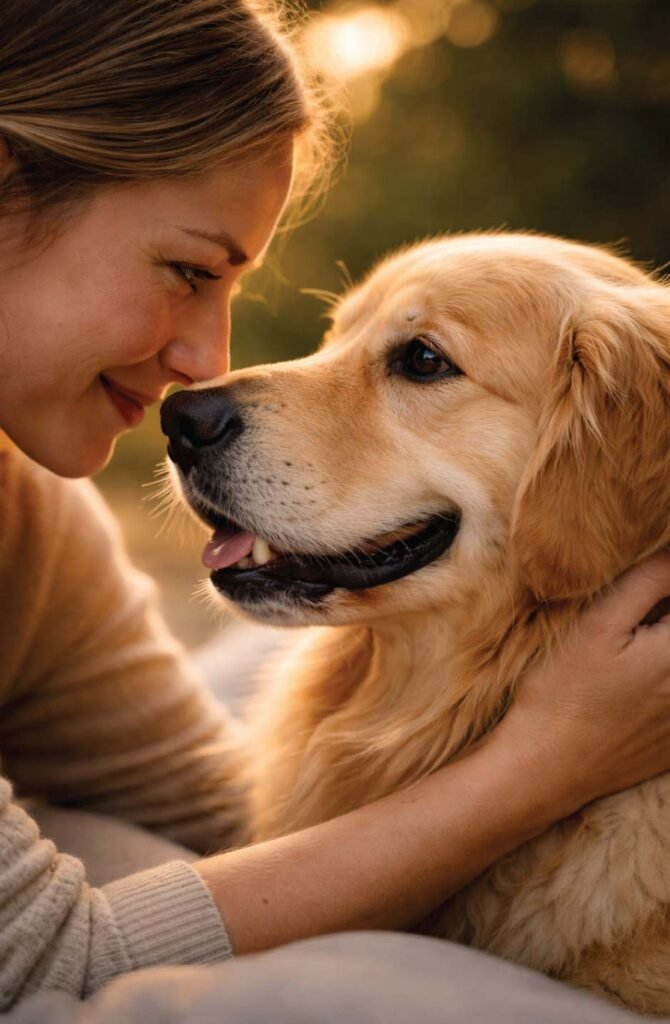
You might assume your dog just recognizes your general shape, but they are actually hard-wired to study your facial features. Scientists have discovered a specific area in the dog’s brain that is dedicated entirely to processing and remembering human faces. This means their ability to pick you out of a crowd is a natural biological trait, and they can easily spot you from a distance before you even say a word.
- The Takeaway: Make a habit of getting down on their level and making eye contact during your daily routines. Sharing this gentle gaze releases a “love hormone” called oxytocin in both of you, which physically stamps your face into their long-term memory.
Associative Memory: You Are the “Good Stuff”
Dogs do not remember the past like a movie timeline; instead, they rely on something called associative memory. They store your identity as a collection of their favorite things, your sneakers mean walks, your voice means dinner, and your lap means comfort. Because you are the source of their absolute best days, you become a high-priority memory that they will not let go of.
- The Takeaway: Focus on the quality of the time you spend together, rather than just the quantity. Short, highly engaging play sessions or consistent bedtime routines create the strong emotional anchors your dog needs for lifelong recall.
The Permanent Record of Voice and Tone
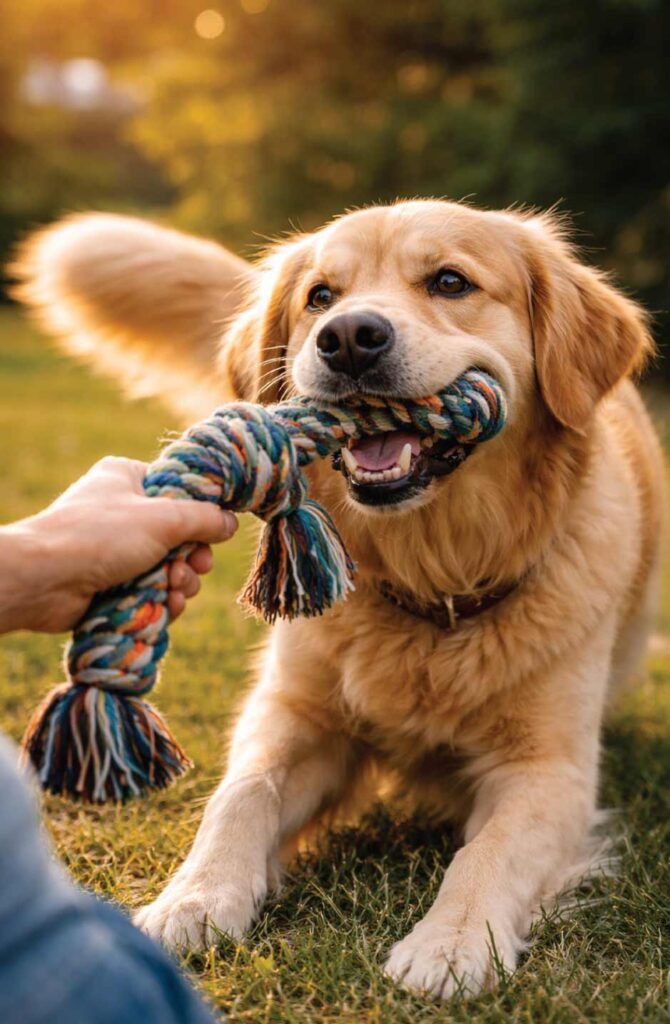
Your dog isn’t just listening to the specific words you say; they are memorizing the unique music of your voice. Dogs are experts at remembering the specific pitch, rhythm, and tone of their owner, keeping it filed away in their minds for years. In fact, studies have shown dogs responding perfectly to commands from a former owner after a decade of separation just by hearing their tone.
- The Takeaway: Talk to your dog often, use a happy tone, and stick to consistent nicknames. These distinct vocal habits stay accessible in your dog’s long-term memory much longer than a generic command.
They Remember How You Treat Them
Believe it or not, your dog has a solid opinion of you based on your social track record together. Dogs possess high social intelligence and are much more likely to eagerly remember people who are consistently kind, helpful, and predictable. They remember not just who you are, but how safe you make them feel.
- The Takeaway: Strive to be the calm, predictable leader your dog expects in the house. Setting clear routines and offering fair, consistent rewards ensures you are a “safe” memory your dog will always want to revisit.
Managing the Impact of Aging
As your dog enters their senior years, you might panic if they suddenly seem less responsive or forgetful. Often, what looks like memory loss is actually just a normal decline in their hearing or vision, meaning the memory of you is perfectly intact even if they don’t hear you walk in. However, as noted by veterinary experts at VCA Animal Hospitals, Canine Cognitive Dysfunction (doggy dementia) is a real condition that can physically impact memory, making early brain support crucial.
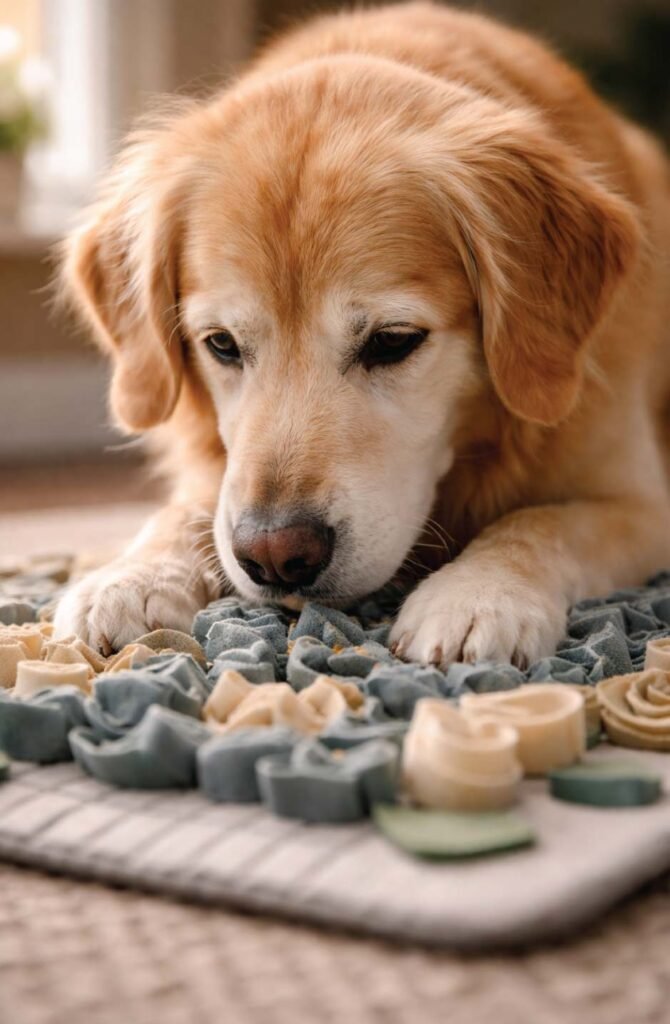
- The Takeaway: Keep your senior dog’s mind sharp and active to protect their cognitive health. You can easily prevent dog boredom and stimulate their brain by introducing daily puzzle toys, snuffle mats, and new, gentle training tricks.
The Secret Sauce: 3 Expert Tips for a Sharper Pup
The “Eavesdropping” Hack
You do not always have to be talking directly to your dog for them to learn from you. Dogs frequently learn new words and names just by eavesdropping on you while you talk to other humans in the house. Narrate your day out loud and use the specific names of their toys or family members; they are constantly listening in the background and building their mental vocabulary.
The Wet-Nose Advantage
There is a very functional reason why a healthy dog’s nose is usually wet to the touch. A damp nose captures tiny scent particles from the air much more efficiently, helping your dog build a stronger, clearer memory of who you are. Always ensure your dog has access to fresh water so their built-in scent-catcher can work at full capacity.
The “Super Sniffer” Secret
If you ever see your dog curling their lip or flaring their nostrils while smelling something, they are using a specialized secondary scent organ. This “super sniffer” allows them to detect invisible chemical pheromones, giving them a much deeper, permanent memory of you than a simple glance ever could. Let your dog take their time sniffing your shoes or “outside clothes” when you get home so they can read your full daily story!
Frequently Asked Questions About How long does a dog remember you?
Yes, dogs can remember a previous owner for many years, but that doesn't mean they can't form a deep, secondary bond with someone new. While they may perk up at the scent or voice of a past owner, dogs are remarkably resilient and can fully commit to a new "pack leader" while keeping the old memory filed away. This is why rescue dogs can transition from a difficult past to a loving new home so successfully.
Studies suggest that puppies can recognize the scent of their mother and littermates for about two years after being separated, provided they stayed together for the first eight weeks of life. After that two-year mark, the memory may begin to fade unless they have occasional "reunion" visits to refresh those early scent markers. If your dog meets a sibling years later, they might seem unusually "familiar" with each other even if they don't consciously "know" they are related.
Dogs don't have a concept of "minutes" or "hours," but they do use biological rhythms and environmental cues to track how long you’ve been gone. Research has shown that dogs show much more intense greeting behavior after two hours of separation than after thirty minutes, proving they are aware of the length of your absence. They essentially measure time by how much your scent has faded from the air since the moment you closed the door.
You could shave your head, grow a beard, or wear a bulky costume, and your dog will likely still know it’s you within seconds. Because dogs use a "multisensory" approach to identification, your unique scent and the specific way you move (your "biological gait") act as a backup for your face. Even if they are momentarily confused by a big hat or a mask, one quick sniff is usually enough to clear up the mystery.
Dogs don't hold "grudges" in the human sense of plotting revenge, but they do have a very strong memory for negative associations as a survival mechanism. If a person was unkind to them, the dog's brain flags that person’s scent and voice as a "threat," which can lead to fear or avoidance even years later. This isn't about being "mean", it’s simply the dog’s way of keeping themselves safe from a perceived danger.
While their long-term emotional memory lasts for years, a dog’s "working" or short-term memory is surprisingly short, often lasting only about two minutes. This is why catching your dog "in the act" of chewing a shoe is the only way to effectively train them; if you find the mess twenty minutes later, they won't remember the specific act of chewing it. To them, the event is gone, even though the person who walked through the door (you!) is a permanent part of their long-term memory.
Prefer Audio? Listen to How Long Does a Dog Remember You?
Your Dog Will Never Forget You
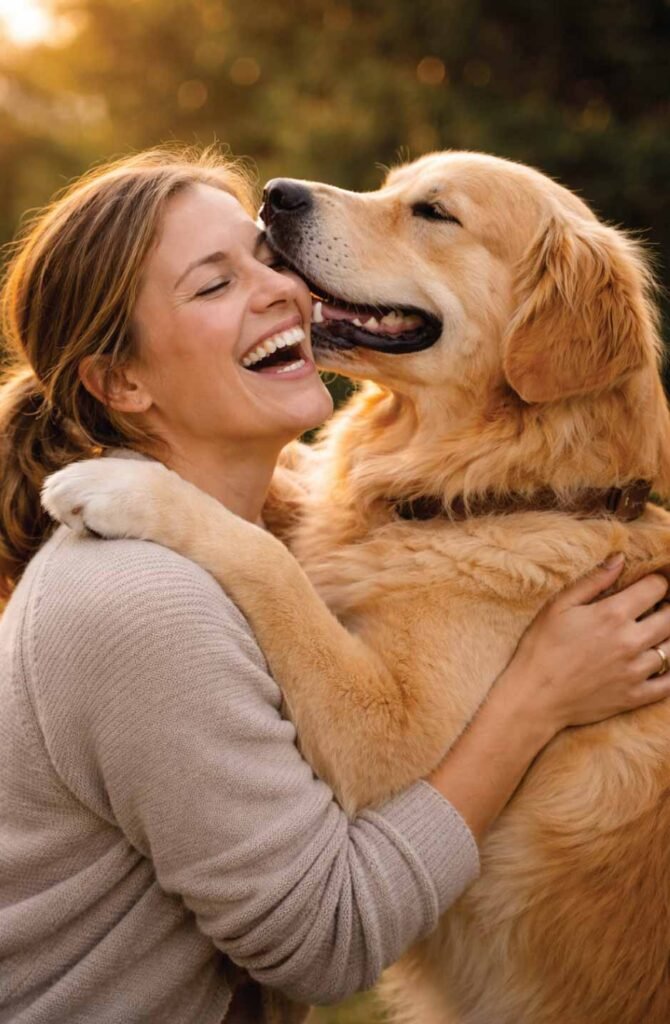
The bottom line is incredibly reassuring: your dog is biologically built to remember you. Through a powerful combination of unique scents, facial recognition, and deeply rooted emotional bonds, your identity is permanently encoded in their brain. Whether you are gone for two weeks or two years, the moment they catch your scent or hear your voice, that feeling of home will come rushing right back. Pin this for later!
Next Up: Want to ensure you are doing everything possible to keep your furry best friend healthy, engaged, and thriving? Check out our Complete Pet Happiness Checklist to make sure you are hitting all the essentials for a joyful dog!