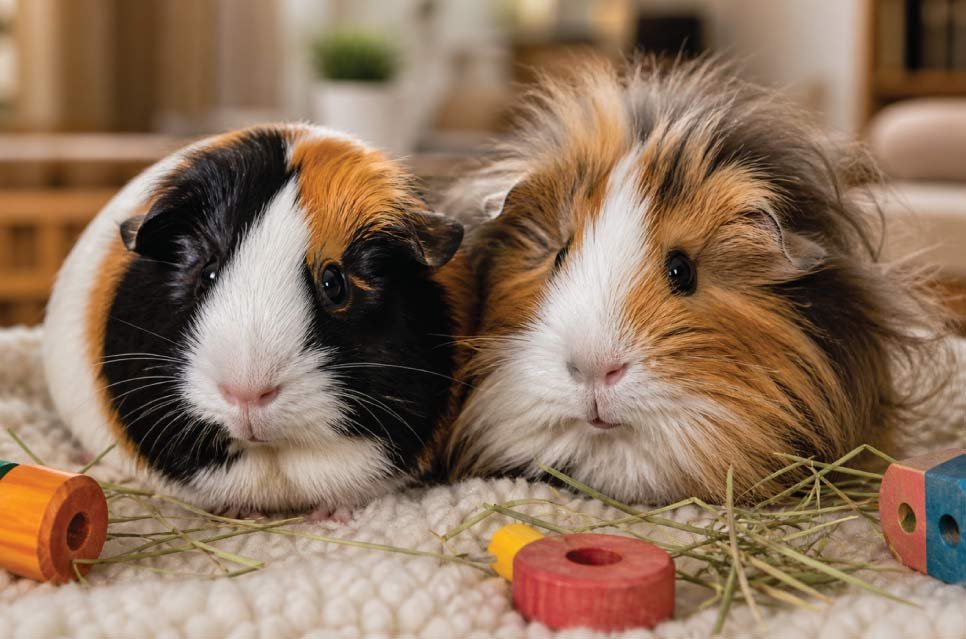
Quick Guide: Pros and Cons of Having Guinea Pigs as Pets
• Pro: Long-Term Bonding: Unlike hamsters, Guinea Pigs live 5–8 years and develop distinct, dog-like personalities that recognize their owners.
• Con: Spatial Demands: They are not “cage pets”; they require a minimum of 7.5 to 10 square feet of flat floor space to remain healthy.
• Pro: Day-Shift Darlings: Guinea Pigs are diurnal, meaning they are active when you are, making them much better companions than nocturnal rodents.
• Con: Specialized Care: From “exotic” vet bills to a strict Vitamin C diet, their maintenance costs often exceed those of a small dog.
Prefer watching instead of reading? Watch the full explanation below or continue reading for more details.
Moving Beyond the “Starter Pet” Myth
You’ve likely seen the Pinterest-perfect photos of a “potato with legs” wearing a tiny hat and thought, I need one. But before you rush to the local rescue, let’s clear the air: guinea pigs are often marketed as “easy starter pets” for children, yet they require more specialized care than most people realize. Owning a guinea pig is a rewarding, multi-year commitment that involves managing a complex diet, specific social needs, and a surprising amount of floor space.
If you are tired of vague advice that glosses over the “stinky” parts or the steep vet bills, you are in the right place. This guide goes straight into the reality of “piggy” parenthood, helping you decide if these vocal little rodents actually fit your lifestyle or if they’ll leave you overwhelmed and out of pocket. Our goal in Petsweetjoy, is to ensure you know exactly what you’re getting into, from the joy of the “popcorn” jump to the reality of the endless hay piles so you can make an informed choice for your home.
The Pros: Why Guinea Pigs Are Exceptional Companions
Distinct Personalities and Deep Emotional Bonds
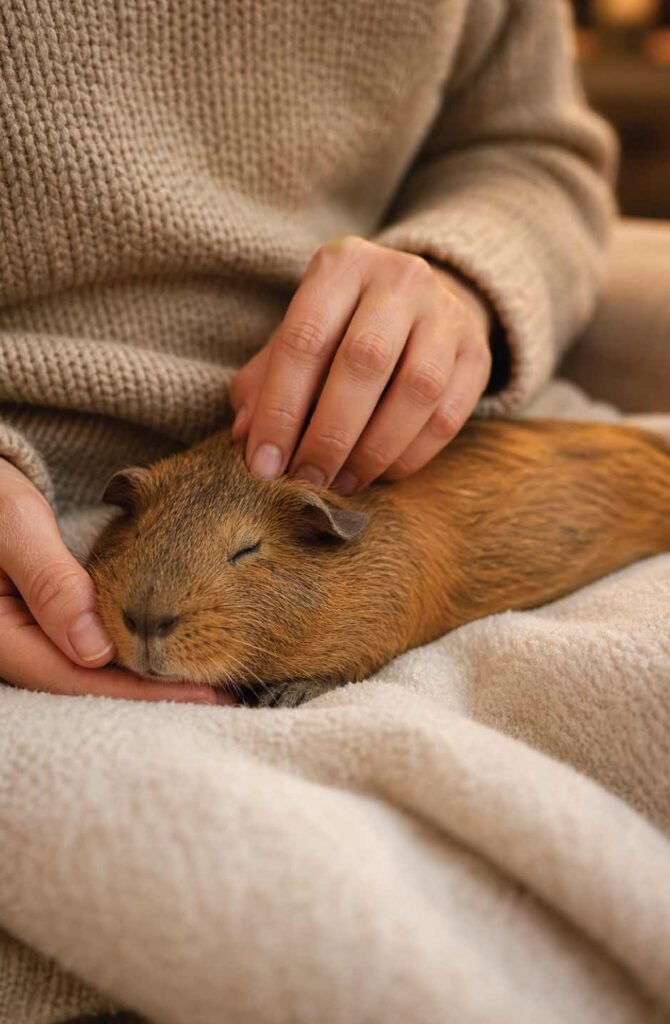
Unlike many smaller rodents that can be flighty or indifferent to human presence, guinea pigs are remarkably social and expressive. They don’t just sit in a cage; they learn your routine, recognize the sound of your footsteps, and will often greet you with an enthusiastic “wheek” when they hear the refrigerator door.
- The primary benefit of owning a guinea pig is the genuine emotional connection you develop with a pet that has a distinct, often hilarious personality.
Some pigs are “cuddle bugs” who will pancake out on your lap for hours, while others are adventurous explorers who love navigating cardboard mazes. Because they are prey animals, they can be skittish at first, but with patience, they become incredibly trusting.
- You should spend at least 30 minutes of “lap time” daily, using high-value treats like sprigs of parsley to associate your presence with positive rewards. If your new friend seems shy, learning how to tame a scared small pet using gentle desensitization techniques will help transition them from a “scary giant” to a trusted member of their herd.
They Share Your Schedule (Diurnal Rhythms)
One of the most frustrating aspects of owning hamsters or chinchillas is that they are most active when you are trying to sleep. Guinea pigs, however, are diurnal (or more accurately, crepuscular with long periods of daytime activity), meaning they are awake and ready to play during the day.
- Having a pet that is active during your waking hours makes them significantly more engaging for families and individuals who want a companion for their daily life.
This alignment with human schedules makes them excellent “desk buddies” for those who work from home. You can keep their enclosure nearby and watch their antics throughout the workday without feeling like you’re disturbing a sleeping animal.
- To maximize this benefit, place their cage in a high-traffic area like a living room or home office so they feel included in the family’s daily rhythm and get plenty of visual stimulation. Unlike many other small mammals, they won’t keep you awake with a squeaky wheel at 3:00 AM.
Wear Your Piggy Love on Your Sleeve! 🐹 Check out our vintage small pet collection:
- Small Pet T-Shirts
Guinea Pig T-Shirt | Vintage Guinea Pig Graphic Tee | Round Loud Small Pet Lover Gift
$ 29,99 – $ 33,99Price range: $ 29,99 through $ 33,99 Select options This product has multiple variants. The options may be chosen on the product page - Small Pet T-Shirts
Holland Lop T-Shirt | Vintage Rabbit Graphic Tee | Soft Curious Bunny Lover Gift
$ 29,99 – $ 33,99Price range: $ 29,99 through $ 33,99 Select options This product has multiple variants. The options may be chosen on the product page

Longevity for a Small Mammal
Many people are heartbroken when a pet hamster passes away after only two years, just as the bond has truly solidified. Guinea pigs, however, typically live between 5 and 8 years with proper care, providing a much longer window for companionship.
- The longer lifespan of a guinea pig allows for a more stable and fulfilling relationship, making the initial investment in their setup feel far more worthwhile.
Because they are around for a significant chapter of your life, they become true members of the household rather than fleeting “classroom pets.” To ensure your pig hits that 8-year mark, you must prioritize preventative care and a stress-free environment from the very beginning.
- Choosing a guinea pig means you are signing up for a long-term friendship, so you should be prepared for a commitment that may last from your child’s elementary years all the way through middle school. According to the Humane Society of the United States, this longevity is one of the key reasons they are considered superior family pets compared to shorter-lived rodents.
The Cons: The Hidden Challenges of Piggy Parenthood
The Massive Footprint Requirement
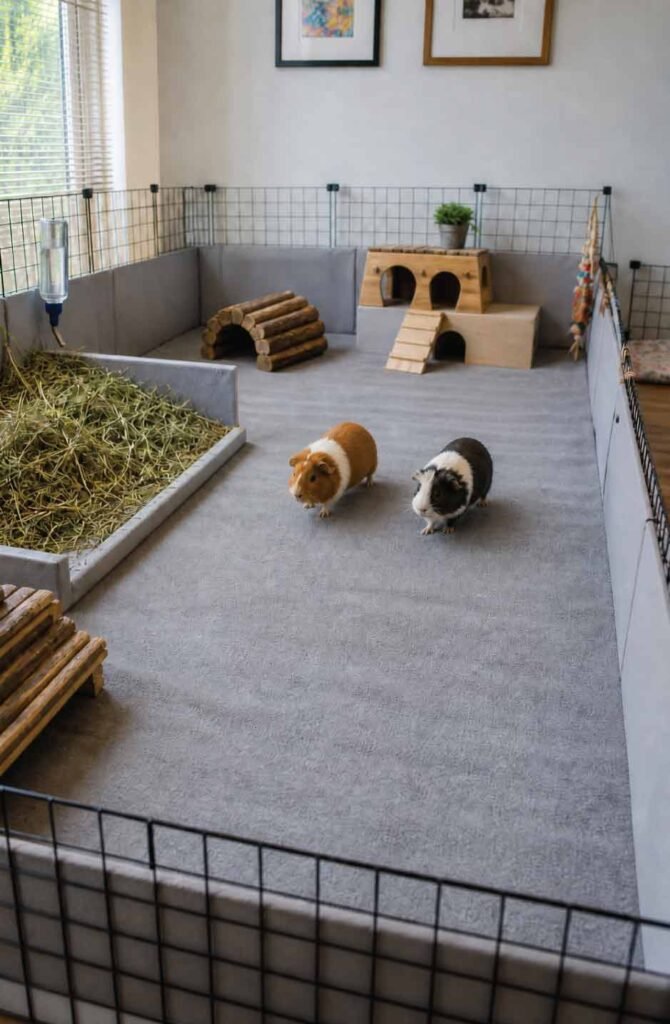
The biggest mistake new owners make is buying a “standard” cage from a big-box pet store; these are almost always too small and lead to sedentary, depressed animals. Guinea pigs do not climb and they cannot use exercise wheels (which are dangerous for their spines), so they need large, flat areas to run and “popcorn” (a joyful little jump).
- A pair of guinea pigs requires a minimum of 7.5 to 10 square feet of open floor space, which can be a significant hurdle for those living in small apartments.
- If they are confined to a small space, they will likely become aggressive toward their cage mates or develop painful foot infections like Bumblefoot. To solve this without breaking the bank, you can explore unique guinea pig cage ideas such as C&C (Cubes and Coroplast) setups, which offer the necessary square footage at a fraction of the cost of commercial cages.
- Before bringing your pigs home, measure your intended space to ensure you can accommodate an enclosure that is at least 2 feet wide by 4 or 5 feet long, as horizontal space is non-negotiable for their health.
The Constant “Poop Machine” Reality
Guinea pigs have an incredibly fast metabolism, which means they eat and defecate almost constantly. If you aren’t prepared for the sheer volume of waste, the smell and mess can quickly become overwhelming.
- Keeping a guinea pig enclosure clean requires a level of daily commitment that matches or exceeds that of cleaning a cat’s litter box.
- Many owners find that traditional wood shavings are messy, dusty, and expensive to replace constantly. To manage the mess more efficiently, you should switch to custom-fit fleece liners that can be swept daily and laundered weekly. If you find that the environment still feels a bit ripe, implementing simple ways to stop small pet cage odors like adding air purifiers or using vinegar-based cleaners can make a world of difference.
- You should also implement a “kitchen area” where their hay and water are kept to concentrate 70% of the waste in one removable tray, making your daily spot-cleaning significantly faster.
Specialized (and Expensive) Medical Care
Guinea pigs are classified as “exotics” by veterinary professionals, meaning you cannot take them to a standard cat-and-dog vet. Their biology is unique; for example, they cannot synthesize their own Vitamin C, and their teeth never stop growing, which can lead to “malocclusion” if they aren’t provided with enough hay.
- Medical emergencies for guinea pigs can be frequent and expensive, often costing hundreds of dollars for a single visit to a specialist.
- Because they are prey animals, they hide illness until it is almost too late, making regular health checks at home a necessity. You should set aside a dedicated emergency fund specifically for “exotic” vet visits to avoid being caught off guard by a sudden respiratory infection or digestive issue.
- Finding a qualified exotic vet in your area before you adopt is the most important step in being a responsible owner, as standard vets often lack the training to treat “cavies.” For a deep dive into specific conditions like scurvy, resources like GuineaLynx provide invaluable clinical data for owners.
The Noise and “Alarm Clock” Factor
While their vocalizations are a “pro” for some, the noise level can be a “con” for others, especially those who value a quiet home. Guinea pigs are loud, and they will quickly learn to associate the crinkle of a bag or the opening of a fridge with food.
- If you are a light sleeper or have a home office where you need total silence for calls, the piercing “wheek” of a hungry guinea pig can be a major disruption.
- Their vocal nature means they are not “discreet” pets that can be tucked away in a corner and forgotten. To live harmoniously with their noise, you should establish a strict feeding schedule to minimize “begging” behaviors outside of meal times.
- Understand that a guinea pig is a vocal participant in your household, and their whistles, purrs, and “rumblestrutts” will become a permanent, audible soundtrack to your daily life.
The Secret Sauce: 3 Expert Tips for Pro-Level Care
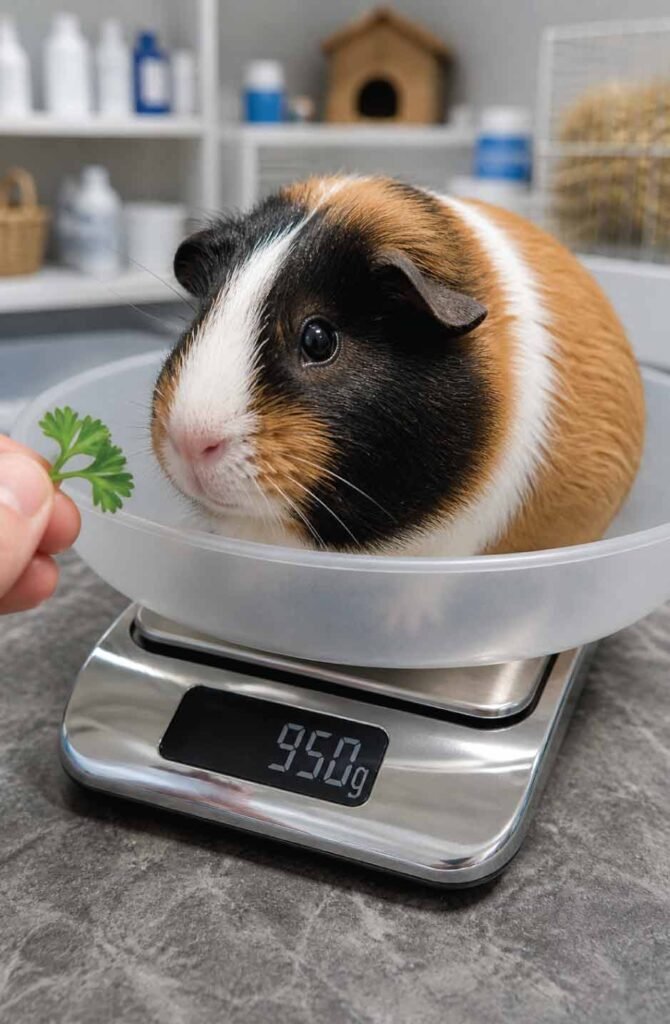
The “Weekly Scale” Diagnostic
Because guinea pigs are masters at hiding pain, your eyes will often lie to you about their health, but a digital scale will not. You should weigh your guinea pigs once a week on a kitchen scale and record the numbers; a sudden drop of 50 grams or more is the single most reliable early warning sign of a life-threatening illness. This simple habit allows you to catch issues like GI stasis or dental disease weeks before the animal shows physical signs of distress, giving you a massive head start on treatment.
The Vitamin C “Bell Pepper” Hack
Many pet stores sell Vitamin C drops for water bottles, but these are largely useless because the vitamin degrades rapidly in water and light. The most effective and natural way to ensure your guinea pig stays scurvy-free is to provide one-eighth of a fresh green bell pepper per pig, every single day. Green peppers have the perfect balance of Vitamin C without the high sugar content of red or yellow peppers, making them the ultimate “superfood” for piggy health.
Forage-Based Enrichment
Guinea pigs are natural foragers, and a bored pig is a destructive or lethargic pig. Instead of putting all their hay and veggies in a bowl, hide their food inside cardboard toilet paper rolls or under “hay tents” to force them to use their brains and bodies to find their meal. This simple change in feeding style mimics their wild behavior, reduces boredom, and provides essential exercise that keeps their digestive systems moving properly.
Frequently Asked Questions About Pros and Cons of Having Guinea Pigs as Pets
While unlimited Timothy hay and daily Vitamin C are the foundations of their diet, a complete meal plan requires a bit more balance. You should provide about one cup of fresh, leafy greens per pig daily, rotating options like romaine lettuce, cilantro, and spinach to prevent calcium buildup. Pellets are actually optional if the fresh diet is perfect, but most owners supplement with 1/8 cup of high-quality, plain Timothy-based pellets (avoid the colorful mixes with seeds and nuts, which are severe choking hazards). Finally, never feed them potatoes, onions, or iceberg lettuce, as these lack nutritional value and can cause severe, fatal digestive distress.
Guinea pigs are flight animals, meaning their first instinct is to run and hide rather than bite when they feel threatened or scared. They rarely bite out of aggression; if they nip, it is usually because your hands smell like food, or they are in physical pain and desperately want to be put down. Because of their fragile spines and skittish nature, they are actually not ideal pets for toddlers or very young children who might drop them or squeeze them too tightly. An adult should always be the primary caregiver, supervising all handling to ensure the pig feels secure and supported from underneath.
A healthy guinea pig actually has very little body odor, often smelling faintly sweet, like the fresh hay they sleep in. If you notice a foul smell coming from their room, it is almost entirely due to a dirty cage environment, not the animal itself. Boars (males) do have a grease gland near their rear end that can become active and slightly musky, which may require occasional cleaning with a pet-safe wipe. If the pig itself smells strongly of urine, it usually indicates a urinary tract infection or a mobility issue, requiring an immediate trip to your exotic vet.
Unlike rabbits, guinea pigs are incredibly sensitive to temperature fluctuations, drafts, and high humidity, making outdoor living incredibly dangerous. They lack the physical ability to sweat, making them highly susceptible to fatal heatstroke in temperatures above 80°F (26°C), while cold drafts can quickly lead to deadly respiratory infections. Furthermore, outdoor hutches leave them vulnerable to predators, even the mere sight or smell of a neighborhood cat, fox, or bird of prey can cause them to suffer a fatal heart attack from sheer stress. For their safety and to foster a true bond with your family, guinea pigs should strictly be kept as indoor pets in a climate-controlled room.
Historically, many people kept rabbits and guinea pigs together, but modern veterinary science strongly condemns this dangerous practice. Rabbits naturally carry a bacteria called Bordetella bronchiseptica in their respiratory tracts, which is completely harmless to the rabbit but highly contagious and fatal to guinea pigs. Additionally, rabbits are much larger, have incredibly powerful hind legs, and communicate entirely differently; a rabbit can easily accidentally kick and kill a guinea pig, or aggressively bully them away from the food bowl. Guinea pigs should only ever be housed with other guinea pigs to ensure safe, species-appropriate socialization.
Big-box pet stores frequently source their animals from large-scale breeding mills where genetics, health, and proper sexing are routinely ignored, often resulting in sick or unexpectedly pregnant pets. Your best option is a dedicated small-animal rescue or a local animal shelter, where pigs are health-checked, accurately sexed, and often already bonded into highly compatible pairs. If you absolutely cannot find a rescue nearby, look for a reputable, ethical breeder who focuses on health and temperament rather than mass production for profit. Adopting from a rescue also means you have a built-in support system of experts to answer your questions as you navigate your first few months of ownership.
Prefer Audio? Listen Pros and Cons of Having Guinea Pigs as Pets
Final Verdict: Are They Right for You?
Guinea pigs are not “low-maintenance” pets, but for the right owner, they are some of the most rewarding companions in the animal kingdom. They offer a unique blend of rodent charm and dog-like interaction, provided you are willing to sacrifice some floor space and stay diligent about their cleaning and diet. If you can embrace the hay-filled, noisy, and social nature of these animals, you will find a loyal friend that brightens your home for years to come.