
Quick Guide: Natural Remedies for Dog Anxiety
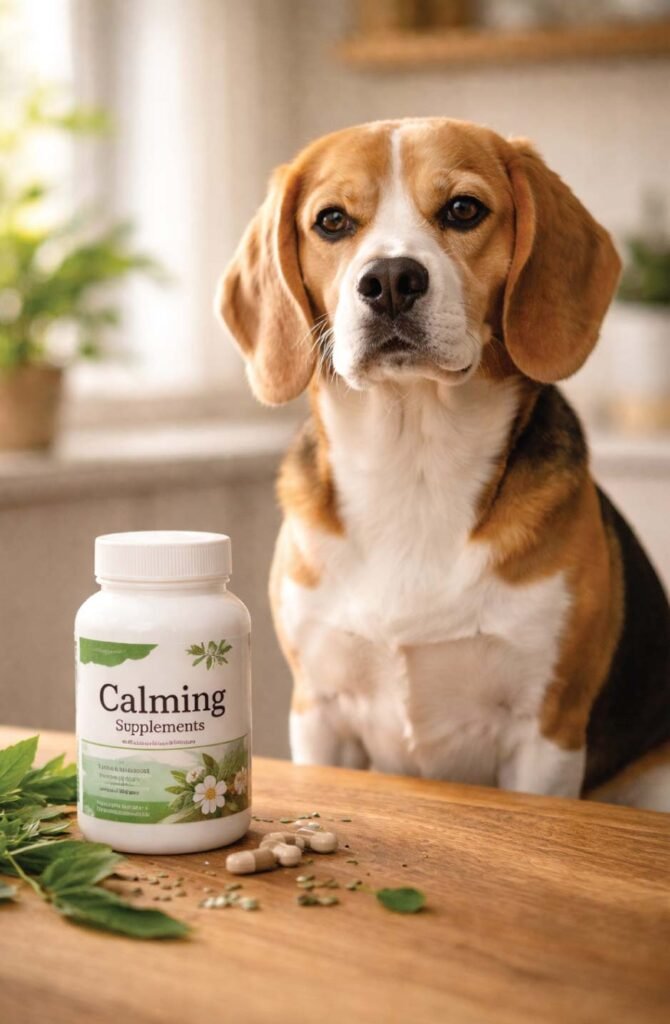
- Supplement for Success: Use natural amino acids like L-Theanine and Melatonin to boost GABA and serotonin without sedative side effects.
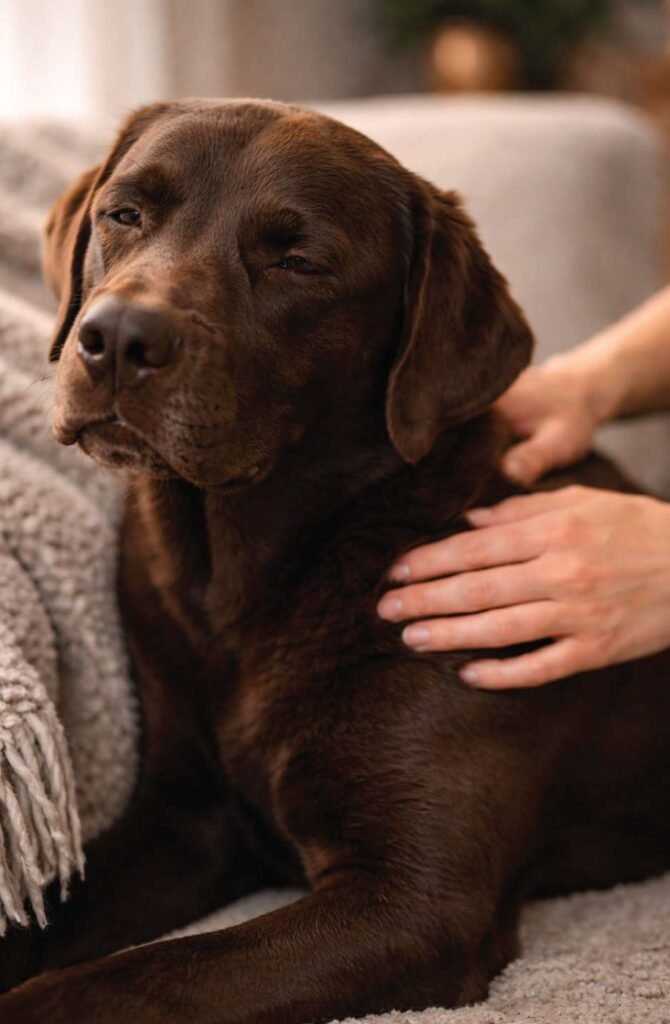
- The Power of Pressure: Utilize Thundershirts or deep pressure therapy to ground the nervous system and lower cortisol levels.
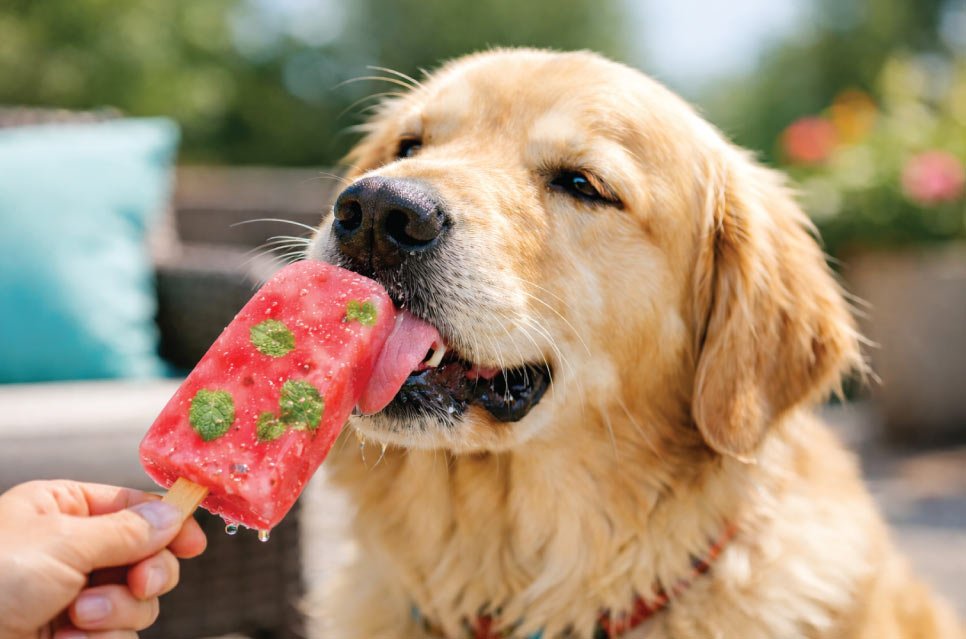
- Flip the Script: Replace fear with “Storm Parties” using classical conditioning, pair triggers with high-value treats to rewire emotional responses.
- Feed the Brain: Support the gut-brain axis with psychobiotics and use pheromone diffusers to create an invisible safety signal.
When Your Best Friend Is Scared, You Are Too
Watching your dog shake during a thunderstorm or pace frantically while you’re putting on your shoes is absolutely heartbreaking. Dog anxiety isn’t just a “behavioral issue”, it’s a physiological response that affects their long-term health. You’re rightfully wary of heavy prescription sedatives that turn your energetic companion into a zombie, but “just ignore it” is the worst advice ever given.
This guide is different because it combines clinical veterinary studies with real-world protocols to give you a multimodal toolkit. We’re going straight to the value with zero filler, because when your dog is pacing at 2 AM, you don’t have time for a history lesson, you need solutions that actually work when the thunder starts rolling.
The Main List: 7 Natural Remedies That Actually Work
L-Theanine: The “Calm Focus” Powerhouse
L-Theanine is a naturally occurring amino acid found in green tea that promotes relaxation without drowsiness. It works by crossing the blood-brain barrier to increase levels of GABA, serotonin, and dopamine while blocking glutamate, the chemical responsible for anxious signals. Scientific research highlights how these amino acids modulate mammalian stress responses.
- Why it works: It promotes alpha brain waves associated with a “calm, alert” state, making it the gold standard for dogs who need to remain functional during training or vet visits.
How to do it:
- Administer 2-4mg per kg of body weight 30-60 minutes before a stressful event
- Look for vet-approved calming chews that list L-Theanine as a primary ingredient
- Always ensure your supplement is pet-specific to avoid Xylitol, which is toxic to dogs
Melatonin: Setting the Biological Clock
Melatonin is a hormone that regulates sleep-wake cycles and provides a gentle signal to the body that it’s time to rest. While your dog produces it naturally, supplementing during high-stress events like thunderstorms or fireworks reduces the intensity of the “fight or flight” response without a heavy knockout effect.
- Why it works: It eases separation distress and noise phobias by naturally calming the nervous system without causing next-day drowsiness.
How to do it:
- 1mg for dogs under 10 lbs
- 1.5mg for 10-25 lbs
- 3mg for dogs over 25 lbs
- Give 30 minutes before the anticipated stressor
Thundershirts and Deep Pressure Therapy: The “Hug” Effect
Applying constant, gentle pressure to a dog’s torso is scientifically proven to release oxytocin and lower heart rate. Think of it like a weighted blanket for humans, it triggers a sensory anchor that grounds your dog when their environment feels unpredictable.
- Why it works: In clinical studies, up to 89% of owners reported that pressure wraps were effective in treating thunderstorm phobias. It mimics the feeling of being “denned” or held by their mother.
How to do it:
- Use a specialized anxiety wrap or tight-fitting dog t-shirt during storms or fireworks
- Ensure the wrap is snug but comfortable, you should be able to fit two fingers underneath
- Introduce the shirt during “happy times” so your dog doesn’t associate it only with scary events

Psychobiotics: Harnessing the Gut-Brain Axis
Emerging veterinary medicine shows a “bidirectional highway” between your dog’s gut and their brain. Specific “psychobiotics”, probiotics that influence the nervous system, can help regulate cortisol levels and reduce stress-related behaviors.
- Why it works: Strains like Bifidobacterium longum (BL999) have been clinically shown in veterinary research to reduce anxious behaviors and lower salivary cortisol in dogs over a 12-week period.
How to do it:
- Incorporate a high-quality canine-specific probiotic into their daily meals
- Look for products that specifically mention “psychobiotic” or behavioral support
- Consistency is key, this is a long-term solution, not a quick fix
Pheromone Therapy: The Scent of Safety
Mother dogs release “appeasing pheromones” to calm their puppies. Synthetic versions of these pheromones (like Adaptil) send a chemical signal to an adult dog’s brain that the environment is safe and secure.
- Why it works: It’s an odorless, “invisible” way to lower a dog’s baseline stress without any oral supplements or training required.
How to do it:
- Use a plug-in diffuser in the room where your dog spends the most time
- Try a spray version for the car or crate
- Replace diffusers monthly for maximum effectiveness
This is a core component of The Complete Pet Happiness Checklist for anxious households

Classical Conditioning: Host a “Storm Party”
Classical conditioning allows you to “flip the script” on fear by pairing a scary trigger with a high-value reward. Instead of reacting with fear to thunder, your dog begins to anticipate something wonderful.
- Why it works: By creating a positive association, such as “thunder equals hot dogs”, you shift the dog’s emotional state from apprehension to anticipation.
How to do it:
- The moment you notice the first sign of a storm, break out the highest-value treats (cheese, boiled chicken, or peanut butter)
- Start the “party” before the dog has a chance to reach a state of panic
- Never use punishment or “flooding” (forced exposure), which leads to learned helplessness

Lick Mats and “Nose Work”: Mental Redirection
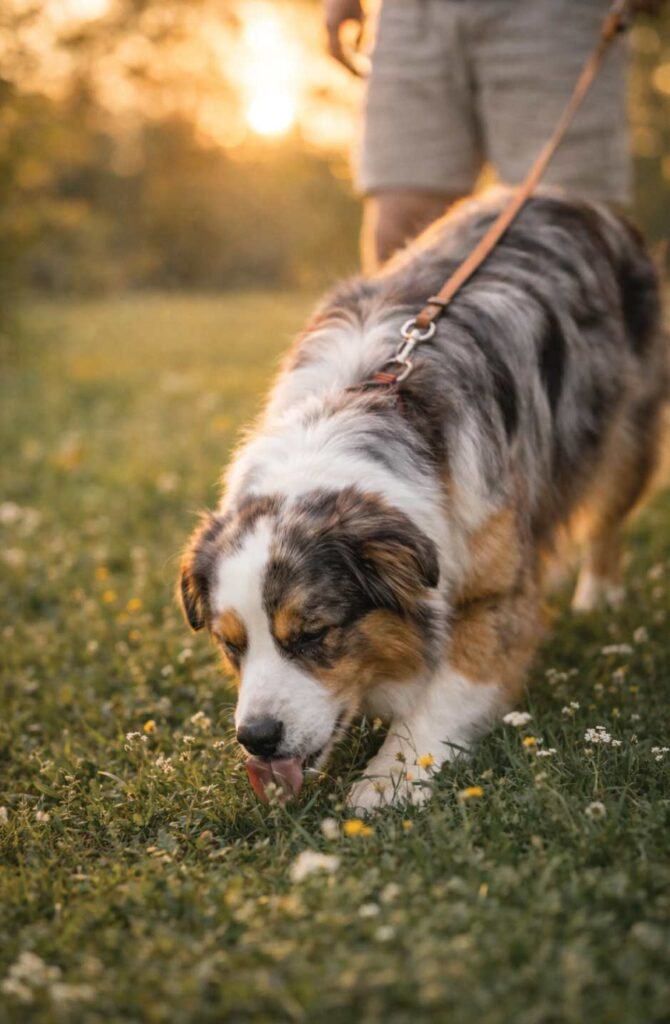
Anxiety is often a loop of repetitive thoughts for a dog. The act of licking is a self-soothing behavior that releases calming endorphins, while “nose work” (sniffing) engages the problem-solving part of the brain and moves them from a “reactive” state to a “focused” state.
- Why it works: Sniffing reduces heart rate and tires the brain out more than physical running does, a 20-minute “decompression walk” where the dog leads lowers cortisol significantly.
How to do it:
- Smear peanut butter or plain yogurt on a silicone lick mat, it’s the perfect distraction when you’re leaving the house
- Dedicate 20 minutes daily to a “sniffari”, let the dog lead the way and stop at every blade of grass
- Use snuffle mats to hide treats and activate their natural foraging instincts
For more insights on canine behavior and enrichment, check out Dog Care Tips for Beginners.

Bonus Remedies: Emergency Solutions
CBD and Hemp-Based Support
In 2026, research on CBD for dogs is more robust than ever. Full-spectrum hemp oil interacts with the endocannabinoid system to help maintain emotional balance and provides a systemic reduction in anxiety levels for dogs with chronic stress.
- How to do it: Always choose a product with a “Certificate of Analysis” (COA) to ensure it’s free of THC and contaminants.
Valerian Compound: The Last-Minute Savior
If you’re caught off guard by unforecasted fireworks, concentrated liquid Valerian Compound creates a noticeable change in behavior within just 30 minutes. Containing organic extracts of Valerian root and Vervain, it targets the nervous system quickly without causing long-term drowsiness.
- How to do it: Administer the liquid directly into the mouth or on food according to weight, it’s the perfect “emergency kit” item.
Acoustic Therapy: White Noise and Calming Beats
Dogs have incredibly sensitive hearing, and sudden noises are the #1 trigger for anxiety. White noise or “Through a Dog’s Ear” (music specifically composed for canine hearing) can mask the sounds of the outside world and prevent the “startle” reflex.
- How to do it: Play a white noise machine or a dedicated “Calming Dog Music” playlist on YouTube during high-stress hours to create a protective “sound bubble.”
The Secret Sauce: 3 Tips Most Owners Miss
The “Safe Haven” Rule: Never use your dog’s crate or bed for punishment. It must remain a 100% stress-free sanctuary where they can retreat when overwhelmed.
- The TTouch “Clouded Leopard” Massage: Using the pads of your middle three fingers, make slow clockwise circles on your dog’s shoulder. This moves the skin rather than the muscle, releasing physical tension and enhancing deep breathing. It’s like a reset button for their nervous system.
- Watch the Human: Dogs are “emotional sponges”, if you’re anxious about their anxiety, they will mirror your energy. Take a deep breath before starting any calming protocol, because your calm becomes their calm. For more on the mind-body connection, read A Tired Dog is a Happy Dog? Finding the Balance.
Frequently Asked Questions About Natural Remedies for Dog Anxiety
While Benadryl (diphenhydramine) can cause drowsiness in dogs, it's NOT recommended as an anxiety treatment. Benadryl is an antihistamine designed for allergic reactions, not nervous system support. The sedation it causes is not the same as true calming, your dog may feel groggy but still internally stressed. For acute anxiety episodes, talk to your vet about prescription options like trazodone or gabapentin, or use the natural remedies in this post. Never give your dog medication without veterinary guidance on proper dosing.
It depends on the remedy and the severity of the anxiety. Fast-acting options like Valerian root or melatonin can show effects within 30-60 minutes, making them ideal for storm or firework emergencies. L-Theanine typically works within 1-2 hours. However, long-term solutions like psychobiotics (probiotics for the gut-brain axis) require 6-12 weeks of daily use to see behavioral changes. Thundershirts and pheromone diffusers often work immediately, but classical conditioning techniques like "Storm Parties" need consistent repetition over weeks or months to fully rewire fear responses.
Yes, untreated separation anxiety often escalates into destructive behavior, self-harm, and chronic health issues. Dogs with severe separation distress may injure themselves trying to escape, develop gastrointestinal problems from chronic stress, or experience learned helplessness (complete shutdown). The longer anxiety goes unaddressed, the harder it becomes to treat because the fear becomes deeply ingrained. Early intervention with crate training, desensitization exercises, and calming supplements can prevent escalation. If your dog is showing signs like excessive drooling, panting, or destroying furniture within minutes of you leaving, consult a certified veterinary behaviorist immediately.
No, many human supplements contain ingredients that are toxic or dangerous for dogs. While ashwagandha is being studied in canine applications, most human formulations include additives like xylitol (extremely toxic to dogs), high sodium levels, or doses inappropriate for canine body weight. Other risky human supplements include valerian products with alcohol, St. John's Wort (causes drug interactions), and any product with artificial sweeteners. Always choose pet-specific formulations that have been third-party tested and approved by veterinarians, with clear dosing instructions based on weight.
You should absolutely comfort your anxious dog, the old myth that "comforting reinforces fear" has been debunked. Fear is an emotional state, not a behavior, and you cannot reinforce an emotion with kindness. When your dog is panicking during a thunderstorm or fireworks, offering gentle physical contact, speaking in a calm voice, or providing their safe space helps them feel secure. What you should avoid is being overly dramatic or panicking yourself, as dogs mirror human energy. Stay calm, offer comfort, and use the remedies from this post. Ignoring a terrified dog can actually worsen their distress and damage your bond.
If your dog's anxiety is severe, chronic, or impacting their quality of life despite natural interventions, it's time to talk to your vet about prescription options. Warning signs include: self-mutilation (excessive licking leading to sores), inability to eat or sleep during stress, aggression triggered by fear, or panic attacks lasting hours instead of minutes. Dogs with diagnosed noise phobias, generalized anxiety disorder, or post-traumatic stress may need medications like fluoxetine (Prozac), clomipramine, or trazodone. Natural remedies work best for mild to moderate anxiety, they're not a replacement for veterinary behavioral intervention in severe cases. A multimodal approach combining medication with behavior modification often yields the best results.
Prefer Audio? Listen to Natural Remedies for Dog Anxiety Podcast Episode
Conclusion: Patience Is the Greatest Remedy
Managing canine anxiety is rarely about finding one “magic pill”, the most successful owners use a multimodal approach. By combining nutritional support like L-Theanine with physical aids like Thundershirts and behavioral techniques like Storm Parties, you’re not just masking symptoms, you’re helping your dog build the resilience they need to navigate the world.
Found this helpful? Pin it to your “Dog Care” board to save a pup’s day! Ready to dive deeper into understanding your dog’s behavior? Check out our comprehensive guide: Why Dogs Lick and How to Manage It.