Quick Guide: Why Rats are the “Pocket-Dogs” of the Pet World
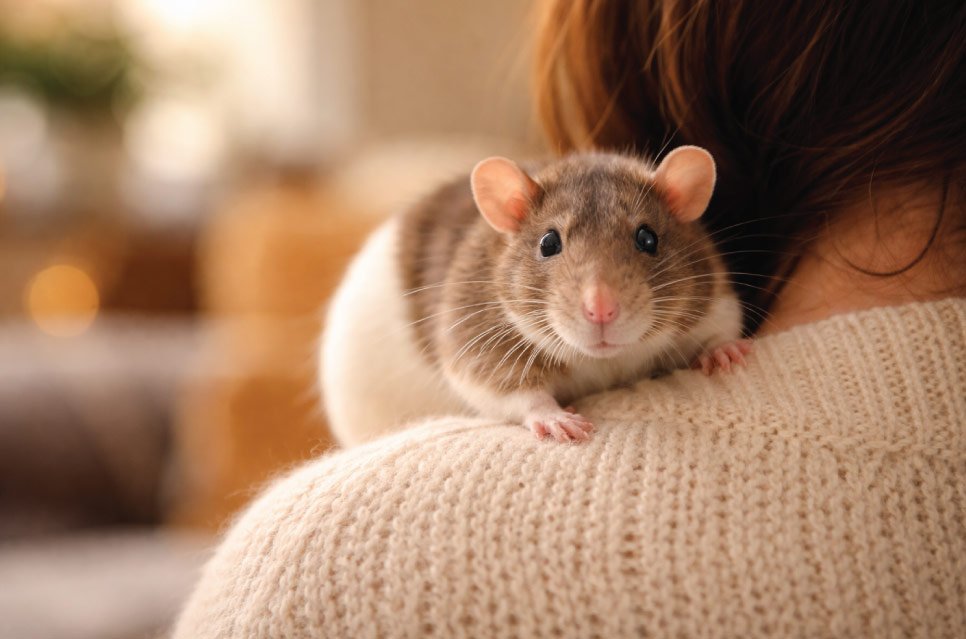
- Surprising Companionship: Unlike many small “cage pets,” rats are deeply social and thrive on human interaction. They often recognize their owners’ voices, greet them at the door, and seek out cuddles or shoulder-rides just to be near you.
- High Intelligence & Personality: Rats are among the smartest small mammals. They are natural problem-solvers that can learn routines and even distinguish between different people, showing a level of emotional awareness that rivals much larger pets.
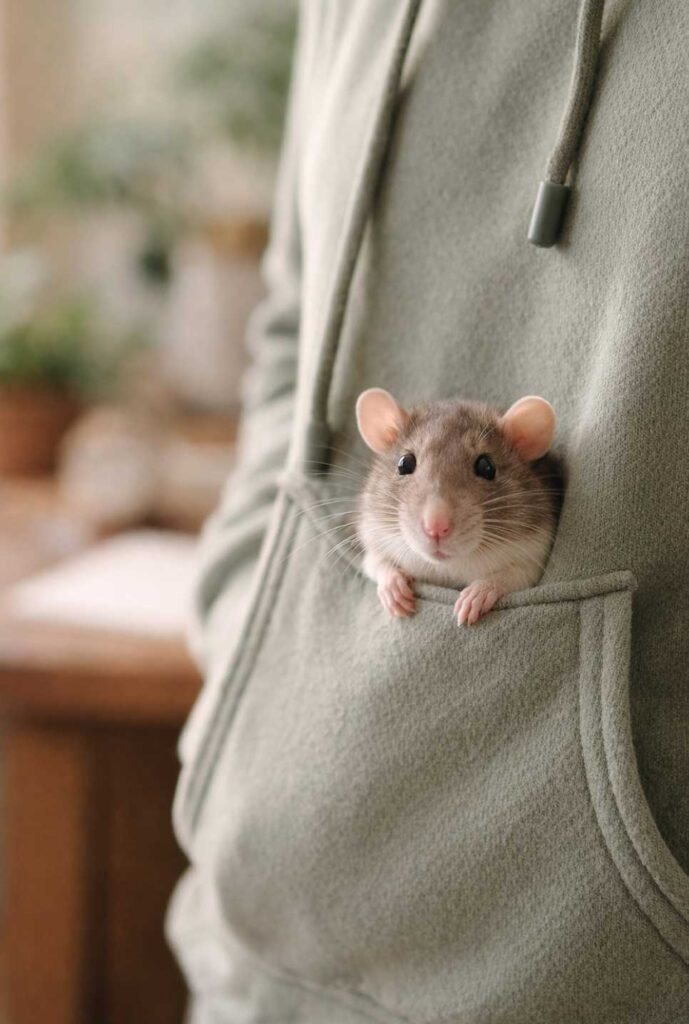
- A “Pocket-Dog” Lifestyle: They offer a unique balance of connection and autonomy. While they enjoy learning and playing, they also appreciate quiet moments, sharing your space by nesting in a hoodie pocket or resting nearby while you work.
- The Power of Adoption: Because rats are often misunderstood or overlooked, many are waiting in rescues. Choosing to adopt is a compassionate way to find a socialized, personality-filled companion while looking past old stereotypes.
Introduction: The Small Pet Almost Nobody Talks About
Is there really a small pet most people overlook? Yes, and it’s often overlooked not because it lacks personality, but because most people have never been shown who it really is.
If someone told you a small pet could greet you when you enter the room, follow you from space to space, and curl up on your shoulder just to be close, you probably wouldn’t picture a rat. The question is if rats make great pets. Yet for many people who share their lives with pet rats, this kind of quiet companionship feels completely normal.
Pet rats are deeply social, curious, and emotionally aware animals that are rarely discussed as companion pets. Not because they aren’t affectionate, but because old assumptions still shape how we see them.
This is where the idea of the “Pocket-Dog” comes in, not as a gimmick, but as a gentle way to describe a tiny animal with a surprisingly big presence.
At PetSweetJoy, we believe that adoption is often a kinder, more responsible choice than buying, especially for small animals that are frequently misunderstood or surrendered. Many pet rats are already waiting in rescues for someone willing to look beyond stereotypes.
If you’re curious about bonding and emotional connection with small animals, you might also enjoy: Caring for Small Mammals Made Easy: Essential Practices for a Happy Pet.
Little Companions, Massive Hearts ✨ Celebrate your small pet parenthood with our retro collection:
- Small Pet T-Shirts
Guinea Pig T-Shirt | Vintage Guinea Pig Graphic Tee | Round Loud Small Pet Lover Gift
$ 29,99 – $ 33,99Price range: $ 29,99 through $ 33,99 Select options This product has multiple variants. The options may be chosen on the product page - Small Pet T-Shirts
Holland Lop T-Shirt | Vintage Rabbit Graphic Tee | Soft Curious Bunny Lover Gift
$ 29,99 – $ 33,99Price range: $ 29,99 through $ 33,99 Select options This product has multiple variants. The options may be chosen on the product page


What Does “Pocket-Dog” Actually Mean?
Does “Pocket-Dog” mean rats behave like dogs? Not exactly, and that’s an important distinction.
The term “Pocket-Dog” refers to behavioral similarities that feel familiar to people who value connection over appearance. It’s not about training or obedience, it’s about how pet rats interact with their human companions.
How Pet Rats Show Dog-Like Companionship
In everyday life, pet rats may:
- Seek out human interaction, not just food
- Recognize routines and familiar voices
- Choose closeness, climbing onto shoulders, laps, or sleeves simply to be near you
- Return to you after exploring, showing preference for your company
- Display excitement when you enter the room
What surprises many first-time rat parents is the contrast: a very small body paired with a personality that feels present, curious, and relational.
That’s where the “Pocket-Dog” idea makes sense. Not because rats replace dogs, but because like dogs, they notice you, respond to you, and seem genuinely interested in shared moments.
This kind of behavior is part of a wider pattern seen in small mammals who thrive on mental stimulation and emotional safety. Learn more: [Why Small Mammals Need More Than Just a Cage]
Trusted Resources on Pet Rat Care
For evidence-based perspectives on rat welfare and adoption:
At its heart, “Pocket-Dog” simply means: a big personality in a tiny body, and a reminder that size doesn’t limit connection.
Are Pet Rats Really Interested in People?
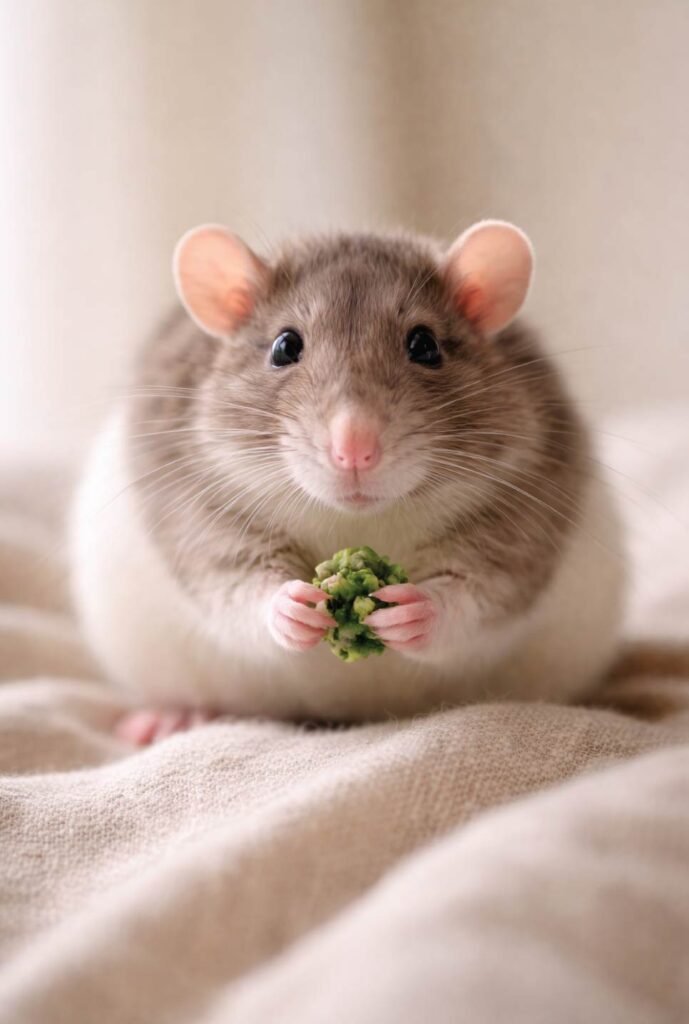
Yes, many pet rats don’t just tolerate human presence, they actively seek it out. This is one of the biggest surprises for first-time rat owners.
Rather than staying withdrawn or focused only on food, pet rats often show clear interest in who is nearby, not just what is being offered.
Choosing Connection, Not Just Convenience
Pet rats choose interaction even when nothing is expected of them. That choice is what shifts them from “cage pets” to true companions.
This can look like:
- Walking over when you sit nearby
- Lingering close during free-roam time
- Returning to you even after exploring
- Following you from room to room
- Seeking you out for comfort when startled
The key detail isn’t obedience, it’s preference. Rats show that they want to be near certain people, and that preference feels deeply personal.
Recognizing Familiar People and Routines
Over time, many rats appear to recognize specific people and daily rhythms. Not dramatically, but in subtle, consistent patterns.
They may:
- Become more relaxed around familiar voices
- Anticipate shared routines (playtime, feeding, interaction)
- Show curiosity when “their person” enters the room
- React differently to family members versus strangers
This awareness often feels less like “pet behavior” and more like shared familiarity.
Sharing Space in Small, Meaningful Ways
One of the most beloved aspects of living with rats is how naturally they share space without demanding constant interaction.
Companionship often looks quiet and optional:
- Sitting on a shoulder while you work
- Nestling into a hoodie pocket
- Resting on a lap while you read
- Grooming themselves near you
- Simply being present in the same room
These moments aren’t about control or training, they’re about closeness on the rat’s terms. That autonomy is part of what makes the bond feel genuine rather than forced.
Are Pet Rats Actually Intelligent?
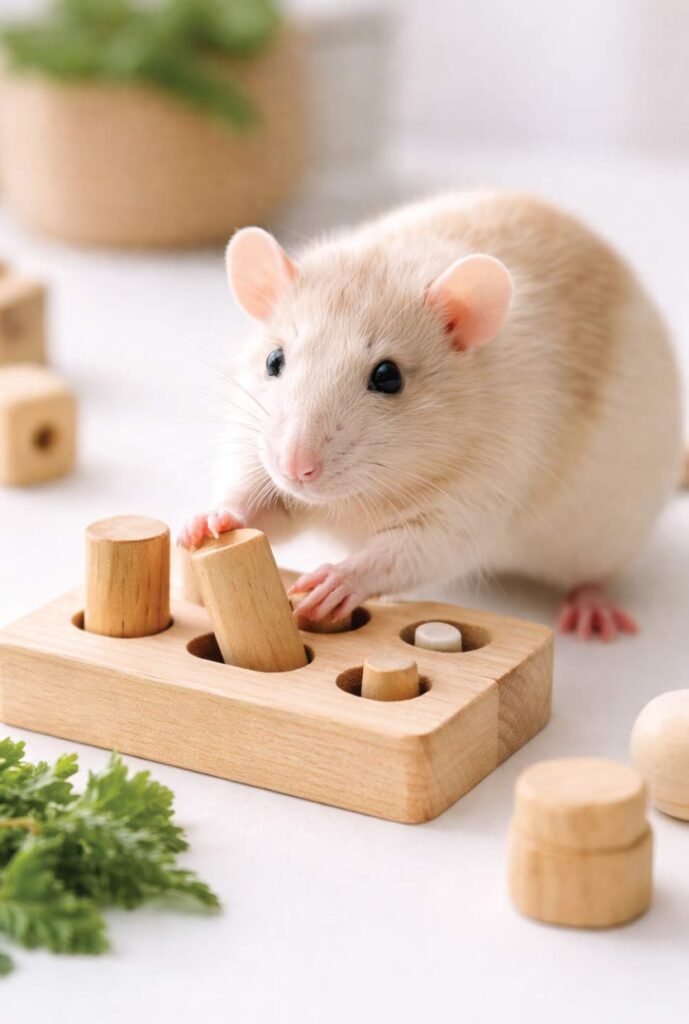
Pet rats are among the most intelligent small mammals commonly kept as pets. Their intelligence shows up quietly, in how they observe, adapt, and respond to their environment.
Rather than performing tricks on command, rats act in ways that suggest curiosity, memory, and conscious choice.
Learning Through Observation and Routine
Many pet rats learn simply by watching and repeating familiar patterns. This includes:
- Recognizing daily rhythms and schedules
- Anticipating shared moments (playtime, treats, interaction)
- Adjusting behavior based on what usually happens next
- Problem-solving to reach desired locations or objects
- Understanding cause and effect in their environment
This intuitive learning often happens without formal training.
Remembering People, Not Just Places
One of the most meaningful signs of intelligence in rats is how they respond differently to different people.
Over time, they may:
- Relax faster with familiar voices and scents
- Show curiosity toward specific individuals
- Seek out the same person repeatedly for interaction
- Remember positive and negative experiences with people
- Display wariness around strangers while being affectionate with family
This selectiveness is what deepens the sense of connection.
Emotional Awareness in Small Moments
Rats don’t just react to what you do, they often respond to how you are. Calm energy, predictable movement, and gentle attention influence how safe they feel.
This sensitivity shows up in small choices:
- Staying nearby when you’re calm
- Returning after exploring to check in
- Settling into shared space without prompting
- Offering comfort behaviors (grooming, sitting close)
- Responding to your emotional state
That quiet responsiveness is a form of intelligence that’s easy to miss but hard to forget once you notice it.
Intelligence Without Performance Pressure
Unlike pets often expected to “do” something, rats don’t rely on performance to express their intelligence. They don’t need applause or instruction.
Their intelligence shows in how naturally they fit into shared routines and emotional rhythms. For many people, that feels less impressive and far more meaningful.
Why Are Pet Rats So Misunderstood?
Why do so many people have the wrong idea about rats? Because most people’s mental image of a rat has very little to do with pet rats at all.
What we think we know often comes from stories, symbols, or brief encounters, not from living alongside one as a companion. That gap between image and reality is where misunderstanding begins.
When Cultural Stories Replace Real Experience
Rats have carried symbolic meanings for centuries, and not many have been fair. They’ve been used in stories to represent things people fear or want to avoid.
But symbolism has a way of sticking, even when it no longer matches reality. Pet rats don’t arrive with those stories attached. They arrive as individuals.
Wild Animals and Companion Animals Are Not the Same
One of the most common sources of confusion is mixing up wild rats with pet rats. They are not living the same lives, responding to the same environments, or shaped by the same experiences.
Pet rats are:
- Bred specifically for companionship over many generations
- Raised around people from birth
- Accustomed to calm, predictable environments
- Socialized to human interaction
- Health-checked and cared for in controlled settings
Assuming all rats are the same ignores how deeply environment and care shape behavior.
Quiet Animals Are Easy to Overlook
Rats don’t demand attention, and that’s part of why they’re misunderstood. They don’t announce themselves loudly or seek constant interaction.
Instead, they tend to:
- Observe before engaging
- Choose when to approach
- Show affection in subtle ways
- Communicate through body language rather than sound
This quiet presence can be mistaken for disinterest, when it’s often the opposite.
Fear Often Comes From Distance, Not Reality
It’s easier to fear what we haven’t spent time with. For many people, rats are animals they’ve never had a chance to know up close.
Once that distance disappears, something often shifts. Not instantly or dramatically, but enough to rethink what “small companion animal” can mean.
What Does Daily Life With Pet Rats Look Like?
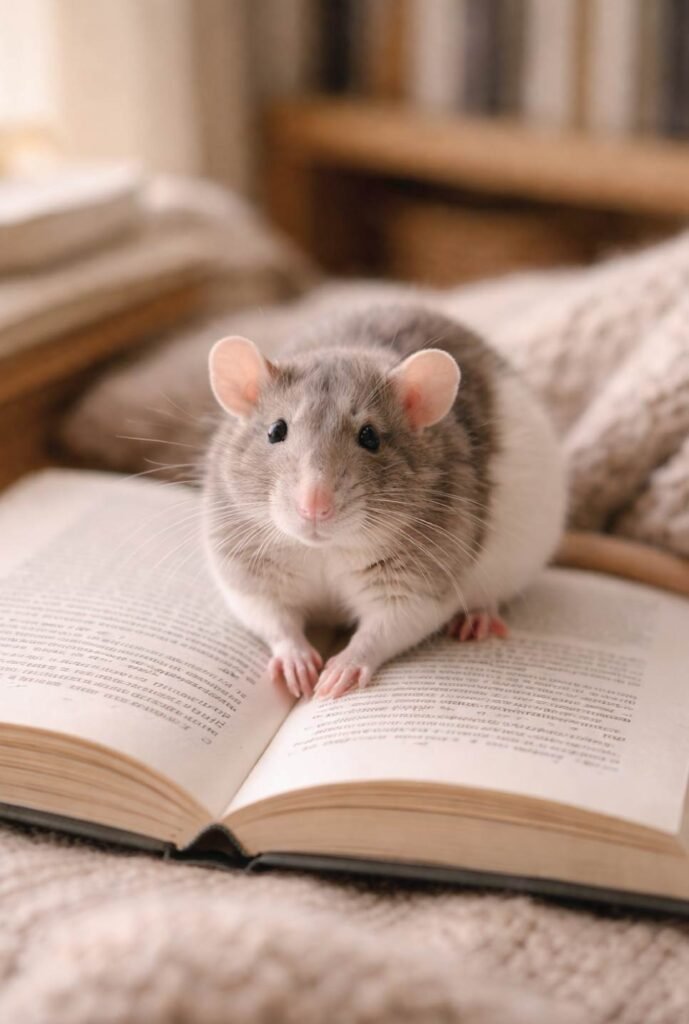
What does living with pet rats really feel like? Living with pet rats is less about constant activity and more about shared rhythm.
It’s quiet, observant, and surprisingly personal. Rather than demanding attention, rats fit themselves into the flow of your day, noticing patterns, anticipating familiar moments, and choosing when to engage.
A Day Shaped by Gentle Routines
Rats thrive on predictable, calm routines. Not rigid schedules, but familiar sequences that help them feel safe.
Daily life may include:
- Morning or evening check-ins for feeding and fresh water
- 1-2 hours of supervised free-roam time outside the cage
- Calm interaction during playtime, exploring, climbing, playing games
- Cage cleaning and maintenance (spot cleaning daily, deep clean weekly)
- Shared quiet moments where they simply rest nearby
These routines aren’t about control, they’re about consistency, and consistency builds trust.
Companionship Without Constant Demands
One of the most noticeable things about living with rats is how optional the companionship feels. They’re present but not insistent.
This can look like:
- Sitting close while you work at your desk
- Exploring a room, then returning on their own to check in
- Resting nearby without needing active interaction
- Playing independently while you do other tasks
- Seeking you out when they want attention, retreating when they don’t
For many people, this balance feels refreshing. You’re sharing space, not managing attention.
Social, but on Their Own Terms
Pet rats are social animals, but their social energy is often subtle. They approach when curious, comfortable, or interested, and retreat when they’ve had enough.
That choice matters. It creates a relationship built on:
- Respect for their autonomy
- Observation of their preferences
- Mutual comfort rather than forced interaction
Rather than being handled constantly, rats appreciate being invited into interaction.
The Emotional Tone of the Home
Living with rats often adds a soft, attentive presence to a space. They notice small changes, respond to calm, and settle when the environment feels safe.
This doesn’t mean every moment is peaceful or predictable, but the relationship grows through patience rather than performance.
What Often Surprises People Most
Many people are surprised by how emotionally present rats feel without being overwhelming. They don’t need to be the center of attention to feel connected.
And that quiet companionship is often what makes living with them meaningful. Not flashy, not dramatic, just genuinely shared.
How Long Do Pet Rats Live?
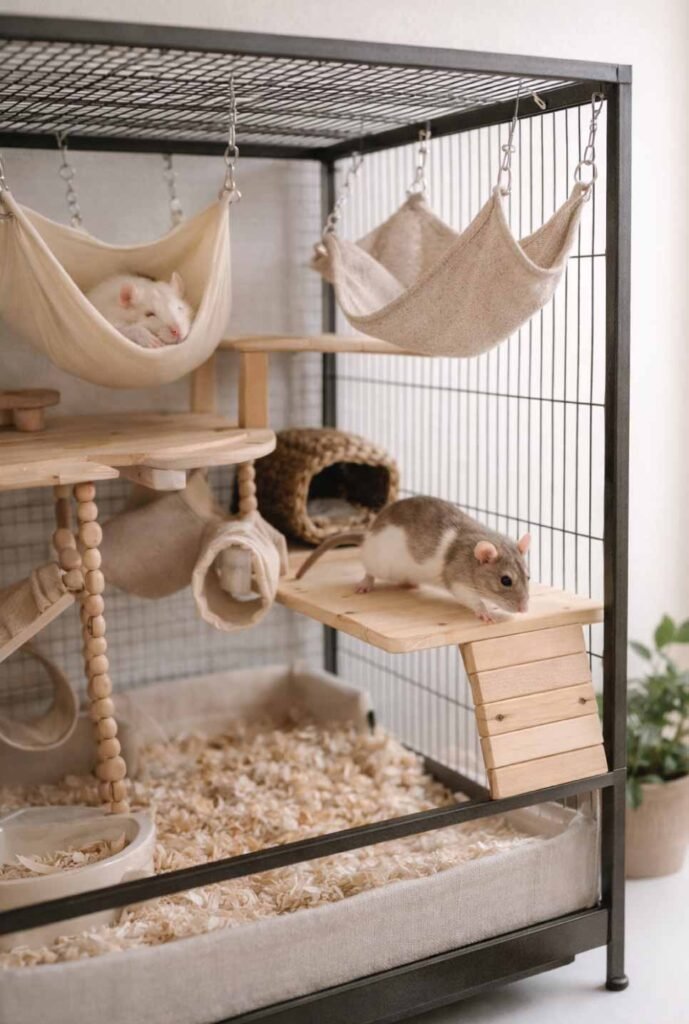
Pet rats typically live 2-3 years, with some reaching 4 years with excellent care. This relatively short lifespan is one of the most important considerations before bringing rats into your home.
Why Lifespan Matters
The brief lifespan means you’ll form a deep bond with an animal you’ll likely lose within a few years. For some people, this makes rats less appealing. For others, it’s an opportunity to provide a wonderful life to an animal who might otherwise be overlooked.
Being prepared for this reality helps you:
- Make an informed decision about commitment
- Appreciate the time you have together
- Plan for end-of-life care and emotional support
- Consider adopting older rats who need homes
Many rat owners find the intensity of the bond worth the inevitable goodbye.
Who Are Pet Rats a Good Fit For?
Are pet rats the right companion for everyone? Not necessarily, and that’s okay.
Pet rats can be wonderful companions, but they’re not a universal match. Understanding who they suit best helps prevent disappointment on both sides.
Pet Rats May Be a Good Fit If You
You might enjoy living with rats if you:
- Appreciate animals that are emotionally aware and responsive
- Enjoy observing behavior and building trust over time
- Like companionship that feels optional rather than demanding
- Are drawn to small, intelligent, social animals
- Have 1-2 hours daily for interaction and free-roam time
- Are comfortable with animals that require regular cage maintenance
- Can handle a relatively short pet lifespan (2-3 years)
- Want pets that can recognize and bond with you personally
Rats thrive with people who enjoy presence, routine, and gentle interaction. They don’t need constant attention but benefit from consistency and care.
Pet Rats May Not Be the Best Fit If You
They may not suit you if you:
- Prefer animals that require minimal interaction
- Expect a long lifespan without emotional attachment
- Feel uncomfortable with close physical proximity to small animals
- Want a pet primarily for visual enjoyment rather than relationship
- Cannot commit to daily cage maintenance and interaction
- Are away from home for extended periods regularly
- Have household members strongly opposed to rodents
This doesn’t make anyone a “bad” pet parent, it simply means different animals meet different needs.
Why Being Honest About Fit Matters
Rats are sensitive to their environment and the energy around them. They do best when they feel wanted, not just cared for.
When expectations align:
- The bond develops naturally
- Daily routines feel rewarding
- Companionship feels mutual, not forced
When expectations don’t align, even well-intentioned care can feel mismatched.
What Do Pet Rats Need for Proper Care?
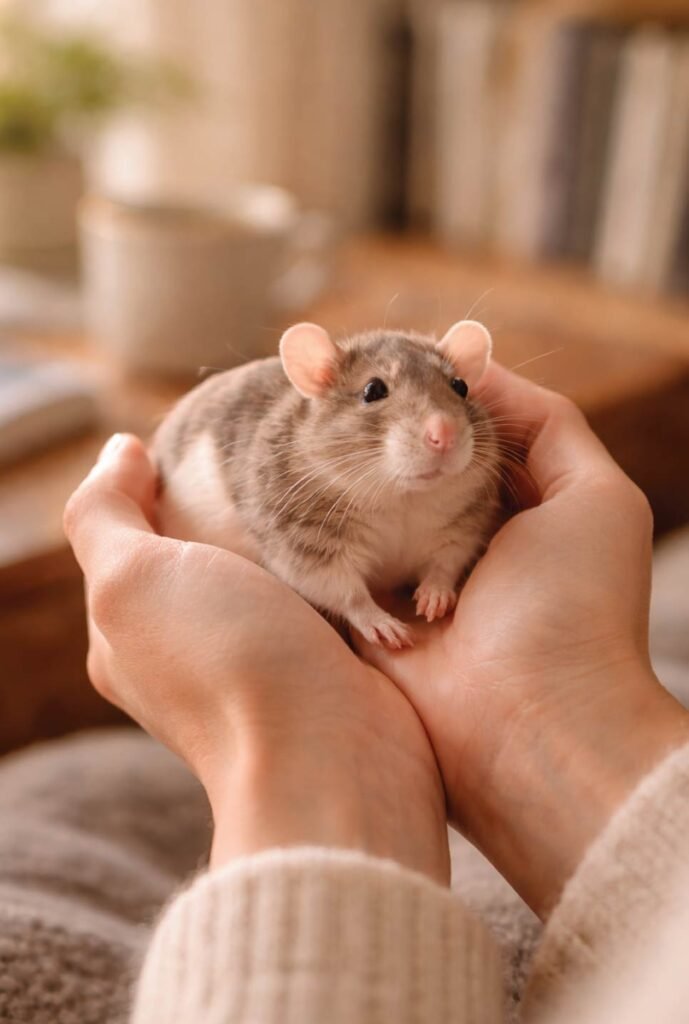
Pet rats require specific care to thrive as healthy, happy companions. Understanding their needs before adopting ensures you can provide appropriate care.
Housing Requirements
Rats need spacious, multi-level cages with adequate ventilation. Minimum recommendations:
- Cage size: At least 2.5 cubic feet per rat (larger is better)
- Multi-level design with ramps, platforms, and climbing opportunities
- Bar spacing: No more than 1/2 inch to prevent escapes
- Solid flooring or covered wire to protect delicate feet
- Location: Quiet area away from direct sunlight, drafts, and loud noises
Social Needs
Rats are highly social animals and should not be kept alone. They need:
- At least one same-sex companion (pairs or small groups work best)
- Daily human interaction and supervised free-roam time
- Mental stimulation through toys, puzzles, and exploration
Diet and Nutrition
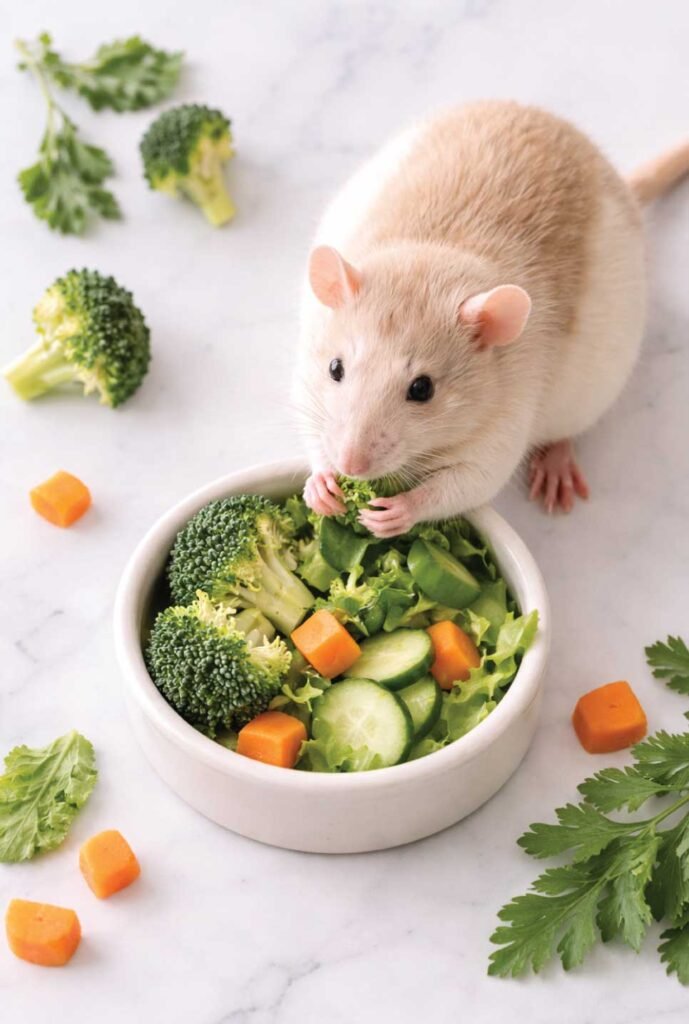
A proper diet includes:
- High-quality commercial rat pellets as the staple food
- Fresh vegetables daily (leafy greens, broccoli, carrots)
- Occasional fruits as treats (small amounts due to sugar)
- Fresh water available at all times
- Avoid: chocolate, caffeine, raw beans, citrus fruits (for males), and processed human foods
Health Considerations
Common health concerns include:
- Respiratory infections (the most common health issue)
- Tumors (especially in older rats)
- Parasites
- Dental problems
Regular vet care is essential. Find an exotic vet familiar with rats before you need one.
Why Consider Adopting Pet Rats Instead of Buying?
Many pet rats are waiting in rescues and shelters for someone willing to look beyond stereotypes. Adoption offers several benefits:
Benefits of Adoption
- Save a life: Many rats are surrendered due to misunderstanding or life changes
- Adult temperament known: You can meet the rat and understand their personality
- Support rescue work: Adoption fees support organizations helping more animals
- Older rats need homes too: Senior rats have just as much love to give
- Often already socialized: Many rescue rats are well-handled and friendly
Adoption is often a kinder, more responsible choice than supporting breeding operations, especially for animals frequently misunderstood or surrendered.
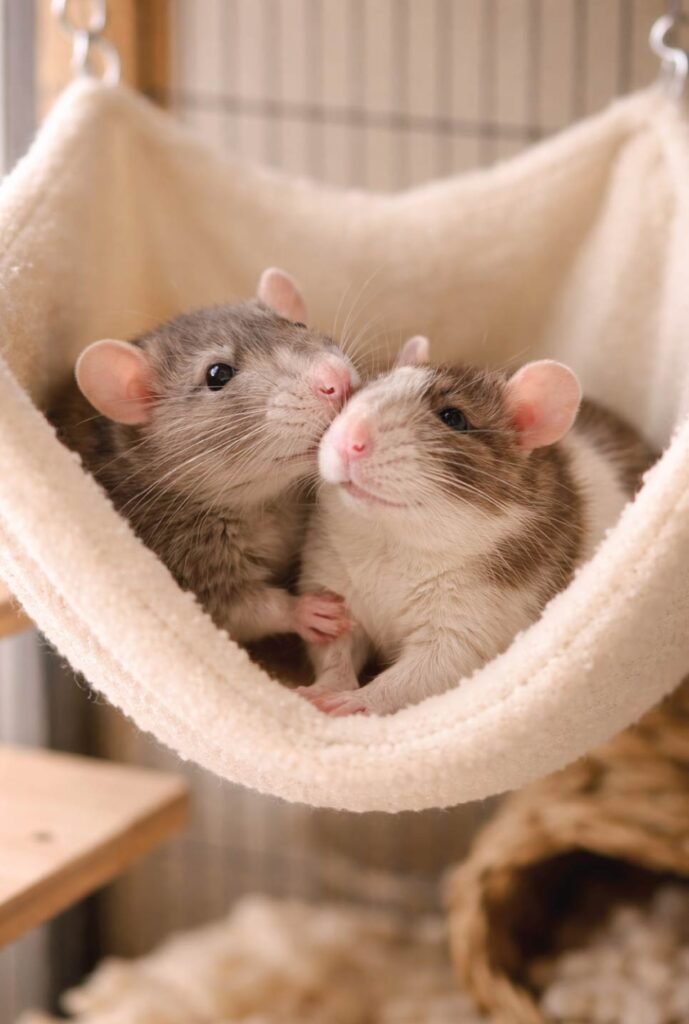
Frequently Asked Questions About Why Rats Make Great Pets
Pet rats rarely bite when properly socialized and handled gently. They may nip during play or if startled, but this is different from aggressive biting. Well-cared-for rats are typically gentle and learn to trust their owners. If a rat does bite, it's usually a sign of fear, pain, or inadequate socialization rather than natural aggression.
Pet rats themselves are very clean animals that groom constantly and have minimal odor. Any smell typically comes from dirty bedding, not the rats. With proper cage maintenance, spot cleaning daily and deep cleaning weekly, odor is rarely an issue. Male rats may have a slightly stronger scent than females, but it's manageable with regular cleaning.
No, rats should not be kept alone. Rats are highly social animals that become lonely, depressed, and stressed without companionship. Even with daily human interaction, a single rat cannot thrive the way paired or grouped rats do. Always keep at least two same-sex rats together for their mental and emotional wellbeing.
Pet rats are relatively affordable compared to larger pets. Initial setup costs (cage, accessories, bedding) range from $150-$300. Monthly expenses average $30-$50 for food, bedding, and toys. The main cost concern is veterinary care, exotic vet visits can be $50-$150+, and rats may need medical attention as they age. Budget for potential vet expenses when considering rats.
Yes, many rats can be litter trained with patience and consistency. Rats naturally choose specific corners of their cage for bathroom use. By placing a litter box in their preferred spot and rewarding them for using it, most rats will reliably use the box for urination. However, they may still leave small droppings elsewhere, as this is natural marking behavior.
It depends entirely on the other pet. Rats should never be housed with or left unsupervised around natural predators like cats, dogs, or ferrets, even "friendly" ones. The stress alone can harm rats, and accidents happen quickly. However, some households successfully keep rats alongside other pets with strict separation and supervision. Always prioritize your rat's safety and stress levels above integration attempts.
Prefer Audio? Listen to Why Rats Make Great Pets Podcast Episode
Final Thoughts: Seeing Small Pets Differently
What if we looked at small pets with fewer assumptions? Sometimes the most meaningful connections come from animals we almost overlook.
Not because they’re rare, but because we’ve never been encouraged to see them clearly.
Pet rats don’t ask to be rebranded or defended. They simply show up as they are: curious, social, and present.
Small Doesn’t Mean Simple
Size has very little to do with emotional depth. Rats quietly remind us of that. They don’t compete for attention or demand admiration, they just offer companionship when it’s welcomed.
A Final Thought
This article isn’t about deciding which pet is “best.” It’s about expanding the way we think about connection.
Sometimes, the animals we underestimate are the ones who teach us the most, simply by being themselves. And sometimes, seeing small pets differently changes more than just our preferences. It changes how we notice.
Ready to learn more about small mammal care? Explore our guides on creating enriching environments and understanding the unique needs of pocket pets.