Quick Guide Small Pet Cage Smells
- Spot-clean high-traffic potty corners daily to remove 80% of ammonia odors before they spread through the small pet cage.
- Ditch wood shavings for unscented paper or hemp bedding to maximize absorption and trap smells instantly.
- Use a simple 50/50 white vinegar and water spray to neutralize odors without harming your small pet’s sensitive lungs.
- Match your odor-control strategy to your specific pet’s species, as the best solution for a rabbit might be unsafe for a hamster.
You love your small pet, but you definitely do not love the lingering funk taking over your living room. Walking into your home and being hit by a wall of ammonia is the ultimate frustration for any dedicated pet parent. You are not a bad owner; small pets simply have incredibly fast metabolisms that create waste constantly. Most generic advice tells you to “clean more,” but scrubbing the entire enclosure every single day is exhausting and actually stresses your pet out.
This guide skips the fluff and gives you eight pet-safe, proven hacks to neutralize small pet cage smells at the source. Whether you have a burrowing hamster or a popcorning guinea pig, these simple solutions will keep your home smelling fresh without compromising your pet’s health.
Remember that odor control is just one part of caring for small mammals made easy to ensure your pet stays happy and healthy.”
What is the Best Bedding for Small Pet Cage Smells?
Low-absorbency bedding is the hidden culprit behind cages that smell terrible after just two days. Cheap wood shavings simply let urine pool at the bottom of the tray. Ammonia buildup is more than just a nuisance; it can lead to severe respiratory distress in tiny lungs, which is why the Merck Veterinary Manual emphasizes the importance of moisture-absorbent bedding.
- Why it works: High-quality paper, hemp, or kiln-dried aspen trap moisture instantly and smother the ammonia smell. They also lack the dangerous phenols found in cedar or pine that cause respiratory distress in small pets.
- How to do it: Layer at least 2 to 3 inches of premium paper or hemp bedding across the enclosure. If you have a burrowing species, mix in some aspen to help their tunnels hold shape while keeping the base layer dry.
Round, Loud, and Utterly Loved! 🐹 Shop our sweet, vintage small-pet apparel collection:
- Small Pet T-Shirts
Guinea Pig T-Shirt | Vintage Guinea Pig Graphic Tee | Round Loud Small Pet Lover Gift
$ 29,99 – $ 33,99Price range: $ 29,99 through $ 33,99 Select options This product has multiple variants. The options may be chosen on the product page - Small Pet T-Shirts
Holland Lop T-Shirt | Vintage Rabbit Graphic Tee | Soft Curious Bunny Lover Gift
$ 29,99 – $ 33,99Price range: $ 29,99 through $ 33,99 Select options This product has multiple variants. The options may be chosen on the product page


How Often Should You Clean the Cage? The “Daily 5” Spot Clean
Waiting for a weekly deep clean allows urine to crystallize and embed its stench into the plastic base.
- Why it works: Removing only the soiled bedding daily prevents the smell from ever forming in the first place. It takes a fraction of the time of a deep clean and keeps your pet’s environment highly sanitary.
- How to do it: Grab a small scoop and remove wet spots and droppings every morning. Replace the removed handfuls with fresh bedding, and you will instantly eliminate the primary source of the stink.
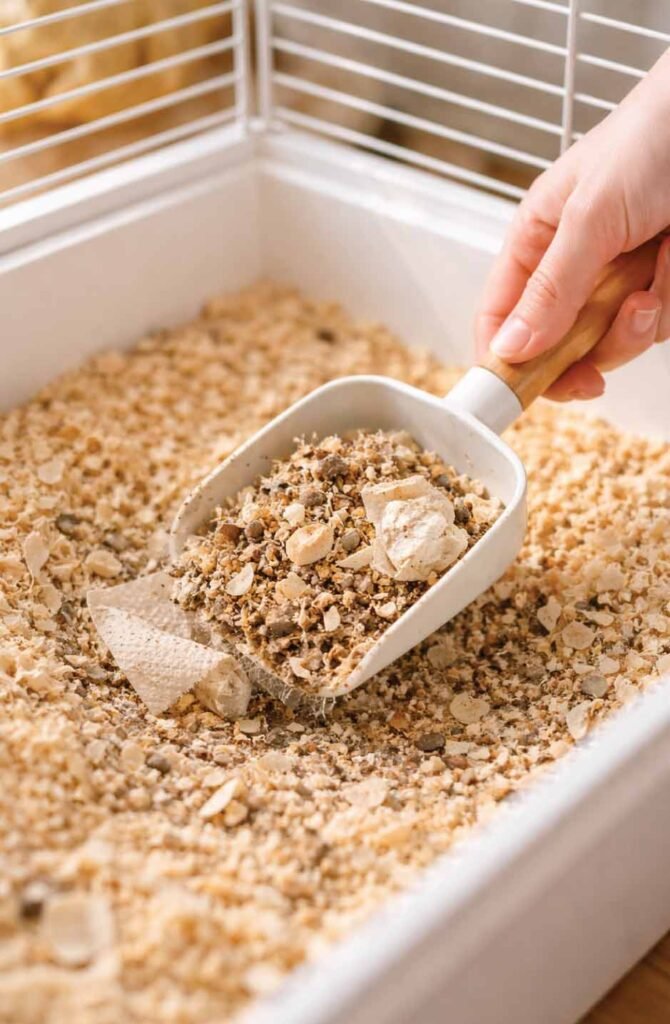
Can You Litter Train Small Pets? Set Up a “Potty Corner”
Most small mammals instinctively choose one specific corner to do their business.
- Why it works: Consolidating waste into a single, removable tray localizes the mess and stops urine from soaking the entire habitat.
- How to do it: Place a small litter pan filled with paper pellets exactly where your pet already likes to pee. Empty this specific tray daily, and the rest of your cage will stay fresh for weeks.
What is a Pet-Safe Cage Cleaner? The DIY Vinegar Miracle
Commercial air fresheners and scented chemical cleaners can actually be fatal to your small pet’s delicate lungs.
- Why it works: White vinegar is a natural acid that breaks down stubborn urine scale and neutralizes bacterial odors instantly. Once the vinegar dries, the salad-dressing smell vanishes completely, taking the pet musk with it.
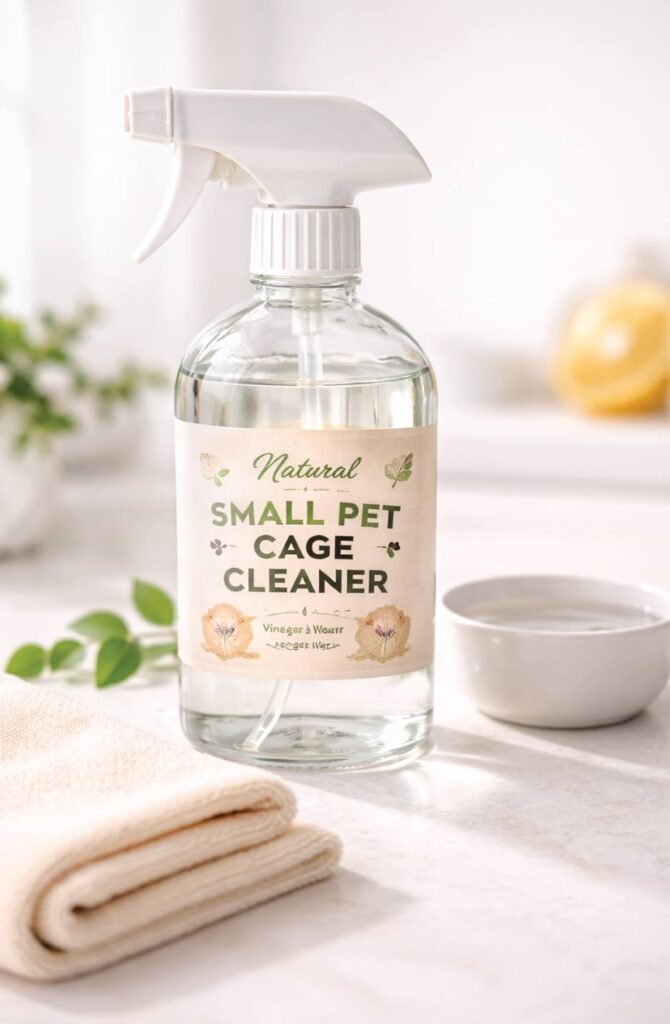
- How to do it: Mix a 50/50 solution of distilled white vinegar and water in a spray bottle. Spray the empty cage base during your weekly clean, let it sit for five minutes, and wipe it totally dry before adding fresh bedding.
Why Does My Pet’s Cage Smell So Fast? Increase Cage Size and Airflow
Cramming a pet into a tiny enclosure concentrates their body heat and moisture, turning the cage into a smelly sauna.
- Why it works: A properly sized, well-ventilated habitat allows damp bedding to air out and dry before bacteria can multiply. The Humane SocietyAccording to housing standards from , properly sized enclosures with open tops are vital for air circulation to prevent the concentration of waste odors
- How to do it: Upgrade to the largest wire-topped enclosure your space allows and move it away from stagnant, humid room corners. Never house small pets in enclosed cabinets or direct sunlight, which bakes the odors into the air. If you’re ready to upgrade to a setup that looks as good as it smells, explore these unique guinea pig cage ideas for some serious design inspiration.
The “Wet Food” Expiration Rule
Rotting vegetables hidden under bedding smell significantly worse than normal pet waste.
- Why it works: Removing uneaten fresh foods prevents rapid decomposition and stops fruit flies from invading the cage.
- How to do it: Implement a strict 4-hour rule where any uneaten fresh greens or fruits are pulled from the cage.

Don’t Over-Clean: The 10% Rule
Scrubbing the cage completely spotless causes extreme panic in scent-driven animals, prompting them to pee everywhere to reclaim their territory.
- Why it works: Leaving a small trace of their own scent keeps them calm and drastically reduces stress-induced marking.
- How to do it: Always save about 10% of the clean, unsoiled bedding from the old cage setup and sprinkle it over the brand-new bedding.
Use Odor Absorbers (Safely on the Outside)
Placing odor-neutralizing chemicals directly inside the cage is a massive health hazard for your pets.
- Why it works: Activated charcoal and baking soda pull moisture and smells from the ambient air without risking your pet’s health.
- How to do it: Place a breathable pouch of activated bamboo charcoal near the outside of the cage, well out of your pet’s reach.
Wait! Read This Before You Start (The “Fine Print” Safety Check)
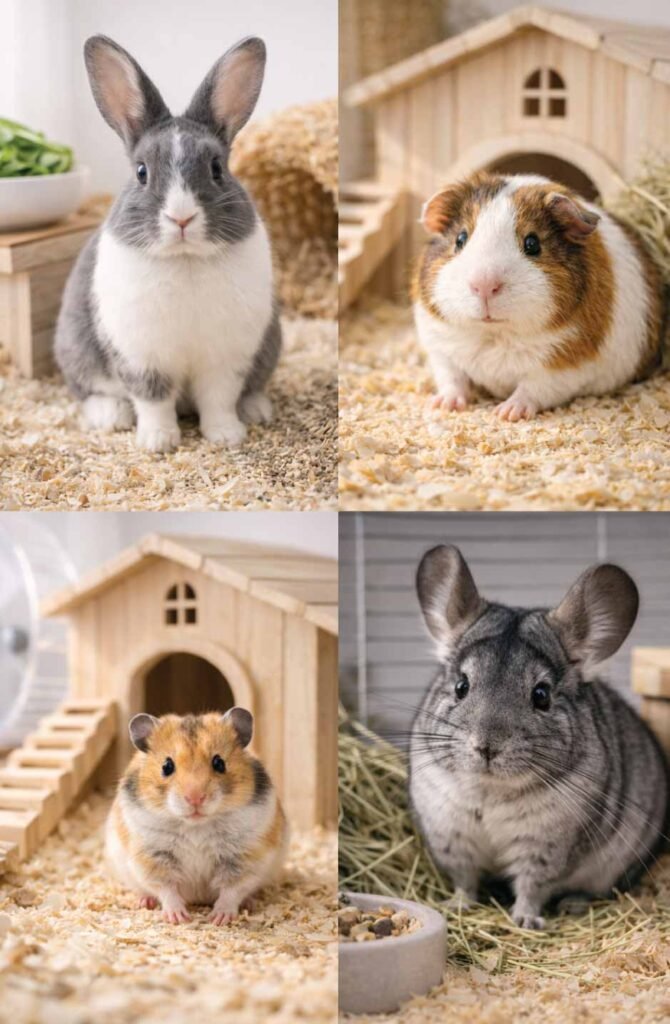
Not every odor hack is safe for every type of small mammal. Because species have vastly different behaviors and anatomies, you must tailor your approach. Here is your quick compatibility cheat sheet to ensure you are keeping your specific pet safe while fighting odors.
| Solution | Guinea Pigs & Rats | Hamsters & Gerbils | Rabbits | Chinchillas |
|---|---|---|---|---|
| Fleece Liners | Best Choice. They love the softness and rarely burrow. | ❌ Avoid. They are obsessive chewers; they'll destroy fleece and can't dig. | Good, but they often prefer rugs or hard floors + a litter box. | ❌ Avoid. Chinchillas overheat easily; fleece is too insulating. |
| Baking Soda | Safe if tucked under thick bedding layers. | ⚠️ Use Caution. They dig deep and might inhale or touch the powder. | Safe when placed at the very bottom of a litter tray. | ⚠️ Use Caution. Their respiratory systems are ultra-sensitive. |
| Vinegar Clean | Universal. The gold standard for pet safety. | Universal. | Universal. | Universal. |
| Paper Bedding | Great. Excellent for ammonia control. | Okay, but Aspen wood holds tunnels better for burrowers. | Great for use inside litter boxes. | Great. |
| Litter Training | Very Possible. Rats, especially, are very clean! | ❌ Unlikely. They tend to go wherever they happen to be. | Essential. Most rabbits take to it very quickly. | Possible but requires a lot of patience. |
The Secret Sauce
If you’ve tried all the basics and still notice a lingering smell, these three advanced adjustments will completely change the game.
Check the Diet
A diet overloaded with sugary treats or low-quality pellets actively alters the chemical makeup of your pet’s urine, making it smell incredibly pungent.
- Why it works: Feeding a species-appropriate diet rich in fresh hay improves digestion and dilutes the concentration of ammonia in their waste.
Inspect the Water Bottle Daily
A silently dripping water bottle creates a constantly soaked patch of bedding that breeds odor-causing bacteria rapidly.
- Why it works: Fixing or replacing a leaky bottle eliminates the hidden moisture that causes cages to smell swampy overnight.
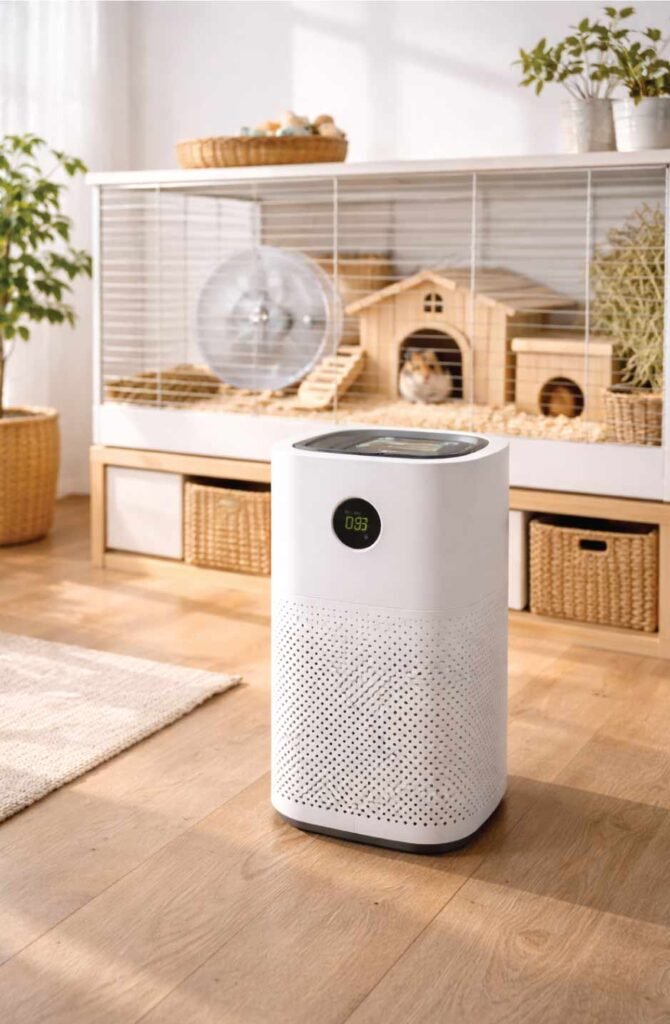
Invest in a True HEPA Purifier
Running a small air purifier near the cage continuously filters out floating dander, dust, and microscopic odor particles from the room.
- Why it works: A medical-grade HEPA filter acts as an invisible vacuum for your room’s air quality. Just ensure it does not feature an “ionizer” or “ozone” setting, as those are toxic to tiny lungs.
Frequently Asked Questions About Small pet cage smells
No, you should never use essential oils, candles, or incense in the same room as small mammals. Their respiratory systems are incredibly delicate, and many essential oils (like tea tree, eucalyptus, or peppermint) are toxic to them. The goal is to eliminate the odor at the source, not to mask it with scents that could cause your pet respiratory distress.
This usually happens because you’ve removed 100% of your pet's scent. Small mammals like hamsters and mice communicate through scent; when their environment is scrubbed too clean, they often go into an "overdrive" of marking and urinating to make it smell like home again. Try the "10% Rule" mentioned in the post to keep them calm and reduce this behavior.
Actually, yes! Dehydrated pets produce highly concentrated urine with a much stronger ammonia scent. Ensure your pet always has access to fresh, clean water. If you notice a sudden, extreme change in the smell of their urine despite no change in diet, it could be a sign of a Urinary Tract Infection (UTI) or kidney issues, and you should consult a vet.
Absolutely not. Most cat litters, especially clumping varieties, are dangerous for small mammals. They often contain silica dust or clumping agents that can cause fatal intestinal blockages if ingested or severe respiratory issues if inhaled. Stick to paper-based pellets or recycled paper litter specifically designed for small pets.
If you see white, crusty patches on the plastic, that is calcium/urine scale. Plain water won't touch it, but undiluted white vinegar will dissolve it. Pour enough vinegar to cover the spots, let it soak for 15–20 minutes, and the scale should scrub right off with a firm brush.
While some plants like Spider Plants or Boston Ferns are known for air purification, you must ensure the plant itself is non-toxic to your pet in case they nibble on a fallen leaf. However, a plant's purification power is very slow. A HEPA air purifier is significantly more effective at removing pet odors and dander than indoor plants.
Prefer Audio? Listen to Small Pet Cage Smells Odor Solutions
Ready to Breathe Easy?
Stopping cage smell doesn’t require endless scrubbing; it just requires a smarter strategy tailored to your pet’s natural habits. By upgrading their bedding, utilizing the daily spot-clean, and making sure your methods match your pet’s specific species, your room will smell fresh in no time.
Pin this post for later so you always have this species safety chart handy! Looking to completely overhaul your pet’s space now that it smells great? Check out our guide on Unique Guinea Pig Cage Ideas: Creating a Cozy Haven! to get inspired!