Quick Guide: Building a Cat-Safe Indoor Jungle
- Avoid the “Red Alert” Plants: Some plants are high-risk for cats. Lilies are the most dangerous, even licking pollen or drinking vase water can cause kidney failure. Other common culprits like Sago Palms (liver damage) and Aloe Vera (digestive distress) should be swapped for safety.
- The “Swap for Safety” Strategy: You don’t have to lose the look you love. Trade a toxic Monstera for a lush Money Tree, swap trailing English Ivy for Swedish Ivy, or replace a prickly Aloe with a pet-safe Zebra Haworthia.
- Watch for Hidden Dangers: It isn’t just about the leaves. Fertilizer pellets in the soil, pesticide residue on new plants, and standing water in flower vases can all be harmful if your cat digs, licks, or drinks from them.
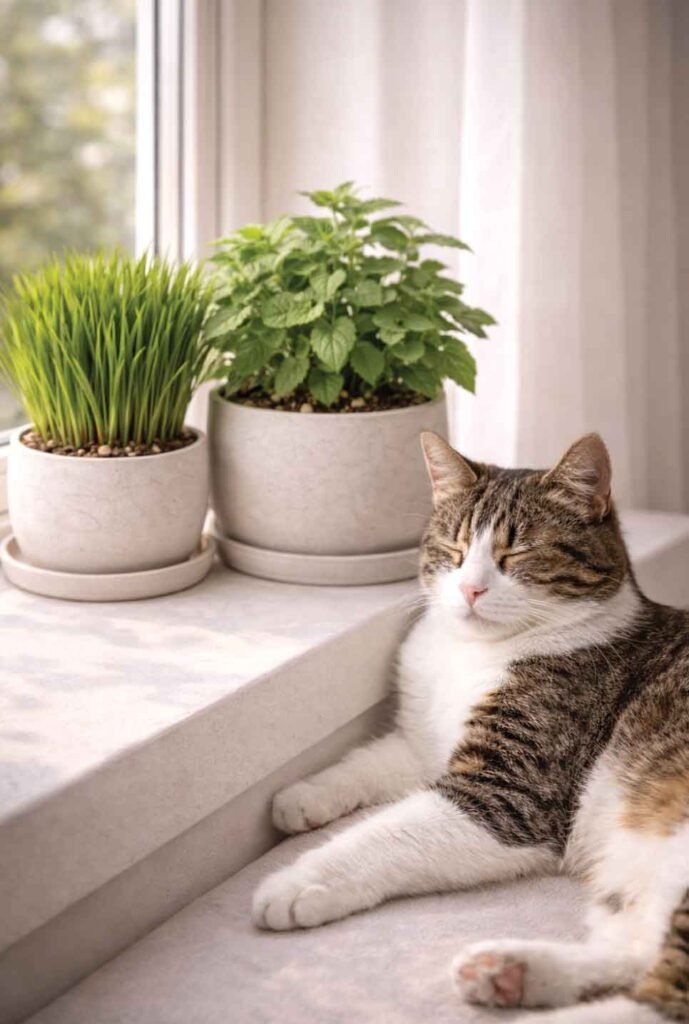
- Create a “Yes Space”: Prevent curious nibbling by giving your cat their own greenery. A dedicated window garden with Cat Grass or Catnip provides a safe outlet for their natural instincts and keeps them away from your decorative plants.
The Urban Jungle vs. the Curious Kitty
Houseplants have become part of modern home life. They soften a space, boost our mood, and help create that calm, cozy, Instagrammable atmosphere many of us love. A leafy corner or a sunny window full of greenery can make a home feel alive, and for many pet parents, plants are a big part of that aesthetic.
But when you share your home with a cat, there’s one important detail that’s easy to overlook: toxic houseplants for cats. Cats are natural explorers, and they don’t hesitate to investigate their surroundings.
They sniff, paw, climb, and yes, sometimes use their mouths to investigate the world around them. This curiosity isn’t “bad behavior.” It’s instinct. The problem is that many popular houseplants were never designed with curious whiskers and playful paws in mind.
Some plants may only cause mild stomach upset if nibbled. Others, however, can be extremely dangerous for cats. Lilies are the most well-known example, even a small exposure to pollen, a fallen petal, or water from a vase can lead to serious kidney failure in cats. This wide range of risk is what makes plant safety so confusing for loving cat parents.
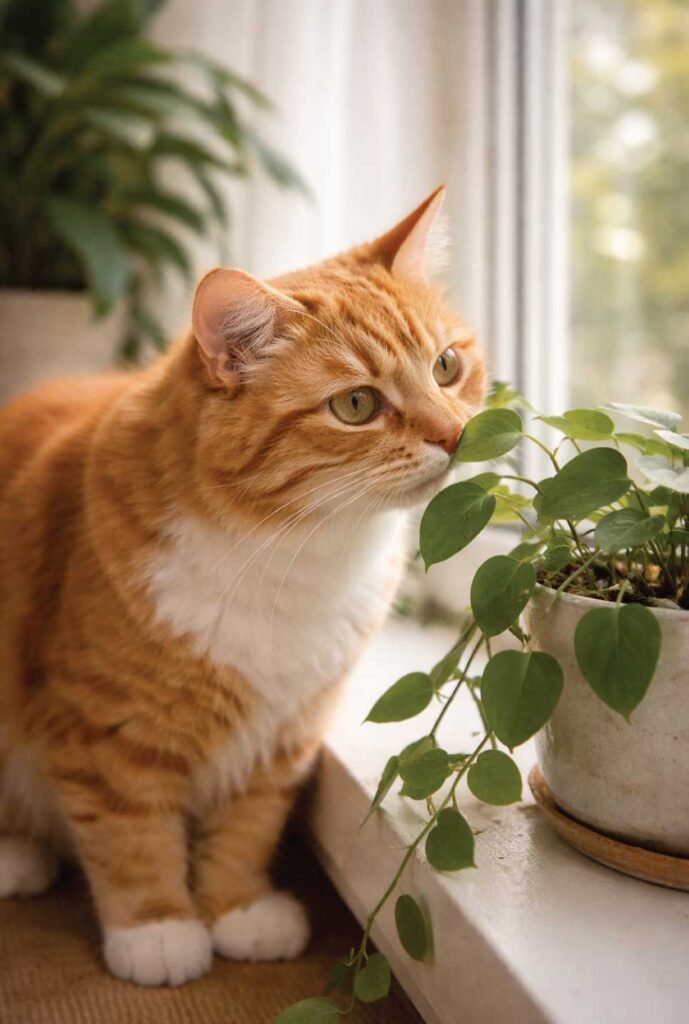
If you’ve ever wondered why cats chew leaves, it’s often linked to natural behaviors like boredom, curiosity, or the instinct to chew on grass-like textures. We talk more about unusual plant-related behaviors in posts like Why Is My Cat Licking the Floor?
The good news?
This doesn’t mean you have to choose between a beautiful home and a safe one.
The goal of this post is not to scare you or tell you to give up plants.
Instead, we’re focusing on a simple, practical approach we call “Swap for Safety.”
That means replacing common toxic houseplants with visually similar, cat-safe alternatives, so you can keep your indoor jungle and protect your curious kitty. If you’re already thinking about how to create a calmer, happier environment for your cat, you may also enjoy How to Keep Your Cat Happy While You’re Away, which touches on environmental enrichment and stress prevention.
In this guide, you’ll find 15 common houseplants that are toxic to cats, and beautiful, pet-safe swaps that let your home stay lush, stylish, and worry-free.
For plant safety information, we rely on well-established veterinary resources like the ASPCA’s Toxic and Non-Toxic Plants database and the Pet Poison Helpline, both widely used by veterinarians and pet owners worldwide.
Let’s build a home that blooms for everyone, paws included.
Understanding the Danger: Why Cats and Plants Don’t Mix
Before we get into specific plants, it helps to understand why cats and houseplants can be such a risky combination in the first place. The issue isn’t that cats are reckless, it’s that their natural instincts and their bodies simply aren’t designed to handle many of the plants we bring into our homes.
Instinctual Nibbling: It’s Not “Bad Behavior”
Cats don’t chew on plants to be naughty. They do it because they’re cats.
Many cats are drawn to leaves that sway, dangle, or feel crunchy. Some nibble out of curiosity, others because they’re bored, and some seem attracted to grass-like textures that mimic what their wild ancestors encountered outdoors. In a home environment, especially for indoor cats, plants can become a source of stimulation when there isn’t enough variety or enrichment.
The key takeaway: plant chewing is common and instinctual, which means relying on “training them not to” is often unrealistic. Prevention starts with safer choices.
Biological Vulnerability: Why Cats Are Especially at Risk
Cats process toxins very differently than humans, and even differently than dogs.
A cat’s liver lacks certain enzymes needed to break down many plant-based chemicals. When toxic compounds enter their system, their body may struggle to neutralize or eliminate them efficiently. This puts enormous strain on vital organs like the liver and kidneys, even when the amount ingested seems small.
This is why some plants only cause mild stomach upset, while others can lead to serious, life-threatening damage. Lilies are the most dramatic example, but they’re not the only concern. What might be “mildly irritating” for another pet can be extremely dangerous for a cat.
Veterinary toxicology resources like the ASPCA consistently emphasize how sensitive cats are to plant toxins compared to other animals.
The “Invisible” Risks Most People Miss
One of the most dangerous myths about toxic plants is the idea that a cat must chew a leaf to be harmed.
In reality, exposure can happen in much subtler ways:
- Pollen that brushes onto fur and gets ingested during grooming
- Water from flower vases where toxins have leached from stems
- Fallen petals or leaves picked up during play
- Plant debris tracked onto paws and later licked off
This is why certain plants, especially lilies, are considered unsafe to have in a cat household at all, even if your cat “never touches plants.”
Pet poison experts frequently warn that these indirect exposures are a common cause of emergency cases.
Understanding these hidden risks is what makes a proactive approach so important. Rather than reacting after exposure, the safest option is choosing plants that don’t pose a threat in the first place, which is exactly where our “Swap for Safety” approach comes in.
Next, we’ll walk through 15 common houseplants that are toxic to cats, and the beautiful, cat-safe alternatives that let your home stay green without the worry.
Pressed for time? Here is our Ultimate Cat-Safe Swap Cheat Sheet. Save this table to your phone or Pin it for your next trip to the nursery! For a deep dive into the ‘why’ behind these swaps, keep reading below.
The “Safe Swap” List for Cat Owners
| Toxic Houseplant | The Safe Alternative | Why it’s a Great Match |
|---|---|---|
| 1. Lilies (True/Daylilies) | Phalaenopsis Orchids | Both offer elegant, stunning blooms, but Orchids are 100% safe for cats. |
| 2. Sago Palm | Areca Palm | You keep the tropical "palm" look without the life-threatening toxicity of the Sago. |
| 3. Dieffenbachia (Dumb Cane) | (Dumb Cane) Prayer Plant (Maranta) | Both have large, beautifully patterned leaves that add a "designer" feel to a room. |
| 4. Aloe Vera | Zebra Haworthia | You get the same spiked, architectural succulent look in a cat-safe package. |
| 5. English Ivy | Swedish Ivy | Both are beautiful trailing plants, but Swedish Ivy won't harm your cat if they take a nibble. |
| 6. Monstera Deliciosa | Money Tree (Pachira aquatica) | The Money Tree provides that lush, tropical height and large canopy without the toxins. |
| 7. Pothos (Devil’s Ivy) | Spider Plant | Both are "unkillable" hanging plants that thrive in almost any light condition. |
| 8. Jade Plant | Christmas Cactus | These are both hardy, thick-leaved plants that can live for decades. |
| 9. Snake Plant | Rattlesnake Plant (Calathea) | The Calathea offers similar upright, striking patterns and "architectural" interest. |
| 10. Peace Lily | Boston Fern | While not a direct bloom match, the Boston Fern provides the same lush, deep-green volume. |
| 11. Philodendron | Watermelon Peperomia | Both feature unique, heart-shaped or rounded leaves with beautiful textures. |
| 12. ZZ Plant | Cast Iron Plant | Both are famous for surviving in low-light corners where other plants fail. |
| 13. Azalea | African Violet | If you want bright, colorful indoor flowers, the African Violet is a safe, classic choice. |
| 14. Dracaena (Corn Plant) | True Bamboo | Both feature woody stalks and long, blade-like leaves for a Zen aesthetic. |
| 15. Kalanchoe | Polka Dot Plant | You get the same pop of color and interesting foliage without the heart-irritating toxins. |
The 15 “Safe Swaps”: Aesthetic Matches for a Pet-Friendly Home
Navigating the world of indoor plants as a cat parent can feel like a minefield. You want that lush, Pinterest-worthy living room, but you don’t want to risk a midnight trip to the emergency vet. The good news? You don’t have to choose between your design dreams and your cat’s safety.
Here are 15 “Safe Swaps” where we trade a toxic trend-setter for a beautiful, feline-approved lookalike.
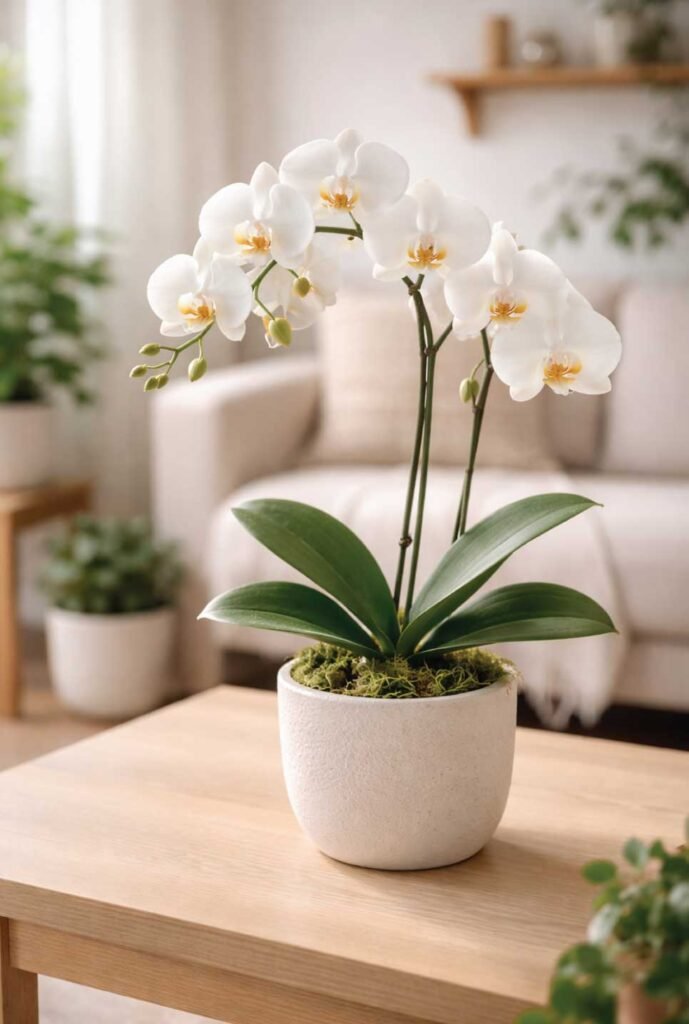
1. The Lily Heartbreak -> The Elegant Orchid (Cat Safe Alternative)
- The Danger: True lilies (like Stargazer, Tiger, or Easter lilies) are the “red alert” of the plant world for cats. Even licking a bit of pollen off their fur or drinking the water from a lily vase can lead to total kidney failure.
- The Symptoms: Look for immediate vomiting, lethargy, and a total loss of appetite.
- The Beautiful Solution: Phalaenopsis Orchids offer that same sophisticated, sculptural bloom and come in a rainbow of colors. They are 100% non-toxic and add a touch of luxury to any windowsill.
- The Reassurance: With this swap, you get the same high-end floral look, minus the risk.
2. The Deadly Sago Palm -> The Tropical Areca Palm (Cat Safe Alternative)
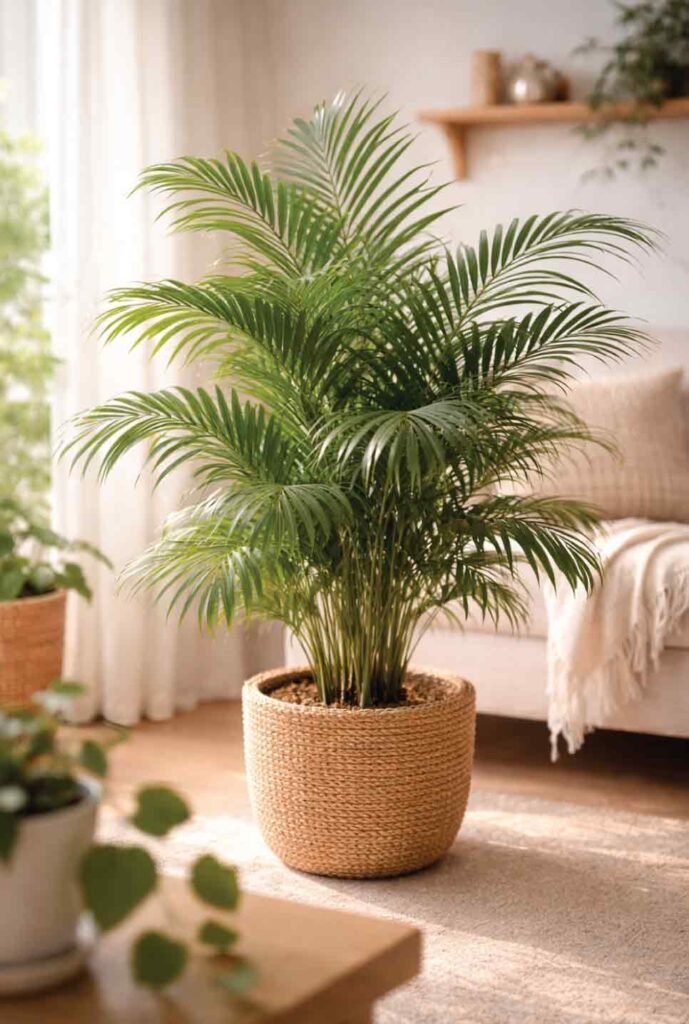
- The Danger: Don’t let the “palm” name fool you; the Sago Palm is actually a cycad, and every inch of it, especially the seeds, contains a toxin called cycasin that causes severe liver damage.
- The Symptoms: Common signs include drooling, vomiting, black/bloody stools, and jaundice.
- The Beautiful Solution: The Areca Palm gives you those same lush, feathery tropical fronds but is completely safe for cats to brush against or even take a curious nibble of.
- The Reassurance: You can keep your tropical vacation vibes at home without worrying about a liver-health emergency.
3. The Irritating Dieffenbachia -> The Patterned Prayer Plant (Cat Safe Alternative)
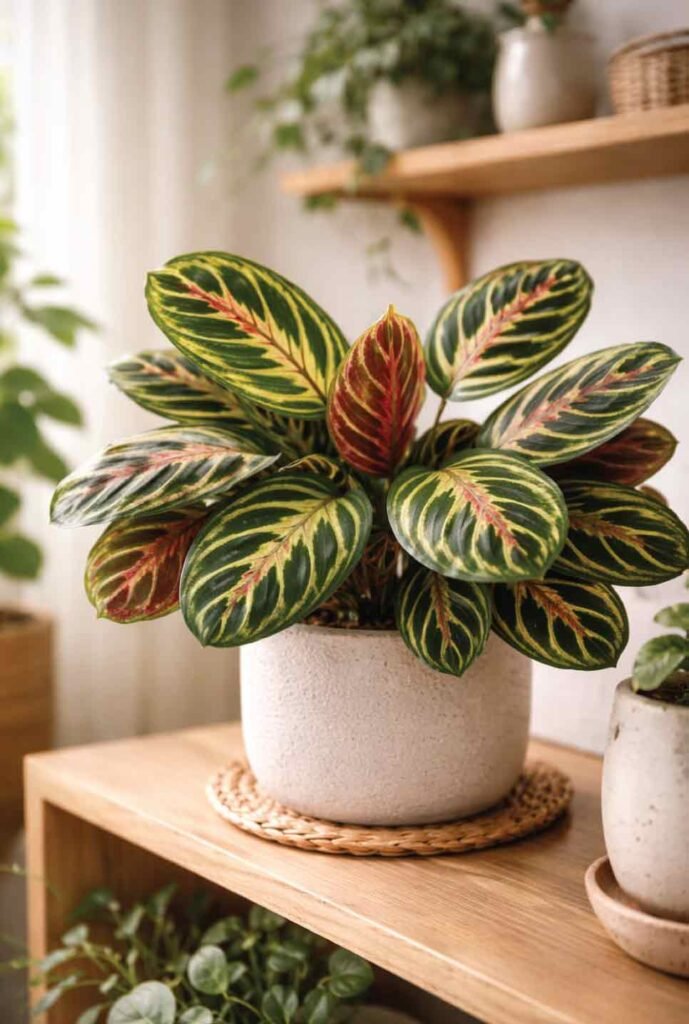
- The Danger: Often called “Dumb Cane,” this plant contains insoluble calcium oxalate crystals that act like tiny needles, causing intense burning and swelling of the mouth and throat.
- The Symptoms: You’ll notice your cat pawing at their mouth, drooling excessively, or having difficulty swallowing.
- The Beautiful Solution: The Prayer Plant (Maranta) features stunning, intricate patterns on its leaves that rival any Dieffenbachia. Plus, watching its leaves “fold up” at night is a fun bonus!
- The Reassurance: You get all the “designer” foliage drama with none of the painful mouth irritation.
4. The Healing Aloe (for us, not them!) -> The Architectural Zebra Haworthia
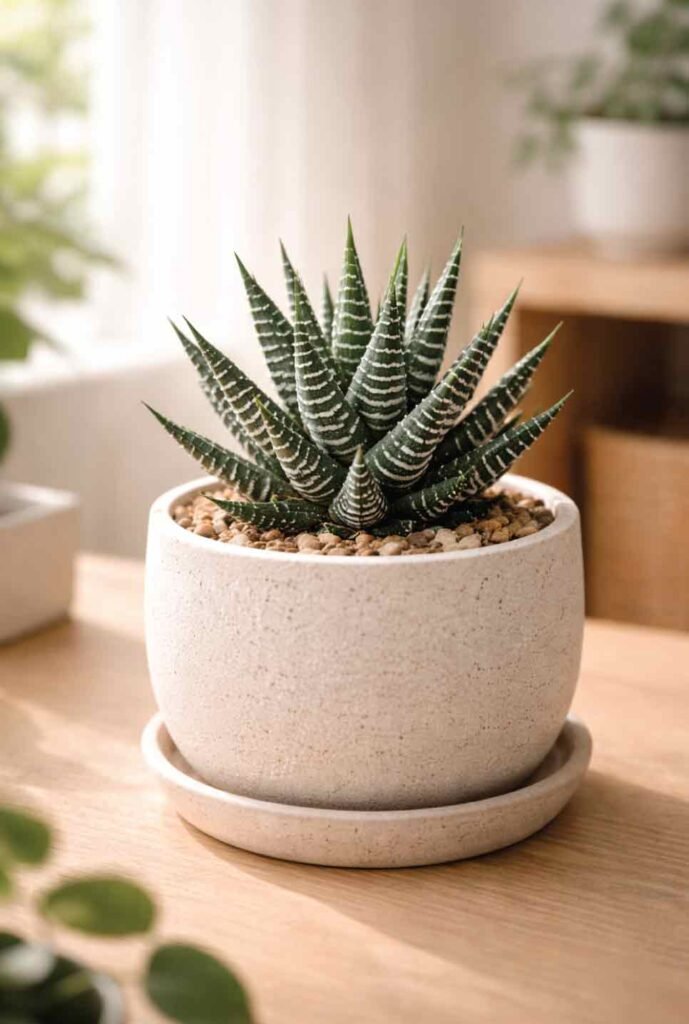
- The Danger: Aloe Vera is a staple for human skin, but for cats, the saponins and anthraquinones it contains can cause significant digestive distress.
- The Symptoms: Typical reactions include vomiting, diarrhea, and a noticeable change in urine color.
- The Beautiful Solution: The Zebra Haworthia is a perfect architectural twin. It’s a hardy, spiked succulent with cool white stripes that looks fantastic in a modern pot.
- The Reassurance: You can still rock the desert-chic look while keeping your cat’s tummy happy and healthy.
5. The Trailing English Ivy -> The Friendly Swedish Ivy
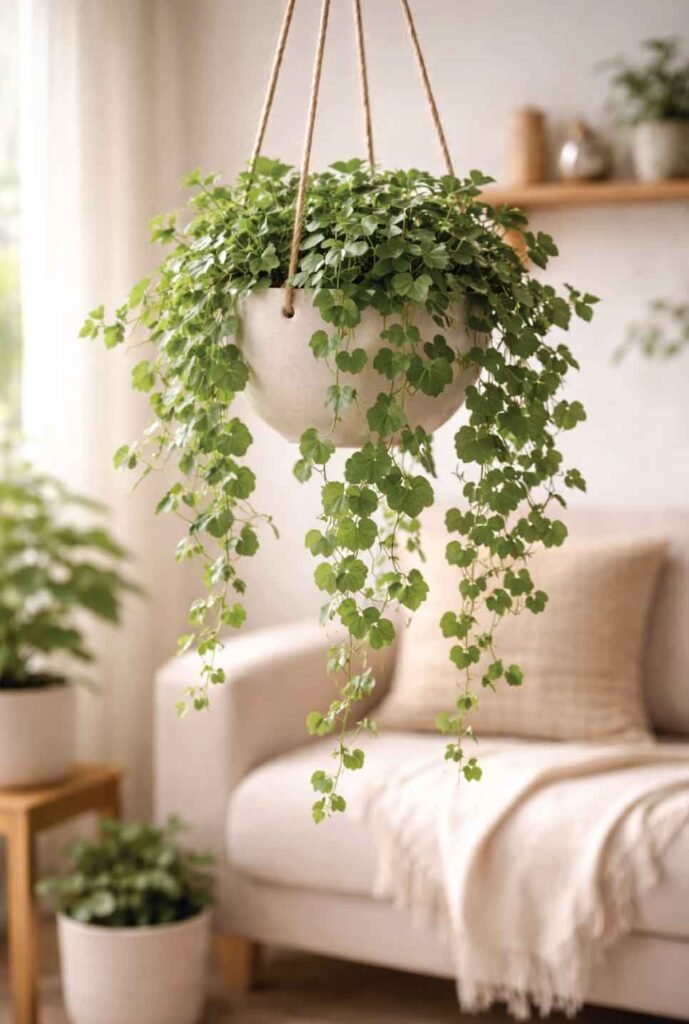
- The Danger: English Ivy is a classic for hanging baskets, but it contains triterpenoid saponins that are quite toxic to our feline friends.
- The Symptoms: If ingested, it leads to vomiting, abdominal pain, hypersalivation, and diarrhea.
- The Beautiful Solution: Swedish Ivy isn’t actually an ivy, but it trails just as beautifully. Its round, scalloped leaves are soft and safe for a cat who loves to “hunt” hanging vines.
- The Reassurance: This swap gives you that whimsical, cascading greenery without the toxic side effects.
6. The Trendy Monstera -> The Sturdy Money Tree
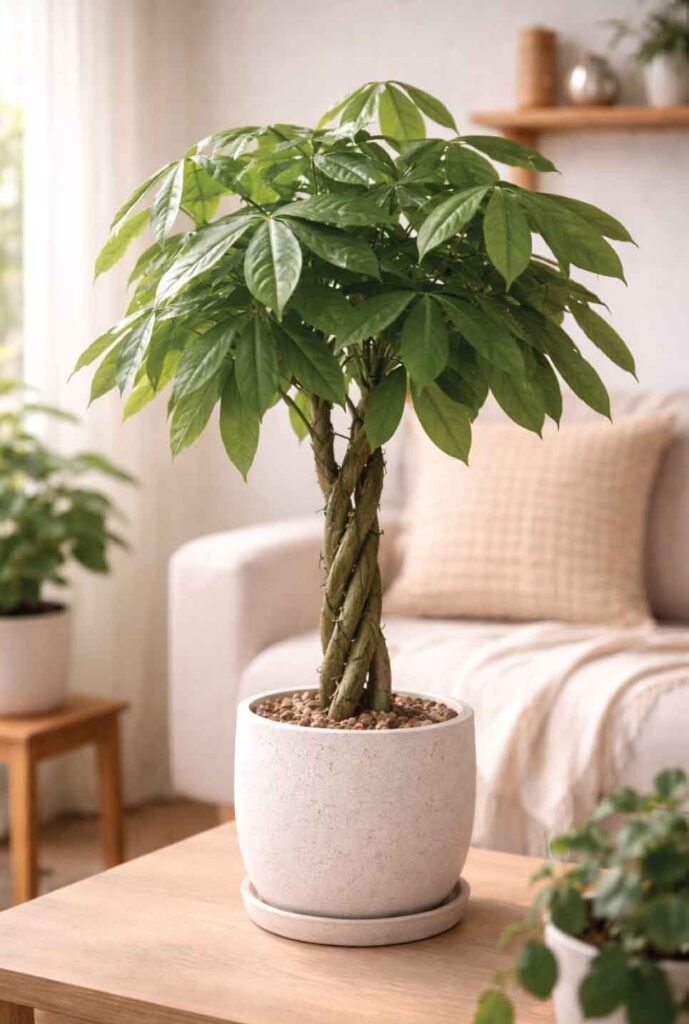
The Danger: The “Swiss Cheese Plant” is everywhere on social media, but those iconic leaves contain calcium oxalates that sting and irritate a cat’s digestive tract.
- The Symptoms: Look for oral irritation, intense burning, and swelling of the lips or tongue.
- The Beautiful Solution: A Money Tree (Pachira aquatica) provides a similar tropical height and large, vibrant green canopy. Its braided trunk adds a unique texture that’s safe for a curious cat to explore.
- The Reassurance: You can achieve that big, bold statement look without the mouth-stinging consequences.
7. The Common Pothos -> The Resilient Spider Plant
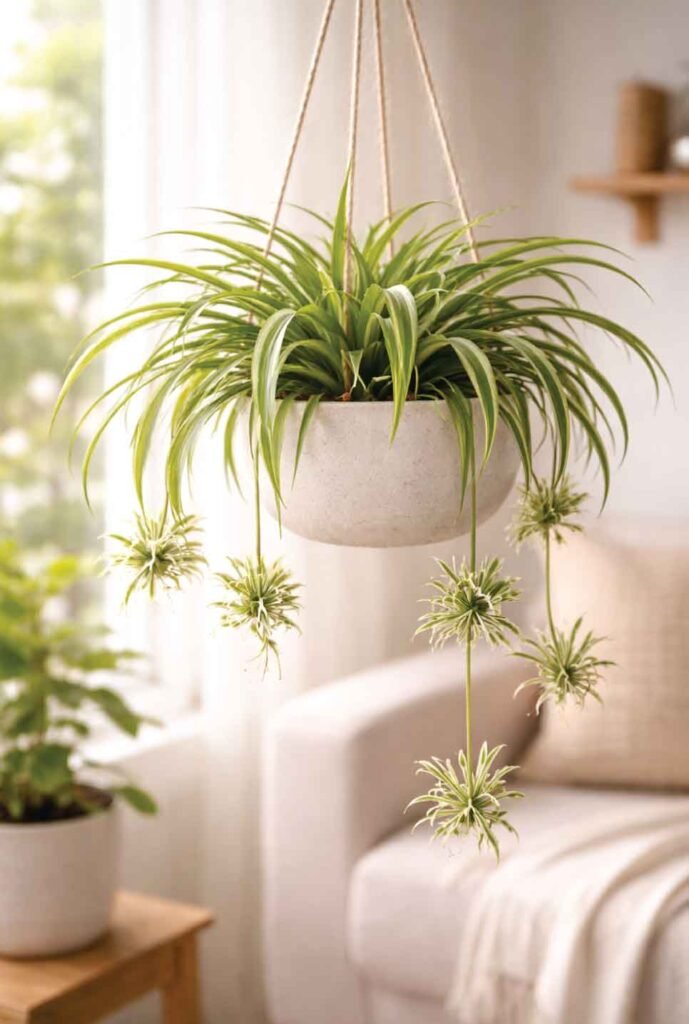
- The Danger: Pothos is the go-to “beginner” plant, but it’s another member of the calcium oxalate family that causes oral pain for cats.
- The Symptoms: Pawing at the face, drooling, and an upset stomach are the usual indicators.
- The Beautiful Solution: The Spider Plant is just as “unkillable” as a Pothos. It’s a champion at purifying the air and produces fun “spiderettes” that act as natural cat toys.
- The Reassurance: You keep the easy-care benefits and air-cleaning power while giving your cat a safe plant to play with.
8. The Classic Jade -> The Festive Christmas Cactus
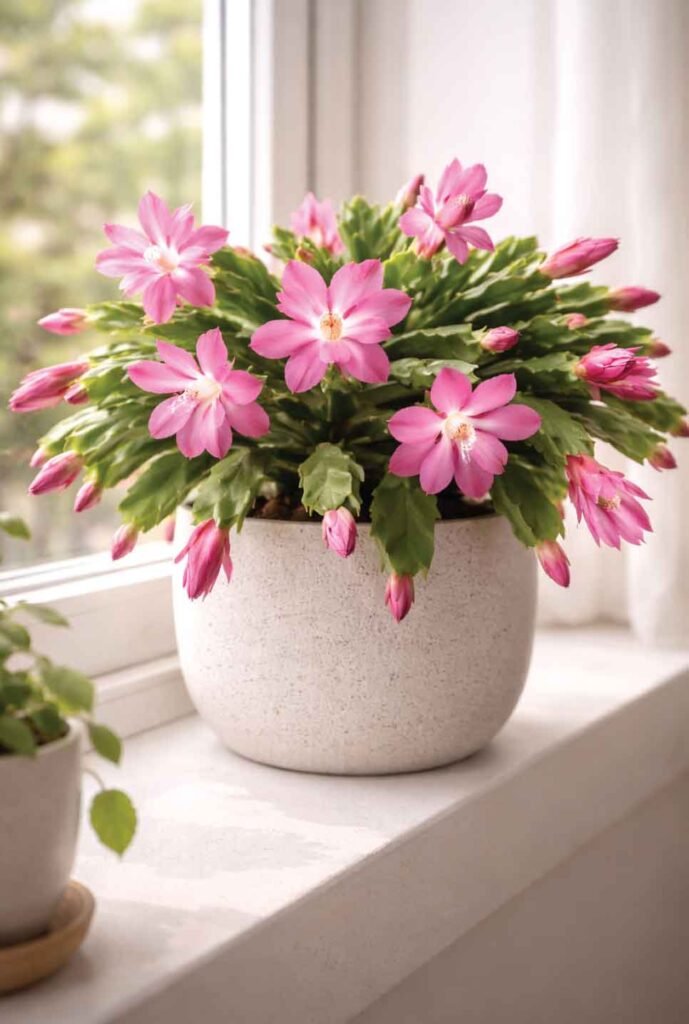
- The Danger: Jade plants are beautiful succulents, but their exact toxic principles are unknown; however, they are documented to cause distress in cats.
- The Symptoms: Common signs are vomiting, a slow heart rate (bradycardia), and a lack of coordination.
- The Beautiful Solution: The Christmas Cactus is a safe, hardy succulent that actually flowers! Its segmented leaves are durable and add a pop of color during the winter months.
- The Reassurance: You get a long-lived, easy-to-care-for succulent that celebrates safely with your pets.
9. The Upright Snake Plant -> The Striking Rattlesnake Plant
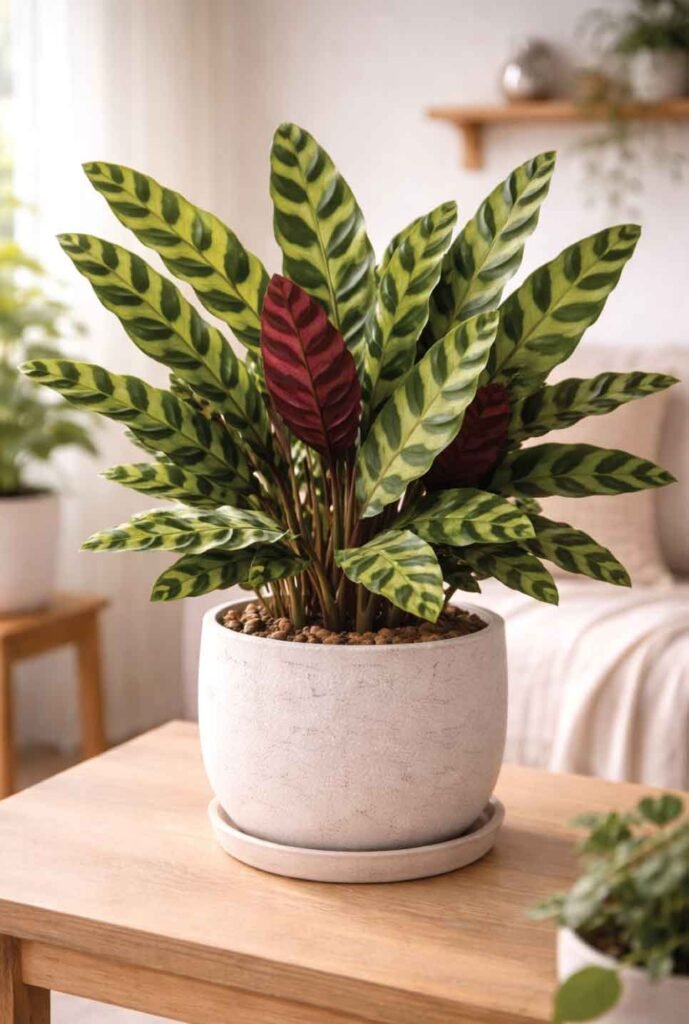
- The Danger: The Snake Plant (Mother-in-Law’s Tongue) is prized for its verticality, but its saponins cause nausea and vomiting in cats.
- The Symptoms: Aside from vomiting, you might notice diarrhea or a cat that seems unusually tired.
- The Beautiful Solution: The Rattlesnake Plant (Calathea lancifolia) offers that same upright, striking presence. Its leaves have a gorgeous wavy edge and dark green spots that make it a total conversation starter.
- The Reassurance: You maintain that sleek, architectural height with a plant that’s as safe as it is stylish.
10. The Deceptive Peace Lily -> The Lush Boston Fern
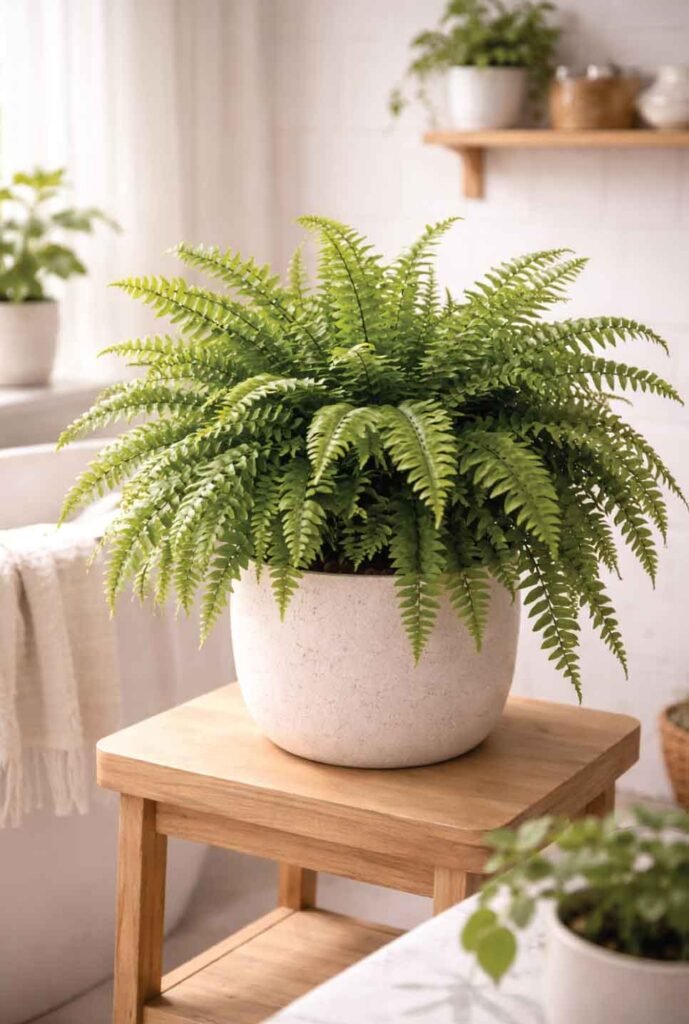
- The Danger: While not a “true” lily (meaning it’s not fatal), the Peace Lily still contains those painful oxalate crystals that cause severe oral irritation.
- The Symptoms: Intense drooling and an inability to keep food down due to mouth pain.
- The Beautiful Solution: The Boston Fern provides that same deep-green, lush volume. It also acts as a natural humidifier, which is great for your cat’s skin and respiratory health11.
- The Reassurance: You get a full, leafy green look that’s soft to the touch and safe to the tooth.
11. The Heart-Leaf Philodendron -> The Textured Watermelon Peperomia
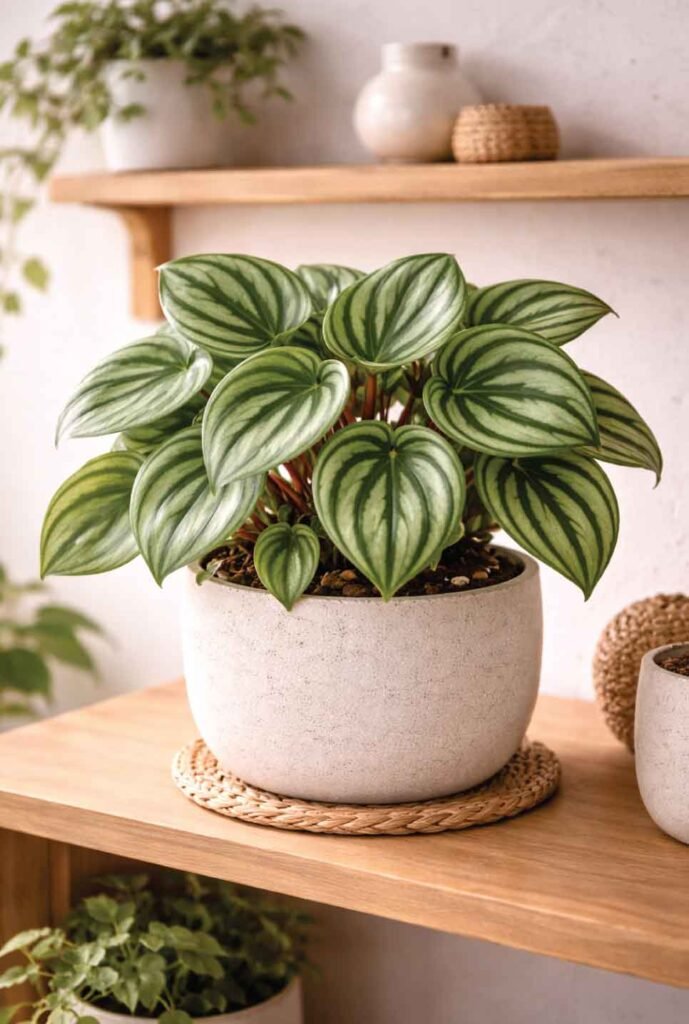
- The Danger: Philodendrons are beloved for their heart-shaped leaves, but like Pothos, they’re packed with irritating oxalates.
- The Symptoms: Swelling of the mouth and gastrointestinal upset if swallowed.
- The Beautiful Solution: The Watermelon Peperomia has adorable rounded leaves that look like mini watermelons. It’s compact, non-toxic, and has a very similar “cute” factor.
- The Reassurance: You keep the charm of small, heart-like leaves without the risk of a swollen throat.
12. The Low-Light ZZ Plant -> The “Indestructible” Cast Iron Plant
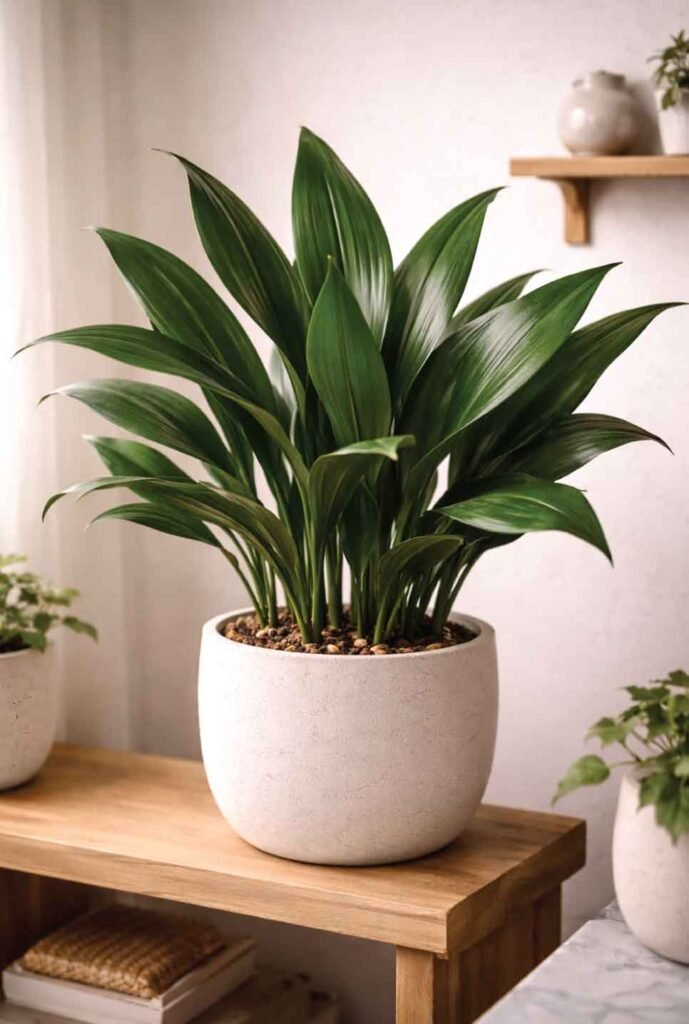
- The Danger: The ZZ plant is great for dark corners, but it is toxic to cats, causing digestive upset and oral pain.
- The Symptoms: Vomiting and diarrhea are the most frequent reactions.
- The Beautiful Solution: The Cast Iron Plant (Aspidistra elatior) lives up to its name. It survives in low light and neglect, just like the ZZ, but it is entirely pet-safe.
- The Reassurance: You can finally brighten up those dim corners without worrying about your cat’s safety.
13. The Toxic Azalea -> The Colorful African Violet
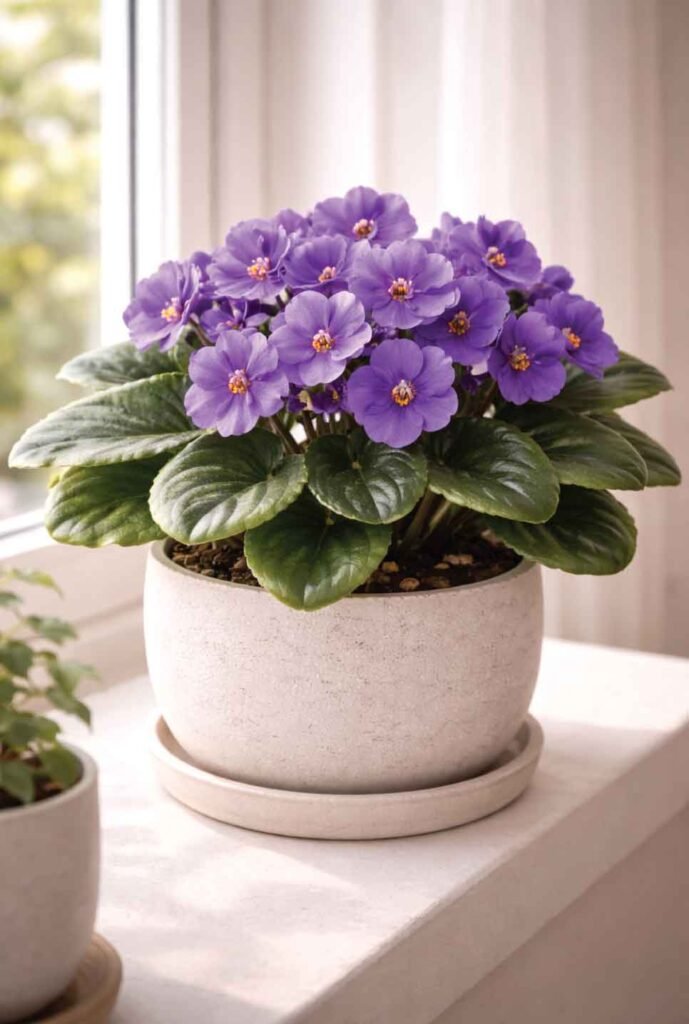
- The Danger: Azaleas are incredibly toxic to cats; even a few leaves can interfere with their muscle and nerve function.
- The Symptoms: Weakness, drooling, vomiting, and in severe cases, collapse or heart failure.
- The Beautiful Solution: African Violets provide consistent, beautiful blooms in shades of purple, pink, and white. They are small, safe, and perfect for adding color to a desk or table.
- The Reassurance: You get vibrant, year-round flowers that are safe for a curious “flower-sniffing” kitty.
14. The Structural Dracaena -> The Zen True Bamboo
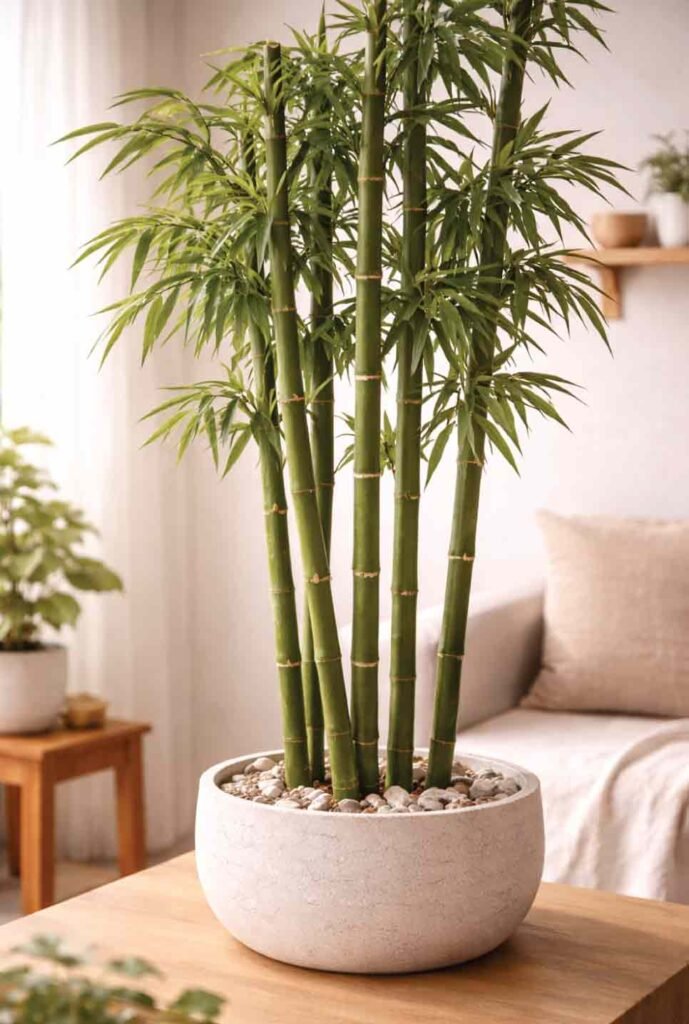
- The Danger: Dracaena (often called Corn Plants) contain saponins that cause dilated pupils and digestive distress in cats.
- The Symptoms: Vomiting (sometimes with blood), weight loss, and dilated pupils are key signs.
- The Beautiful Solution: True Bamboo (the woody kind, not “Lucky Bamboo” which is toxic) offers that same zen, structural look. It’s a hardy grass that can withstand some cat play.
- The Reassurance: You get that clean, minimalist aesthetic with a plant that’s actually built for durability.
15. The Blooming Kalanchoe -> The Playful Polka Dot Plant
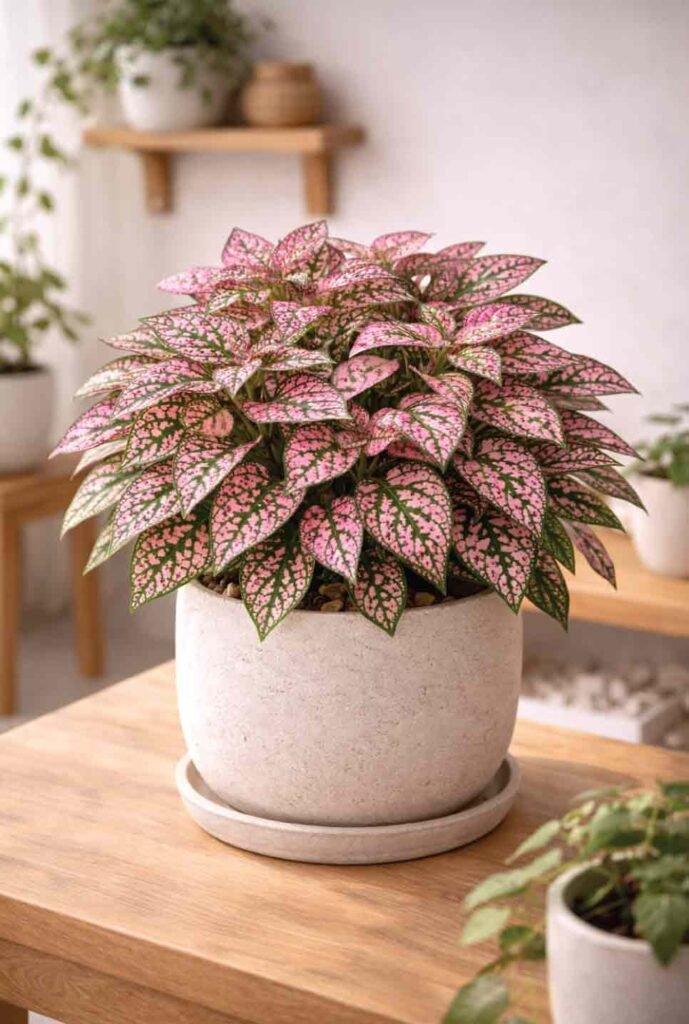
- The Danger: This flowering succulent contains cardiac glycosides that can affect a cat’s heart rhythm.
- The Symptoms: Drooling and vomiting at first, but it can escalate to a dangerous heart rate.
- The Beautiful Solution: The Polka Dot Plant (Hypoestes phyllostachya) is a safe way to get that splash of color. Its leaves are speckled with pink, red, or white, making it look like it’s constantly in bloom.
- The Reassurance: You can add a pop of pink to your room with a plant that’s 100% “heart-safe” for your cat.
Symptoms to Watch For: A “Red Flag” Guide
Even with the best precautions, accidents can happen. Knowing what to watch for, and acting quickly, can make a critical difference. Plant-related reactions in cats don’t always look dramatic at first, so recognizing early warning signs is essential.
Gastrointestinal Red Flags
The most common symptoms of plant exposure affect the digestive system.
Watch for:
- Vomiting
- Diarrhea
- Excessive drooling
- Loss of appetite
These signs may appear within hours of chewing a plant, but in some cases they can be delayed. Even mild digestive upset should be taken seriously, especially if you know a toxic plant is nearby.
Neurological Red Flags
Some plant toxins affect the nervous system and behavior.
Be alert for:
- Tremors or shaking
- Unsteady walking or loss of coordination
- Unusual hiding or withdrawal
- Sudden lethargy or disorientation
Cats are experts at masking discomfort, so subtle changes in behavior can be just as important as obvious physical symptoms.
Internal Warning Signs (Kidneys and Liver)
The most dangerous plant toxins can damage internal organs, sometimes before outward symptoms become obvious.
Red flags include:
- Increased or decreased thirst
- Changes in urination
- Weakness or collapse
- Progressive lethargy
With plants like lilies, kidney damage can begin quickly, sometimes before severe symptoms appear.
Immediate Action: Don’t Wait for Symptoms
If you see your cat chewing a plant, knocking pollen onto their fur, or playing with fallen leaves, don’t wait to “see what happens.”
Act immediately:
- Remove any plant material from your cat’s mouth or fur if it’s safe to do so.
- Take the plant out of reach to prevent further exposure.
- Contact your veterinarian or a pet poison resource right away.
Trusted emergency resources include:
Prompt action can significantly improve outcomes, especially with fast-acting toxins. When it comes to plant exposure, it’s always better to be cautious than to wait.
Next, we’ll look beyond the leaves themselves and explore hidden plant-related dangers you might not expect to find in your pots and vases.
Beyond the Plant: The “Hidden” Dangers in Your Pots
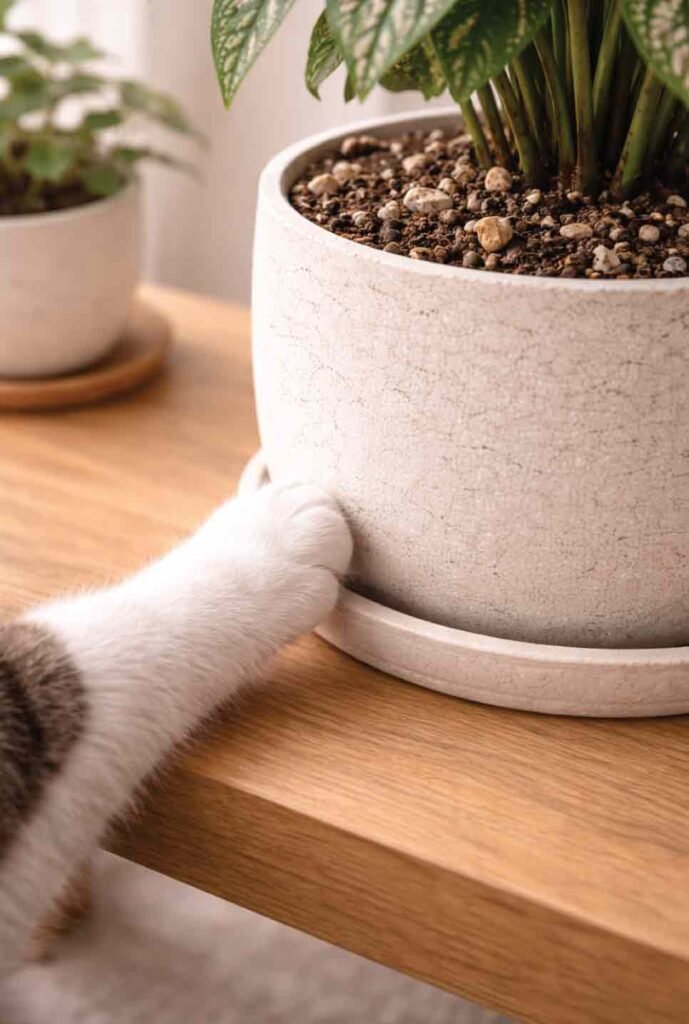
Even when you’ve removed obvious toxic plants, there are less visible risks that can still put curious cats in danger. These hidden hazards often sit right where cats love to explore: in soil, standing water, and freshly purchased plants.
The Soil Trap: Fertilizers and “White Bits”
Potting soil isn’t just dirt. It often contains fertilizers, slow-release pellets, and perlite (those lightweight white pieces cats love to dig up and bat around). While perlite itself isn’t highly toxic, it can cause irritation if swallowed, and fertilizer residues may upset a cat’s stomach or worse.
Cats that dig in pots are often responding to boredom or curiosity rather than hunger. If this sounds familiar, adding enrichment can help redirect that behavior (your guide on preventing boredom is a great complement here).
Tip: Use decorative stones or soil covers on pots, and choose pet-safe fertilizers only.
Water Safety: The Vase Isn’t Harmless
Many pet parents are surprised to learn that flower vase water can be dangerous, even if the plant itself looks untouched. Toxins can leach into the water from stems, pollen, or fallen petals. When cats drink from vases, a surprisingly common habit, they may ingest concentrated toxins.
This risk is especially serious with lilies, but it can apply to other toxic plants as well.
Tip: Never allow cats access to vase water. Empty it daily, keep vases out of reach, or skip cut flowers entirely in cat-accessible rooms.
For more on plant-related toxicity risks, authoritative resources like the ASPCA regularly update guidance on both plants and indirect exposure pathways.
Pesticide Residue: New Plants Need a “Quarantine”
Plants from nurseries or big-box stores are often treated with pesticides, fungicides, or leaf shine products. Even if the plant itself is labeled “non-toxic,” chemical residues on the leaves can still be harmful when licked.
Cats groom constantly, which means anything on their fur eventually ends up in their mouths.
Tip:
- Rinse new plants thoroughly with water
- Wipe leaves gently
- Keep new plants out of reach for several days before placing them in shared spaces
Pet poison specialists, including the Pet Poison Helpline, consistently warn that secondary exposure to chemicals is a common cause of preventable emergencies.
Being plant-smart isn’t just about what grows in the pot, it’s about everything that comes with it. By addressing these hidden dangers, you’re one step closer to creating a home that’s both lush and truly cat-safe.
Next, we’ll look at how to flip the script entirely by creating “yes spaces”, safe, irresistible plant options and enrichment that keep cats satisfied and away from risky greenery.
Enrichment: Creating a “Yes” Space for Your Cat
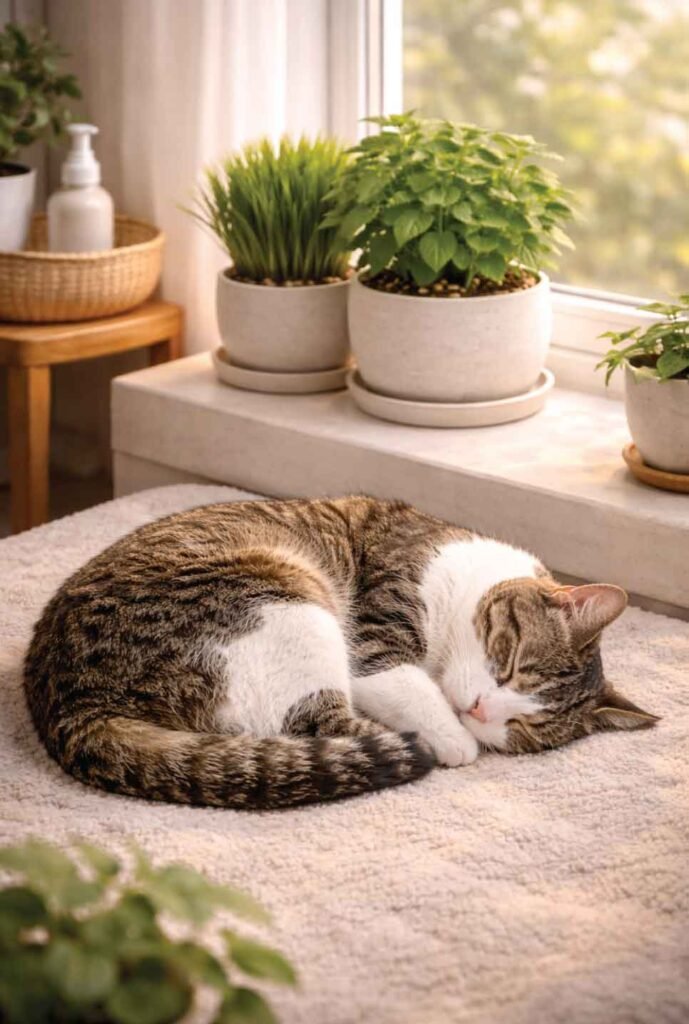
One of the easiest ways to protect your plants is to stop saying “no”, and start offering better “yes” options. When cats have safe outlets for chewing, sniffing, and exploring, they’re far less likely to target your decorative greenery.
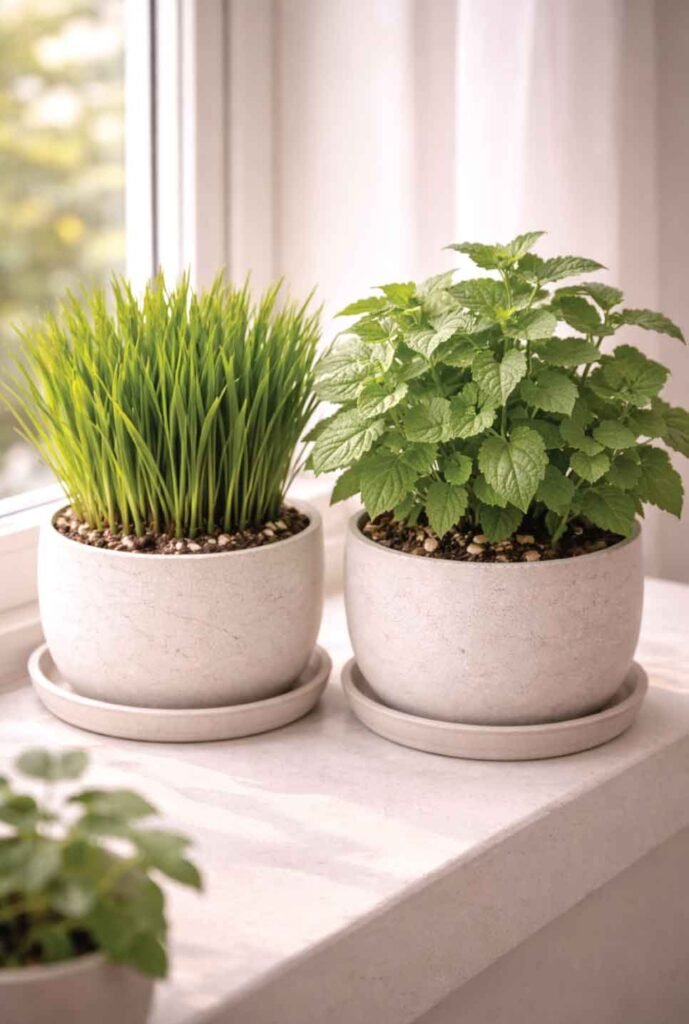
The Cat-Safe Window Garden
Cats love windows. They offer light, movement, and entertainment, making them the perfect spot for a cat-approved mini garden.
Two favorites:
- Cat Grass (often wheatgrass or oat grass) gives cats a safe, satisfying texture to nibble.
- Catnip can spark playful energy or calm relaxation, depending on your cat.
These plants redirect chewing behavior toward something designed for cats. If you want to explore how catnip affects different cats and how to use it safely, your in-depth guide is a great resource.
Tip: Keep cat grass in rotation so it stays fresh and appealing, boredom can set in even with “approved” plants.
Using Scent: Appealing (and Safe) Aromas
Cats experience the world largely through scent. Certain non-toxic herbs can be interesting to cats without being harmful when gently investigated.
Popular safe options include:
- Basil (aromatic and visually pleasing)
- Valerian (often stimulating, similar to catnip for some cats)
- Rosemary (best kept for scent, not chewing)
Placing these herbs slightly out of reach can satisfy curiosity without encouraging constant nibbling.
Distraction Tactics: Keep Curiosity Busy
Sometimes, plant chewing has nothing to do with plants at all. It’s simply a sign of boredom or under-stimulation.
Interactive play, climbing options, puzzle feeders, and rotating toys all reduce the urge to explore “forbidden” objects. Creating vertical spaces and daily play routines can make a noticeable difference, especially for indoor cats.
By creating a “yes space” filled with safe plants, engaging scents, and enriching activities, you’re not just protecting your houseplants, you’re meeting your cat’s natural needs in a positive way.
Next, we’ll wrap everything together and look at how a thoughtfully designed home can bloom beautifully for everyone, paws included.
Before bringing any mystery greenery into your home, use a plant identification app (like PictureThis or PlantNet) to get a clear species name. Once identified, cross-reference it with a reliable database like the ASPCA Toxic and Non-Toxic Plants list. If you receive a gift bouquet without a label, it is safest to keep it in a room your cat cannot access until you are 100% certain it contains no high-risk flowers like lilies.
While avoiding lilies is the most critical rule, many common "filler" flowers in supermarket bouquets are also problematic. For example, carnations, chrysanthemums (mums), and baby’s breath can cause mild to moderate gastrointestinal upset if nibbled. If you love fresh flowers, ask your florist for a "cat-safe" arrangement featuring roses, sunflowers, or snapdragons, which are generally considered non-toxic to felines.
Digging is a natural instinct, but it can be messy and dangerous if the cat ingests fertilizer. To deter this, place large, smooth river stones or a specialized "pot grate" over the soil surface to block access. Some cat owners also find success by placing a few citrus peels on top of the soil, as most cats find the scent of lemon or orange highly unpleasant and will avoid the area entirely.
If a cat that usually ignores plants starts nibbling them, it may be a sign of boredom or a lack of dietary fiber. Ensure your cat has plenty of mental stimulation, especially when you are not at home, to prevent them from seeking out "entertainment" in your greenery. In some cases, chronic stress or anxiety can also lead to unusual chewing behaviors, so keeping your cat's environment calm is essential for their overall well-being.
Absolutely! While catnip is famous for its "crazy" effects, many other herbs are safe and even beneficial for cats to snack on. You can grow a small "indoor salad bar" featuring wheatgrass (often sold as cat grass), lemon balm, valerian, and silver vine. These provide healthy fiber and sensory enrichment that can distract your cat from your decorative houseplants.
Do not wait for symptoms like vomiting or lethargy to appear, as some toxins take hours or days to cause visible damage. Immediately take a photo of the plant (or a sample of the leaf) and contact your veterinarian or a pet poison control hotline. Early intervention, such as inducing vomiting or administering activated charcoal, is much more effective and less expensive than treating organ failure after it has already begun.
Listen to the Podcast: Toxic Houseplants for Cats
Conclusion: A Home That Blooms for Everyone
Creating a cat-safe home doesn’t mean giving up on style, greenery, or the joy of decorating your space. As you’ve seen, safety and beauty can absolutely coexist. With a few thoughtful swaps and smart choices, it’s possible to enjoy a lush, calming indoor jungle while keeping curious paws protected.
The real win here is peace of mind.
Knowing that your cat can roam freely, nap under plants, sniff leaves, and explore windowsills, without hidden dangers changes how relaxed your home feels. You’re no longer watching every move or worrying about what might happen if they take a curious bite. That sense of ease is something every pet parent deserves.
If you’ve already made cat-safe plant swaps or created a little “yes space” for your feline friend, we’d love to see it. Sharing ideas helps other pet parents feel more confident and inspired, and it’s a great reminder that we’re all figuring this out together.
And if you’d like more gentle, practical tips on creating a happy, pet-friendly home, you’re warmly invited to join the PetSweetJoy newsletter. It’s where we share new guides, helpful checklists, and real-life ideas to help your pets, and your home, thrive.
Because the best homes don’t just look good.
They feel safe, calm, and full of life, for every member of the family.