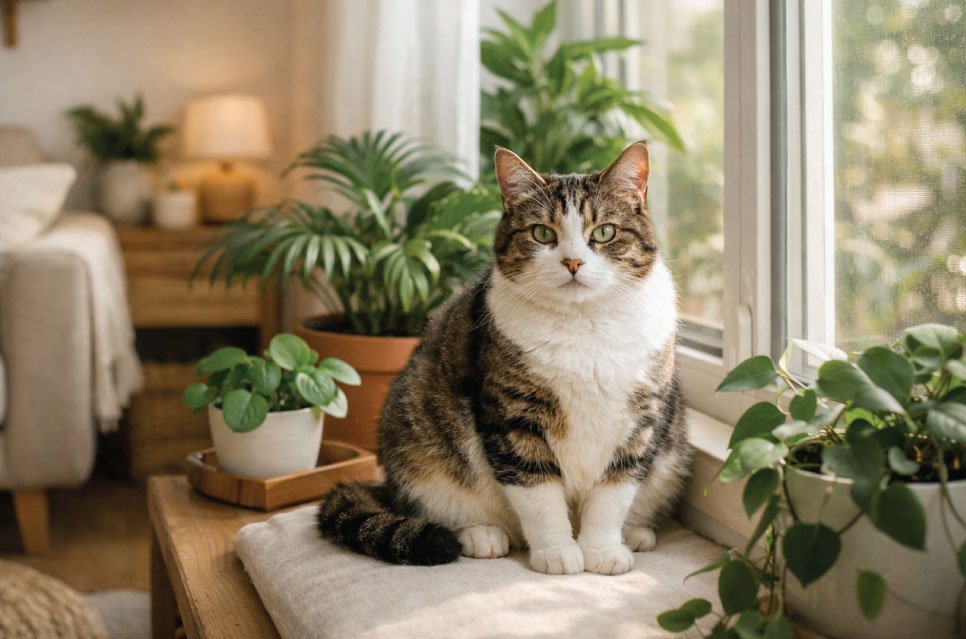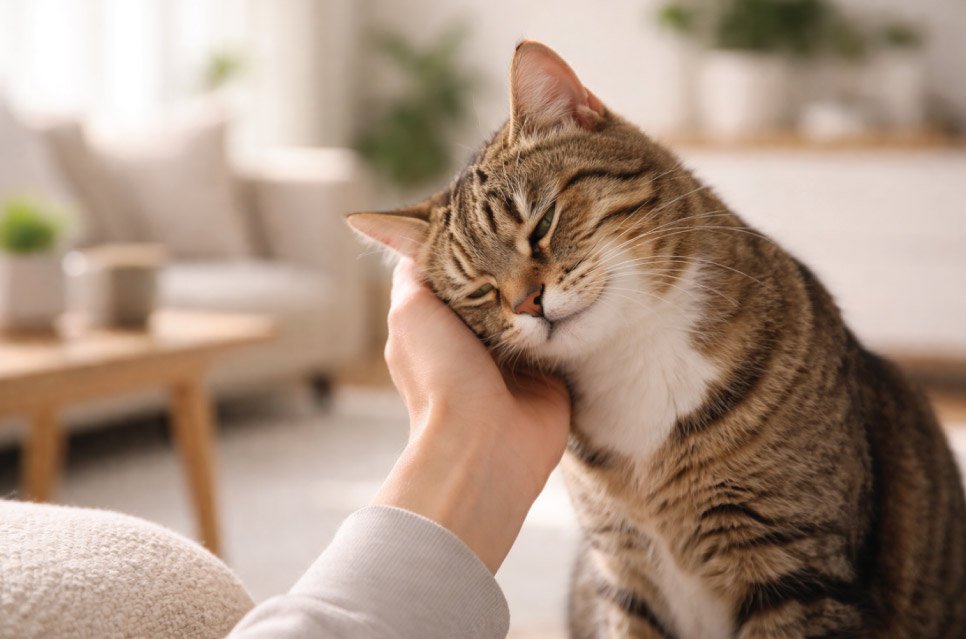

Catnip is a herb that has a unique effect on cats. It contains a compound called nepetalactone, which binds to receptors in a cat’s nasal passages and triggers a euphoric response. This can cause cats to roll around, rub against the catnip, and exhibit other playful behaviors. Not all cats are equally susceptible to catnip, but about 70% of cats will respond to it in some way.
Catnip is special for cats because it is one of the few substances that can produce such a strong and predictable effect. It is also a safe and natural herb, so it is a great way to give your cat a little extra fun and excitement.
Introduction
Welcome to the world of Catnip. This seemingly unremarkable herb, scientifically known as Nepeta cataria, has been captivating cats for a long time. In this article, we will explore various aspects of Catnip, from its origins to its impact on our feline friends.
Caring for a cat is an opportunity to cherish and nurture a unique bond. To ensure their health and happiness, provide them with the essentials: a balanced diet, fresh water, a safe home, regular veterinary check-ups, and plenty of playtime.
Catnip isn’t just a simple distraction for your cat; it’s a herb that can turn your calm pet into an energetic acrobat and make him playfull and happy. Now, let’s take a journey through the world of Catnip.
Listen to the Podcast: Effects of Catnip on Cats
Catnip: A Brief Overview
Catnip, a member of the mint family, has roots in Europe and Asia but has found a place in many households worldwide. Known for its aromatic leaves, catnip contains a compound called nepetalactone, which triggers a euphoric response in cats.
The historical roots of catnip date back to ancient civilizations, where it gained recognition for its medicinal properties in humans. Ancient Romans used it as a cooking herb and natural remedy. Over time, catnip spread across continents, adapting to different climates and becoming a favored treat for cats. Interestingly, different regions produce catnip with varying potency levels due to climate and soil conditions.
The Science Behind Nepetalactone
The active component of catnip, nepetalactone, is a volatile oil that works like a natural drug for cats. According to research by Dr. Bruce Kornreich at Cornell University’s Feline Health Center, nepetalactone binds to receptors in a cat’s nasal passages and triggers a neurological response.
Here’s what happens in your cat’s brain:
- The scent travels through the nasal tissue to the olfactory bulb
- It stimulates sensory neurons that connect to the brain
- This releases endorphins – natural “feel good” chemicals
- The effect typically lasts 10-15 minutes
- After this, cats enter a “refractory period” where they won’t respond to catnip for about 30 minutes to 2 hours
In some cats, nepetalactone acts as a mild sedative when ingested rather than inhaled, reducing anxiety and promoting relaxation. This dual effect makes catnip both a stimulant and a relaxant, depending on how your cat experiences it.
Age, Genetics, and Catnip Sensitivity
Not all cats are created equal when it comes to catnip sensitivity. Scientific studies reveal that catnip response is hereditary, passed down through autosomal dominant genes. Here’s what you need to know:
- Kittens (0-6 months): Young kittens don’t typically respond to catnip because their neurological systems aren’t fully developed. The sensitivity usually appears around 3-6 months of age, coinciding with sexual maturity.
- Adult cats: About 70-80% of cats show sensitivity to catnip. The remaining 20-30% are genetically programmed not to respond – and that’s perfectly normal!
- Senior cats: Older cats may show reduced sensitivity due to declining sensory abilities, but many maintain their catnip response throughout their lives.
- Breed differences: While most breeds can enjoy catnip, some studies suggest certain breeds like Siamese and Burmese may have higher sensitivity rates.
Cultivating Your Own Catnip Garden
Growing your own catnip ensures freshness and potency while saving money. Fresh catnip is actually more potent than dried versions because the essential oils haven’t evaporated.
Planting guide:
- Choose a sunny location receiving at least 6 hours of direct sunlight daily
- Prepare well-draining soil with compost, maintaining a pH between 6.0-7.5
- Sow seeds 12 inches apart and lightly cover with soil
- Water regularly but avoid over-saturation (catnip is drought-tolerant once established)
- Harvest leaves in the morning after dew evaporates for maximum potency
Pro tip: Catnip is a perennial, so it’ll return year after year. Plus, it naturally repels mosquitoes and other insects from your garden!

Understanding Feline Behavior with Catnip
When cats encounter catnip, their behavior can range from subtle interest to complete euphoria. Research shows several common responses:
Typical behaviors include:
- Rolling, rubbing, and head-shaking
- Drooling and increased vocalization
- Playful jumping and running
- Some cats become more affectionate and seek human attention
- Others prefer solitary enjoyment
The “catnip high” explained: Scientists believe this behavior mimics sexual responses because nepetalactone’s chemical structure is similar to pheromones. That’s why spayed and neutered cats still respond – the neurological pathways remain active.
Multi-cat households: In homes with multiple cats, catnip can create interesting social dynamics. Some cats become more territorial, while others become more social. Monitor your cats’ interactions during catnip sessions.
Different Forms and Their Effects
Understanding catnip varieties helps you choose the best option for your cat:
- Fresh catnip: Most potent form with highest nepetalactone concentration. Best crushed or bruised to release oils.
- Dried catnip: Convenient and long-lasting, but less potent than fresh. Store in airtight containers away from light and heat.
- Catnip essential oil: Highly concentrated but can be overwhelming. Use sparingly and never apply directly to cats.
- Organic vs. conventional: Organic catnip often has higher potency and fewer processing chemicals.
- Storage tips: Keep dried catnip in the freezer to maintain potency for up to two years.
Training and Enrichment Uses
Catnip can be a valuable tool for positive reinforcement and environmental enrichment:
Training applications:
- Reward good scratching post use by rubbing catnip on the post
- Encourage shy cats to explore new environments
- Motivate overweight cats to exercise more actively
- Help cats adjust to new furniture or spaces
Enrichment ideas:
- Catnip-filled toys for independent play
- Sprinkle dried catnip on cat trees or beds
- Create “catnip tea” by steeping dried catnip in warm water, then cooling (some cats enjoy drinking it)
- Use catnip bubbles for interactive play
Health Benefits and Therapeutic Uses
Beyond entertainment, catnip offers several health benefits:
- Stress relief: The endorphin release helps anxious cats relax during stressful situations like vet visits or moving homes.
- Digestive aid: When consumed in small amounts, catnip can help with minor digestive issues.
- Natural insect repellent: Nepetalactone is more effective than DEET at repelling mosquitoes, making it useful for outdoor cats.
- Pain relief: Some evidence suggests catnip may have mild pain-relieving properties, though more research is needed.

Catnip Alternatives: Expanding Your Options
Beyond its role in playfulness, Catnip offers health benefits to your cat. Understand how it aids in stress reduction, mitigates anxiety, and serves as a natural insect repellent.
Catnip, known for inducing playful behavior in cats, contains nepetalactone, an active ingredient that binds to receptors in a cat’s nasal passages. This interaction triggers the release of endorphins, fostering feelings of pleasure and happiness. Additionally, some cats may experience a mild sedative effect, reducing anxiety and promoting tranquility.
While scientific exploration of the health benefits of catnip for cats remains limited, anecdotal evidence suggests a range of advantages, including stress reduction, mood enhancement, improved appetite, antibacterial and antiviral properties, potential pain relief, and increased social interactions.
Catnip versus Alternatives
Contrast Catnip with alternatives like Silver Vine and Valerian Root. Understand the distinctive attributes of each and determine the optimal choice tailored to your cat’s preferences.
A. Catnip stands as the most recognized and prevalent herb for cats, featuring nepetalactone, the active ingredient provoking responses in cats’ olfactory receptors. This results in playful behavior, heightened vocalization, and, in some cases, mild sedation. Approximately 70% of cats respond positively to catnip, highlighting its variable effects.
B. Silver Vine or Matatabi, represents another herb inducing playful behavior in cats. It houses actinidine, an active ingredient believed to operate similarly to nepetalactone. However, silver vine exhibits lower potency than catnip, prompting cats to roll rather than engage in pouncing or chasing. It is less ubiquitous than catnip and may pose a challenge to procure.
C. Valerian Root seldom triggers playful behavior in cats, instead exerting a calming influence that reduces anxiety and induces relaxation. This stems from its valerenic acid content, interacting with GABA receptors in the brain. Valerian root is frequently employed as a natural sleep aid for cats.

Catnip Safety Measures
Catnip is a safe and natural herb for most cats, but it’s important to use it in moderation and be aware of potential side effects to ensure your cat’s well-being. If your cat experiences vomiting, diarrhea, or excessive drooling after ingesting catnip, stop giving it to them and consult a veterinarian.
It is also advised to avoid giving catnip to pregnant or nursing cats as it could act as a mild sedative and safety concerns remain regarding its effects on unborn or nursing kittens. If your cat seems uninterested in catnip, it’s probably because they’re not sensitive to it. About 30% of cats don’t experience its effects, and that’s perfectly normal.
To ensure a safe and enjoyable experience for your cat with catnip, follow these general guidelines:
- Introduce catnip to your cat gradually and closely observe their reaction.
- Don’t force catnip on your cat if they’re not interested.
- Store catnip in an airtight container to maintain its freshness.
Catnip is generally safe, but responsible use is important:
Dosage recommendations:
- Use catnip sparingly – a pinch of dried catnip or a few fresh leaves is sufficient
- Limit exposure to 2-3 times per week to prevent habituation
- Remove catnip toys after 15-20 minutes to maintain novelty
Safety precautions:
- Watch for overconsumption signs: vomiting, diarrhea, or excessive drooling
- Don’t use catnip essential oil directly on cats
- Store securely away from cats to prevent overindulgence
When to consult a vet:
- If your cat shows adverse reactions
- Before using catnip with cats on medications
- If behavioral changes seem extreme or concerning
Catnip: Frequently Asked Questions (FAQs)
Absolutely! While sensitivity may vary, most cats, regardless of breed, can indulge in the pleasures of Catnip.
Moderation is key. Limit Catnip exposure to once every two weeks to maintain its effectiveness.
Certainly! Silver Vine and Valerian Root are excellent alternatives that offer similar stimulating effects.
When used in moderation, Catnip is safe. However, excessive exposure may lead to desensitization, so it's crucial to monitor usage.
Introduce Catnip to kittens gradually. Most kittens show little to no reaction until they are around three to six months old.
Absolutely! Catnip can be a fantastic tool for positive reinforcement during training sessions.
Conclusion
Understanding catnip opens up a world of enrichment possibilities for you and your feline companion. This remarkable herb, with its unique compound nepetalactone, provides safe, natural entertainment while potentially offering health benefits.
Whether your cat goes crazy for catnip or simply sniffs and walks away, remember that both responses are completely normal. The key is responsible use, providing variety, maintaining freshness, and always prioritizing your cat’s safety and well-being.
From growing your own catnip garden to exploring alternatives like silver vine, you now have the knowledge to enhance your cat’s environment naturally. So go ahead, sprinkle some magic into your cat’s day, and enjoy watching them experience the simple pleasure of this amazing plant that has been delighting cats for centuries.