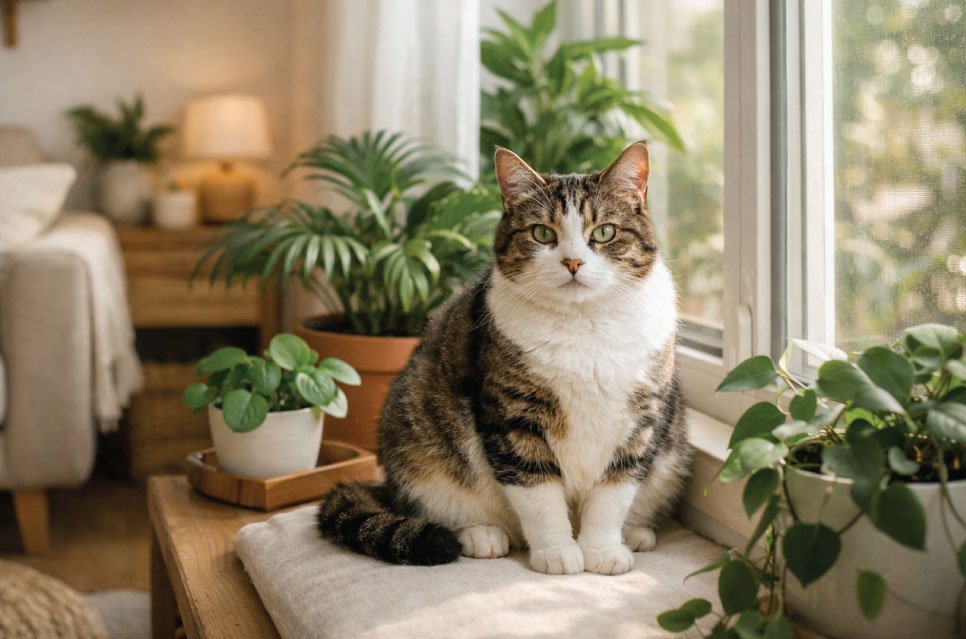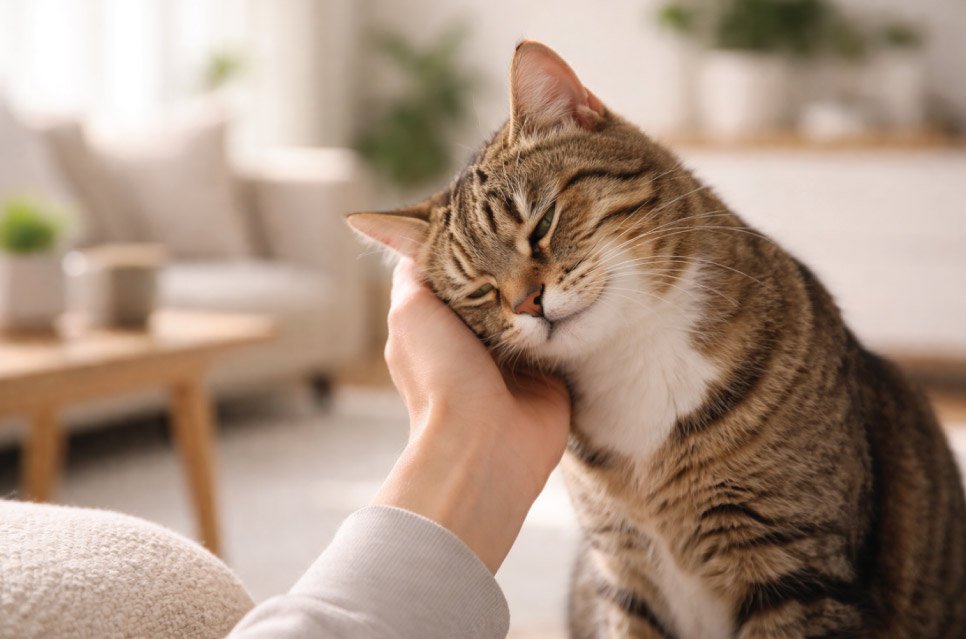

What does a cat need to live a healthy, happy life?
Cats need proper nutrition, mental stimulation, regular veterinary care, a safe environment, and daily affection to remain healthy and emotionally balanced.
Caring for a cat goes far beyond providing food and shelter. A cat’s well-being depends on meeting a combination of physical, mental, and emotional needs throughout their life.
From a nutritional standpoint, cats require a balanced diet suited to their age, activity level, and health condition, along with constant access to fresh, clean water. Environmentally, they need a safe space that allows for rest, play, exploration, and retreat when they want privacy.
Emotional care is just as important. Cats form strong bonds with their humans and thrive on consistent routines, gentle interaction, and opportunities to express natural behaviors like hunting, climbing, and observing their surroundings.
Understanding cat care as a privilege rather than a task helps strengthen the human–cat bond. When their needs are met with patience, respect, and affection, cats reward their caregivers with trust, companionship, and long-term emotional connection.
How do you create a comfortable environment for a cat?
A comfortable cat environment includes cozy resting areas, engaging toys, vertical spaces, and quiet retreats that support natural behaviors and reduce stress.
Creating a cat-friendly environment is essential for your cat’s physical comfort and emotional security. Cats feel safest when their surroundings allow them to rest, play, observe, and retreat on their own terms. A well-designed space reduces anxiety and supports healthy daily routines.
What kind of bed is best for a cat?
The best cat bed is warm, quiet, and appropriately sized, offering soft materials and optional enclosure so cats can rest securely and comfortably.
Cats sleep many hours a day and prefer sleeping spots that make them feel protected. When choosing a bed, consider:
Size: Large enough for stretching and curling
Material: Soft, warm fabrics that retain heat
Support: Some cats benefit from orthopedic padding
Privacy: Enclosed or hooded beds appeal to cats that enjoy hiding
Placement: Quiet areas away from noise and foot traffic
Some cats ignore store-bought beds and choose boxes or furniture instead. Observing your cat’s preferences is key.

What toys and games do cats need?
Cats need toys that stimulate hunting instincts, encourage movement, and provide mental enrichment to prevent boredom and destructive behavior.
Toys are not optional extras, they are essential tools for feline well-being. A mix of toy types works best:
Scratching posts: Protect furniture and satisfy natural scratching urges
Interactive toys: Feather wands, dangling toys, or motion-based toys
Solo toys: Balls or toy mice for independent play
Puzzle toys: Encourage problem-solving and slow feeding
Rotating toys regularly keeps playtime exciting and prevents overstimulation.
How can you create a safe and stress-free space for a cat?
A safe cat space includes vertical climbing areas, hiding spots, hazard-free zones, and calm areas where cats can retreat without disturbance.
Cats rely on control over their environment to feel secure. You can reduce stress by providing:
Vertical spaces: Cat trees or shelves allow cats to observe safely
Hideaways: Boxes, tunnels, or enclosed beds for uninterrupted rest
Hazard control: Keep toxic plants, cords, and small objects out of reach
Quiet zones: Separate calm areas away from loud activity
Adapting your home to your cat’s personality: shy, curious, or energetic, helps them feel confident and relaxed, supporting long-term health and happiness.
What should you feed a cat for optimal health?
Cats need a balanced, meat-based diet matched to age and activity, with controlled portions and constant access to fresh water for long-term health.
Nutrition is the foundation of a cat’s overall well-being. The right diet supports healthy muscles, digestion, coat condition, energy levels, and immune function. Because cats are obligate carnivores, their meals must prioritize animal protein and essential nutrients they cannot synthesize themselves.
How do you choose the right cat food?
The right cat food contains real animal protein as the main ingredient and is formulated for your cat’s life stage, health needs, and lifestyle.
Choosing cat food can feel overwhelming, but focusing on a few key factors makes it easier:
Life stage: Kittens, adult cats, and seniors have different nutritional needs
Protein quality: Real meat should be listed first on the ingredient label
Health considerations: Some cats need specialized diets for sensitivities or medical conditions
Texture preference: Some cats prefer dry kibble, others wet food, and many benefit from a mix
Avoid foods heavy in fillers such as corn or soy, which offer little nutritional value for cats.
How much food should you give a cat?
Most indoor cats thrive on measured portions split into meals, adjusted for activity level to prevent weight gain and support healthy metabolism.

Portion control is just as important as food quality. Overfeeding is one of the most common causes of obesity in cats.
General guidelines include:
Dry food: Typically about ⅓ to ½ cup per day, depending on calorie density and activity
Wet food: Often 3–4 ounces per meal, usually divided into two daily servings
Activity level: Active cats may need more calories than sedentary indoor cats
Helpful strategies for healthy feeding habits:
Use puzzle feeders to slow eating and add mental stimulation
Divide daily food into multiple small meals
Monitor body condition and weight regularly
If you notice sudden weight changes or appetite shifts, adjusting portions and consulting a veterinarian is recommended.
How often should a cat visit the veterinarian?
Most cats should see a veterinarian at least once a year for preventive check-ups, while kittens, seniors, and ill cats may need more frequent visits.
Regular veterinary care is essential for detecting health issues early and keeping your cat in optimal condition. Cats are experts at hiding discomfort, which makes routine check-ups especially important, even when your cat appears healthy.
What happens during a routine cat vet visit?
A routine vet visit includes a physical exam, weight check, health history review, and guidance on nutrition, behavior, and preventive care.
During a standard veterinary visit, your vet will typically:
Perform a physical exam: Checking eyes, ears, teeth, coat, joints, and abdomen
Assess weight and body condition: Early detection of obesity or weight loss
Review health history: Appetite, behavior, litter box habits, and lifestyle
Recommend tests if needed: Blood work, urine tests, or parasite screening
These visits allow potential issues to be addressed before they develop into serious or costly problems.
Why are vaccinations and preventive care important for cats?
Vaccinations and preventive care protect cats from serious infectious diseases, parasites, and long-term health complications throughout their lives.
Preventive care acts as your cat’s long-term health shield and typically includes:
Vaccinations: Protection against diseases such as rabies and feline viral infections
Parasite prevention: Flea, tick, and worm control tailored to your cat’s lifestyle
Dental care: Tooth brushing, dental treats, and professional cleanings when needed
Early detection: Identifying illness before symptoms become severe
Your veterinarian will recommend a personalized prevention plan based on whether your cat lives indoors, outdoors, or both.

How do you properly groom and maintain a cat’s hygiene?
Proper cat grooming includes regular brushing, ear checks, and dental care to support comfort, cleanliness, and overall health.
Grooming is not just cosmetic, it plays a vital role in your cat’s health and comfort.
Key grooming practices include:
Brushing: Reduces shedding, prevents mats, and strengthens the human–cat bond
Ear care: Occasional checks and gentle cleaning help prevent infections
Dental hygiene: Supports gum health and reduces the risk of dental disease
Introducing grooming routines gradually and calmly helps your cat associate these activities with safety and trust rather than stress.
How can you understand a cat’s behavior and emotions?
Cats communicate through body language, vocal sounds, and daily habits, allowing owners to recognize emotions like contentment, stress, fear, or discomfort.
Cats communicate through subtle cues. Recognizing signs of happiness or stress is vital. A content cat exhibits behaviors like purring and relaxed body language, while stress may manifest in hiding or excessive grooming.
They might be known for their mysterious ways, but understanding their signals, we can get to the bottom of a whole new level of connection.
What are the signs of a happy cat?
A happy cat shows relaxed body posture, gentle purring, playful behavior, upright tail position, and seeks positive interaction with people.
A happy and content cat will typically exhibit the following behaviors:
- Purring: Ah, the universal language of cat joy! Purring, whether it’s a rumble or a trill, signals contentment. Look out for it when your cat is kneading, rubbing against you, or seeking attention.
- Erect Tail: A cat’s tail is often an indicator of their mood. When their tail will be held upright, with the tip slightly curved, you’ve got one happy kitty.
- Whisker Up: Whiskers aren’t just facial accessories, they’re mood indicators. If your cat’s whiskers are up and forward, they’re sailing through life in relaxation mode.
- Warm and Fluffy Fur: A happy cat wears their fur like a soft, fluffy robe. No mats or tangles here, just pure feline bliss.
- Playful Behavior: Cats are the masters of play, so if your kitty is batting at toys, chasing string, or pouncing on objects, you’ve got one joyful furball.
- Affectionate Behavior: Happy cats love a good cuddle. If your feline friend enjoys being petted and seeks out human companionship, you’ve hit the jackpot.

How can you recognize stress or discomfort in a cat?
Signs of stress in cats include hiding, flattened ears, hissing, excessive grooming, litter box issues, or sudden changes in behavior.
It’s important to be able to recognize the signs of stress or discomfort in cats, as these can lead to health problems and behavioral issues. Some common signs of stress in cats include:
- Ears on Alert: Flattened ears signal anxiety or feeling threatened. Keep an eye on those ears, they’re your cat’s emotional barometer.
- Low Growling or Hissing: Low growls or hisses are clear indicators of a cat feeling defensive or threatened.
- Fluff Explosion (Piloerection): If your cat’s fur stands on end, it’s like a stress flag. They’re trying to appear bigger and scarier than they feel.
- Avoiding Interaction: Cats may withdraw and avoid interaction when stressed or uncomfortable.
- Urination or Defecation outside the Litter Box: Stress can lead to inappropriate bathroom habits, like going outside the litter box.
How can you help your cat feel happy and healthy?
Cats stay happiest with daily play, a stable routine, safe spaces, gradual changes, and consistent human interaction tailored to their personality.
So, how can you ensure your feline friend lives their best life? Here are some simple tips:
- Provide Plenty of Playtime: Cats are natural-born hunters, so they need plenty of opportunities to exercise and play. Invest in a variety of toys that appeal to their natural instincts, such as scratching posts, feather wands, and toys that dangle or bounce.
- Create a Comfortable Space: Cats need a safe and comfortable place to sleep, eat, and play. Provide them with a cozy bed, a scratching post, and a litter box that is always accessible and clean.
- Spend Quality Time with Your Cat: Cats are social creatures, so they need human companionship. Make time to cuddle, pet, and play with your cat every day.
- Introduce New Things Gradually: If you are bringing a new pet into your home or making other changes to your cat’s environment, make sure to do so gradually to minimize stress.
- Consult Your Veterinarian: If you are concerned about your cat’s behavior, be sure to consult with your veterinarian. They can rule out any medical causes and provide you with personalized advice.

How much playtime and exercise does a cat need?
Most cats need at least 20–30 minutes of daily play split into short sessions to stay physically fit, mentally stimulated, and emotionally balanced.
Playtime is essential to a cat’s health, not a luxury. Regular exercise helps cats release energy, maintain a healthy weight, and prevent boredom-related behaviors such as scratching furniture or excessive vocalizing.
Cats are natural hunters, and play allows them to express this instinct in a safe and rewarding way. Short, frequent play sessions are more effective than long ones, especially for indoor cats.
Key benefits of regular play include:
- Weight Management: Just like us, cats benefit from staying fit. Engaging in play helps them maintain a healthy weight, preventing potential health issues.
- Mental Stimulation: Playtime isn’t just a workout for the body; it’s a mental gymnastics session too. It keeps their brains sharp, alert, and curious.
- Stress Buster: Play is the ultimate stress-reliever for cats. It helps release pent-up energy and reduces anxiety, ensuring your feline friend stays chill.
- Bonding Time: Think of playtime as your chance to strengthen the bond with your cat. It’s a shared experience that fosters trust and love.
What are the best interactive play ideas for cats?
The best interactive cat games mimic hunting behavior using movement, unpredictability, and reward to engage both body and mind.
There are countless ways to engage your cat in playtime and provide them with the physical activity they need. Here are some interactive play ideas:
- Feather Wands: Cats are natural hunters, and feather wands mimic the thrill of chasing prey. Wave it around, and watch your cat unleash their inner hunter.
- Interactive Laser Pointers: The elusive red dot – a cat’s arch-nemesis! Laser pointers provide endless entertainment as your cat tries to catch that mysterious dot.
- Toy Mice and Balls: Classic but effective. Roll or toss toy mice or balls, and watch your cat go into hunting mode.
- Catnip Toys: Catnip can turn an ordinary toy into a cat magnet. The euphoria induced by catnip can lead to some hilarious and energetic play sessions.
- DIY Puzzle Feeders: Combine play and mealtime by using puzzle feeders. Your cat will “hunt” for their food, turning a basic need into a stimulating activity.
- Hide and Seek with Treats: Hide treats around the house, encouraging your cat to use their keen sense of smell to find the hidden treasures.
Remember, each cat has their preferences, so feel free to mix and match these ideas. The key is to make playtime exciting, engaging, and tailored to your cat’s unique personality. So, gear up for a play-filled adventure with your feline friend!
Can cats be trained and socialized effectively?
Cats can be trained using positive reinforcement and can be socialized gradually, helping them become confident, adaptable, and well-behaved companions.
Contrary to popular belief, cats can be trained. Teach basic commands and tricks using positive reinforcement. Socializing your cat, especially with other pets, fosters a well-adjusted and confident companion. Training and socialization are essential aspects of responsible cat ownership.
By teaching your cat basic commands and tricks, you can enhance their communication skills, reduce behavioral problems, and strengthen your bond. Socialization helps your cat feel comfortable around other people and pets, reducing their anxiety and improving their overall well-being.
What basic commands and tricks can cats learn?
Cats can learn simple commands and tricks like sit, stay, come, and paw using short sessions, treats, and consistent positive reinforcement.
Common beginner commands and tricks include:
Sit: Lure your cat with a treat above their head and reward when they sit
Stay: Start with brief pauses and gradually increase distance and duration
Come: Use their name and a positive tone, rewarding immediate response
Simple tricks: Paw shake, spin, or jumping through a hoop using step-by-step guidance
Avoid punishment, as it creates fear and breaks trust. Training should always feel like a game, not a demand.

How do you safely socialize a cat with other pets?
Cats should be socialized with other pets slowly using scent exchange, controlled introductions, and positive reinforcement to reduce stress and aggression.
Socializing your cat is the gateway to a harmonious cat community. Here’s your guide to feline diplomacy:
- Sniff and Snuggle: Start with scent exchanges. Let them sniff each other’s toys or belongings to break the ice.
- Neutral Territory: Introduce them in a neutral zone a friend’s place or a park. Avoid the territorial drama of home.
- Positive Vibes Only: Encourage positive interactions. Toys, treats, and shared playtime create a bonding haven.
- Body Language Speak: Read their body language flattened ears, arched back, or big pupils can signal stress. If it’s a no-go, separate and try later.
- Consistency is Key: Rome wasn’t built in a day, and neither is a cat society. Consistent positive interactions and patience are your secret weapons.
By training your cat in the art of commands and introducing them to the glamorous world of cat society, you’re not just a cat owner – you’re a cat mentor, paving the way for a happy, social, and well-behaved feline companion.
Do cats need love and affection to thrive?
Cats need consistent affection and positive interaction to feel secure, reduce stress, strengthen trust, and support emotional and behavioral well-being.
Although cats are often described as independent, they are social animals that form deep emotional bonds with their caregivers. Love and affection help cats feel safe in their environment and confident in their relationships with humans.
Affection does not mean constant handling; it means respectful, predictable, and positive interaction that aligns with a cat’s individual personality and boundaries.
Why is love and affection important for cats?
Love and affection help cats feel secure, reduce anxiety-related behaviors, strengthen the human–cat bond, and promote long-term emotional health.
Affection plays a crucial role in a cat’s overall quality of life:
- Security and Happiness: Beneath that independent facade lies a social heart. Cats need to feel loved and valued, providing them with a sense of security and happiness in their feline kingdom.
- Bonds That Last: Showering love creates an unbreakable bond between you and your cat. This bond, filled with comfort and companionship, is a lifelong treasure.
- Behavioral Harmony: Love is a magical remedy for behavioral blues. Studies reveal that well-loved cats are less likely to engage in furniture scratching or litter box rebellions.
What are the best bonding activities with a cat?
Bonding activities like gentle petting, interactive play, grooming, and calm presence help cats build trust and deepen emotional connection.
There are many ways to show your cat love and affection. Here are just a few ideas:
- Spend quality time with your cat. This could involve playing with them, petting them, or simply sitting quietly and talking to them.
- Groom your cat. Cats love to be groomed, and it can be a great way to bond with them. Use a soft brush or comb to gently remove loose hair and dirt from their fur.
- Let your cat sleep on your lap or next to you. This is a sign of trust and affection, and it can be very comforting for your cat.
- Talk to your cat in a soft, loving voice. Cats are very sensitive to their owners’ voices, and hearing your voice can be soothing and calming to them.
By honoring your cat’s cues and offering affection without pressure, you create a relationship built on trust, comfort, and mutual respect.

How can you read and understand your cat’s cues?
Cats communicate through tail movement, ear position, eyes, whiskers, vocal sounds, and posture, revealing their emotions, comfort level, and needs.
Understanding your cat’s cues is key to building trust and preventing stress or misunderstandings. Cats rely far more on body language than vocalization, and learning these signals allows you to respond appropriately to their emotional state.
Common Cat Cues and What They Mean
Purring: Usually a sign of contentment and relaxation, though it can also appear when a cat seeks comfort
Rubbing against you: A sign of affection and scent-marking, indicating trust
Whiskers forward: Curiosity and engagement with their environment
Ears forward: Alert and interested
Eyes wide or dilated pupils: Excitement, fear, or heightened stimulation
Tail held high: Confidence, friendliness, and happiness
Tail swishing or lashing: Overstimulation, irritation, or frustration
Tail tucked or low: Fear, insecurity, or discomfort
Why reading cues matters
Responding correctly to your cat’s signals helps you:
Avoid unwanted scratches or bites
Reduce stress and anxiety
Strengthen your emotional bond
Create a more supportive and respectful environment
Cats feel safest when their communication is understood and respected. By observing and honoring their cues, you create a relationship built on trust, predictability, and emotional security.
Frequently Asked Questions About Cat Care
Short-haired cats need grooming once or twice weekly, while long-haired cats usually require daily brushing to prevent mats and hairballs.
New cats should be introduced gradually using one room at a time, allowing scent familiarization and stress-free adjustment at their own pace.
Most cats instinctively use a litter box when it is clean, quiet, easily accessible, and filled with suitable litter material.
Providing sturdy scratching posts, placing them near favorite areas, and redirecting behavior consistently helps protect furniture effectively. use cat-friendly deterrents on furniture.
Cats generally need 20–30 minutes of daily play divided into short sessions to maintain physical health and mental stimulation.
Cats should visit a veterinarian yearly for preventive care, or sooner if they show behavioral changes, illness signs, or appetite loss.
Prefer Audio? Listen to the Cat Care Podcast Episode
Conclusion
Caring for a cat is a long-term commitment built on understanding, patience, and respect. When you provide a safe environment, balanced nutrition, regular veterinary care, mental stimulation, and genuine affection, you support not only your cat’s physical health but also their emotional well-being.
Cats thrive when their natural behaviors are acknowledged and their cues are understood. Play, routine, gentle training, and calm companionship help create a sense of security that allows your cat to feel confident and relaxed in your home.
By viewing cat care as a shared relationship rather than a set of tasks, you build a bond rooted in trust and mutual comfort. This thoughtful approach transforms everyday care into a meaningful connection, one that brings joy, companionship, and enrichment to both you and your feline friend for years to come.