At PetSweetJoy, we sometimes share products we truly love and use with our own pets. This post contains affiliate links, which means we may earn a small commission, at no extra cost to you. We only recommend products that fit our values of care, comfort, and responsible pet parenting.💗
Losing sight of your dog, even for a moment, may feel like your heart drops straight into your stomach. It happens quickly, and when it does, the device you rely on to find your pup has to work right now, not minutes or hours later. That’s why so many pet parents find themselves comparing AirTags vs GPS trackers for dogs, wondering which one actually keeps their pups safe when it matters most.
If you’re a new dog parent or just want extra peace of mind, you can also check my beginner-friendly guide here: Dog Care Tips for Beginners, it’s a great companion read.
Prefer watching instead of reading? Watch the full explanation below or continue reading for more details.
If you’ve been comparing AirTags vs GPS trackers for dogs, you’ll quickly notice something important: AirTags are not truly designed to track moving pets, while GPS trackers are built specifically for real-time location updates. AirTags depend on nearby iPhones to refresh your dog’s location, which may cause delays during the moments when you need speed the most. GPS trackers, on the other hand, use satellites and cellular networks to send faster, more precise updates, a life-saving difference when your dog is on the move.
For clarity on why Apple doesn’t recommend AirTags for animals, you can read their own guidance here: Apple AirTag. And for general dog safety best practices, the American Kennel Club has an excellent safety resource section you can explore.
If you enjoy outdoor adventures with your dog, this blog pairs nicely:
👉 Prevent Dog Boredom: Fun Games, Toys & Activities
AirTags vs GPS Trackers for Dogs: What’s the Real Difference?
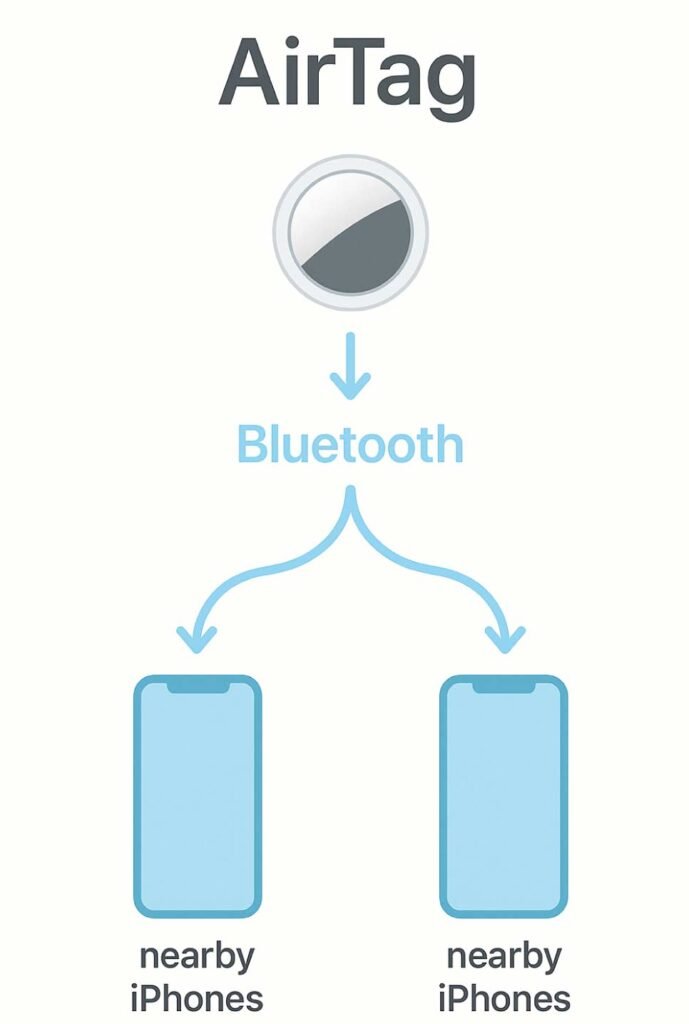
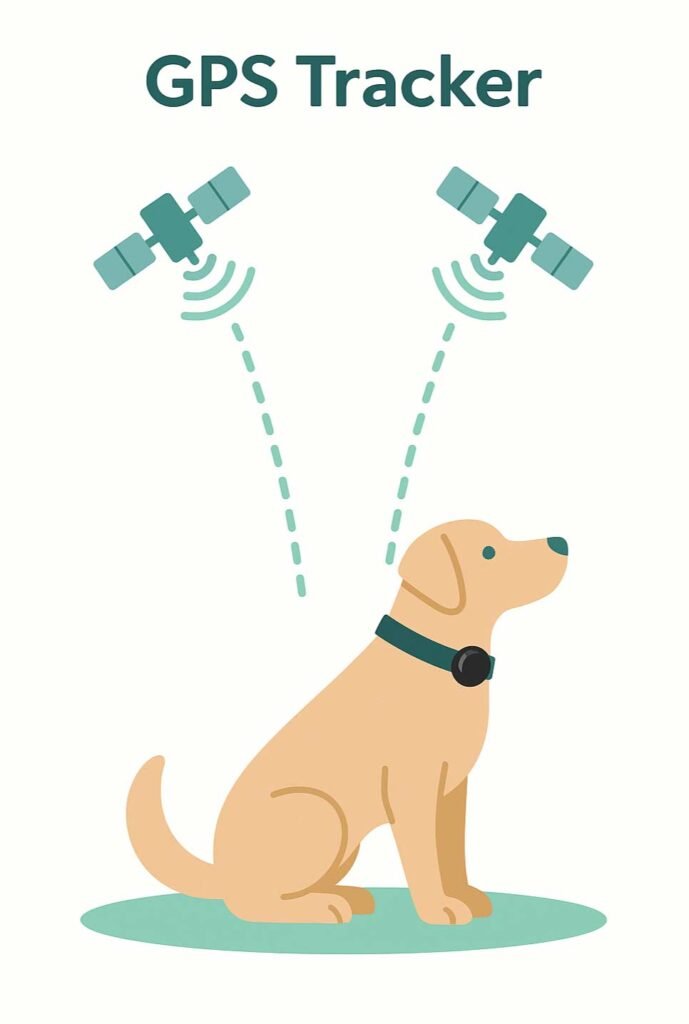
AirTags and GPS dog trackers are not built the same way, one depends on nearby iPhones to guess your dog’s location, while the other uses satellites to send you real-time updates wherever your dog goes. This single difference explains why AirTags can lag, freeze, or give outdated locations when your dog is moving quickly, while a true GPS tracker can keep up with them in real time.
How AirTags Work (Bluetooth + Find My Network)
AirTags don’t have GPS inside them. Instead, they use Bluetooth to connect with nearby Apple devices. Every time your dog passes close to an iPhone, the AirTag quietly “pings” through Apple’s Find My network, and that’s how you receive a location.
That means:
- no iPhones nearby = no update
- lots of iPhones = better chance of a signal
- but your dog must be close enough to someone’s phone for it to refresh
This is why Apple states they do not recommend AirTags for pets, they were designed for objects that stay still (keys, backpacks), not living animals that move, run, and change direction constantly.
How GPS Dog Trackers Work (Satellites + Cellular/Wi-Fi)
GPS trackers use global satellite signals to pinpoint your dog’s location, just like a smartphone maps your driving route. Most GPS dog collars then send this location to your phone through:
- cellular networks
- Wi-Fi
- or both
This allows the device to:
- update your dog’s location every few seconds
- stay accurate even when your dog is on the move
- work without depending on other people’s phones
The result is a much faster, more reliable way to track a moving dog.
If you’re caring for an active dog or a curious explorer, pairing a GPS tracker with routines that reduce boredom also helps; here’s a helpful guide for that: A Tired Dog is a Happy Dog.
Why Dog Movement Creates Accuracy Problems for AirTags
Here’s the core issue: AirTags only update when another person’s iPhone passes close enough to pick up the signal. If your dog is running, wandering, or crossing fields or backyards, they may move far away before the next update happens.
This results in:
- location updates that are minutes or hours old
- “ghost” or outdated locations
- lost dogs showing “last seen” in the wrong place
- misleading pings that slow down your search
And for dogs who move fast, like sighthounds, hiking dogs, or escape-prone pups, these delays are simply too risky.
Real-Life Examples Where AirTags Fail
Pet parents share very consistent issues:
- One family searched all night for their dog, and the AirTag only updated after they were standing over him, tragically after a car accident.
- Urban dog parents report chasing “wrong pings” because the AirTag updated based on other moving iPhones, not the dog’s real position.
- Many parents say their dog’s AirTag didn’t alert until the dog was already far outside the first location.
- AirTags “freeze” in areas where people aren’t passing by (parks, woods, beaches, fields).
These stories don’t mean AirTags are bad, they just mean AirTags aren’t made for tracking living animals, especially fast-moving ones.

Why AirTags Often Fail for Dogs (Even in Cities Full of iPhones)
AirTags often fail for dogs because they don’t use GPS and only update when they’re close to an iPhone, which means your dog may run far away before the next location refresh happens. This delay can turn a simple moment of panic into a dangerous situation, especially if your dog is fast, curious, or easily startled.
If your dog has ever slipped out the door during a delivery, bolted after a squirrel, or disappeared during a walk, you already know those seconds feel like hours. That’s exactly when an AirTag struggles the most.
They Depend on Other People’s Phones, Not Yours
AirTags don’t send their own location.
They wait for an iPhone user to pass nearby, which may create:
- delayed pings
- missing updates
- “last seen in this area” notifications that are hours old
- wrong directions entirely
If your dog is moving quickly, as most dogs do, the lag becomes dangerously long.
Movement Makes the Signal Less Reliable
Dogs don’t stand still long enough for AirTags to work the way they do on keys or backpacks.
Movement causes:
- outdated location snapshots
- “false” pings based on other iPhones
- drifting or inaccurate dots on the map
A device built for objects has no way to keep up with a dog that can sprint 20 mph.
AirTags Fail Most in Parks, Trails, and Open Spaces
People assume that cities are perfect for AirTags because “there are iPhones everywhere,” but what happens in:
- parks
- beaches
- hiking trails
- quiet neighborhoods
- fields
- wooded areas
These places have long periods with no iPhones passing by, which means:
Your dog can be half a mile away before the next update appears, if it appears at all.
This is exactly what happened in one heartbreaking real-life example: a family searched all night, and the AirTag only pinged once they were standing directly over their dog… after a car accident.
Cases like these are why we recommend a true GPS device.
Signals Jump Between Other iPhones, Not Your Dog
Because AirTags rely on crowdsourced signals, they often “follow the iPhones,” not the dog.
Real parents report:
- chasing wrong pings
- getting alerts from areas their dog never visited
- maps that show “last seen” locations far from reality
By the time you arrive, your dog may be long gone.
When AirTags Work, They’re Helpful, But That’s the Problem
They work sometimes.
They work in the right places.
They work if others are near your dog at the right moment.
And when dog safety is on the line, “sometimes” isn’t good enough.
Common Problems With Popular GPS Dog Trackers
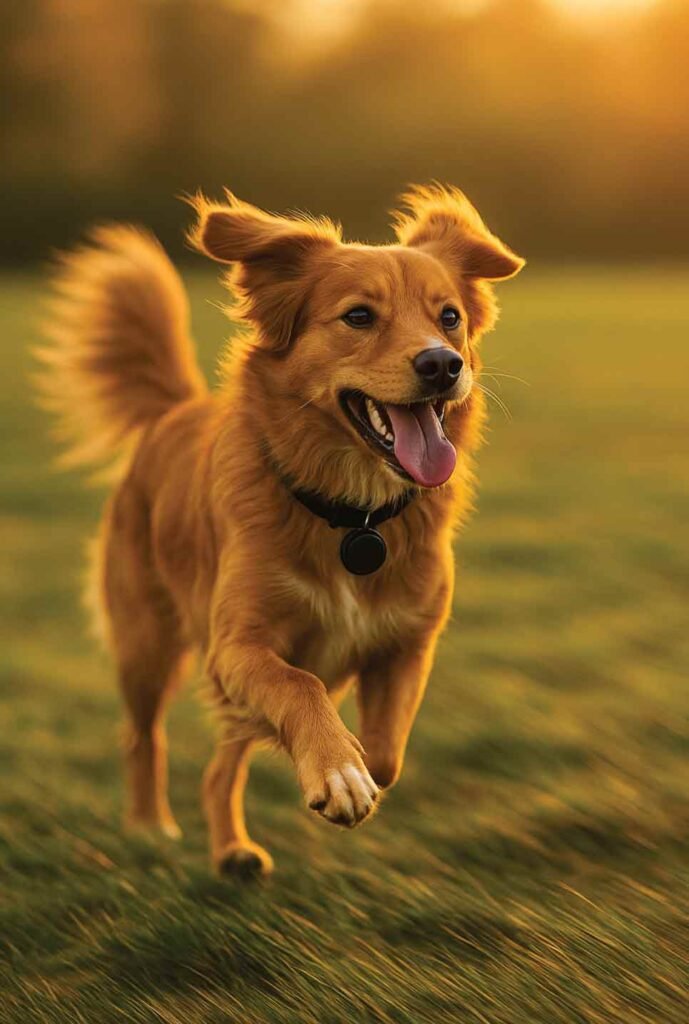
Most GPS dog trackers fail because they rely on cell service, refresh location too slowly, drain battery quickly, or crash through their apps, leaving dog parents with delays when they need accuracy the most. These issues affect even well-known brands, and they happen more often than most families expect.
The problem isn’t that these devices are “bad.”
It’s that they’re built on systems that weren’t designed for emergencies.
Slow, Delayed, or Frozen Location Updates
Many GPS collars advertise “real-time tracking,” but in practice:
- updates arrive every 30 seconds
- or every 2–3 minutes
- or only when the collar reconnects to a tower
For a dog that moves fast, especially a young dog, a runner, or a sighthound, this delay means you’re always behind.
Several users report:
- waiting 10–20 minutes for alerts
- seeing their dog’s “last seen” spot far from where their dog actually is
- GPS dots jumping around the map
And in emergencies, slow means unsafe.
Battery Dies Quickly (Sometimes in a Single Afternoon)
A major complaint on most trackers is battery life.
Real parent reports mention:
- collars dying mid-walk
- batteries draining after a few hours
- needing to charge every single night
- battery warning notifications that arrive too late
When you’re hiking, traveling, camping, or letting your dog run free, a weak battery can make a tracker useless exactly when you need it most.
They Rely on Cell Towers, Which Don’t Always Exist
Most GPS trackers send data to your phone using cell networks.
That means the device struggles in:
- rural areas
- mountains
- coastal regions
- forests
- large parks
- farmland
- trails
When the collar cannot reach a tower, you get:
- no updates
- delayed data
- inaccurate location
- “searching…” notifications that last too long
This is especially frustrating for families who live outside cities or enjoy hiking off-grid with their dogs.
App Crashes, Glitches, and Endless “Searching for Collar” Messages
Pet parents frequently mention app-related issues:
- apps freezing
- loading screens stuck
- inconsistent notifications
- dropped Bluetooth connection
- trackers needing constant resetting
- “searching for collar” for days at a time
It creates stress, not safety.
And when the app fails, it doesn’t matter how good the hardware claims to be.
False Sense of Security
This is the part most reviews don’t say loud enough:
When GPS trackers fail, parents believe their dog is safe, until they’re not.
Because these devices seem advanced, many families assume:
- updates are accurate
- alerts are instant
- maps are real-time
- location errors are impossible
But real-life user experiences paint a different picture.
These weaknesses set the stage perfectly for the next section, where we show what a dog tracker must have to actually work in real life.
Before we move to the feature list, you might also like this behavior blog for readers exploring dog safety and stress:
👉 Why Dogs Lick and How to Manage It
What a Dog Tracker MUST Have to Actually Keep Your Pet Safe
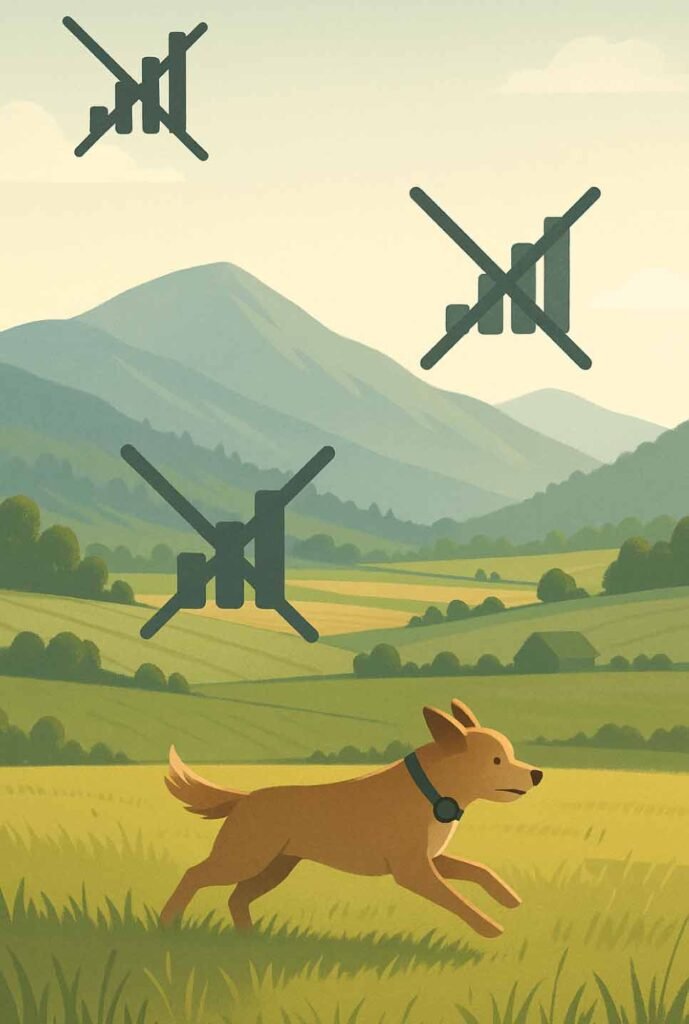
A dog tracker must offer real-time updates, work without relying on cell towers or nearby iPhones, have reliable battery life, and be simple enough to use in an emergency, otherwise it can’t truly protect your dog. When seconds matter, you need a device designed for living animals, not stationary objects.
These are the essential, non-negotiable features every dog parent deserves.
True Real-Time Tracking (Not “Every Few Minutes”)
Some brands advertise “real-time tracking,” but then refresh every:
- 30 seconds
- 90 seconds
- 2–3 minutes
For a running dog, that delay is enormous.
A real safety tracker needs:
- instant location updates
- live direction indicators
- consistent signal without jumping
- accurate “distance from you” measurement
If it can’t update fast, it can’t keep up with your dog.
A Device That Works Without Cell Towers
Most GPS dog collars collapse the moment you step into:
- rural areas
- mountains
- forest trails
- farmland
- beaches
- camping grounds
- any area with patchy reception
A true safety tracker must work even when your phone cannot.
If it stops updating the moment you leave the city, it’s not designed for real emergencies.
Long, Trustworthy Battery Life
A device that dies in a few hours creates more anxiety than safety.
A reliable tracker must have:
- multiple days of standby power
- strong battery during active tracking
- predictable battery usage
- no surprise shutdowns
If you spend time hiking, camping, or letting your dog roam off-leash on your property, weak batteries are a deal-breaker.
A Simple, Stress-Free Interface
When your dog is missing, your brain goes into panic mode.
A good tracker must be:
- straightforward
- fast to understand
- easy to read
- easy to turn on
- easy to use without toggling through complicated settings
If you can’t use a tracker instantly under pressure, it’s not safe enough.
This is one reason many dog parents feel overwhelmed with app-based devices, and why a simple handheld monitor often performs better in real emergencies.
Rugged Durability and Waterproofing
Dogs roll in mud, swim in ponds, crash through bushes, and run through tall grass.
A reliable tracker must be:
- waterproof
- mud-proof
- shock-resistant
- secure enough not to fall off
If a device can’t handle real dog behavior, it won’t survive real adventures.
Lightweight and Comfortable for Every Dog
A good tracker must feel like “nothing” to your dog.
That means:
- compact design
- lightweight hardware
- no discomfort during running or jumping
- safe for small, medium, and large breeds
If a tracker is bulky, dangling, or heavy, many dogs will shake it off, and then it’s gone when you need it.
Works Anywhere in the World
Dog safety doesn’t stop at country borders.
A strong tracker must work:
- during travel
- during camping trips
- in the countryside
- internationally
- without configuration issues
This matters for families who move, travel with RVs, or visit different countries with their dogs.
No Monthly Fees or Hidden Costs
Many GPS collars require:
- expensive subscriptions
- activation fees
- data plans
- renewal costs
A reliable tracker should protect your dog without locking you into a financial commitment for years.
What Actually Works: The Tracker That Doesn’t Fail When Your Dog Needs It Most
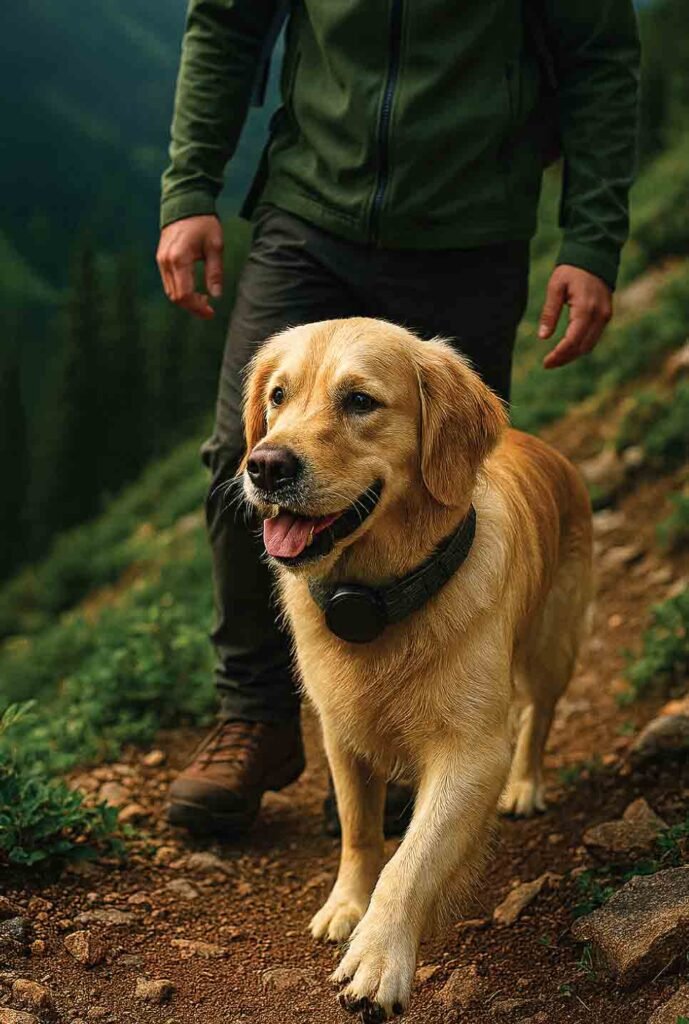
When you strip away all the marketing language from big brands, you’re left with one simple truth: your dog needs a tracker that works every single time, not only when there’s cell signal, not only when an iPhone happens to pass by, and not only when the app decides to cooperate. After months of research, testing, and reading through hundreds of parent stories, one device consistently stood out for reliability, simplicity, and real-time accuracy:
The Aorkuler Dog GPS Tracker.
And this isn’t a casual recommendation, it’s a firm one.
If you’re looking for the single most reliable tracker we’ve tested, this is it.
It consistently solved every major failure point that AirTags, cellular GPS collars, and app-based trackers struggled with.
Here’s why it performs so differently.
No Cell Signal Needed, No More Dead Zones
Most dog trackers collapse the moment you step into rural areas or wooded trails.
Aorkuler doesn’t.
It operates independently of cell coverage, which means:
- you get location direction
- you get distance
- you get live movement
all without relying on phone towers or other people’s devices.
For dog parents who live in the countryside, hike, camp, or explore off-trail, this is the single most important feature. Your dog’s safety should never depend on how many bars your phone has.
Native Real-Time Tracking (The Feature Dog Parents Trust Most)
Many brands claim “real-time updates,” but their refresh rates are too slow to track a moving dog.
Aorkuler behaves more like a directional finder, updating movement as it happens.
Parents describe it best:
- “As easy as watching a video.”
- “It gives me direction and distance, not vague dots on a map.”
- “It’s the only device that kept up with my off-leash hikers.”
This is what makes Aorkuler different: it’s built for movement, not for static location.
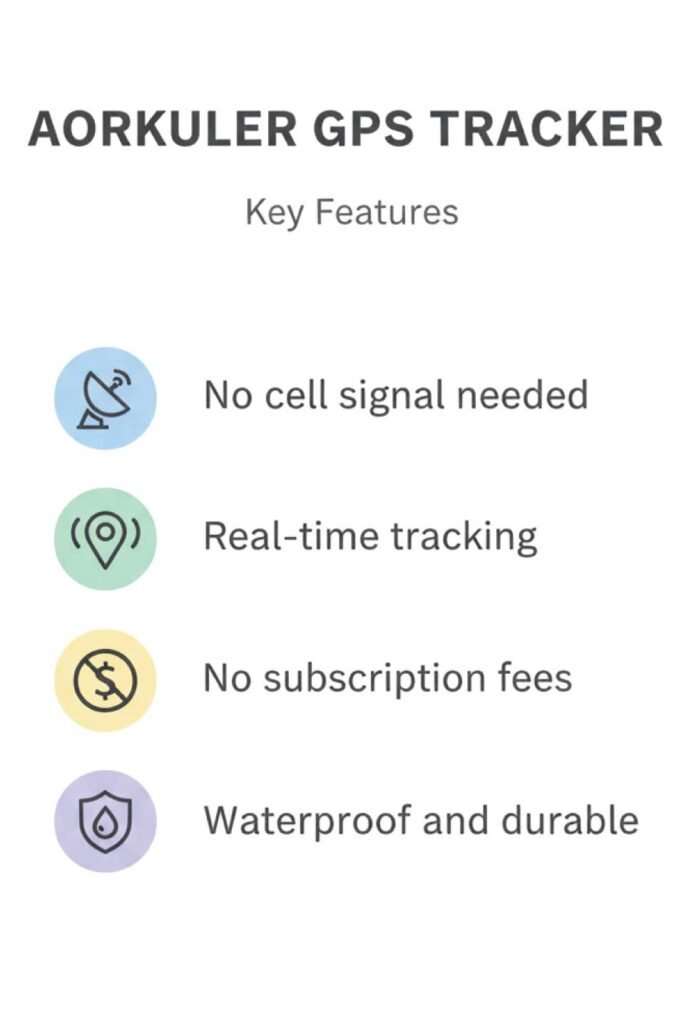
No Subscription, No App, No Hidden Fees
This is rare.
Most GPS trackers require:
- monthly or yearly plans
- activation fees
- data subscriptions
Aorkuler has none of that.
You buy it once, you use it forever.
For many families, that alone is worth the investment, not just financially, but for peace of mind.
Designed for Real Dog Behavior, Waterproof, Durable & Lightweight
Parents consistently praise how tough the Aorkuler is:
One reviewer wrote:
“My dog rolls in ponds and mud constantly. Aorkuler survived all of it.”
It’s built to handle:
- water
- dirt
- impact
- rough terrain
…and still remain comfortable.
Dogs forget they’re even wearing it.
Built for Families Who Adventure, or Live Far From the City
Aorkuler shines most for families who:
- live on acreage
- hike regularly
- walk off-leash
- camp
- have escape-prone dogs
- live where cell towers are unreliable
- want a safety net that doesn’t depend on technology behaving perfectly
It works anywhere in the world.
No tower. No Wi-Fi. No Find My network.
Just you, your dog, and a signal that won’t abandon you.
Hundreds of Reviews Say the Same Thing: “Peace of Mind.”
A few real parent experiences (paraphrased for clarity):
- “We hike in forested mountains. Other trackers failed; this one didn’t.”
- “It’s simple, reliable, and worth every penny.”
- “No subscription fees, finally!”
- “It lags a bit sometimes, but it still gives real directions and distances.”
- “It’s waterproof and rugged. My dog put it through everything.”
These testimonials reflect what many parents feel but rarely say:
When your dog goes missing, reliability matters more than fancy app features.
Our Recommendation
After reviewing countless trackers, talking to other dog parents, and analyzing real-world performance, our final conclusion is clear:
If you want the single most reliable tracking device for emergencies, choose Aorkuler.
Check the Aorkuler Dog GPS Tracker
When your dog’s safety is on the line, you need a guarantee. Aorkuler delivered that guarantee.
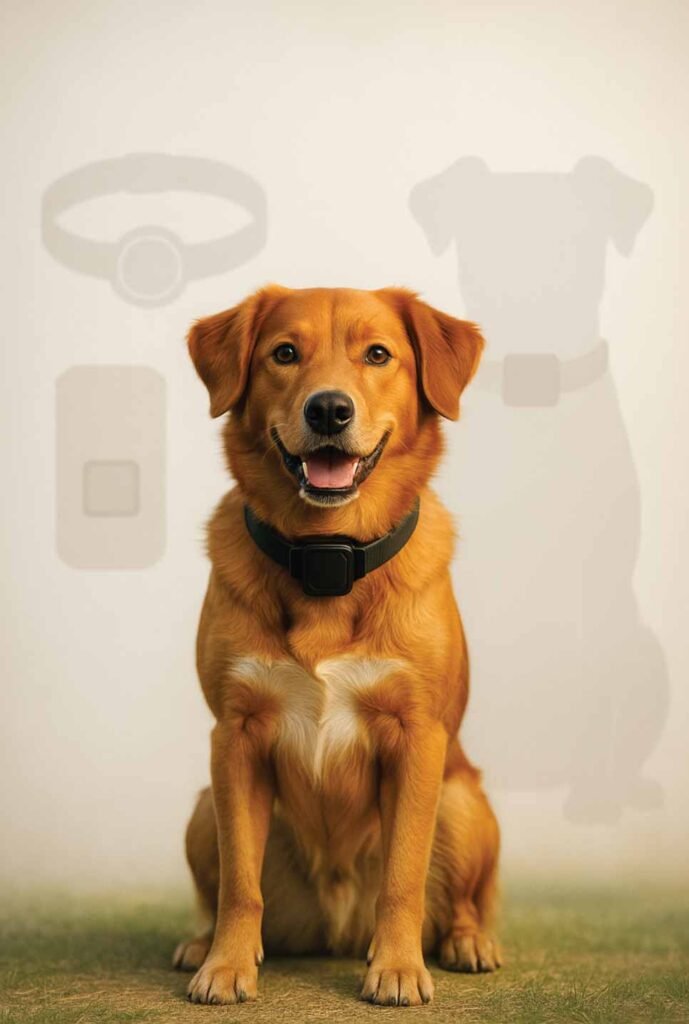
Light Comparison Chart: AirTags vs GPS Trackers vs Aorkuler
Here’s a simple breakdown showing how AirTags, traditional GPS dog collars, and the Aorkuler GPS Tracker differ in the areas that matter most for your dog’s safety. This is not a full technical review, just an honest, easy-to-read snapshot to help you understand the real-world performance of each option.
Below is a clean comparison table summarizing the essentials:
Dog Tracker Comparison Table (What Dog Parents Care About Most)
| Feature | AirTag | Traditional GPS Tracker | Aorkuler GPS Tracker |
|---|---|---|---|
| Uses Real GPS | ❌ No | ✔️ Yes | ✔️ Yes |
| Works Without Cell Signal | ❌ No | ❌ Usually No | ✔️ Yes |
| Subscription Required | ❌ No | ✔️ Often Monthly | ❌ No |
| Real-Time Tracking | ❌ Very Slow / Delayed | ⚠️ Slow (30 sec–2 min) | ✔️ Native Real-Time |
| App Required | ✔️ Yes | ✔️ Yes | ❌ No App Needed |
| Battery Reliability | ⚠️ Good but inconsistent | ⚠️ Short on active mode | ✔️ Strong |
| Accuracy While Dog Is Moving | ❌ Poor | ⚠️ Mixed | ✔️ High Accuracy |
| Waterproof / Rugged | ⚠️ Basic | ⚠️ Mostly | ✔️ Fully Waterproof & Durable |
| Works Worldwide | ⚠️ Limited by iPhone density | ❌ Limited by region | ✔️ Yes |
| Ideal Environment | Cities with dense iPhone traffic | Suburbs & cities | Anywhere, rural, hiking, travel |
AirTags are not designed for dogs, traditional GPS trackers struggle with signal and subscription issues, and Aorkuler is the only option in this comparison that provides real-time tracking without depending on apps, phones, or cell towers.
If your dog is active, fast, adventurous, or lives in an area where cell reception is unreliable, the difference isn’t subtle, it’s life-saving.
How to Choose the Right Tracker for Your Dog’s Lifestyle
The best tracker for your dog depends on how your dog lives, moves, and explores, however, if your pup spends time off-leash, in rural areas, or in unpredictable environments, a real-time, no-cell-signal-needed tracker like Aorkuler is almost always the safest choice. Every family’s situation is different, and understanding your dog’s habits will help you make the best decision for their safety.
Here’s a simple guide to help you choose confidently.
For Dogs Who Love to Explore Off-Leash
If your dog hikes, runs in open fields, or enjoys large properties, you need:
- instant updates
- a tracker that works without cell towers
- strong durability
- clear directional guidance
Aorkuler is the strongest choice for off-leash explorers, especially in wide, natural environments.
For Dogs in Rural or Patchy Signal Areas
If you live where cell towers are far apart, traditional GPS trackers will struggle.
These families consistently report:
- “searching for collar” notifications
- hours-long gaps between updates
- lost connections
- frozen maps
Aorkuler was designed specifically for rural and suburban families, where AirTags and cellular GPS collars fail most.
For Dogs in Busy Urban Areas
In cities, tracking is easier, but speed still matters.
Even in iPhone-dense locations, AirTags can:
- lag
- skip updates
- follow other iPhones instead of your dog
And GPS apps can crash at the worst times.
If your dog is anxious, reactive, or prone to bolting in the city, you still benefit from Aorkuler’s real-time tracking and guaranteed reliability.
For Escape Artists or Fence Jumpers
Some dogs are fast, really fast.
Breeds like:
- Huskies
- German Shepherds
- Belgian Malinois
- Sighthounds (Greyhounds, Whippets, Galgos)
- Border Collies
…can vanish in seconds.
If you’ve ever experienced that heart-stopping moment when the gate didn’t close fully, you already know:
you need a tracker that updates instantly, not minutes later.
This is where Aorkuler outperforms every device that depends on cell towers or iPhones.
For Senior Dogs or Dogs With Medical Conditions
If your older dog wanders, slows down, or becomes confused at times, reliability becomes even more important.
A tracker should offer:
- certainty
- simplicity
- no app crashes
- no complicated setup
Aorkuler’s handheld monitor makes it easy to track gently and calmly without fumbling with apps.
Senior parents especially appreciate that they can “just turn it on and go.”
For Families Who Travel, Camp, or RV
When you travel:
- cell networks change
- Wi-Fi may be unreliable
- GPS apps may behave differently
- roaming restrictions can block signals
Aorkuler sidesteps all of that because it works anywhere in the world, without needing data, Wi-Fi, or someone else’s phone.
Whether you’re camping, visiting family, or doing cross-country road trips, it stays dependable.
For Budget-Conscious Families Who Still Want Safety
Traditional GPS collars look cheaper at first but:
- subscription fees add up
- data plans are required
- some brands charge activation fees
- you pay more each year than the collar itself
That’s why so many families switch to Aorkuler:
you pay once, you use it forever.
- No recurring costs.
- No surprise fees.
- No subscriptions draining the family budget.
Frequently Asked Questions About AirTags vs GPS Trackers for Dogs
AirTags are not reliable for tracking dogs because they don’t use GPS and only update when an iPhone passes nearby, which can cause long delays or outdated locations. Apple has also stated that AirTags are not intended for tracking pets. They’re useful for keys or bags, but not for fast-moving animals who may leave areas with iPhone traffic quickly.
AirTags rely on Bluetooth and the Find My network, while GPS dog trackers use satellites to update your dog’s position in real time. This makes a major difference in accuracy, especially if your dog is running, exploring, or in an area with few people around. GPS trackers are designed for movement and safety, AirTags are not.
Most GPS dog collars depend on cell towers to send data, so they slow down or disconnect completely in rural areas, parks, forests, or mountains. This can cause long delays, app glitches, or maps that freeze. Devices like Aorkuler avoid this problem by working without cell service, making them far more dependable outdoors.
Most GPS dog trackers require a subscription because they use cellular networks, but Aorkuler is one of the few real-time tracking options that does not require any monthly fees. You pay once, and you can use it anywhere in the world with no hidden costs or data plans.
The Aorkuler Dog GPS Tracker is the strongest choice for rural areas because it doesn’t rely on cell towers or Wi-Fi and can update your dog’s movement in real time. Traditional GPS collars often fail in the countryside, while AirTags may never update at all, making Aorkuler the safest option for off-grid adventures or large properties.
Handheld trackers like Aorkuler are often more reliable because they don’t crash, freeze, or depend on mobile apps or weak cell signal. When your dog is missing and you’re panicking, a simple device with fast direction + distance guidance can be far easier to use than navigating a phone app under stress.
Listen to the Podcast: Airtags vs GPS Trackers for Dogs
Final Thoughts: Your Dog’s Safety Deserves Certainty
When your dog slips out the door, bolts after a squirrel, or wanders farther than expected, you don’t get a second chance. You need a tracker that works instantly, consistently, and without depending on cell towers or strangers’ phones. After reviewing all the common failures of AirTags, traditional GPS collars, and app-based devices, one conclusion kept repeating itself:
Reliability is everything.
Dog parents don’t want complicated apps.
They don’t want delayed pings.
They don’t want vague “last seen” dots on a map.
They want certainty, the kind that lets your heart stop racing and your hands stop shaking.
And that’s exactly what Aorkuler provides.
Why We Recommend Aorkuler Without Hesitation
We don’t recommend products lightly.
We test, we compare, we read hundreds of parent stories, and we look at real-world results.
But with Aorkuler, the reasoning is simple:
- It works without cell signal.
• It updates in real time.
• It never depends on an app.
• It’s waterproof, durable, and built for dogs who explore.
• It has no subscription fees, ever.
These features are rare.
Together, they form the most trustworthy safety net you can give your dog.
So instead of choosing a tracker that works most of the time, choose the one that works when it matters most.
If you’re looking for the single most reliable tracker we’ve tested, this is it.
The Aorkuler Dog GPS Tracker is the device we trust, the device we would choose for our own dogs without hesitation.
And if your dog’s safety is important to you, this is the tracker that gives you peace of mind in every place, every weather, every moment.
Check the Aorkuler Dog GPS Tracker Here
When your dog’s safety is on the line, you need a guarantee. Aorkuler delivered that guarantee.
You get real-time direction and distance, no subscription fees, and a device that stays dependable even in mountains, forests, rural fields, or places your phone has never seen a signal.
Your dog deserves that level of certainty.
And so do you.