Quick Guide: Why Does My Cat Bite Me?
- Pain First: Sudden biting in older cats often signals underlying medical issues like arthritis or dental disease rather than a behavioral flaw.
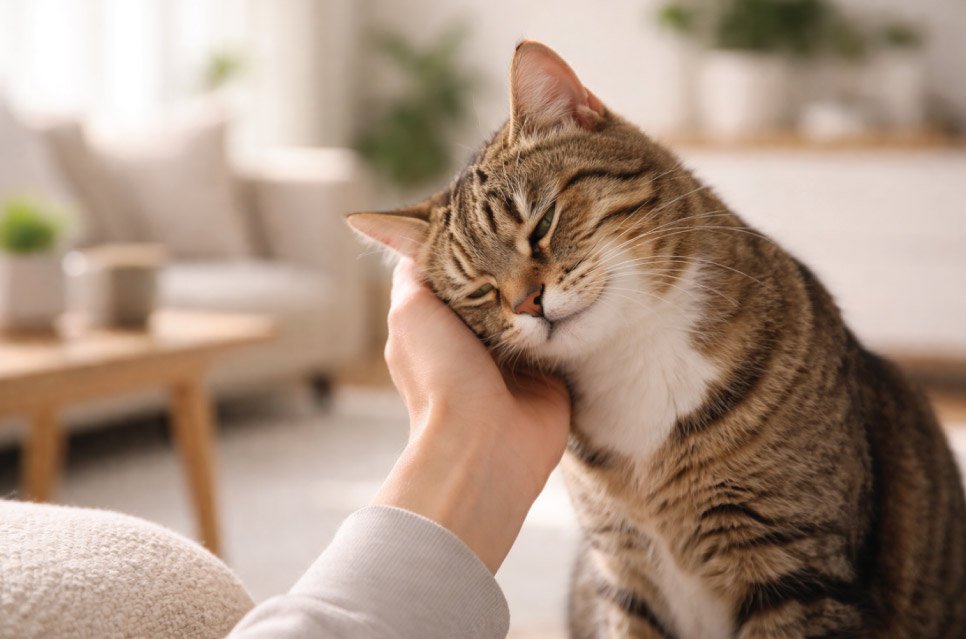
- The Consent Test: Always offer your knuckle at nose level and wait for the cat to initiate contact rather than reaching out yourself.
- Body Language Cues: Watch for skin rippling, tail flicking, and dilated pupils as immediate “stop” signals before a bite occurs.
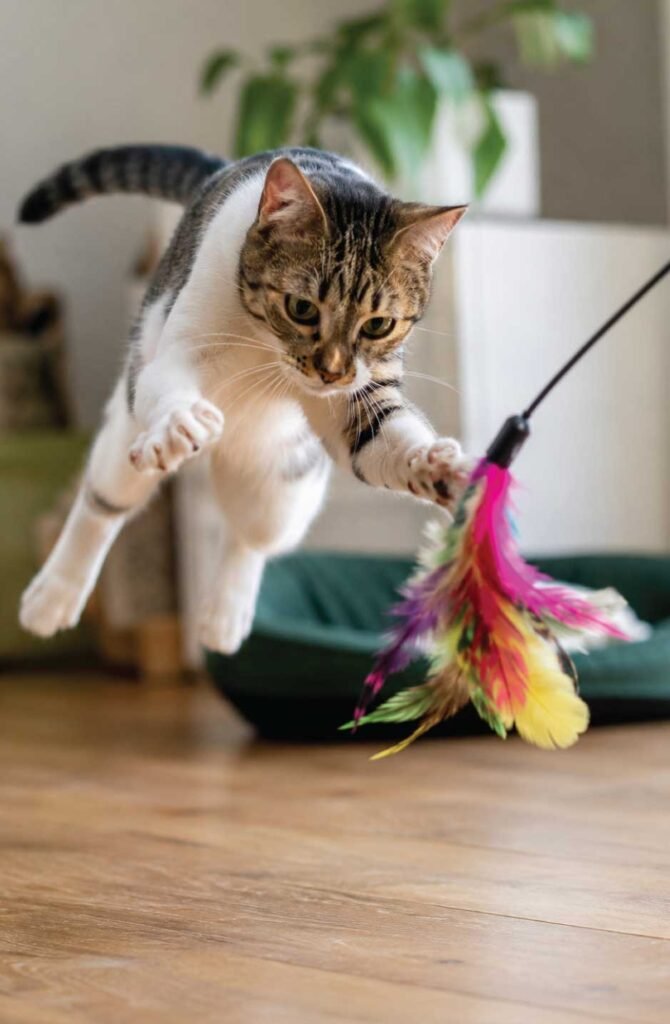
- Play with Distance: Use structured wand toys rather than your bare hands or feet to satisfy hunting instincts and prevent misdirected play aggression.
Why Your Cuddle Buddy Suddenly Turned into a Land Shark
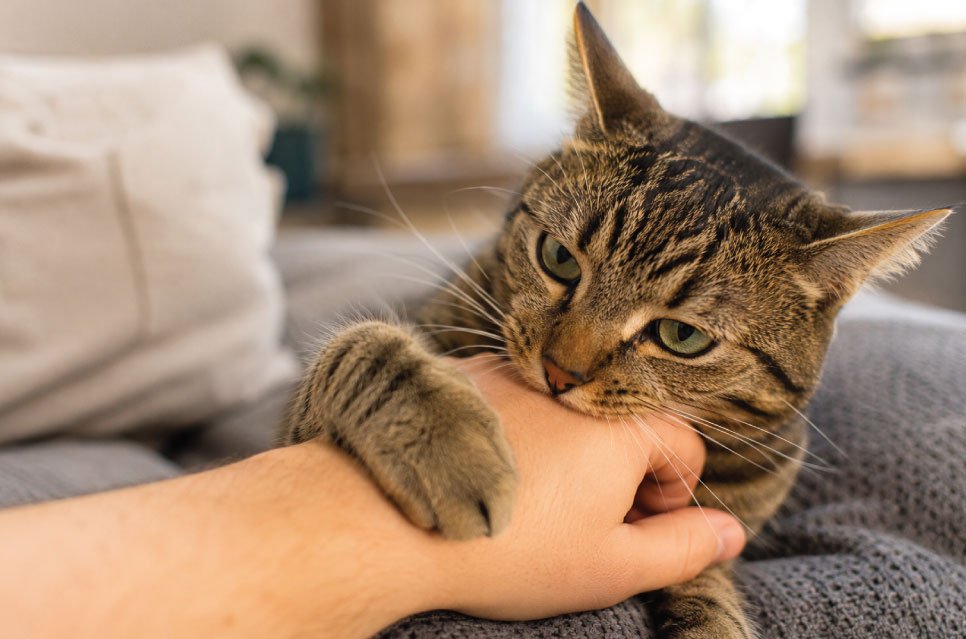
You’re relaxing on the couch, the purr is rhythmic, and the vibes are immaculate, until they aren’t. One moment your cat is leaning into your hand, and the next, they’ve clamped onto your wrist like their life depends on it. It’s frustrating, painful, and frankly, a bit of a mood killer for any dedicated pet parent. According to data from the Cornell Feline Health Center, feline aggression is the second most common behavior problem reported by pet parents, yet it remains one of the most widely misunderstood.
This post isn’t here to give you vague advice or tell you that cats are just inherently mysterious, unpredictable creatures. We’re breaking down the science-backed neurobiology of feline biting to give you practical, strategies to restore peace to your home. You’ll learn how to read the silent language your cat is screaming at you, how to identify hidden triggers, and how to restructure your everyday interactions for a completely bite-free home. Let’s stop the confusion on your hands and get back to the peaceful purring.
Respecting the Feline Petting Threshold to Avoid Sensory Overload
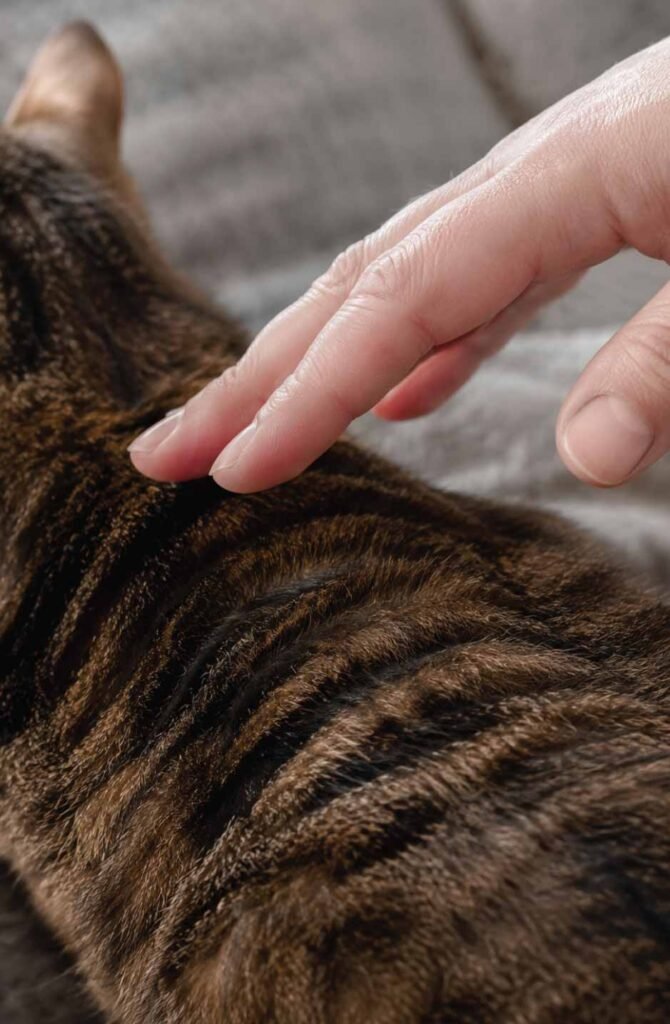
Cats possess an incredibly high density of sensitive mechanoreceptors along their spine and tail base that can quickly turn a pleasant stroke into physical discomfort. This phenomenon, known as petting-induced aggression, occurs when repetitive physical strokes shift your cat from a relaxed state into a sympathetic state of high neurological arousal, a topic thoroughly documented by behavior experts at the SF SPCA. It’s helpful to view this as a sensory bucket that fills up drop by drop; once it overflows, the cat uses a sudden nip to abruptly end the interaction and regain their physical autonomy. Imagine someone rubbing your back in the exact same spot with the exact same pressure for ten minutes straight, eventually, you’d want them to stop, too.
Subtle Warning Signs of Sensory Overload
- Skin rippling or twitching across the lower back
- The tail shifting from a lazy sway to sharp, rhythmic thumping
- Ears rotating slightly backward or flattening into “airplane wings”
- A sudden cessation of purring accompanied by physical body freezing
To fix this issue permanently, you need to radically alter your physical approach and focus only on the areas cats naturally prefer. Every ten seconds during a cuddle session, pause your hand completely and wait for your cat to nudge you for more; if they don’t, the session is officially over. Stick exclusively to the feline hot spots like the cheeks, chin, and the top of the head while avoiding the sensitive tail base and belly entirely. By proactively respecting these physical boundaries, you prevent your cat from ever reaching the point of irritation where they feel a sharp bite is their only remaining communication tool.
Breaking the Dangerous Habit of Using Hands as Wrestling Partners
Many well-meaning owners inadvertently train their cats to bite by using their fingers or toes as play objects during kittenhood. While it’s undeniably cute when a five-pound kitten pounces on your wiggling toes under the blankets, it becomes a painful hazard once they grow into an adult with sharp biological syringes for teeth. This is classified as misdirected play aggression, where your cat treats your limbs as surrogate prey because they lack an appropriate outlet for their high-energy hunting instincts. Furthermore, kittens separated from their littermates before 12 weeks of age often fail to learn proper bite inhibition, meaning they genuinely do not realize how much their bites hurt human skin.
Common Play Mistakes to Eliminate Immediately
- Roughhousing with your bare hands or moving fingers under blankets
- Dragging toys directly away from the cat’s face, forcing them to leap at your hand
- Punishing a play bite physically, which the cat views as a escalation of the wrestling match
- Leaving static toys around the house without engaging in active, movement-based play
The golden rule of cat ownership is simple: hands are solely for stroking and comforting, never for hunting or wrestling. If your cat does latch onto your arm during a play session, remain completely still and gently push toward them to baffle them into letting go rather than pulling away and triggering their predatory drive. Keep a high-quality wand toy in every room so you can immediately redirect that intense energy away from your skin and toward an appropriate target. You can even utilize simple, engaging homemade cat toys to keep them safely entertained and mentally stimulated. Consistently rewarding calm behavior with treats while ignoring rough play entirely will teach your feline that gentle interactions yield the best rewards.
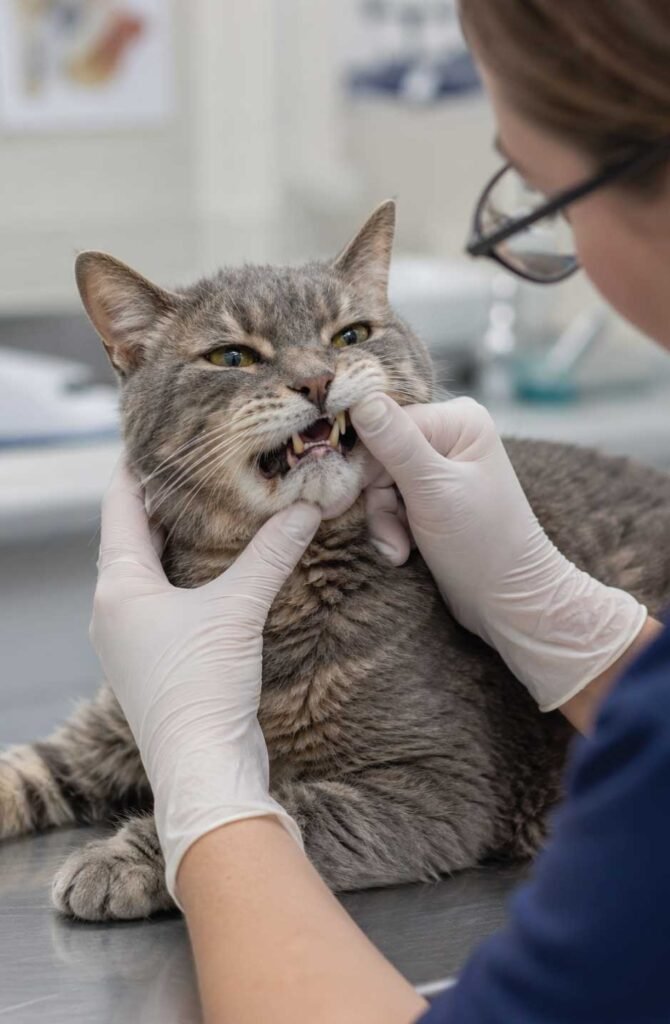
Unmasking Physical Pain as the Silent Source of Sudden Biting
When a normally docile, affectionate cat suddenly starts biting out of nowhere, the cause is almost never behavioral, it is almost always medical. Because cats are evolutionarily programmed to hide pain to avoid appearing vulnerable to predators, a sudden swat or bite when touched is frequently the primary indicator of an underlying medical issue. Conditions like osteoarthritis, which silently affects the vast majority of senior cats, make even a gentle shift in physical position incredibly painful. Other frequent medical culprits include severe dental disease, hyperthyroidism, urinary tract infections, and localized skin infections that make the fur highly sensitive to the touch.
Hidden Health Issues That Trigger Sudden Biting
- Osteoarthritis and degenerative joint disease along the spine or hips
- Fractured teeth or advanced periodontal disease causing localized facial pain
- Subcutaneous abscesses from minor scratches that are hidden beneath the fur
- Hyperesthesia syndrome, which causes extreme, painful skin sensitivity
Managing pain-induced aggression requires a comprehensive veterinary exam to address the root physical discomfort before any behavioral training can be effective. Attempting to train or discipline a cat out of a pain response is completely impossible and will only destroy the bond of trust you have built. Your veterinarian can run bloodwork, take x-rays, and prescribe targeted pain management or anti-anxiety medications to raise your cat’s frustration threshold. Once the underlying physical pain is properly managed, you will likely find that the aggressive defensive behavior vanishes completely along with the discomfort.
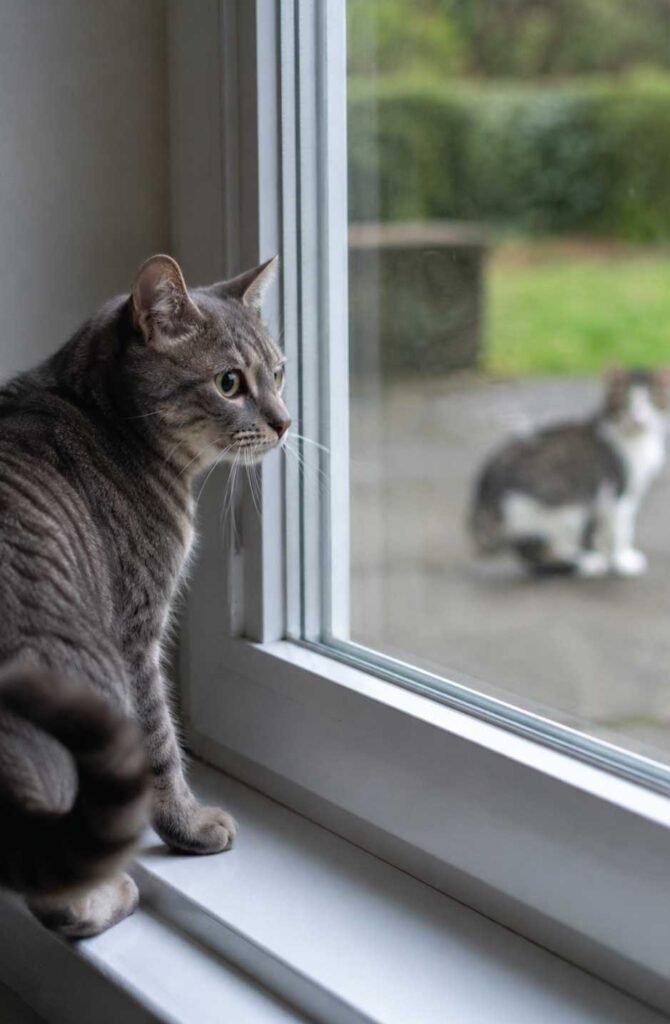
Managing the “Red Mist” of Volatile Redirected Aggression
Redirected aggression is arguably the most dangerous type of feline biting because the attacks are uninhibited, intense, and often appear completely unprovoked to the owner. This dangerous behavior occurs when a cat is intensely agitated by an out-of-reach trigger, like a stray animal outside the window, and lashes out at the nearest innocent target instead. The cat enters a primal neurobiological state of high arousal and fight-or-flight panic that doesn’t just disappear when the trigger walks away. They can easily remain trapped in this volatile state for anywhere from thirty minutes to several consecutive days.
Real-Life Triggers for Redirected Attacks
- Spotting an unfamiliar neighborhood cat marking territory outside a low window
- Hearing high-pitched, distressing animal cries from outdoors or on a television screen
- Smelling the scent of another animal brought into the home on an owner’s clothing
- Sudden, loud, shocking noises like a dropped pan or a vacuum turning on nearby
The only safe response during a redirected aggression episode is to calmly leave the room and give your cat an isolated, quiet space to wind down completely; establishing a proactive routine for long-term cat stress relief can drastically prevent these outbursts. If you notice your cat staring intently out the window with a lashing tail, growling, and heavily dilated pupils, do not attempt to touch, comfort, or hold them. Use opaque window film, shades, or strategic furniture placement to block access to the outdoor trigger permanently. Never attempt to break up a feline conflict or handle a highly aroused cat without using protective physical barriers like a thick blanket or a large piece of cardboard.
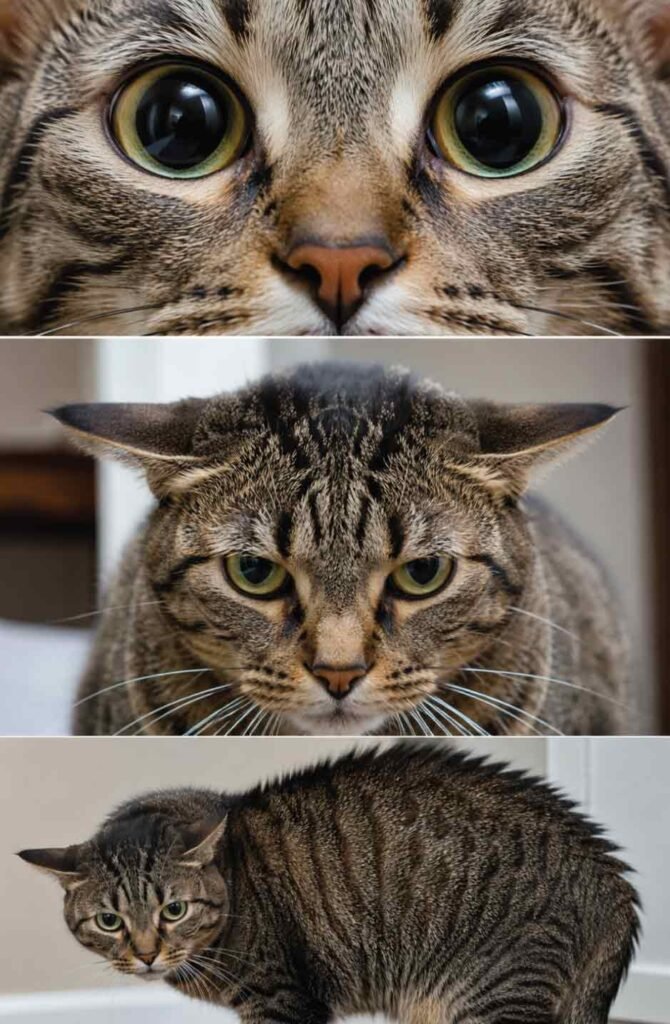
Cracking the Feline Code by Mastering Body Language
Most sudden bites are not actually sudden at all; they are preceded by a detailed series of subtle warning signals that owners simply haven’t learned to recognize yet. When subtle behavioral signals are ignored, a cat escalates their communication from “whispering” with their body language to “screaming” with their teeth. A cat rarely wants to bite, as physical combat risks injury in the wild, so they try desperately to tell you to back off using their eyes, ears, and posture first. Learning this silent vocabulary, and recognizing how these boundaries differ from your cat’s love language signs, is the single most effective way to protect your skin.
The Pre-Bite Checklist to Monitor
- A sudden, rigid freeze in overall body posture mid-interaction
- Quick head turns to monitor your hand movements or staring intently at your fingers
- Pupils that dilate rapidly even in a brightly lit room
- A tense, low-slung body posture with paws tucked tightly underneath
Walking away the very second you spot a tail flick or an ear shift builds immense trust and teaches your cat that their boundaries are respected. Do not wait for a growl or a hiss to stop what you are doing. When you respect the whisper, your cat never feels forced to scream. By becoming a fluent, observant speaker of your cat’s body language, you transform yourself from an unpredictable source of stress into a trusted partner.
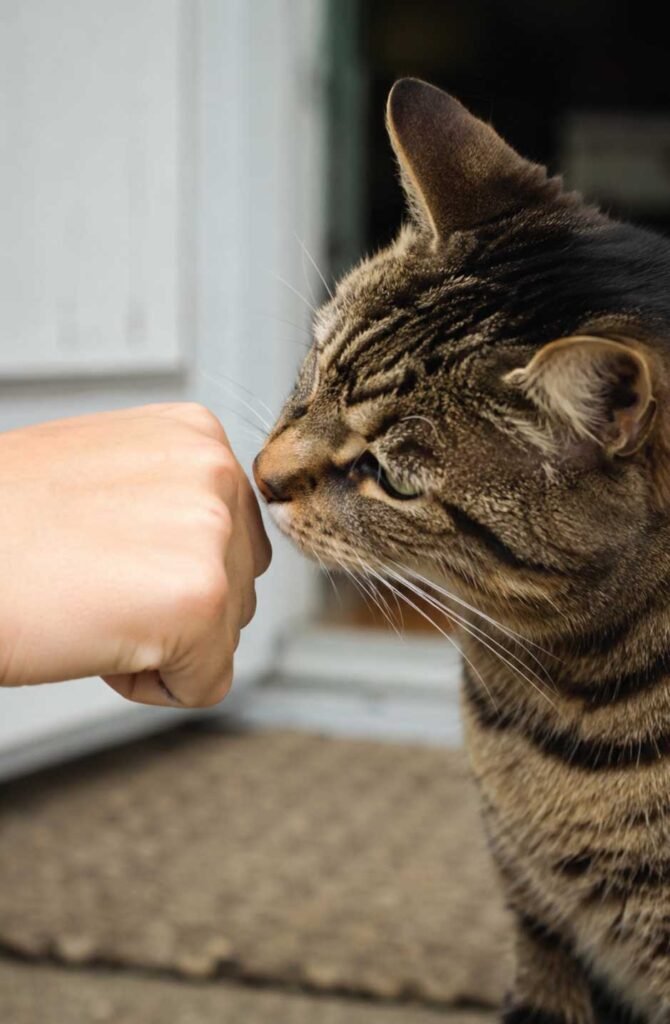
The Secret Sauce: 3 Expert Tips for a Bite-Free Bond
The “Kitty Handshake” Consent Test
Never initiate a petting session by reaching directly over a cat’s head, which can feel deeply threatening and predatory. Offering a single knuckle at nose level allows your cat to choose interaction by nudging you, or politely decline by looking away. If they sniff and turn their head, respect that clear “no” immediately. This simple test ensures every single interaction is built on mutual consent.
The “Hunt-Catch-Kill-Feast-Sleep” Cycle
To truly drain a cat’s predatory energy and stop play-related biting, you must complete their natural biological sequence. End every vigorous play session with a wand toy by letting your cat physically “kill” the target, then immediately feed them a small meal or a high-value treat. This mimics the natural end of a hunt, triggering a post-meal state of deep neurological relaxation that shifts their brain from hunting mode to nap mode.
Use a High-Value “All Done” Cue
Prevent the frustration bites that often happen when a human abruptly ends an interaction the cat was still enjoying. Saying a cheerful verbal cue like “All Done” and tossing a treat away from you replaces the tension of a sudden stop with positive anticipation. Your cat will happily turn away from your hand to pursue the treat, creating a clear, happy boundary for the end of physical affection.
Frequently Asked Questions About Why Does My Cat Bite Me?
Unlike defensive or play aggression, gentle nipping that doesn't break the skin during grooming is often a form of "allogrooming." In the feline world, mutual grooming is a high-level bonding activity. When your cat licks you and follows it up with tiny, repetitive nibbles, they are treating you like a fellow cat and trying to clean you. However, if these nibbles intensify or cause discomfort, use your "All Done" verbal cue and calmly move away to establish a clear boundary.
If your young kitten is chewing and biting relentlessly, they are likely going through the feline teething phase. Around this age, kittens shed their deciduous baby teeth to make room for 30 adult teeth, which causes significant gum discomfort. To distinguish this from play aggression, look for increased drooling, a preference for chewing on hard surfaces, and mild bad breath. Swap your hands for soft, rubber teething toys or chilled fabric toys to soothe their sore gums safely.
This ankle-biting behavior is a classic manifestation of unfulfilled predatory stalking instincts. When a indoor cat lacks dynamic environmental enrichment, moving human ankles mimic the fast, ground-level movement of rodents or birds. The cat ambushes you from behind doors or furniture because their hunting drive is triggered by your motion. Eliminate this behavior by scheduling two dedicated 15-minute interactive play sessions daily using a wand toy to completely drain their predatory energy before you walk through their "hunting zones."
Biting during handling is typically triggered by a fear of physical restriction or localized discomfort. Many cats experience intense stress when their paws leave the ground or when they are held in a position that prevents a quick escape. If your lifting technique puts pressure on their abdomen, it can also cause sudden pain. Always respect your cat's preference for physical autonomy; practice low-stress handling by supporting both their chest and hindquarters, and put them down immediately if their ears rotate back or their body goes rigid.
Cats frequently target the family member they spend the most time with because that person is most likely to inadvertently cross their behavioral boundaries. If you are the primary person who handles grooming, administers medicine, or engages in long petting sessions, your cat has a higher number of opportunities to experience sensory overload with you. It can also happen if you are the only one who used bare hands as toys during their kittenhood. Review your specific interactions to ensure you aren't missing their subtle "stop" signals.
This is driven by a primitive survival mechanism known as the startle reflex or sleep aggression. When a cat is in a deep stage of sleep and is suddenly awakened by physical touch, their brain instantly registers a predatory threat before they are fully conscious. The resulting bite is an automatic, defensive reflex intended to disable an attacker. To prevent these defensive reactions, never touch a sleeping cat; instead, gently call their name from a short distance away to allow them to fully wake up and recognize you before you approach.
Prefer Audio? Listen Why Does My Cat Bite Me?
Turning Nips Back into Peaceful Purrs
Feline biting is rarely motivated by malice or a desire to dominate; it is a desperate attempt to communicate a boundary that has been crossed or a physical need that isn’t being met. By ruling out medical pain, ditching rough hand-play, and honoring your cat’s subtle body language, you can successfully replace painful nips with peaceful purrs. Treat your cat as a partner in communication, listen to what their body is telling you, and the biting will naturally become a thing of the past.