

Quick Guide Pet Hedgehog Care
- Maintain 75-80°F Constantly: Use a ceramic heat emitter (CHE) governed by a digital thermostat to prevent fatal “false hibernation” attempts.
- Serve a Pea-Free, High-Protein Diet: Target 30-33% protein and 10-15% fat using meat-first cat food or specialized pellets, avoiding peas to prevent Metabolic Bone Disease.
- Bond Through Scent, Not Force: Place a worn t-shirt in their enclosure so they associate your scent with safety, and commit to 30 minutes of daily passive handling.
- Use Solid-Surface Wheels Only: Ensure your wheel is at least 10.5-12 inches in diameter with a solid running surface to prevent broken toes and spinal deformities.
We get it, you adopted a tiny ball of spikes expecting a Pinterest-perfect cuddle buddy, and instead, you have a huffing, hissing “potato” that sleeps all day and runs like a marathoner all night. Bonding with a pet hedgehog is an exercise in patience because these are solitary prey animals that view the world through their noses rather than their eyes. This guide take you straight into the clinical, practical realities of keeping your African Pygmy hedgehog healthy, happy, and willing to unroll in your lap.
By understanding their biological triggers and strict environmental needs, you can safely transform your relationship from handling a terrified pincushion to nurturing a trusting companion. Let’s break down exactly what your spiky friend needs to thrive.
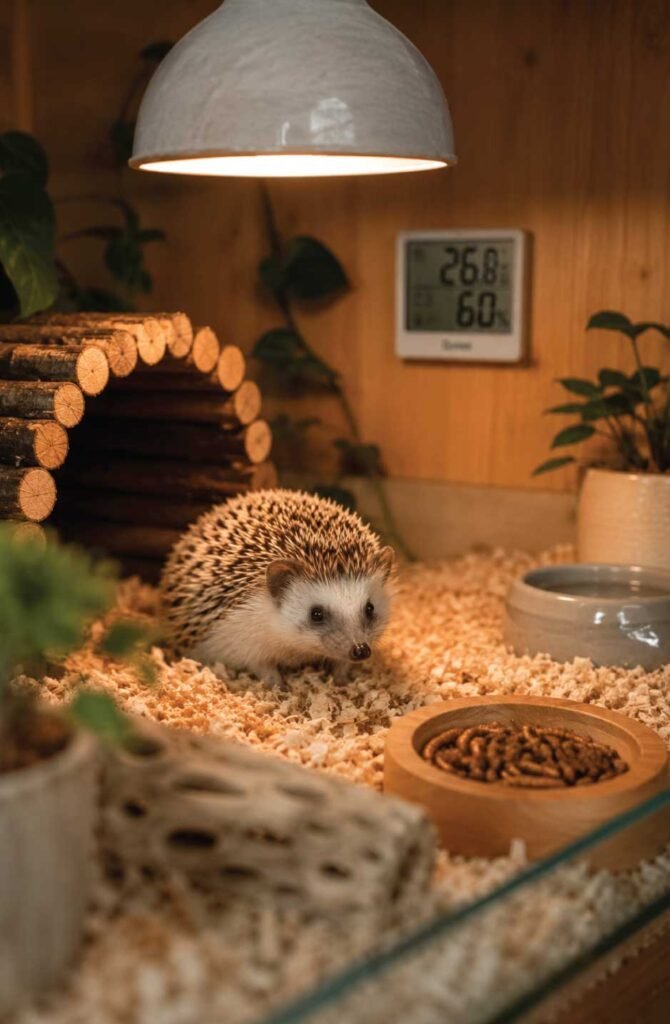
Preventing Fatal Hibernation with Precision Heating
Domesticated African Pygmy hedgehogs are biologically different from European wild hedgehogs and completely lack the physiological adaptations to survive a winter sleep. If your hedgehog’s environment drops below 72-75°F, their body may attempt a “false hibernation” that can lead to multi-organ failure or death within hours. They require a consistent, heavily monitored microclimate that mimics their native warm habitat in central and eastern Africa.
A standard room heater is rarely enough for a cage sitting near a drafty window or resting on a cold floor. Establishing a highly controlled, localized heating system directly above the enclosure is the only foolproof way to guarantee your pet’s safety. Reputable exotic veterinarians, such as those at VCA Animal Hospitals, strongly recommend constant digital monitoring to prevent sudden temperature drops at night.
- Install a Ceramic Heat Emitter (CHE) system: Use a 100W or 150W CHE bulb in a dome lamp with a ceramic (never plastic) socket to provide heat without light, preserving their nocturnal circadian rhythm.
- Always use a digital proportional thermostat: Plug your heat lamp directly into a thermostat with a probe placed at bedding level to automatically cycle the heat on and off.
- Monitor for the “hibernation wobble”: If your hedgehog appears disoriented, wobbly, or has a cold belly, use immediate skin-to-skin contact or a warm towel to heat them up slowly.
- Avoid colored “night” bulbs: Red or blue heating bulbs disrupt their natural sleep-wake cycle and can actively suppress their foraging and wheel usage.
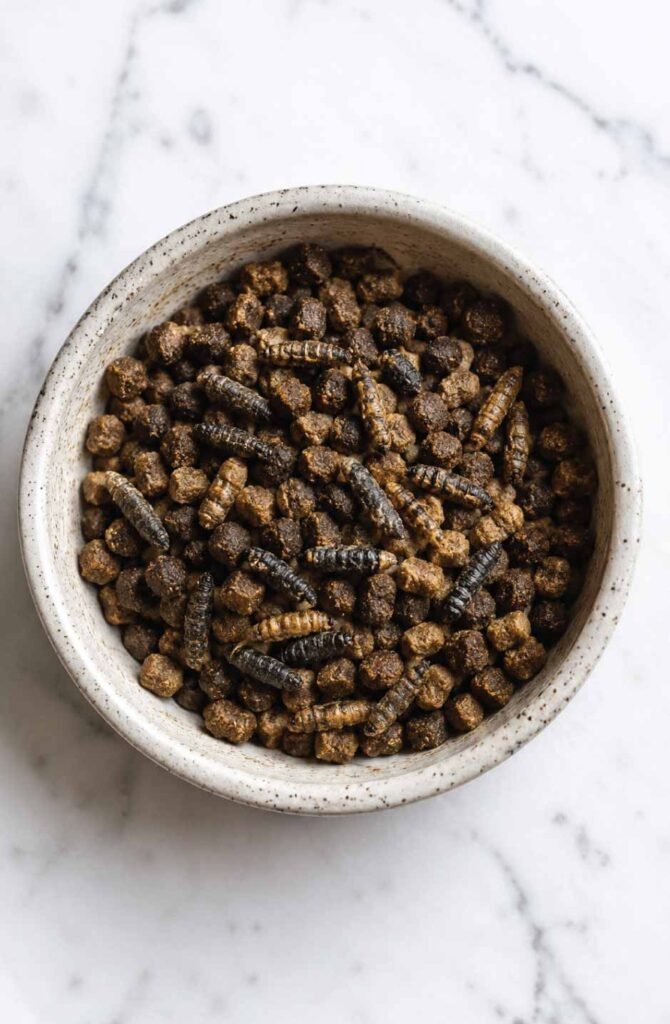
Mastering Hedgehog Nutrition for Long-Term Health
Hedgehogs are opportunistic insectivores that require high protein and low fat to avoid their number one health struggle in captivity: obesity. The most critical dietary rule is to avoid foods containing peas, pea protein, or pea fiber, as the high phosphorus levels in peas can trigger Metabolic Bone Disease (MBD) by leaching calcium from their bones. Because they lack a functioning cecum, their bodies simply cannot digest cellulose or complex plant matter efficiently.
This biological quirk means that standard vegetable-heavy small pet diets are essentially useless. Balancing a diet of high-quality kibble with appropriately sourced insects mimics their natural foraging behavior while protecting their fragile liver from lipidosis.
- Target the right macronutrients: Look for a meat-first (chicken or turkey) high-quality cat food or specialized hedgehog pellet with 30-33% protein and 10-15% fat.
- Limit fat to prevent “fatty liver”: Obesity restricts their ability to roll into a ball for self-defense, so keep fatty treats like mealworms and waxworms to a strict minimum of 2-4 per day.
- Provide gut-loaded insects: Offer at least one teaspoon of live or freeze-dried insects daily (like black soldier fly larvae) to supply essential chitin for healthy digestion and dental hygiene.
- Ditch the “hedgehog food” from big-box stores: Most commercial brands are filled with cheap corn, animal by-products, and seeds that are either indigestible or represent a dangerous choking hazard.

Stress-Free Bonding Strategies That Actually Work
Since hedgehogs have exceptionally poor eyesight and rely almost exclusively on their sense of smell, they don’t recognize your face, they recognize your unique scent profile. Bonding is a process of habituation where you systematically train your hedgehog’s brain to view your specific smell as a sign of safety rather than an incoming predator. This is why consistent, gentle exposure is your greatest asset during the first few months of ownership.
Consistency is crucial because sudden changes in your daily hand soap, perfume, or laundry detergent can make you a terrifying stranger to your pet overnight. If you are struggling to make progress with a highly defensive pet, learning how to tame a scared small pet using gentle, scent-based trust building will prevent you from accidentally reinforcing their fear.
- The T-shirt trick: Wear a 100% cotton t-shirt for a full day and then place it unwashed in your hedgehog’s enclosure as nesting material so they associate your scent with sleep.
- Scoop from below, never from above: Reaching over a hedgehog mimics a bird of prey; instead, keep your hands entirely flat and gently scoop them from underneath their belly.
- Skip the heavy gloves: Thick leather or gardening gloves block your scent and smell entirely unfamiliar, which can trigger defensive biting rather than preventing it.
- Commit to the 30-minute rule: Spend at least 30 minutes daily with your hedgehog in a dark bonding bag or on your lap, allowing them to unroll and explore at their own pace.
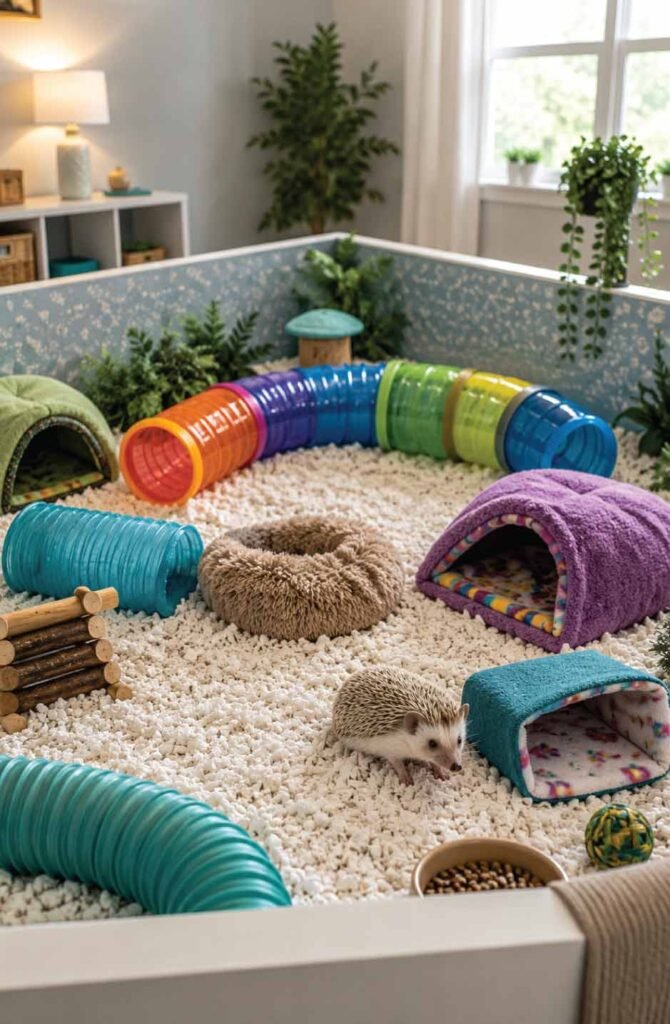
Enclosure Essentials for Active Foragers
Hedgehogs may be small, but they are incredibly active nocturnal foragers that routinely travel several miles in a single night in the wild. A safe enclosure must have a completely solid floor to prevent their delicate limbs from falling through wire gaps, which frequently causes devastating fractures or joint luxations. While offering the largest footprint possible is always recommended, you must keep the layout heavily cluttered with hides, PVC tunnels, and fleece strips.
Wide-open, brightly lit spaces induce intense agoraphobia and chronic stress in these vulnerable animals, making them reluctant to explore their territory. Because a heavily cluttered, active cage can quickly develop odors, implementing strategies to stop small pet cage smells using safe, unscented cleaning methods is essential for maintaining your home’s air quality.
- Choose a solid-bottom habitat: Modified 105-quart Sterilite bins, C&C setups with high walls, or Midwest Wabbitat cages are ideal because they are easy to sanitize and retain ambient heat well.
- Prevent the “climber’s fall”: If using a wire-sided cage, attach 8-12 inches of smooth corrugated plastic (coroplast) along the bottom perimeter to stop your hedgehog from scaling the bars and falling backward.
- Stick to safe bedding: Use washable fleece liners (changed frequently) or dust-free paper-based bedding; never use cedar or un-kilned pine, as the volatile oils cause severe respiratory distress.
- Avoid multi-tier ramps: Hedgehogs have notoriously terrible depth perception and will confidently walk right off a second-story ledge if it isn’t fully enclosed and shielded by walls.
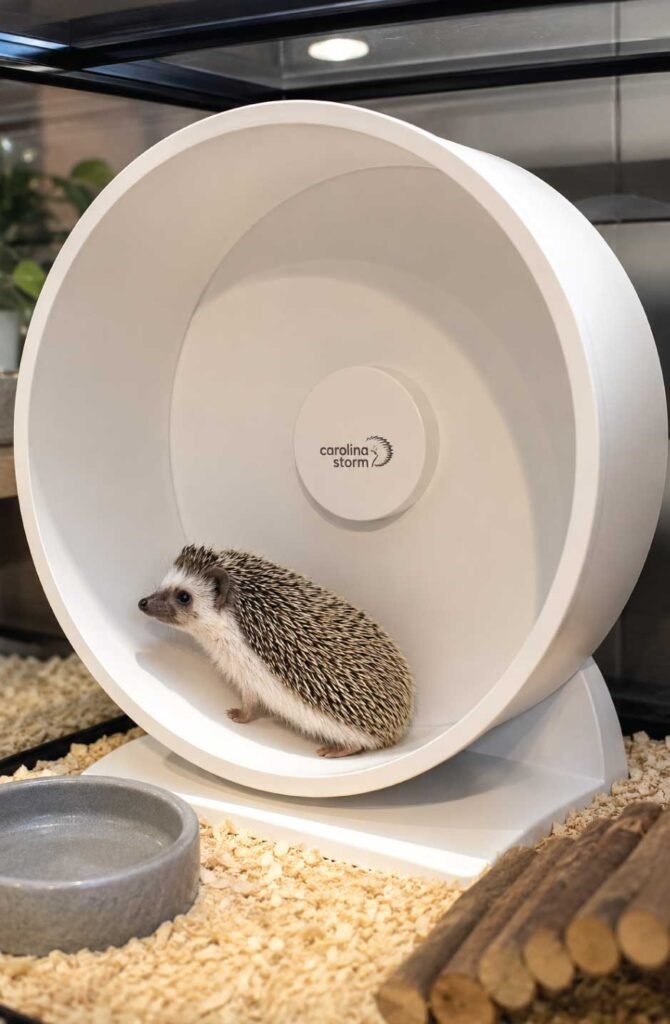
The Nightly Marathon and Choosing the Right Wheel
Vigorous nightly exercise is non-negotiable for a pet that is genetically prone to rapid weight gain and severe liver disease in a captive setting. Using the wrong exercise wheel is one of the most common causes of preventable veterinary emergencies, including ripped-out nails, torn footpads, and broken legs. Because hedgehogs notoriously “go to the bathroom” while they are actively running, the wheel needs to be incredibly easy to sanitize daily.
The design must physically prevent feces and urine from being continuously trapped against their sensitive feet as they log their nightly miles. According to guidelines established by the Hedgehog Welfare Society, choosing a seamless, perfectly smooth running surface is the only way to protect their delicate toes from lacerations.
- Demand a 10.5 to 12-inch diameter: A wheel that is too small forces the hedgehog’s back to arch unnaturally, leading to long-term and agonizing spinal deformities.
- Solid running surface only: Never use wire or mesh wheels under any circumstances; these act as dangerous “toe-traps” that frequently snap tiny leg bones.
- Avoid “seamed” wheels: Wheels built from two connecting plastic pieces (like standard pet store brands) frequently feature a center seam that catches and tears out fragile hedgehog claws.
- Invest in a bucket wheel: The Carolina Storm Bucket Wheel is widely considered the gold standard within the hobby for being completely silent, incredibly sturdy, and exceptionally easy to wipe down.
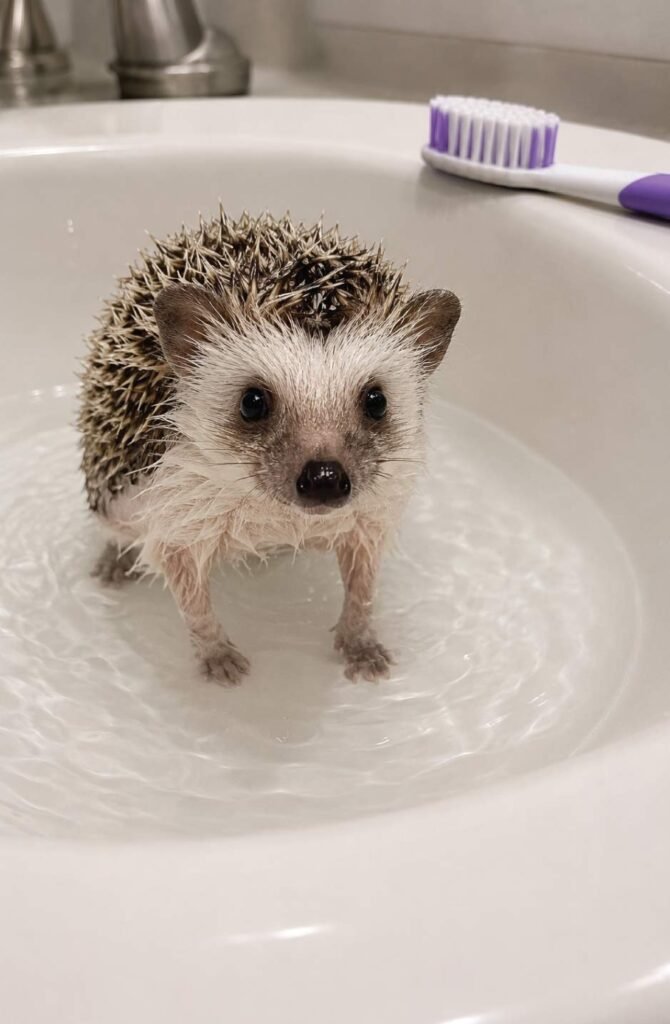
Spa Day Realities and Low-Stress Grooming
Hedgehogs are not meticulous self-groomers and are famous within the hobby for developing “poopy boots” from running continuously on their soiled exercise wheels. While basic cleanliness is important to prevent bacterial infections, bathing them more than once a month can strip natural skin oils, causing severe dryness, flaking, and quill loss. Their skin is surprisingly sensitive, and over-bathing often causes more dermatological problems than it actually solves.
Nail trimming is undeniably the most difficult but essential part of their long-term grooming and health routine. Overgrown claws can easily curl back into the fleshy footpad, causing incredibly painful bone infections (osteomyelitis) that often require expensive surgical intervention.
- The “Oatmeal Sock” soak: For dry, irritated skin, place old-fashioned oats in a clean sock and squeeze it into the warm bathwater to release soothing, natural emollients.
- Use lukewarm water and baby soap: Fill a sink to a depth of only 1-2 inches (just reaching the top of their legs) and use a mild, unscented baby shampoo like Aveeno.
- Trim immediately after the bath: Warm water temporarily softens the dense nails and makes your hedgehog physically relaxed; use small baby nail clippers to trim just the translucent tips.
- Scrub with a toothbrush: Gently use a dedicated soft-bristled toothbrush to clean feces and debris from the quills and feet, always brushing in a strict head-to-tail direction.
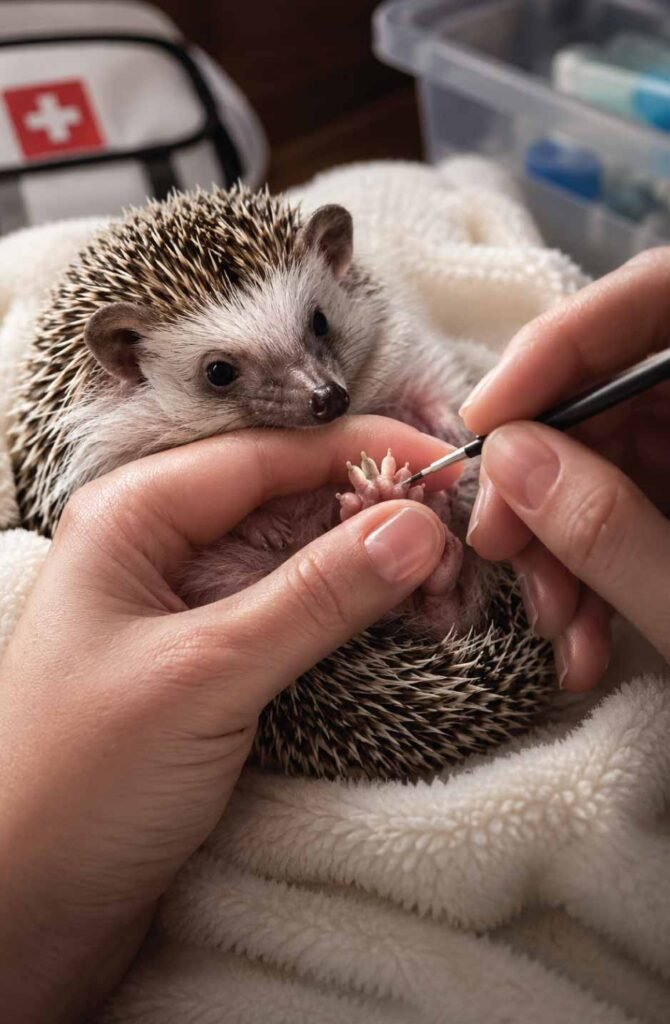
The Secret Sauce
Experienced keepers use a few advanced techniques to prevent hidden injuries and speed up the taming process. Here are three expert-level tips that most standard pet store guides completely miss.
The “Hedgehog Highway” Foot Inspection
Keepers must be constantly vigilant for constriction foot necrosis, a condition where human hair or carpet fibers tightly wrap around a hedgehog’s toe or limb. Because their feet are often tucked under their bodies, these stray fibers act like a tourniquet, cutting off circulation and requiring amputation if not discovered early. Perform a daily visual sweep of all four feet during your nightly bonding sessions to ensure no stray hairs are present.
The V-Shape Tunnel Trick
If your new hedgehog is incredibly shy and absolutely won’t unroll, try the V-shape tunneling technique rather than forcing unwanted physical interaction. Instinctually, many hedgehogs will slide beneath a hand held in a V-shape on the floor, allowing them to feel your warmth and scent in a way that mimics a safe burrow. Instead of trying to pet their spiky back, let them come to you using this non-threatening hand posture.
The “Belly Flat” Heat Warning
Most new owners know about the dangers of hibernation, but many completely miss the subtle visual signs of dangerous heat stress. If the cage gets above 80°F, your hedgehog may “sploot”, lying completely flat on their belly with their legs spread out to maximize heat dispersal. This is a clear sign they are much too hot; providing a single smooth ceramic tile in the enclosure offers a passive heat sink where they can cool down safely.
Frequently Asked Questions About Pet Hedgehog Care
The average lifespan of an African Pygmy hedgehog is 4 to 6 years with proper care. Some well-kept hedgehogs can live up to 8 years, though this is heavily dependent on genetics, a low-fat diet, and stress-free living conditions. Because their lifespans are shorter than cats or dogs, monitoring their health closely past age 3 is critical as they become highly prone to cancers and cardiovascular issues.
This bizarre behavior is called "self-anointing," and it is a completely normal biological reaction when a hedgehog encounters a new smell or taste. They will chew on the object, generate a thick, frothy saliva, and contort their bodies to paint the foam onto their quills. While it looks alarming to new owners, self-anointing is an instinctive habit used to camouflage their scent or remember foreign items, so you should never try to stop it.
Unlike ferrets, dogs, or cats, pet hedgehogs do not require any routine vaccinations or immunizations. However, scheduling an annual wellness exam with an experienced exotic animal veterinarian is still absolutely necessary. These checkups allow a vet to check for common hidden issues like oral tumors, subcutaneous mites, and early-stage kidney disease before they become life-threatening.
No, African Pygmy hedgehogs are strictly solitary animals and must always be housed alone. Forcing two hedgehogs to share an enclosure will result in territorial stress, resource guarding, and violent fights that can cause severe injuries or death. Even females or littermates will eventually turn on one another as they mature, meaning every individual hedgehog requires its own dedicated cage setup.
If your hedgehog is under 6 months old, they are likely going through "quilling," which is a normal developmental process where baby spines drop out to make room for adult quills. This process makes them incredibly grumpy and sensitive to touch due to skin discomfort. However, if an adult hedgehog develops bald patches or crusty skin, this is a sign of a health issue like mites, ringworm, or a dietary deficiency that requires veterinary treatment.
Yes, hedgehogs are strictly regulated or entirely illegal to keep as pets in several jurisdictions. In the United States, they are currently illegal to own in California, Georgia, Hawaii, New York City, and parts of Nebraska. Governments ban them due to concerns about potential ecological damage if they escape into the wild, or because they can carry zoonotic diseases like Salmonella. Always verify your local state and city ordinances before bringing one home.
Prefer Audio? Listen Pet Hedgehog Care
Final Thoughts on Hedgehog Care
Owning a hedgehog is a long-term commitment to maintaining a precise micro-environment and respecting a pet that may never be as naturally social as a dog or cat. The absolute key to your success is providing a strict temperature-controlled home, a heavily researched pea-free diet, and consistent, scent-based bonding. If you can handle the huffing, the nighttime marathons, and the daily wheel-cleaning routines, the unique bond you build with these fascinating creatures is incredibly rewarding.
Pin this for later!
Want to make sure you have all the basics covered for your exotic companion? Read our related post: Caring for Small Mammals Made Easy: Essential Practices for a Happy Pet to dive deeper into stress-free husbandry setups.