Quick Guide: How to Litter Train a Small Pet
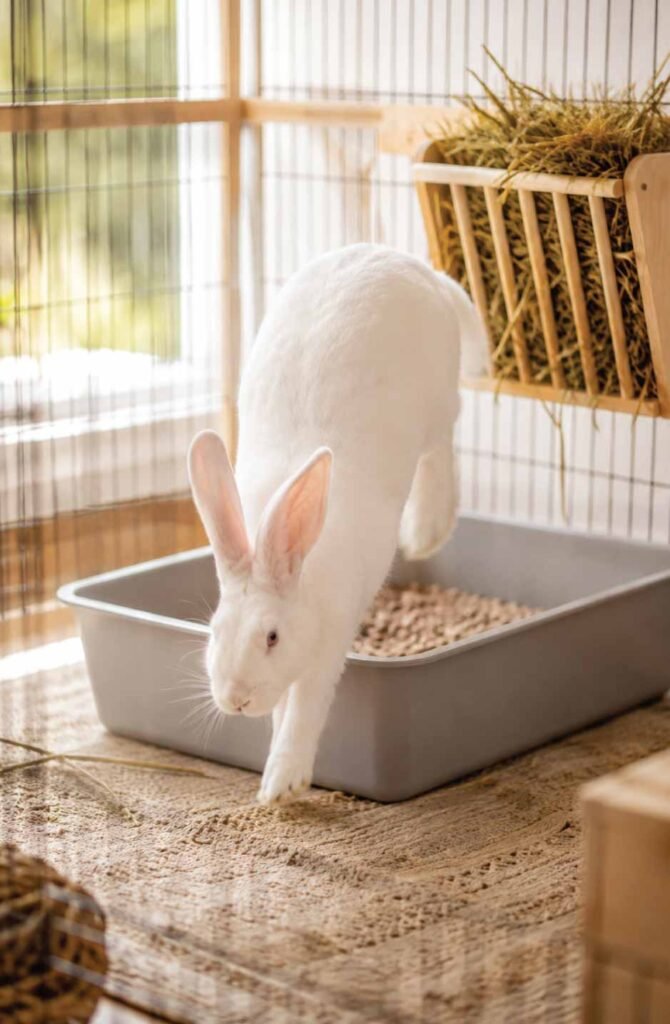
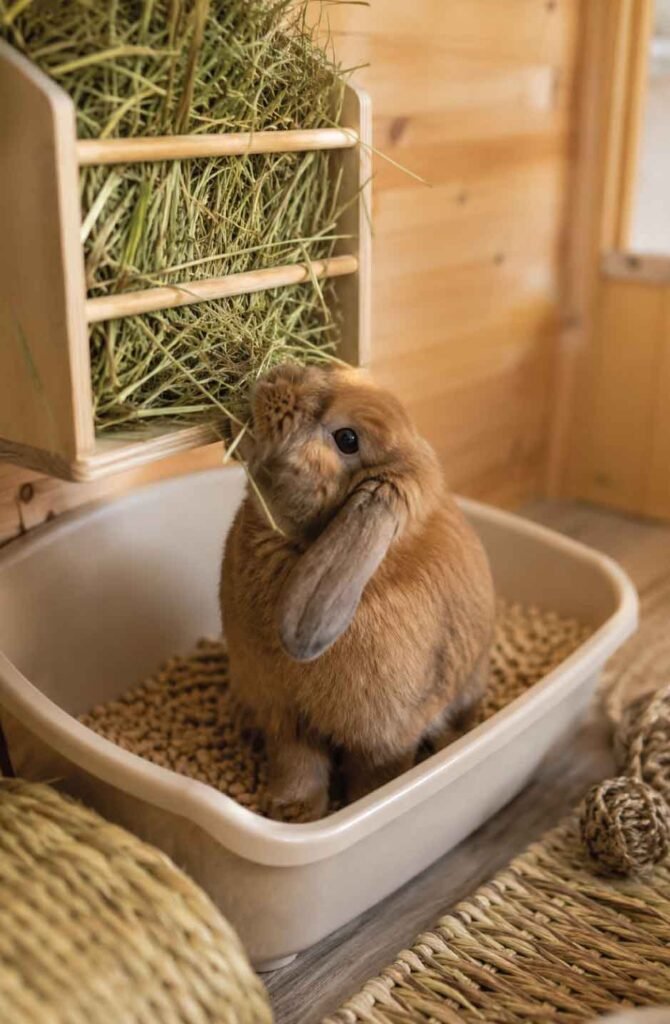
- Rabbits: They naturally eat and eliminate at the same time, so always hang their hay feeder directly over their litter box.
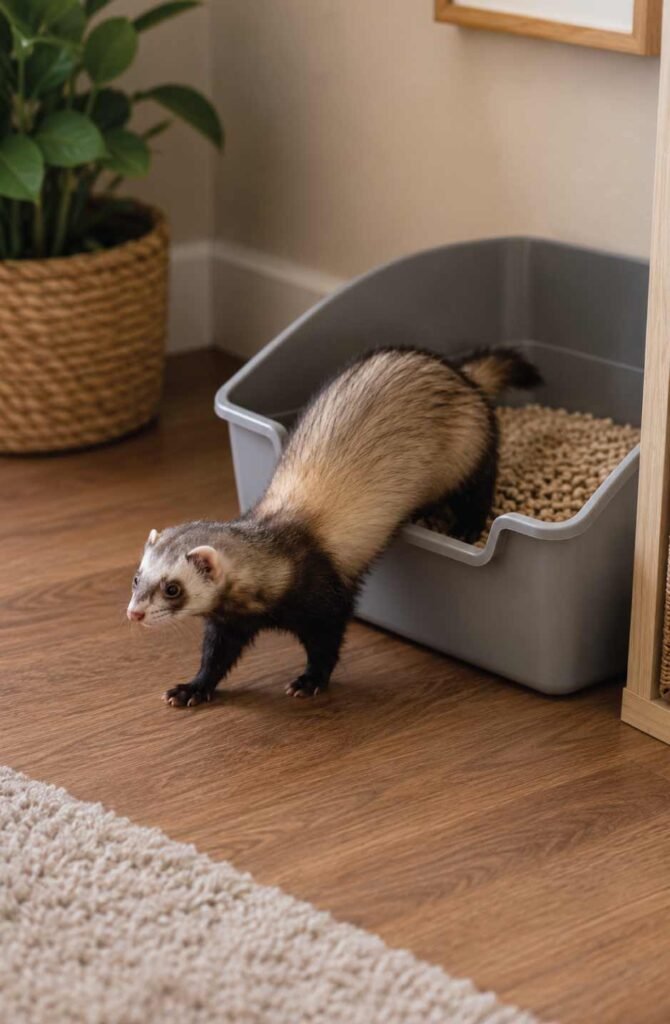
- Ferrets: Because of their short digestive tracts, they need multiple high-backed litter pans placed in the corners of their play areas.
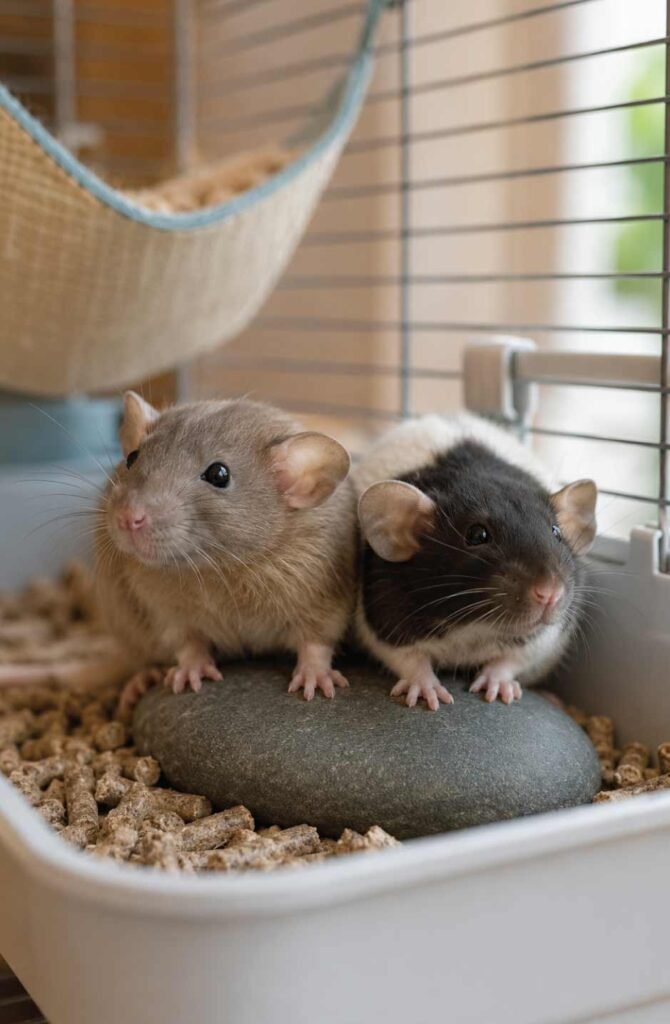
- Rats: Place a smooth, round “pee rock” in their litter tray, as rats have a natural instinct to mark flat stones.
- The Golden Rule: Never use clumping clay or scented pine shavings; stick to safe, dust-free paper pellets to protect delicate respiratory systems.
How to Litter Train a Small Pet? You finally brought home your adorable new rabbit, ferret, or rat, expecting cuddles, playtime, and a picture-perfect enclosure. Instead, you are spending half your evening sweeping up stray poops and wiping down corners. Nobody adopts a small pet dreaming of the endless cleanup, and it is incredibly frustrating when your furry friend treats their entire cage like a giant bathroom.
The good news is that rabbits, ferrets, and rats are highly intelligent and entirely capable of being litter trained. This guide skips the generic fluff and dives straight into the specific, biological reasons why your pet is missing the box. By understanding their natural instincts, you can make a few simple tweaks to your setup and significantly cut down your daily cleaning time.
Master the Box Shape and Placement Strategy
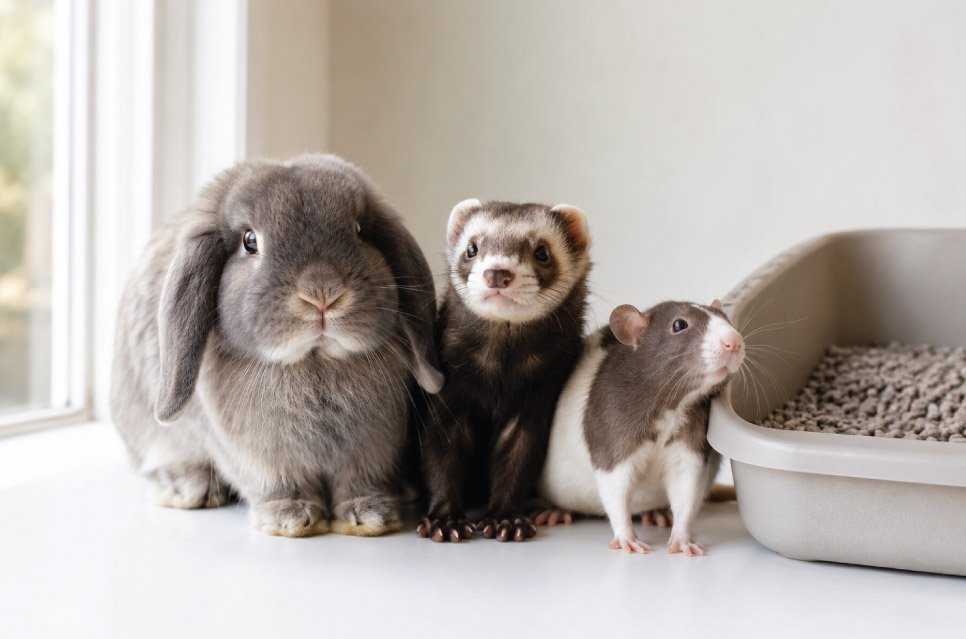
Different small mammals have vastly different bathroom mechanics, meaning a one-size-fits-all litter pan simply will not work. Prey animals like rabbits want wide open spaces to watch for danger, while ferrets physically back themselves into tight corners to do their business. If you give a rabbit a tiny corner pan, they will overflow it immediately; if you give a ferret an open tray, they will simply back right over the edge. Matching the box design to your pet’s anatomy is the single most important step in the training process.
- For Rabbits: Ditch the tiny corner pans sold in pet stores and buy a large, uncovered cat litter box so they can comfortably turn around.
- For Ferrets: Look for square pans with a high back and a low entry lip, ensuring their waste actually stays inside the box when they back up.
- For Rats: Use medium-sized, low-sided corner pans attached securely to the cage bars so they cannot flip them over during nighttime zoomies.
Avoid Dangerous and Confusing Litters
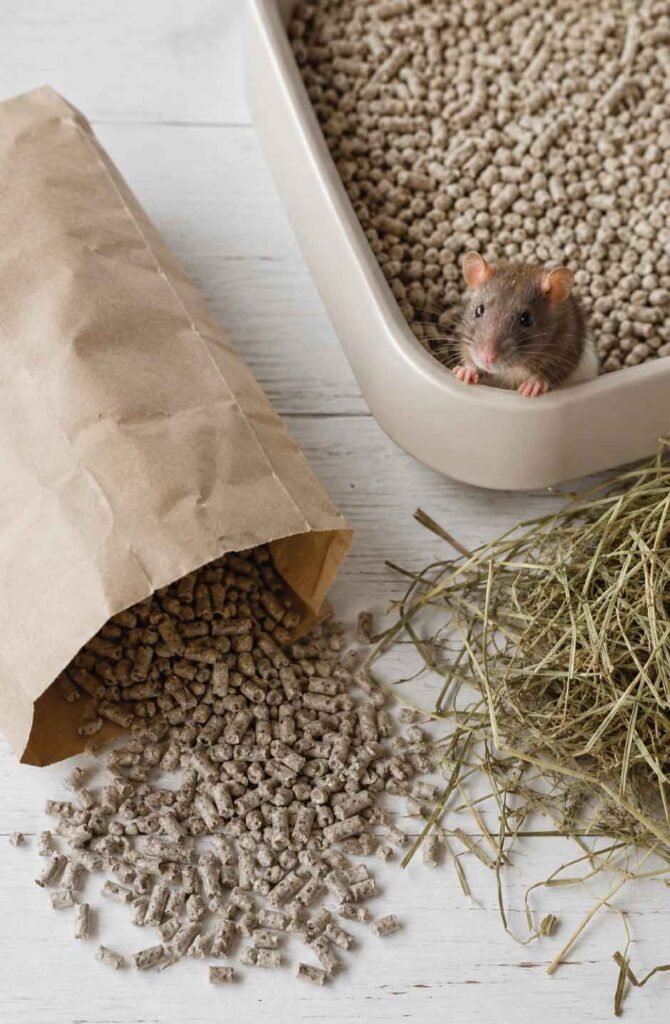
What goes inside the box is just as critical as the box itself, especially when it comes to respiratory health and training clarity. Many new owners mistakenly use clumping clay cat litter or scented pine shavings, both of which can cause fatal respiratory infections or intestinal blockages if ingested. Furthermore, if the litter inside the box is exactly the same as the bedding used across the rest of the cage, your pet will not understand where the bathroom actually is. You must establish a distinct textural difference between their sleeping area and their toilet.
- Use Paper Pellets: Unscented, recycled paper pellets are highly absorbent, dust-free, and safe if accidentally nibbled.
- Create Contrast: If you use fleece liners for the cage floor, use paper pellets in the litter box to create a clear physical boundary.
- Avoid Wood Shavings: Cedar and pine shavings contain harmful phenols that damage small mammal livers and lungs over time.
- Consult the Experts: The House Rabbit Society strongly recommends avoiding clay litters entirely to prevent dangerous digestive impactions.
The “Kitchen and Bathroom” Combo for Herbivores
Rabbits have incredibly fast metabolisms and a unique digestive system that practically requires them to eat and eliminate simultaneously. If you place your rabbit’s food bowl and hay rack on the opposite side of the cage from their litter box, they will simply poop wherever they are eating. You have to cater to this natural biological quirk to guarantee success. By combining their dining room and their bathroom into one distinct area, you practically trick them into litter training themselves.
- Hang the Hay: Mount a large hay feeder directly over the litter box so the rabbit has to hop inside the box to reach their food.
- Top with Fresh Grass: Sprinkle a handful of fragrant, fresh meadow hay directly on top of the litter pellets to entice them to jump in.
- Protect the Pellets: Keep their daily portion of pelleted food nearby, but secure the bowl to the side of the cage so it doesn’t get soiled.
- Enjoy the Freedom: Once this habit is locked in, you can finally move on to creating a beautiful Free-Roam Bunny Setup in your home.
Managing the Messy Ferret’s Short Digestive Tract
Ferrets are obligate carnivores with incredibly short digestive tracts, meaning food passes through them in just a few hours. When a ferret has to go, they have about three seconds to find a corner, and they will not hike all the way back to their cage to do it. This is the primary reason free-roaming ferrets have so many accidents around the living room. To set a ferret up for success, you must provide multiple bathroom options strategically placed throughout their play area.
- The 80/20 Rule: Keep one main litter box in their cage, and place several smaller backup boxes in the specific corners they already gravitate towards during playtime.
- Block the “Bad” Corners: If they insist on using a corner you don’t want them to, place a heavy food bowl, a cozy bed, or a toy there, as they will not soil their living spaces.
- Use Puppy Pads Wisely: For older ferrets or those struggling to climb into boxes, taping a puppy pad securely into a corner is a valid, low-barrier alternative.
- Follow Breeder Guidance: Organizations like the American Ferret Association remind owners that ferrets rarely achieve 100% perfection, so aim for consistency rather than flawless behavior.
Triggering the Rat’s Natural Marking Instinct
Rats are highly intelligent, meticulously clean animals that prefer to keep their sleeping hammocks completely free of waste. This high intelligence is exactly Why Rats Make Great Pets, but they need a specific environmental trigger to understand where the designated toilet is. In the wild, rats naturally seek out smooth, flat surfaces to leave urine marks for their colony. You can hack this biological instinct by introducing a “pee rock” into their litter tray.
- Find the Right Rock: Source a smooth, flat river stone that is roughly the size of a fist, ensuring it has no sharp edges.
- Sterilize It: Boil the rock in water for ten minutes and let it cool completely to ensure no outdoor bacteria is introduced to the cage.
- Strategic Placement: Place the rock directly in the center of their litter pan on top of the paper pellets.
- Watch the Magic: Your rats will instinctively climb onto the rock to mark it, keeping the rest of their cage bedding significantly drier and cleaner.
The Secret Sauce
Leave a Scent Trail Behind
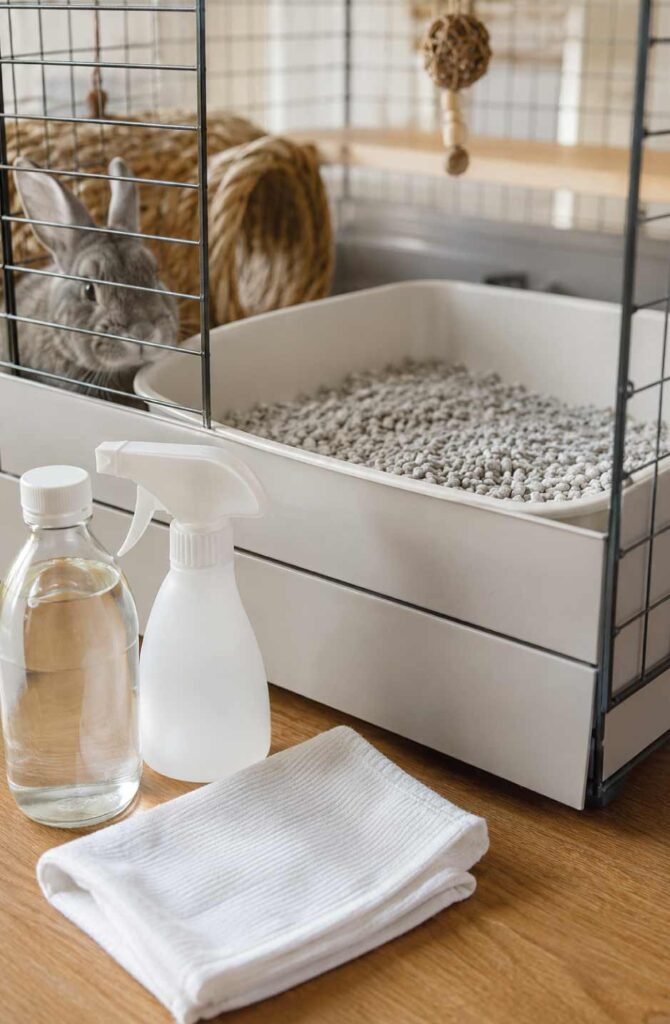
New owners often scrub the litter box spotless with harsh chemicals every single day, which actually ruins the training process. Animals rely heavily on their sense of smell to identify their territory and locate their bathroom. When you clean the pan, purposefully leave a tiny scoop of soiled litter or a few stray droppings behind. This lingering scent acts as a neon sign telling your pet, “This is where you are supposed to go!”
Vinegar is Your Best Training Eraser
When your pet inevitably has an accident outside the box, cleaning it with standard household soap is not enough to break the habit. Standard cleaners leave behind microscopic traces of ammonia that you cannot smell, but your pet’s sensitive nose can. You must clean all accidents with a 50/50 mixture of white vinegar and water. The vinegar completely neutralizes the enzymes in the urine, erasing the scent marker and preventing them from returning to that same spot.
Spaying and Neutering Changes Everything
You can follow every rule perfectly, but if your pet is biologically driven by hormones, they will still scatter poop and spray urine to mark their territory. Unspayed rabbits and intact male rats are notoriously difficult to litter train because their biological urge to claim space overrides their desire for cleanliness. Having your pet altered by a qualified exotic veterinarian is often the magic switch that solves the problem. Within a few weeks of the surgery, hormone levels drop, the aggressive marking stops, and their litter box habits will drastically improve.
Frequently Asked Questions about How to Litter Train a Small Pet
You can introduce a litter box as soon as you bring your pet home, but true consistency usually develops after they are 3 to 4 months old. Babies and juveniles have very little bladder control and are easily distracted during playtime, so expect a few more accidents with younger pets while they learn the ropes.
Hamsters can often be trained using a small corner dish filled with safe reptile sand, but guinea pigs are notoriously difficult to litter train. While you can place a litter tray in the corner of a guinea pig's cage where they naturally eliminate the most, they simply lack the biological drive to use one specific spot with 100% accuracy.
It is completely normal for curious herbivores to nibble on new textures in their cage, which is exactly why non-toxic, unscented paper pellets are the safest choice. However, if your pet is obsessively eating the litter instead of their daily food, remove the box immediately and consult your exotic vet to rule out a nutritional deficiency.
A sudden regression in litter habits is almost always a sign of underlying stress, a urinary tract infection, or a territorial response to a new pet in the home. If an intensive deep-clean of the cage with white vinegar doesn't solve the issue within a few days, schedule a vet checkup to rule out any painful medical problems.
Digging is a deeply ingrained foraging instinct for small mammals, but it makes a massive, frustrating mess of your freshly cleaned enclosure. To stop the digging habit instantly, buy a litter box equipped with a pet-safe plastic or metal grate that allows waste to fall through while keeping busy paws away from the pellets.
Urine marking requires deliberate effort and positioning, whereas prey animals often drop dry fecal pellets completely unintentionally while walking, relaxing, or exploring. If all the urine is successfully contained to the litter box, consider your training a massive success and simply sweep up the dry, odorless stray poops during your daily spot clean.
Consistency is Your Greatest Tool
Litter training a small mammal is not an overnight process, but it is one of the most rewarding investments you can make in your pet’s daily care. By matching the box to their anatomy, avoiding dangerous clumping litters, and working with their natural instincts, you can eliminate the daily frustration of cage cleaning. Remember that patience is key; simply scoop up any stray droppings, move them to the box, and trust the process. With a little time and the right setup, you and your pet will finally be able to enjoy a clean, odor-free environment.
Pin this for later!
If you are currently battling lingering smells while waiting for your pet to catch on to their new litter box routine, you aren’t alone. For more on keeping the air fresh in your home, check out Small Pet Cage Smells? 8 Simple Ways to Stop Odor Fast to bridge the gap while they learn!