Quick Guide: Small Pet Health Check
- Perform a 5-minute weekly health check by weighing your small pet on a digital kitchen scale and examining their teeth, eyes, skin, and fur.
- Catch weight loss early, as small prey animals instinctively hide pain and illness until conditions become severe.
- Stock a dedicated first aid kit with critical recovery food, needleless dosing syringes, sterile saline, styptic powder, and cohesive vet wrap.
- Identify your local exotic veterinarian in advance, as emergency standard dog and cat clinics often lack specialized small mammal training.

Why Small Pet Health Checks and Emergency Kits Are Essential
Finding your small pet sitting hunched, quiet, or refusing their favorite treat is a terrifying moment for any pet owner. Small mammals, including rabbits, guinea pigs, hamsters, rats, gerbils, and chinchillas, are prey species that instinctively mask symptoms of pain and illness to protect themselves from predators. By the time a small pet shows obvious signs of weakness or lethargy, an underlying health issue may have already reached a critical stage.
Waiting until an emergency happens to search for medical supplies or check your pet’s body condition wastes precious, lifesaving time. A simple 5-minute weekly health check paired with a pre-assembled first aid kit turns helpless panic into calm, proactive care. This guide provides a clear, practical, step-by-step routine to catch health warning signs early and equips you with the exact emergency supplies every small pet owner needs at home.
6 Crucial Steps for Your Small Pet Health Check & First Aid Setup
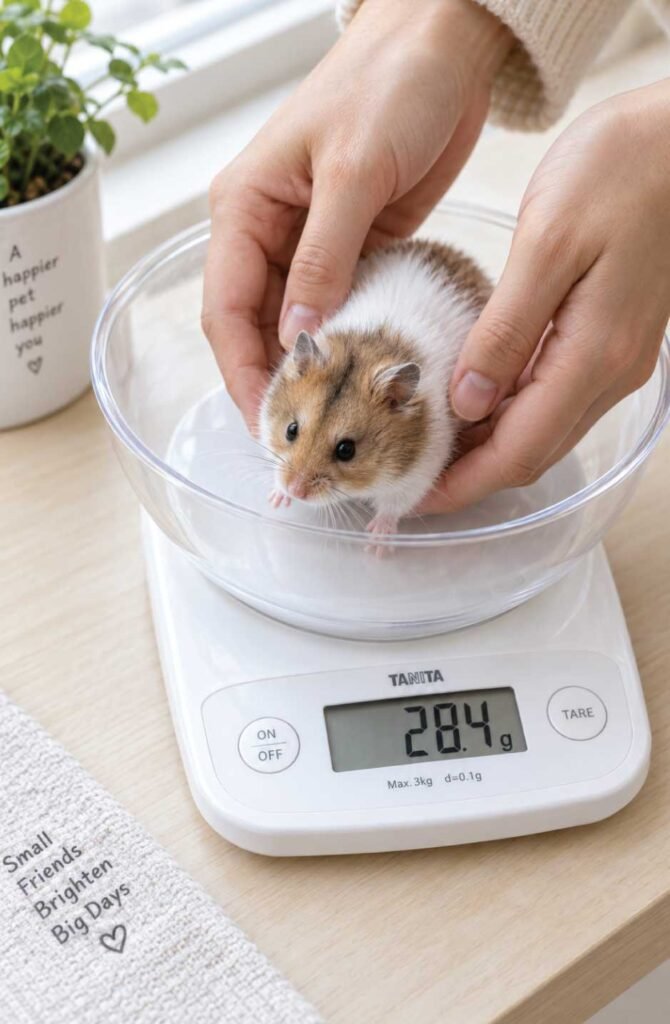
Track Weight Weekly with a Digital Kitchen Scale
Visual inspection alone is rarely enough to detect early physical changes under dense, fluffy fur. Unexplained weight loss is almost always the very first sign of dental trouble, internal infection, or digestive upset long before your pet stops moving or playing. Tracking your pet’s weight weekly on a digital scale provides an objective, unmaskable measurement of their internal health.
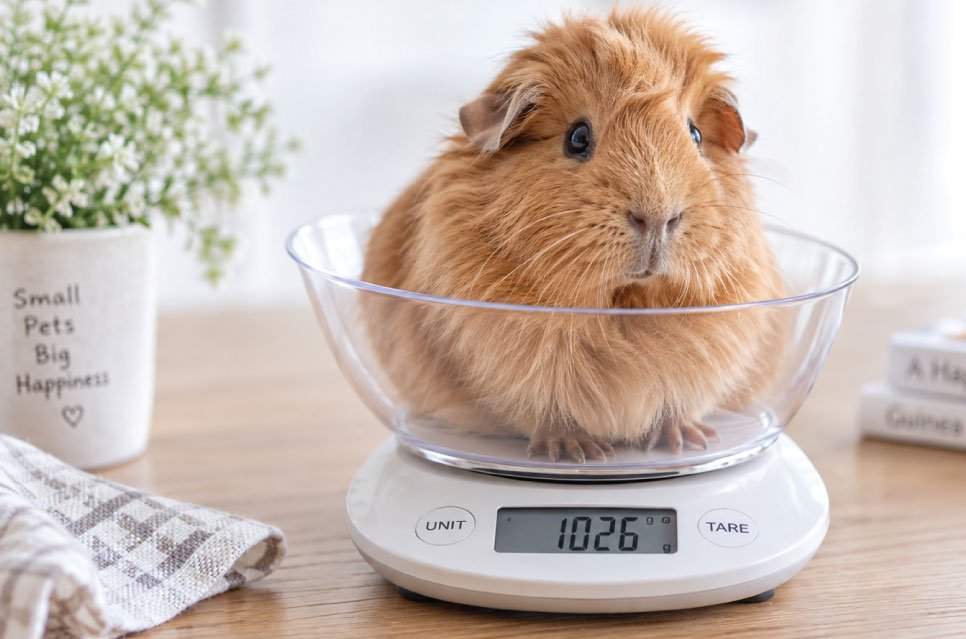
- How to weigh accurately: Place a lightweight bowl or plastic container on top of a digital kitchen scale measuring in grams, tare the scale to zero, and gently place your pet inside.
- Establish a baseline: Record your pet’s weight on the same day and time each week in a dedicated health binder or digital tracker.
- Recognize danger zones: A sudden weight loss of 5% in a single week or 10% over a month is a medical red flag that requires immediate veterinary evaluation.
- Build daily health habits: To streamline your routine, explore our guide on caring for small mammals made easy for everyday wellness tips.
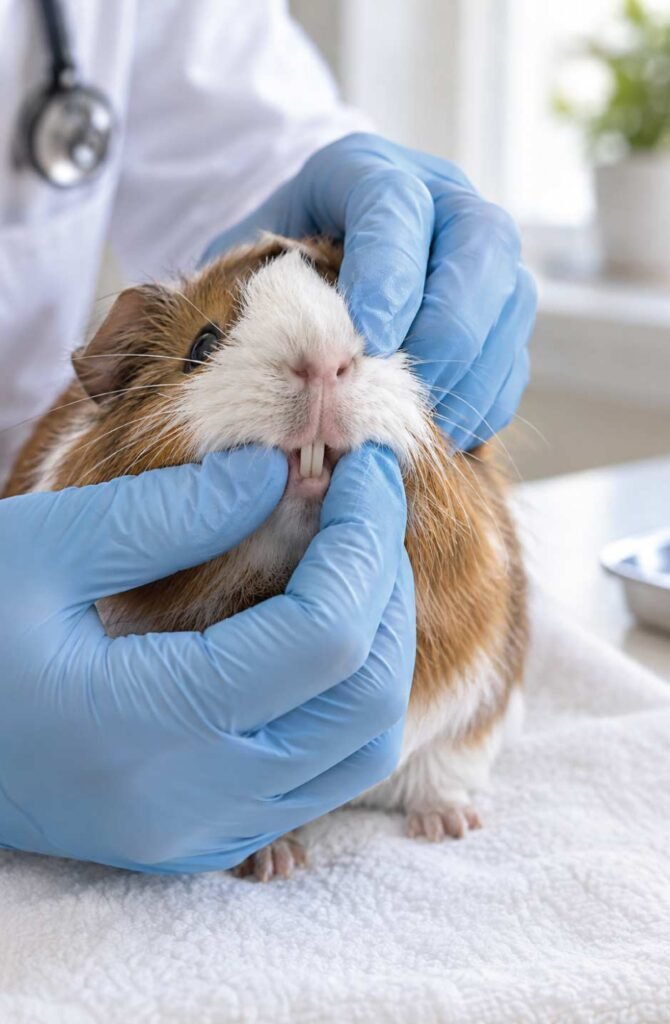
Inspect Continuous Tooth Growth and Facial Symmetry
Rabbits, guinea pigs, chinchillas, and small rodents possess open-rooted teeth that grow continuously throughout their entire lives. When teeth wear down unevenly due to poor diet or genetics, sharp points (spurs) form, cutting into delicate cheek tissue and tongue muscles. Routine mouth and jaw checks help prevent excruciating dental pain and life-threatening eating refusal.
- Check the front incisors: Gently roll back the upper and lower lips to ensure the front teeth are straight, clean, and meeting evenly without overlapping, chipping, or curving inward.
- Palpate the jawline: Run your fingertips along the outside of the lower jaw and under the cheeks, feeling for firm bumps, asymmetry, or flinching that indicates tooth root abscesses.
- Watch for secondary warning signs: Excessive drooling, wet fur around the chin (“slobbers”), teary eyes, or dropping food out of the mouth while chewing signal severe dental distress.
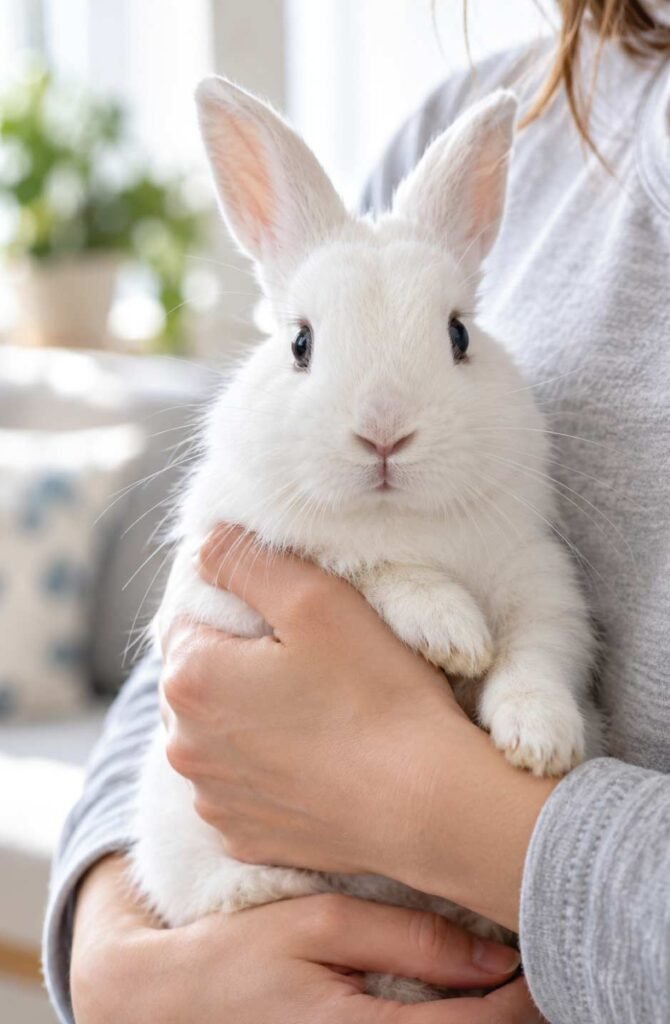
Examine Eyes, Ears, Clear Nose, and Breathing Rate
Upper respiratory infections spread rapidly in small pets due to their delicate lungs and high respiratory rates. Dust from inappropriate bedding, drafty rooms, or uncleaned cages can inflame airways, making animals vulnerable to bacterial pneumonia. Listening closely to your pet’s breathing is one of the fastest ways to catch respiratory illness before it becomes fatal.
- Perform a sound check: Hold your pet gently against your ear and listen carefully for clear, silent airflow without clicking, wheezing, whistling, or wet rattling.
- Inspect facial features: Check that eyes are bright, clear, and free from cloudiness or crusty buildup, and ensure nostrils are completely dry and clean.
- Maintain clean air quality: Prevent respiratory irritants by maintaining clean housing; read our tips on stopping small pet cage smells fast to keep airflow safe and fresh.
- Consult expert care resources: Learn more about specific respiratory warning signs and veterinary guidelines through the House Rabbit Society.
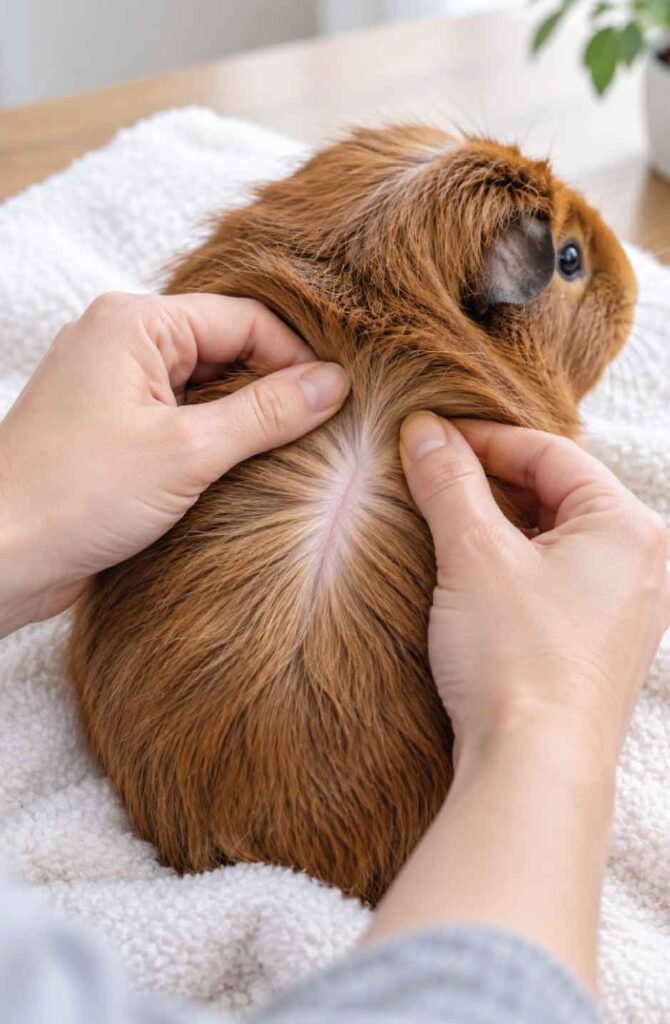
Part the Fur for Skin, Coat, and Perineal Checks
A healthy coat should be dense, clean, and smooth without excessive flaking, bald spots, or scabs. Skin parasites like fur mites or fungal conditions like ringworm cause severe discomfort and weaken your pet’s immune system. Checking your pet’s skin and hindquarters reveals critical clues about their grooming ability and digestive health.
- Part the fur along the spine: Gently separate the coat behind the ears, along the neck, and down the back to inspect for red skin, dandruff, or tiny moving parasites.
- Inspect the rear end (perineum): A dirty, urine-stained, or poop-matted rear end indicates active diarrhea, urinary tract issues, or severe arthritis preventing normal self-grooming.
- Check footpads for bumblefoot: Inspect the bottom of all four paws for redness, hair loss, or calluses caused by abrasive bedding or wire cage flooring.
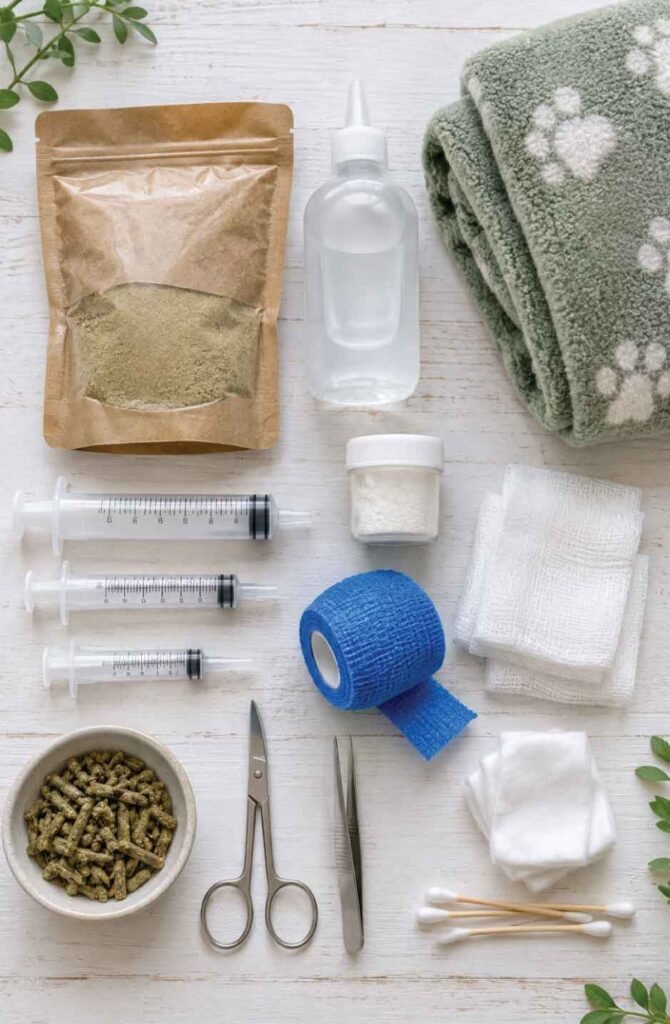
Stock Emergency Syringe-Feeding Formula and Dosing Tools
When herbivorous small pets like rabbits, guinea pigs, and chinchillas stop eating, their delicate gut mobility slows down or stops completely, a life-threatening condition known as Gastrointestinal (GI) Stasis. Keeping specialized recovery food in your first aid kit ensures you can administer emergency nutrition the moment an appetite drop occurs.
- Keep powdered recovery formula stocked: Maintain a sealed pouch of species-appropriate recovery food (such as Oxbow Critical Care or Sherwood Sarx) in your kit.
- Collect various syringe sizes: Keep multiple 1ml, 3ml, and 10ml needleless syringes on hand to administer blended food, water, or prescribed liquid medications smoothly.
- Learn correct feeding mechanics: Never force liquid food directly down a pet’s throat; always insert the syringe tip behind the front teeth and feed slowly to prevent lung aspiration.
- Cross-reference medical guidance: Read clinical overview guides from authoritative veterinary databases like VCA Animal Hospitals to understand emergency GI stasis protocols.
Assemble Safe Antiseptics and Wound Care Wraps
Accidents happen unexpectedly, a nail quicked during a trim, a minor scrape from cage hardware, or a bite during cagemate bonding. Having pet-safe wound cleaning supplies ready prevents minor cuts from developing into dangerous bacterial abscesses. Using improper human medications on small pets can cause toxic reactions or skin burns.
- Stop minor bleeding fast: Keep styptic powder (or plain, pure cornstarch) in your kit to instantly dab onto over-trimmed nails or minor surface nicks.
- Flush scrapes with safe solutions: Store sterile saline solution and dilute chlorhexidine or povidone-iodine to gently clean dirt out of fresh wounds.
- Use self-adhesive vet wrap: Keep cohesive elastic bandage wrap (vet wrap) and sterile gauze pads, which stick securely to themselves without tearing delicate skin or fur upon removal.
- Reduce handling anxiety: If your pet panics during physical checks or wound care, follow our step-by-step techniques on how to tame a scared small pet to build mutual trust.

The Secret Sauce
Master the “Burrito Wrap” Handling Method
Firmly wrapping a nervous or squirming pet in a soft fleece towel prevents spinal injuries and allows safe physical examinations. Lay a towel flat, place your pet on top, and fold the sides snugly over their shoulders while keeping their head exposed. This immobilizes their legs gently, making eye drop administration, tooth inspection, or emergency syringe feeding significantly safer for both you and your pet.
Keep a Dedicated, Safe Heat Source for Shock
Sick or injured small mammals lose body heat rapidly, making hypothermia and shock major risks during a health crisis. Keep a pet-safe microwavable heat pad (such as a Snugglesafe disc) or a warm water bottle ready in your emergency kit. Always wrap heat sources in a thick towel and place them on only one side of an enclosure so your pet can choose to move away if they get too warm.
Monitor Fecal Output Size, Shape, and Quantity Daily
Fecal pellets serve as a real-time, daily report card reflecting your small pet’s internal digestive health. Healthy pellets should be uniform, round, plump, and abundant. Small, misshapen, dark, or tear-drop-shaped droppings, or pellets strung together by ingested fur, signal dehydration and early digestive slowing days before your pet shows outward signs of pain.
Frequently Asked Questions about Small Pet Health Check & First Aid Kit
The most common early signs of GI stasis are a sudden decrease in appetite, lethargy, and unusually small or misshapen droppings. Herbivorous small pets like rabbits and guinea pigs rely on continuous gut movement, making digestive slowing a severe medical emergency. If your pet refuses their absolute favorite high-value treat, sits hunched in a corner, or produces no fecal pellets for over 6 to 8 hours, contact an exotic veterinarian immediately.
Shine a bright flashlight or penlight underneath light-colored nails to clearly visualize the pink blood vessel (the quick) before making small, cautious trims. For pets with dark or black nails, trim only the razor-sharp curved tip in tiny increments to avoid accidental bleeding. Always keep styptic powder or pure cornstarch within arm's reach during nail trims to quickly dab and stop any unexpected bleeding instantly.
Never administer human over-the-counter pain medications, aspirin, or antibiotic ointments to small mammals without explicit instructions from an exotic vet. Common human painkillers like ibuprofen or acetaminophen are highly toxic to small pets and cause fatal kidney or liver failure. Additionally, triple-antibiotic ointments containing zinc or steroids can destroy a small pet's delicate cecal flora or cause toxicity when ingested during self-grooming.
Because prey animals rarely vocalize when hurt, pain is usually expressed through subtle physical posture changes, grimaces, and behavioral withdrawal. Watch for a tightly hunched body stance, squinted eyes, flattened ears, teeth grinding (bruxism), or sudden aggression when handled. A pet that hides continuously or ignores daily social routines is almost always experiencing physical discomfort or underlying stress.
Inspect your pet's emergency first aid kit at least twice a year, ideally during daylight saving time changes, to replace expired items and check product seals. Liquid solutions like sterile saline and opened pouches of powdered recovery formula lose sterility and potency over time. Always replace used dosing syringes, dirty wrap materials, and expired critical care feeds immediately after managing an illness or injury.
Treat a complete loss of appetite in a small pet as an immediate medical emergency and assess their physical condition right away. Perform a gentle physical check to inspect their mouth, feel their abdomen for tight bloating, and weigh them on your digital scale. If the abdomen feels soft and not swollen, offer water via a syringe and contact your emergency exotic vet right away for specialized guidance and pain management.
Proactive Care Saves Lives
Performing a 5-minute health check every week transforms you from a reactive pet owner into a confident, prepared caregiver. Catching minor weight drops, early tooth spurs, or subtle changes in fecal output allows you to schedule a routine vet visit long before an issue escalates into a middle-of-the-night emergency.
Keep your emergency first aid kit fully stocked, check expiration dates twice a year, and tape your local exotic vet’s emergency phone number directly to the inside lid of your supply box. Taking proactive control of your pet’s health monitoring routine is the single best investment you can make in your tiny companion’s longevity.
Pin this guide for later so you always have this health checklist ready when you need it! To continue upgrading your pet’s daily care and habitat setup, check out our guide on caring for small mammals made easy next.