Quick Guide: Cat Hydration and Diet
- Cats are desert-descended obligate carnivores: They naturally rely on their food for up to 70% of their total daily moisture intake.
- Wet food is essential for urinary health: Feeding dry kibble alone often leaves cats in a state of chronic low-level dehydration.
- Separate feeding and drinking stations: Instinct tells cats to avoid drinking near their food bowl or litter box to prevent water contamination.
- Water fountains prevent whisker fatigue: Flowing water stimulates drinking instincts while wide bowls protect sensitive whiskers.
Mastering Your Cat’s Daily Moisture and Nutritional Needs
Getting your cat to drink enough water and eat a properly balanced diet can feel like an uphill battle for many pet owners. Unlike dogs, cats rarely chug water after play, leaving owners wondering if their feline companion is secretly dehydrated.
Because domestic cats evolved from desert-dwelling ancestors, they possess a naturally low thirst drive and are biologically designed to absorb water directly through their food.
When fed an all-dry kibble diet, cats often exist in a state of subtle, chronic dehydration without showing obvious symptoms. Mastering Cat Hydration and Diet is not about forcing your cat to drink from a standard bowl, but about setting up daily habits that match their natural instincts. If you are already following the fundamentals in our guide to the Basics of Caring for a Cat, optimizing their meal and water routine is your next major step toward long-term wellness.
The Evolutionary Thirst Deficit in Domestic Cats
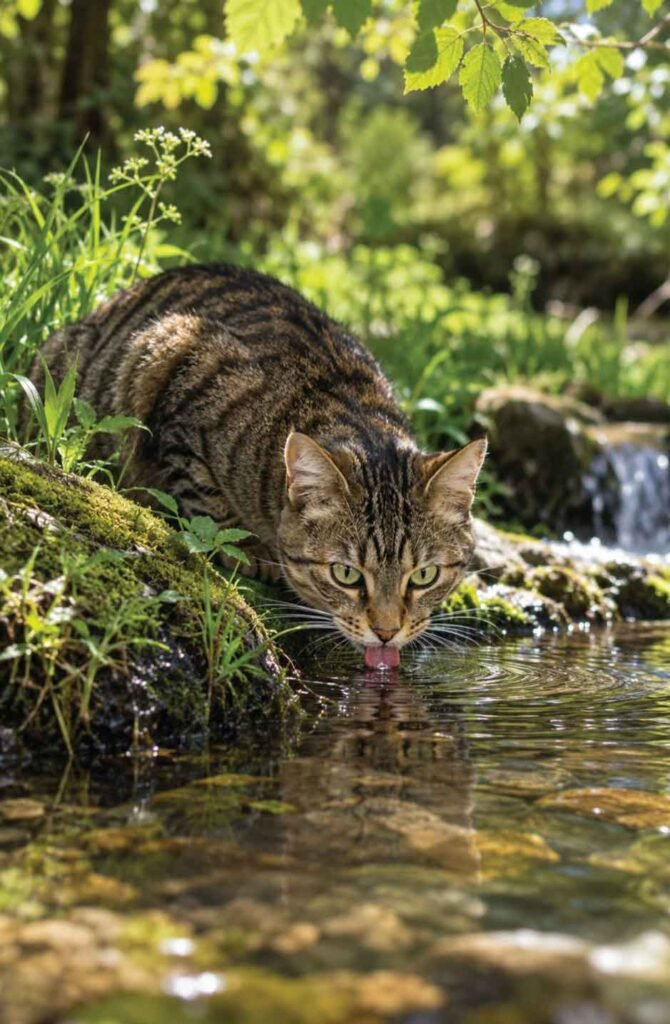
Cats have a weak thirst response because their biology expects moisture to come directly from fresh prey. In the wild, small mammals and birds consist of roughly 70% to 80% water, which naturally satisfies a cat’s daily fluid requirements. When we feed them dry kibble, which contains only 10% moisture, cats rarely drink enough additional water to make up the deficit. Over time, this chronic moisture shortfall places continuous strain on their kidneys and urinary bladder, often setting the stage for feline lower urinary tract disease (FLUTD). Clinical research from the Cornell Feline Health Center confirms that proper fluid intake is one of the single most effective defenses against kidney decline and painful urinary crystal formation.
- Monitor litter box output daily: Look for small, hard stool or unusually tiny urine clumps, which are early indicators of dehydration.
- Never rely solely on standing water bowls: Cats fed dry diets will rarely drink enough from a static water dish to stay fully hydrated.
- Watch for physical discomfort: Persistent dehydration leads to sluggishness and pain; learn to spot subtle symptoms in our guide on How to Know When Your Cat Is in Pain.
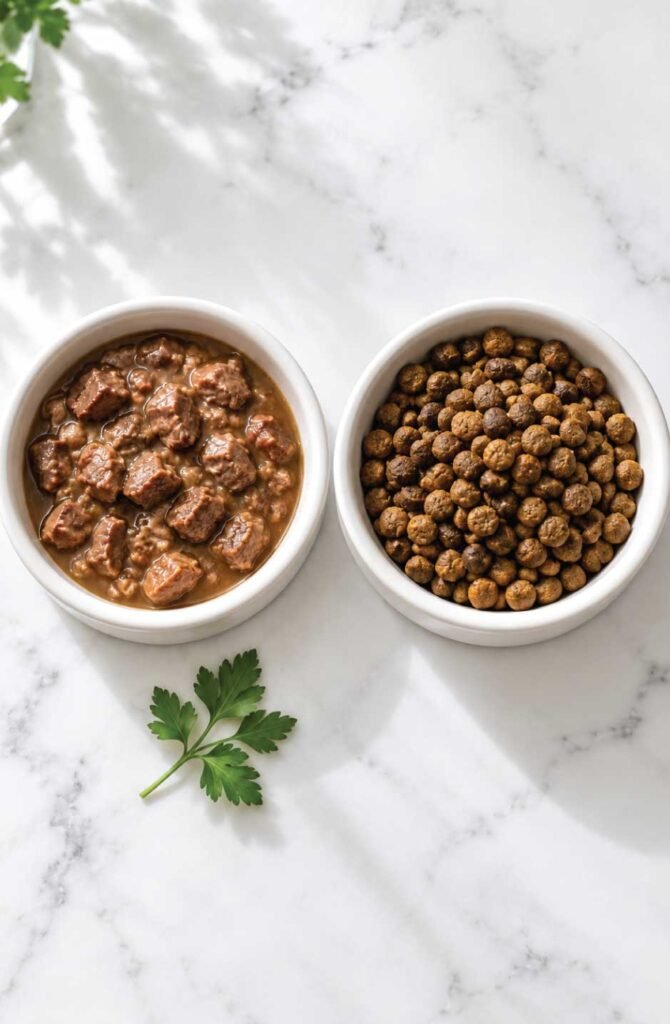
Wet Food vs. Dry Kibble: Balancing Moisture Content
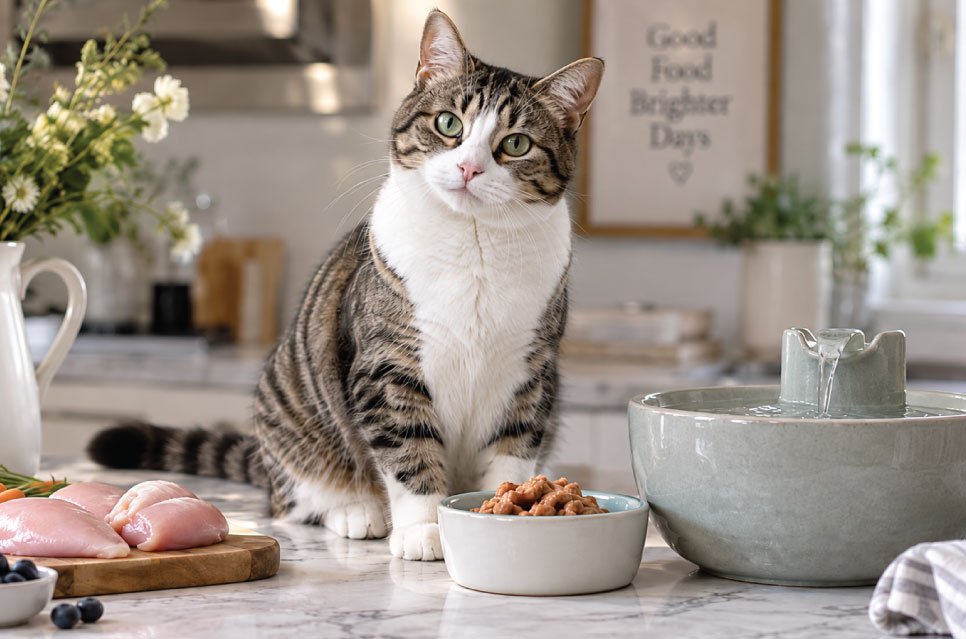
Incorporating high-moisture canned or fresh wet food into your cat’s meal schedule is the fastest way to fix poor hydration. Dry food is convenient, but its high carbohydrate load and low moisture content can contribute to weight gain and kidney strain. A single serving of canned cat food can instantly provide over half of your cat’s required daily fluid intake. Even if you cannot switch to an all-wet diet due to budget or convenience, replacing just one meal a day with wet food makes a measurable difference in your cat’s health.
- Choose real animal protein first: Select canned foods where chicken, turkey, beef, or salmon is listed as the primary ingredient.
- Add warm water to canned food: Mix 1 to 2 tablespoons of warm water into wet food to create an extra hydrating, flavorful gravy.
- Avoid heavy carbohydrate fillers: Steer clear of foods loaded with corn, wheat, or soy derivatives that add empty calories without nutritional value.
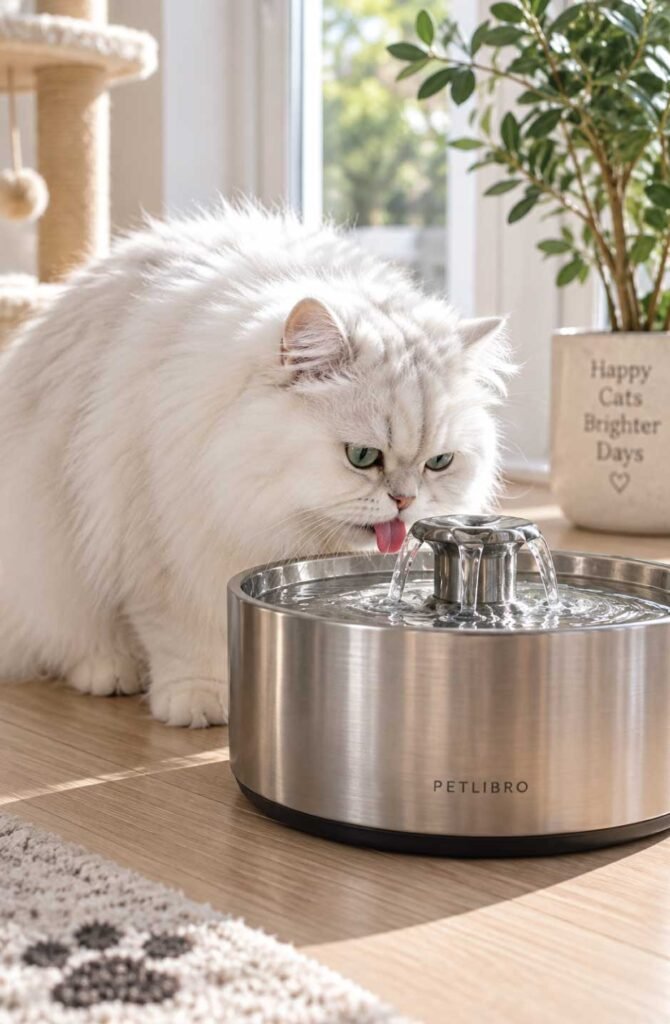
Leveraging the Running Water Instinct
Standing water in a static bowl triggers a wild instinct in cats to avoid stagnant pools. In nature, still water is more likely to harbor bacteria or parasites, whereas running water signals fresh, safe hydration. Switching to a circulating stainless steel or ceramic pet water fountain immediately piques a cat’s curiosity and encourages regular drinking. Veterinary specialists at VCA Animal Hospitals highlight that the movement and sound of running water serve as key sensory triggers that prompt reluctant cats to drink more throughout the day.
- Choose stainless steel or ceramic materials: Plastic bowls easily develop microscopic scratches that harbor bacteria and absorb unappealing odors.
- Replace fountain filters on schedule: Change charcoal and foam filters every 2 to 4 weeks to keep the water tasting fresh and free of debris.
- Position fountains in quiet spots: Keep water stations away from noisy appliances like washing machines so your cat feels safe while drinking.
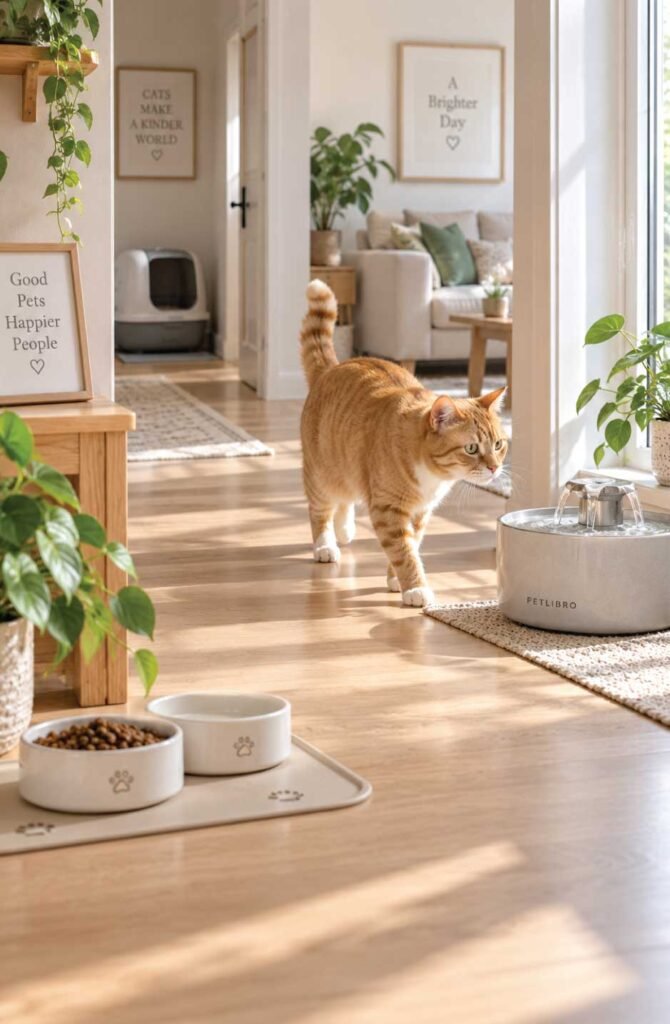
Strategic Placement of Food, Water, and Litter Stations
Placing your cat’s water dish right next to their food bowl or litter box is a common layout error that stops them from drinking. In the wild, felines never eat their prey right next to their water source to avoid contaminating clean water with food waste. Furthermore, placing water bowls near a litter box introduces unwanted odors that turn cats off from drinking altogether. Decoupling these three areas across different rooms creates a far more natural, inviting setup for your pet.
- Maintain distance between stations: Keep food and water bowls separated by at least 3 to 5 feet.
- Choose open, visible locations: Place water dishes in spots where your cat has a clear line of sight and doesn’t feel cornered.
- Set up multiple hydration stations: Scatter 2 or 3 water bowls around your home to encourage opportunistic drinking as your cat patrols their territory.
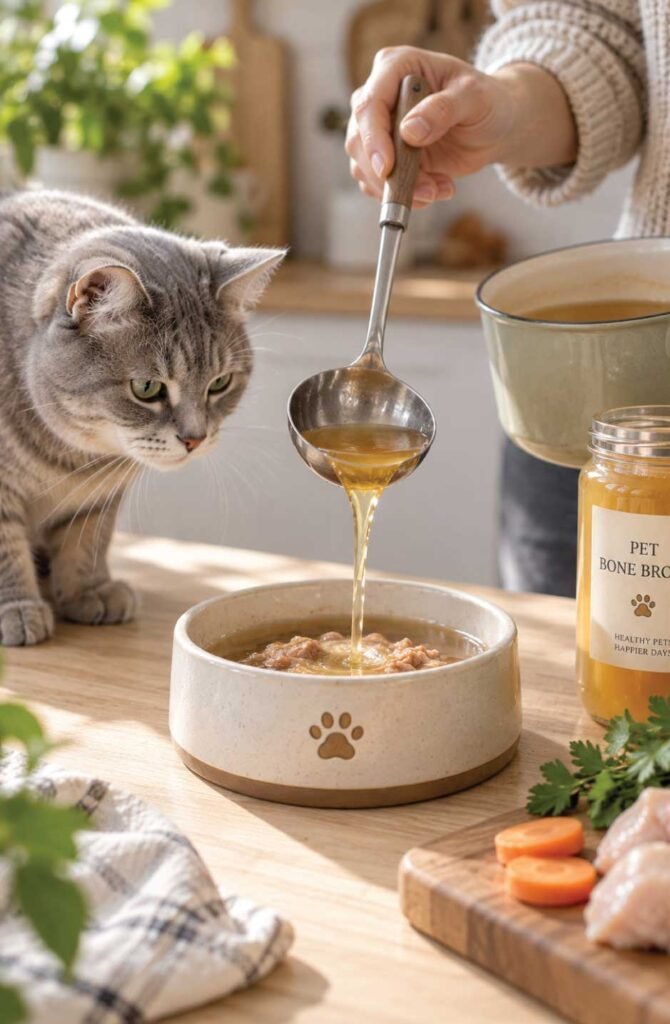
Flavor-Infused Hydration Boosters for Fussy Drinkers
When plain water fails to attract a picky cat, flavor-infused toppers can serve as an irresistible motivator. Adding a splash of savory, pet-safe liquid transforms plain water into an appealing treat while delivering vital fluids. Unsalted bone broth formulated specifically for pets or liquid drained from canned tuna in water works exceptionally well for stubborn drinkers. This technique is especially useful during hot summer months, after recovery from an illness, or when transitioning a fussy cat to a new food.
- Verify onion and garlic-free ingredients: Never use human store-bought broths, as cooked onions and garlic are toxic to cats.
- Create liquid meal toppers: Drizzle sodium-free chicken broth directly over dry kibble to soften the texture and boost fluid content.
- Make hydration ice cubes: Freeze pet-safe bone broth into ice trays and drop a cube into their bowl for interactive enrichment.
Biological Protein and Macronutrient Requirements
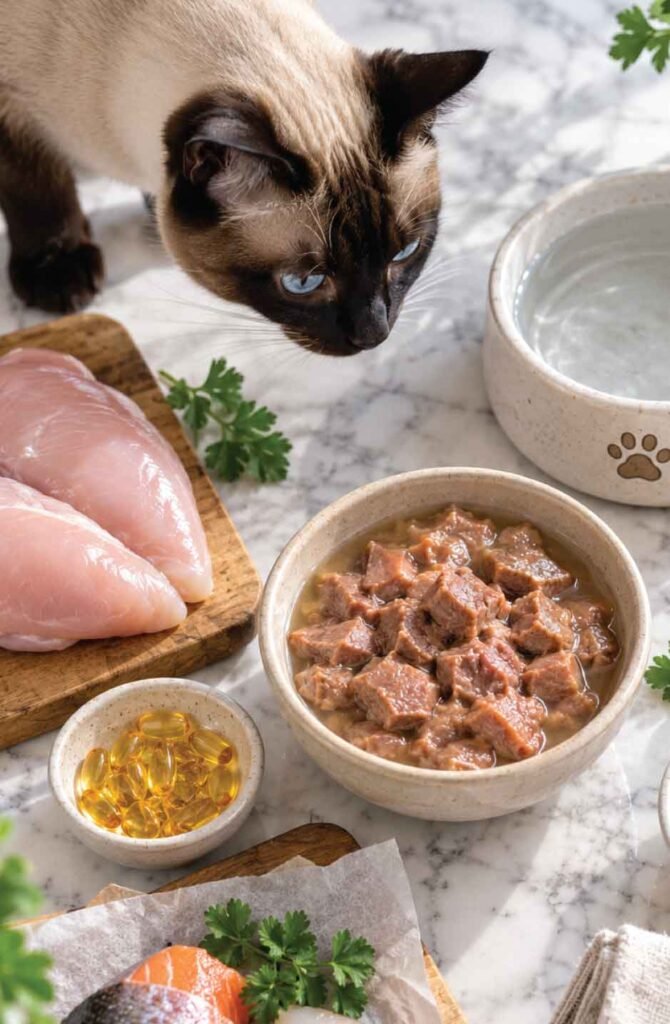
A complete Cat Hydration and Diet strategy requires nutrient ratios tailored to an obligate carnivore’s metabolic system. Cats require high levels of animal-based protein, moderate healthy fats, and minimal carbohydrates to thrive. Because cats lack the metabolic pathways to process large amounts of plant carbohydrates, low-quality grain-heavy foods cause digestive strain and lethargy. A biologically appropriate meal plan maintains lean muscle mass, supports organ function, and ensures efficient digestion.
- Prioritize high animal protein: Ensure real meat makes up at least 40% to 50% of their daily diet on a dry-matter basis.
- Keep carbohydrates minimal: Limit total carbs to less than 10% to 15% of their total daily intake to prevent weight gain and metabolic strain.
- Adjust dietary density with age: Older felines require highly digestible protein sources; review our full guide on Caring for a Senior Cat to adapt their routine as they mature.
The Secret Sauce
Ending Whisker Fatigue with Shallow Bowls
A cat’s whiskers are sensitive, nerve-packed sensory organs, and pressing them against deep bowl sides creates uncomfortable sensory overload. When forced to dip their face into narrow dishes, many cats will knock food onto the floor or refuse to drink water entirely. Switching to wide, shallow ceramic dishes or flat trays allows your cat to eat and drink without their whiskers touching the edges.
The “Soup-ify” Wet Food Routine
Mixing two tablespoons of warm water directly into canned wet food creates a rich “soup” that boosts fluid intake without extra effort. Warm water amplifies the smell of meat, making the meal instantly more appealing to picky eaters. This quick habit ensures your cat consumes extra moisture every single time they finish a meal.
Temperature Adjustments for Picky Eaters
Cats naturally prefer food and liquids that match the body temperature of fresh prey (around 100°F / 38°C). Cold food straight from the refrigerator dampens aroma and flavor, causing cats to reject high-quality wet food. Warming chilled wet food in the microwave for 5 to 10 seconds releases enticing smells and makes meals far more palatable.
Frequently Asked Questions about Cat Hydration and Diet
An average 10-pound cat requires approximately 7 to 8 ounces of total fluid daily to maintain healthy organ function. Keep in mind that cats eating an all-wet food diet absorb most of this required volume directly from their meals, while cats on dry kibble must drink almost that entire amount from a bowl or fountain.
You can perform a quick skin tenting test by gently lifting the loose skin behind your cat's shoulder blades. If the skin snaps back into place immediately, your cat is well-hydrated; if it returns slowly or stays tented, your cat is likely suffering from moderate dehydration and needs fluid support.
Filtered or bottled spring water is generally better for cats because hard tap water contains high mineral levels that can alter the taste. Excessive minerals like calcium and magnesium found in untreated tap water can also contribute to urinary crystal formation in susceptible felines over time.
You should never use cow's milk as a hydration source because most adult cats are lactose intolerant. Feeding your cat dairy products frequently causes painful gastrointestinal upset, vomiting, and diarrhea, which actually accelerates dehydration rather than solving it.
A sudden increase in water intake, known as polydipsia, is often an early warning sign of underlying health conditions like kidney disease, diabetes, or hyperthyroidism. If you notice your cat visiting the water dish constantly or producing unusually large urine clumps, schedule a veterinary checkup right away.
Lickable squeeze treats are exceptional hydration boosters because they typically consist of 85% to 90% moisture. While these treats should not replace complete and balanced meals, using them as daily toppers or interactive rewards is a great way to sneak extra liquids into a picky drinker's diet.
Keeping Your Feline Hydrated and Thriving
Optimizing your cat’s hydration and dietary routine is straightforward once you align your home habits with their biological instincts. By shifting toward high-moisture wet food, setting up flowing water fountains, separating feeding stations, and preventing whisker fatigue, you safeguard your cat against kidney stress and urinary issues. Small daily improvements in how you present food and water yield massive, long-term health dividends for your cat’s lifespan.
Pin this for later! Save this guide to your favorite Pinterest pet care board so you always have these hydration tips ready when updating your cat’s routine.
If you want to keep expanding your pet care knowledge, your logical next step is learning how to recognize early signals of discomfort or illness in your cat. Read our companion guide on How to Know When Your Cat Is in Pain to ensure your feline friend stays happy, healthy, and thriving!