Quick Guide: What Can My Bird Eat Daily?
- Base diet reality: Seeds alone cause fatty liver disease; aim for a mix of high-quality pellets, fresh vegetables, and grains.
- The deadly offenders: Avocados, chocolate, caffeine, fruit pits, and onions are highly toxic and should never be in the same room as your bird.
- Fresh is best: Serve daily “chop” (a finely diced mix of leafy greens, orange veggies, and cooked grains) to mimic their natural foraging diet.
- Transition slowly: Stubborn seed junkies need time; mix new foods with familiar favorites in the morning when they are hungriest.
Avian nutrition is notoriously confusing because what is perfectly healthy for us can be instantly fatal to them. Staring at your parrot while they stare at your dinner plate is a universal bird-owner experience, but the terrifying fear of accidentally poisoning your feathered friend usually stops you from sharing. You want to provide the best enrichment possible without requiring a veterinary degree to figure out the menu.
By the end of this post, you will know exactly how to prep safe meals, avoid hidden kitchen dangers, and transition even the most stubborn seed-junkie onto a healthy diet. This guide strips away the complicated jargon to give you exactly what you need: a straightforward, practical breakdown of what goes in the food bowl and what stays far away.
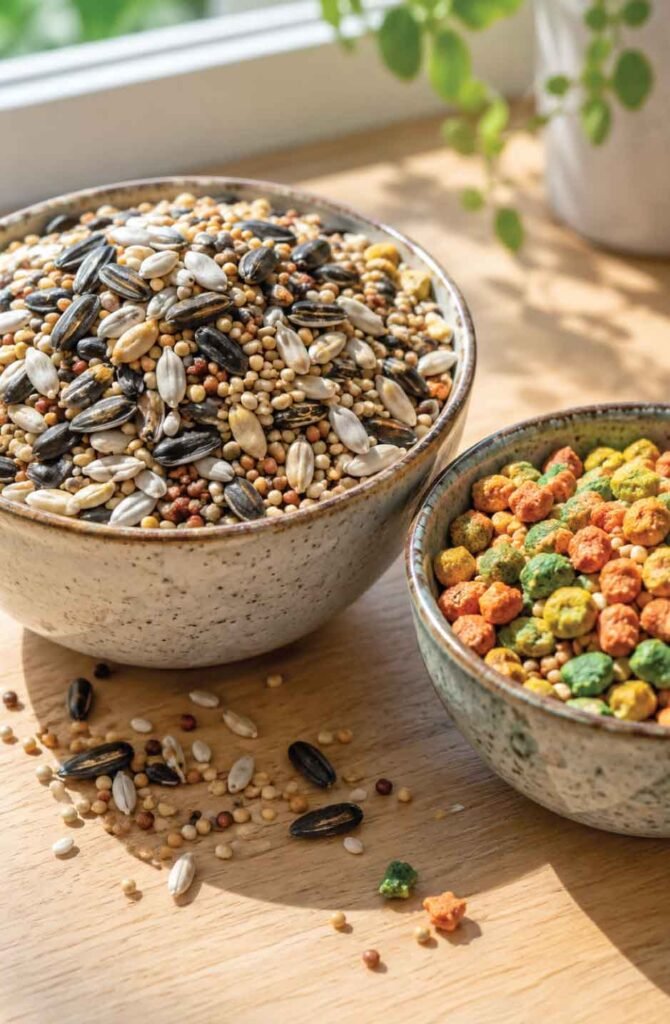
The All-Seed Diet Trap and Fatty Liver Disease
Generations of pet store marketing convinced us that a bowl full of sunflower seeds is all a bird needs, but this is a dangerous myth. In the wild, parrots burn thousands of calories flying and foraging for a massive variety of seasonal foods. When captive birds eat a 100% seed diet, it is the equivalent of a human eating fast food every single day. This high-fat, low-vitamin intake almost always leads to fatty liver disease, vitamin A deficiency, and a drastically shortened lifespan.
- Swap the seeds for a high-quality, cold-pressed pellet base. Pellets should make up about 50-70% of your bird’s daily intake to ensure they get balanced vitamins in every bite.
- Keep seeds as a high-value training reward. When seeds are rare, your bird will work twice as hard to earn them during step-up or flight training.
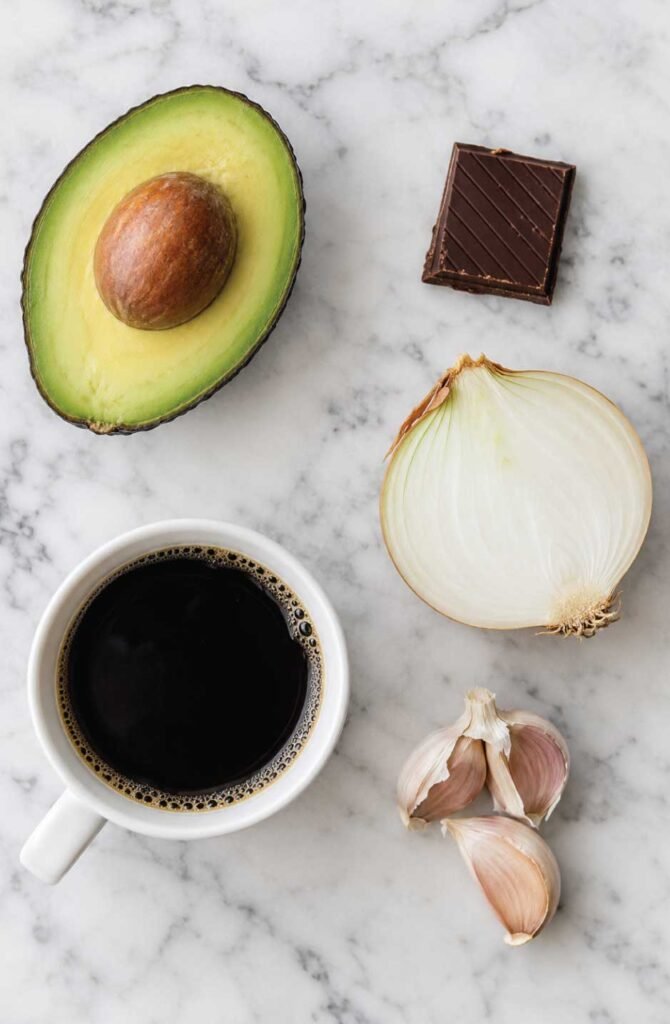
The Toxic Hit List (Kitchen Dangers)
A bird’s respiratory and digestive systems are highly efficient, meaning toxins hit their bloodstream much faster than ours. While you might already know to keep them away from cleaning supplies, some of the deadliest toxins are hiding right in your fruit bowl. It only takes a microscopic amount of these toxic foods to cause irreversible organ failure in small birds like budgies or cockatiels. For a deeper dive into clinical avian toxicology, the VCA Animal Hospitals guide on toxic bird foods is a fantastic bookmark to keep on hand.
- Ban avocados from the bird room entirely. Persin, a fungicidal toxin found in all parts of the avocado (skin, meat, pit), causes rapid respiratory distress and heart failure in birds.
- Keep chocolate and caffeine locked away. Theobromine and caffeine cause hyperactivity, heart arrhythmias, and seizures.
- Never offer onions, garlic, or xylitol (sugar-free gum). These destroy red blood cells or cause severe hypoglycemic crashes.
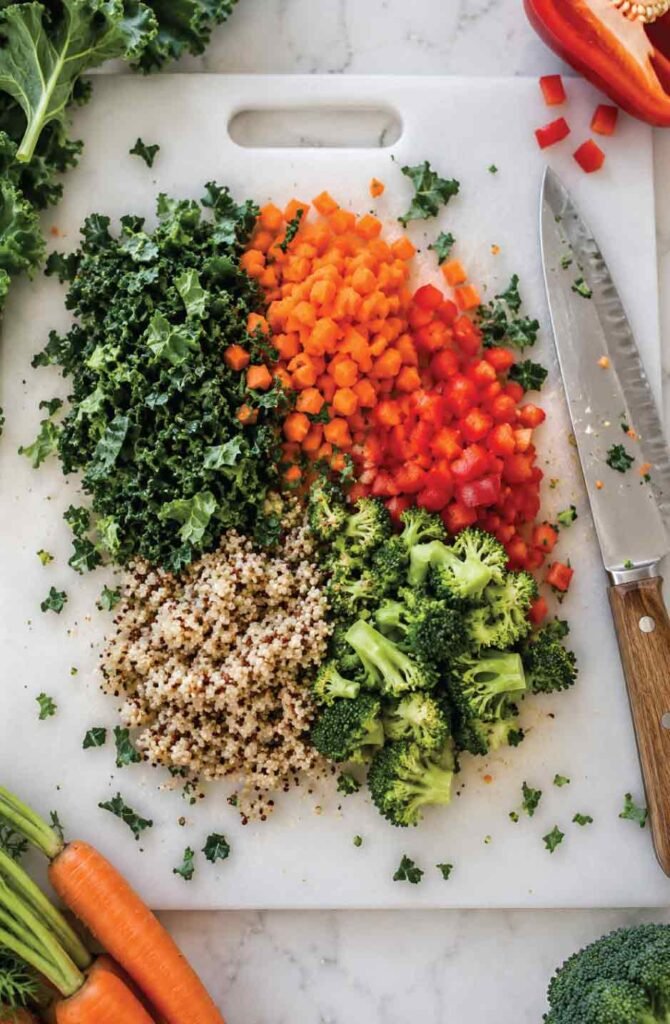
Building the Perfect Daily “Chop”
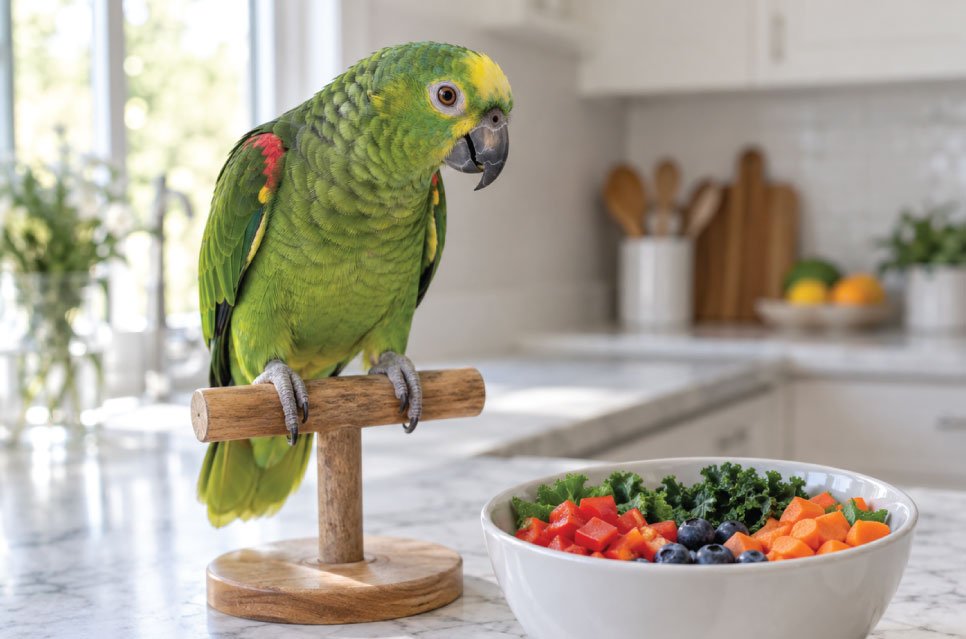
“Chop” is the cornerstone of a healthy avian diet, consisting of finely diced, fresh, bird-safe vegetables and grains. The goal is to chop everything small enough that your bird cannot simply pick out their favorite pieces and toss the rest on the floor. Feeding a vibrant, varied chop mimics their natural foraging behavior and provides essential phytonutrients that pellets cannot offer.
- Focus on dark leafy greens and orange vegetables. Kale, swiss chard, broccoli, carrots, sweet potatoes, and bell peppers are packed with essential Vitamin A.
- Batch-prep and freeze to save your sanity. Spend 15 minutes dicing veggies on a Sunday, portion them into ice cube trays, and thaw one daily for zero-effort morning feedings.
- Add cooked grains for texture. Quinoa, brown rice, and whole-wheat pasta make the mix more filling and interesting to eat.
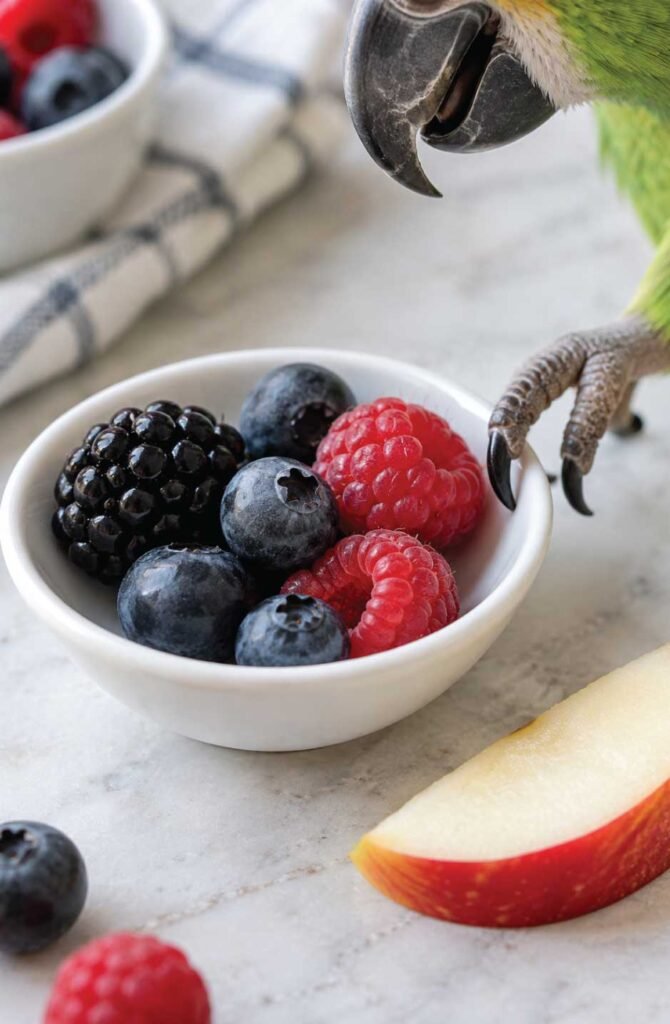
Treating Fruits like Candy, Not Meals
Because wild parrots eat fruit, many owners mistakenly make fruit the main course, ignoring how heavily modified our supermarket fruits are. Modern apples, grapes, and bananas are bred to be incredibly high in sugar, which can trigger hormonal aggression and yeast infections in pet birds. Fruit should only account for about 5-10% of your bird’s weekly diet, acting as an occasional sweet treat. In fact, birds struggle to process processed sugars entirely, which is exactly why you should never feed your bird honey or syrup.
- Opt for nutrient-dense berries over watery fruits. Blueberries, raspberries, and blackberries offer great antioxidants with slightly lower sugar spikes than grapes.
- Always remove the pits and apple seeds before feeding. The seeds of apples, cherries, peaches, and plums contain trace amounts of cyanide, which is lethal to tiny avian bodies.
Transitioning the Stubborn Seed Addict
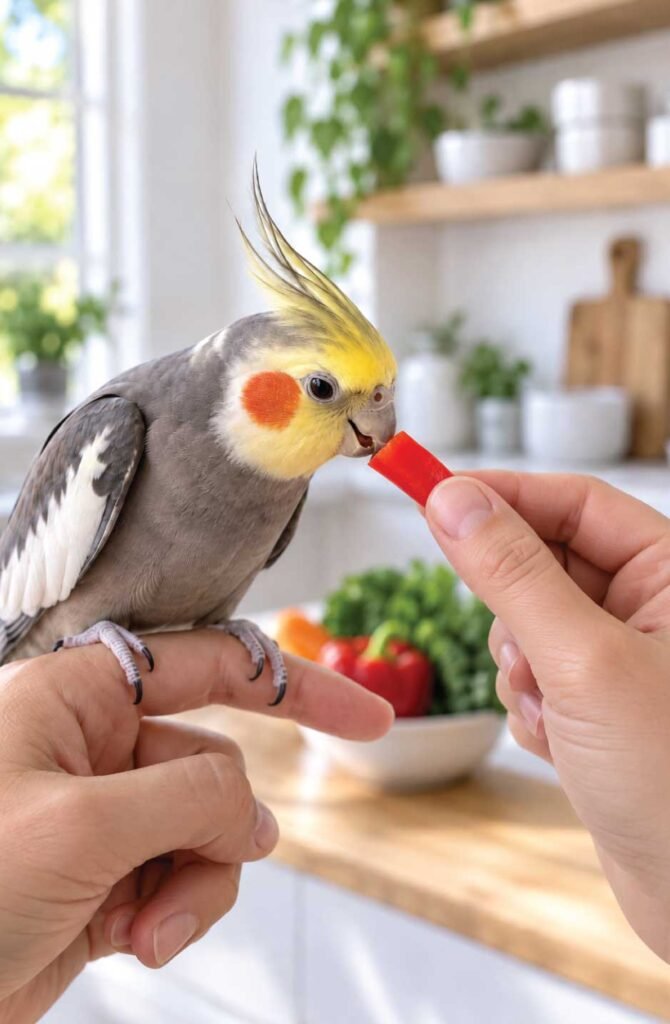
Parrots are prey animals, which means they are naturally suspicious of anything new in their environment, including an unfamiliar vegetable. If you replace their seed bowl with a bowl of pellets and chop cold-turkey, your bird will literally starve themselves waiting for “real” food. A successful diet conversion requires immense patience, trickery, and a gradual weaning process that makes the new food look fun. The Association of Avian Veterinarians (AAV) strongly recommends closely monitoring your bird’s weight with a gram scale during any major diet change.
- Introduce new foods first thing in the morning. Birds are naturally hungriest right after waking up, making them much more willing to taste-test a piece of broccoli.
- Eat the food in front of them. Parrots are flock animals; if they see you happily munching on a piece of bell pepper and making excited noises, they will want to steal it from you.
- Mix the old with the new. Sprinkle a tiny pinch of their favorite seeds over the wet chop so they have to forage through the healthy stuff to get to the junk food.
The Secret Sauce
Even experienced bird owners occasionally miss the finer details of avian nutrition and feeding psychology. Here are three expert-level tweaks that will drastically improve your bird’s daily life.
Sprouting Seeds to Unlock Superfoods
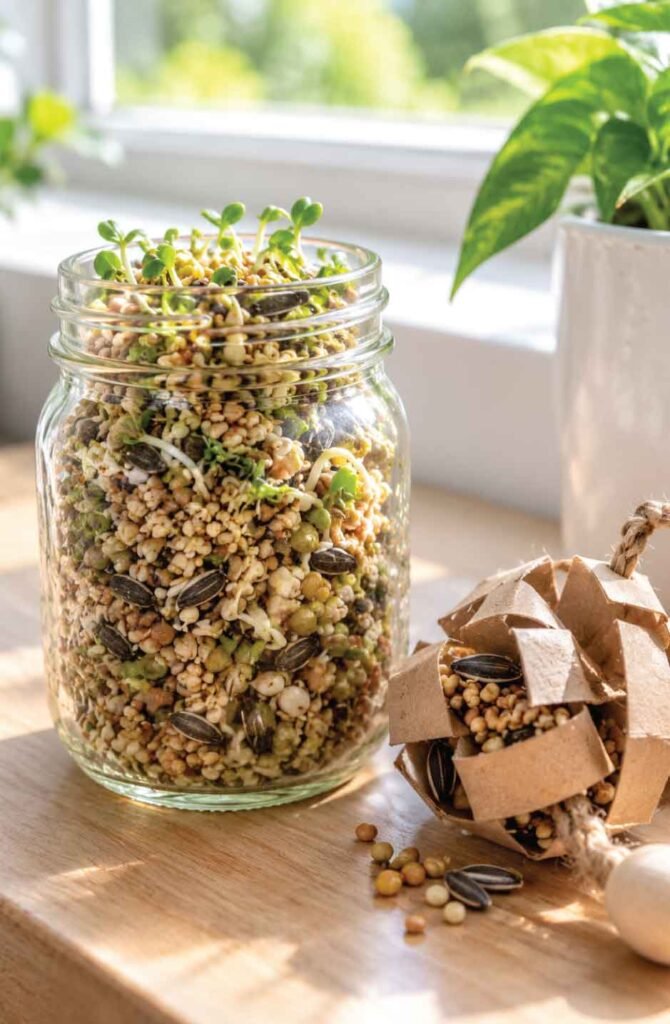
Dry seeds are high in fat and low in vitamins, but the moment a seed sprouts, its nutritional profile completely transforms. Sprouting consumes the fat stores of the seed to grow the plant, leaving behind a highly digestible, vitamin-packed living food. You can easily sprout bird-safe seeds in a mason jar on your kitchen counter in just three days, providing a cheap and incredibly healthy addition to their chop.
Foraging Replaces the Boring Food Bowl
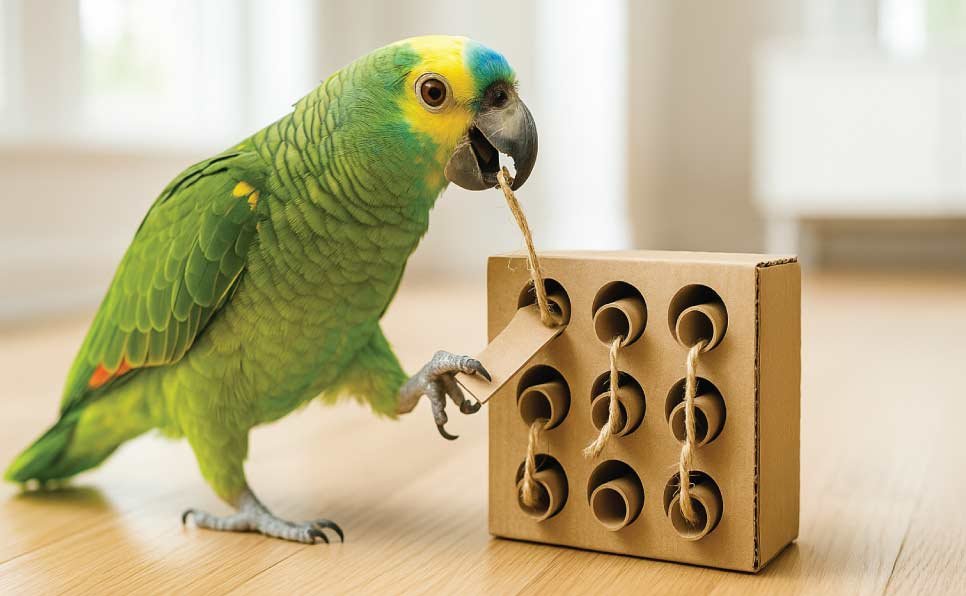
In the wild, parrots spend 80% of their waking hours working for their food, but a static food bowl removes all that mental stimulation. When a bird eats their daily meals in five minutes, they spend the rest of the day bored, which leads to screaming and feather plucking. Instead of a bowl, hide their food in paper puzzle toys or scatter it over a specialized foraging tray. Speaking of environmental setup, if you want to optimize their living space, make sure you aren’t making these 5 common bird cage mistakes that make birds sick.
Reading the Droppings as a Health Barometer
Because birds hide their illnesses until they are critically sick, their droppings are the earliest indicator that a diet isn’t working. A healthy dropping should have a firm green or brown fecal matter, a white urate, and clear liquid urine. If you notice undigested seeds in the stool, persistent watery droppings, or a sudden color change not linked to a new vegetable, you need an avian vet immediately.
Frequently Asked Questions about what can my bird eat daily
Birds are naturally lactose intolerant because their digestive systems lack the enzymes needed to break down dairy products. While a tiny nibble of low-lactose hard cheese will not immediately poison them, feeding yogurt, milk, or soft cheese regularly causes severe stomach distress, diarrhea, and digestive blockage. Stick to plant-based fresh foods instead.
You should ideally serve your pet bird filtered or bottled spring water rather than untreated tap water. Municipal tap water often contains trace amounts of chlorine, heavy metals, or fluorides that human bodies easily handle, but can strain a small bird's delicate kidneys over time.
Remove any uneaten fresh food or cooked chop within 2 to 4 hours to prevent dangerous bacterial growth. Moist vegetables and warm grains left at room temperature quickly breed bacteria and crop-irritating molds, which can lead to severe gastrointestinal infections.
Only offer cooked human food if it was prepared completely unseasoned without oils, butter, salt, or spices. Excess salt causes severe dehydration and kidney strain in birds, while cooking oils add unnecessary calories that contribute to obesity and liver disease.
Raw, unsalted nuts are safe as high-value training treats, but they must be offered in strict moderation due to their high fat content. Always inspect nuts for mold before serving, as improperly stored shell-on nuts can harbor Aspergillus spores that cause severe fungal lung infections.
Most non-breeding birds on a high-quality pellet and dark leafy green diet do not require extra calcium supplements. Cuttlebone or clean, boiled eggshells can benefit egg-laying females to prevent egg-binding, but over-supplementing calcium in male or non-laying birds can cause kidney stones and internal calcification.
Getting your pet bird onto a healthy diet of pellets and fresh chop is the single best investment you can make in their lifespan and happiness. It takes patience to deal with a picky eater, but keeping their bowls free of toxic human foods and heavy seeds will prevent heartbreaking vet visits down the line. Remember that consistency is key, keep offering the good stuff, and eventually, their natural curiosity will win out.
Pin this for later! Save this guide to your favorite pet care Pinterest board so you always have this safe foods checklist handy when you’re prepping meals.
Want to keep your home totally safe for your flock? Diet isn’t the only hidden hazard in your house. Next, you need to read our guide on 10 Bird-Safe Houseplants That Won’t Harm Your Pet Birds so you don’t accidentally bring a toxic plant into the bird room!