Quick Guide: Guide to Reptile Feeder Insects
- Gut-loading is mandatory, not optional: Feed your insects highly nutritious foods 24 to 48 hours before offering them to your reptile.
- Dusting prevents deadly diseases: Consistent use of calcium and multivitamin powders stops Metabolic Bone Disease (MBD) from developing.
- Not all bugs offer equal nutrition: Crickets and dubia roaches serve as daily staples, while high-fat waxworms are strictly occasional treats.
- Keep feeders alive longer with proper housing: Store insects in well-ventilated containers with egg crates and specialized water crystals to prevent mass die-offs.
You bought a beautiful new reptile, set up the perfect terrarium, and then realized you have a plastic bag full of live crickets and absolutely zero idea how to keep them alive. Bringing home an insectivorous pet means you are suddenly the proud owner of a mini bug farm, and figuring out how to feed the food can feel completely overwhelming. Nobody tells you at the pet store that those crickets will perish in a day if you just leave them on the counter.
You are entirely normal if you are currently staring at a tub of dubia roaches wondering what on earth they eat. This guide cuts through the confusion so you can effortlessly master gut-loading, dusting, and storing your feeder insects without turning your house into a bug zoo. Let’s break down exactly how to turn standard insects into nutritional powerhouses for your scaly best friend.
Choosing the Right Bugs: Staple Feeders vs. Treat Insects
Not all creeping, crawling things provide the same nutritional value for your pet. Many beginners make the mistake of feeding their reptile whatever bug looks the biggest, completely ignoring the fat and protein content. If you feed your reptile a diet consisting only of treats, they will rapidly become obese and unhealthy.
You must build your pet’s diet around staple insects and strictly limit the high-fat options. Treat insects are the reptile equivalent of fast food and should only be offered occasionally to prevent serious health issues.
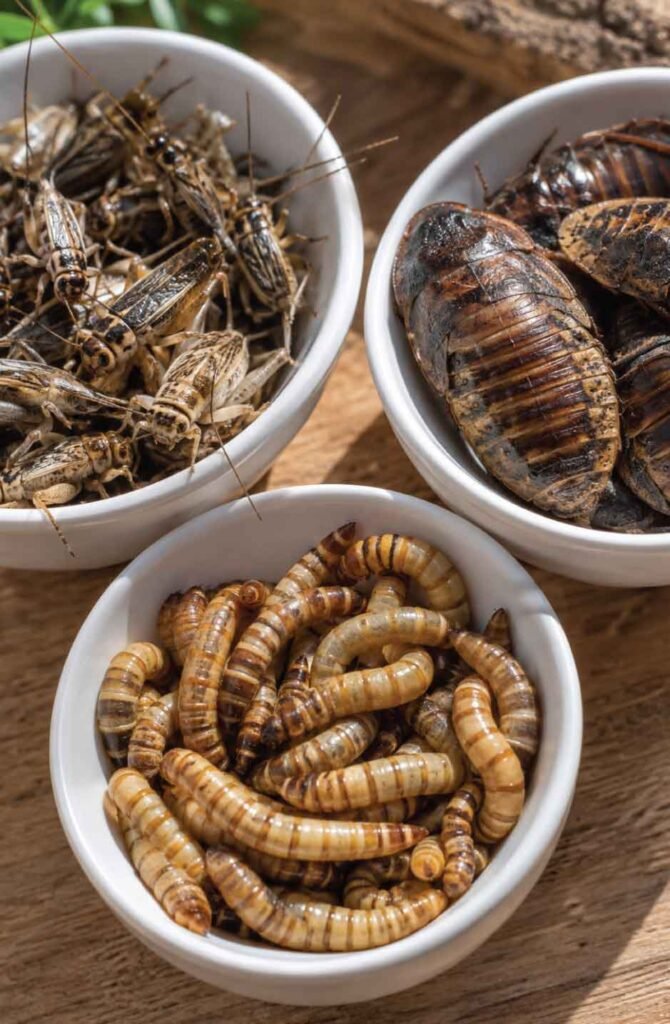
- Staple Feeders (Daily/Regular Diet): Crickets, dubia roaches, black soldier fly larvae (NutriGrubs), and silkworms. These have an excellent protein-to-fat ratio.
- Treat Feeders (1-2 times a week max): Waxworms, superworms, and hornworms. These are highly palatable but pack massive amounts of fat or water.
- Action Step: Check our Leopard Gecko Care: The Perfect Low-Maintenance Pet? guide to see exactly how these ratios fit into a specific species’ weekly feeding schedule.
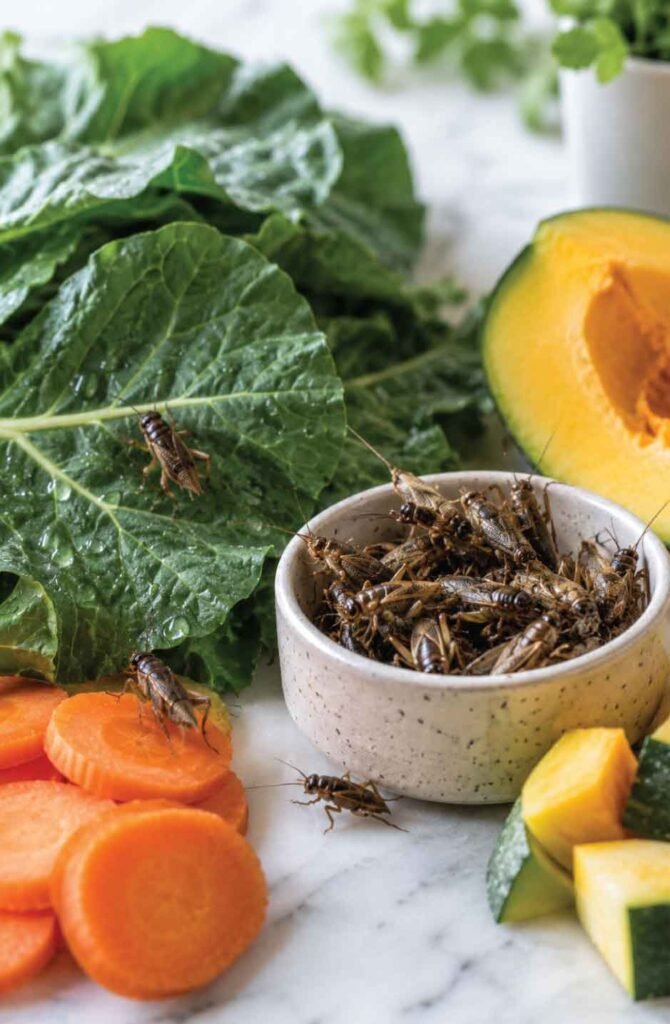
The Art of Gut-Loading: Feeding the Food
A starving cricket provides absolutely zero nutrition to your dragon or gecko. Gut-loading is the process of feeding your insects a highly nutritious diet 24 to 48 hours before they become a meal for your reptile. Think of a feeder insect as an empty capsule; whatever you put into the bug’s stomach is ultimately what your pet will digest.
Failing to gut-load your feeders is the quickest way to accidentally malnourish your otherwise well-cared-for pet. Veterinary experts emphasize that an insect’s nutritional value is directly linked to its stomach contents at the exact moment of consumption.
- Offer dark, leafy greens: Collard greens, mustard greens, and dandelion greens are packed with calcium and vitamins.
- Add vibrant vegetables: Carrots, squash, and sweet potatoes are excellent for providing essential beta-carotene.
- Avoid toxic or watery foods: Never feed your bugs iceberg lettuce, citrus, or avocado, as these offer no nutritional value or can be actively harmful.
- Use commercial diets safely: You can use high-quality commercial gut-loading powders, but always pair them with fresh veggies for moisture.
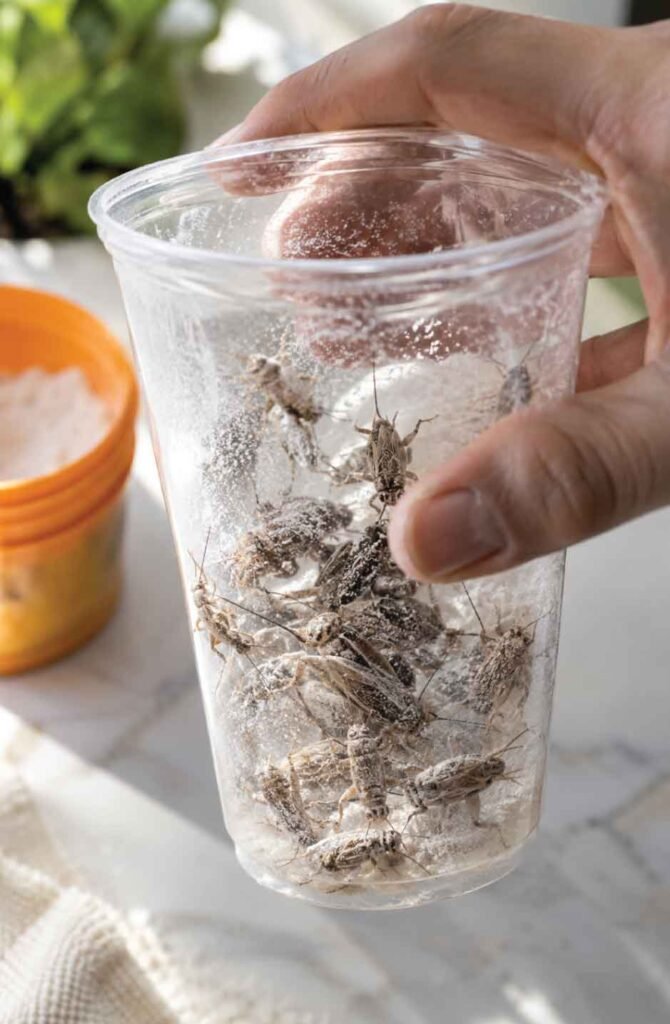
Calcium and Vitamin Dusting: The Lifesaver
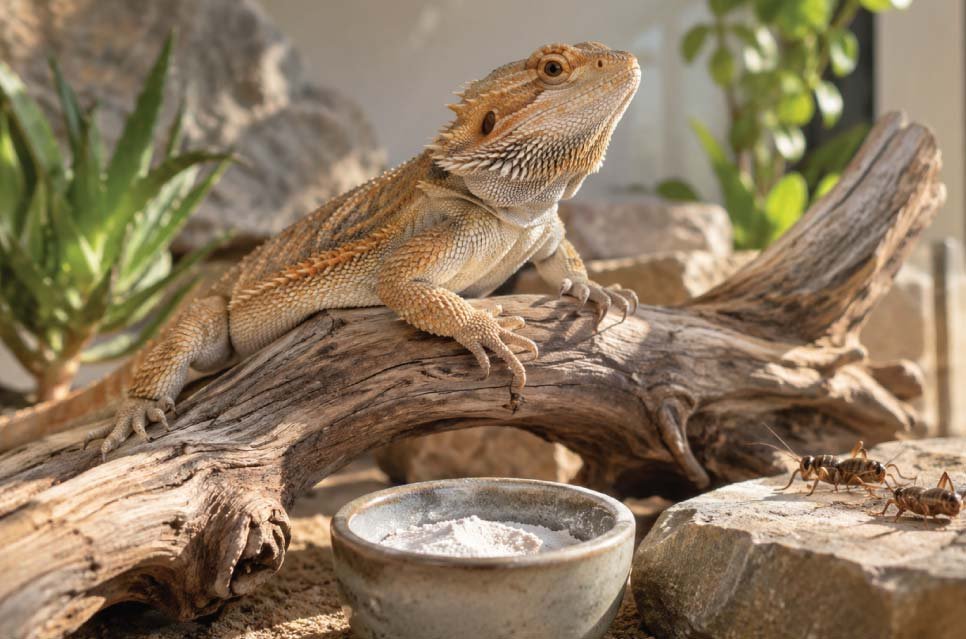
Even the most perfectly gut-loaded insects still lack the exact calcium levels reptiles need to thrive in captivity. Dusting your feeder insects with a high-quality calcium and multivitamin powder is the only reliable way to prevent Metabolic Bone Disease (MBD). According to the Merck Veterinary Manual, improper calcium-to-phosphorus ratios are a leading cause of severe, irreversible skeletal deformities in captive reptiles.
You cannot just sprinkle powder into the tank and hope your pet accidentally licks it up. You must apply the supplements directly to the live insects immediately before feeding time so the powder actually enters your pet’s system.
- Check the D3 requirements: Understand if your specific reptile needs Calcium with or without Vitamin D3 (this usually depends on your UVB lighting setup).
- Follow a dusting schedule: For example, you might dust with calcium three times a week and a multivitamin once a week, depending on your pet’s age and species.
- Action Step: Ensure your pet’s overall wellness is on track by reviewing our Reptile Health: Tips for Maintaining their Best Care checklist alongside your new dusting routine.
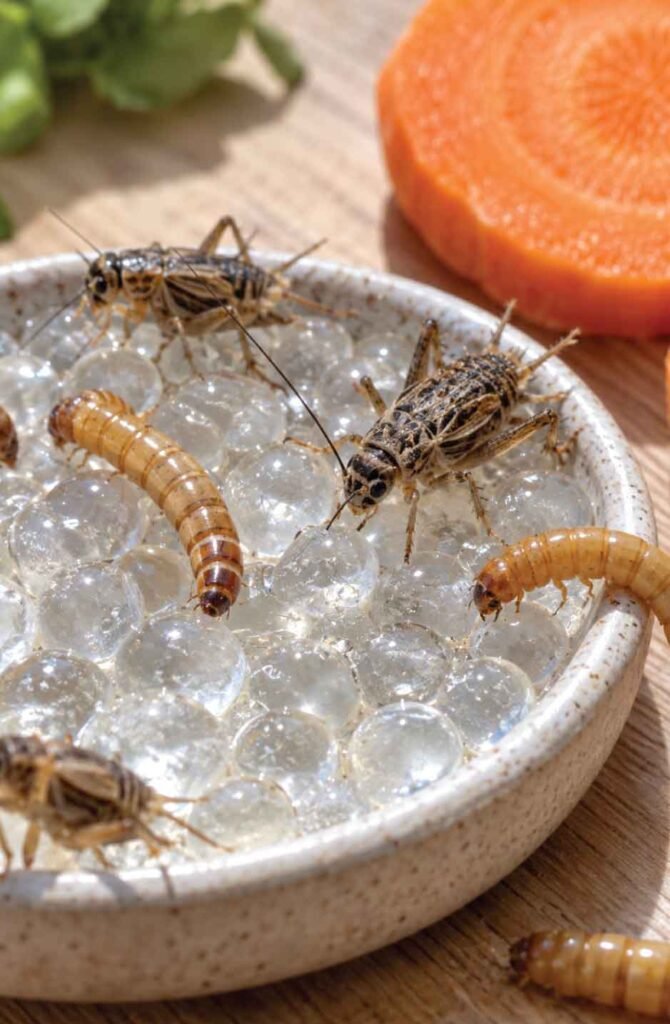
Hydrating Feeder Insects Without Drowning Them
Bugs are notoriously terrible at swimming and will rapidly drown if you put a standard water bowl in their enclosure. Dead, waterlogged insects rot incredibly quickly and will wipe out your entire feeder colony with terrible odors and bacteria. However, they still need constant hydration to survive until feeding day.
You have to provide a safe moisture source that allows them to drink without any standing water. Utilizing specialized hydration methods keeps your feeders plump, lively, and perfectly hydrated for your reptile to eat.
- Use water crystals: Polyacrylamide water gel crystals offer a safe, solid water source that bugs can walk on and drink from safely.
- Rely on moisture-rich veggies: Slices of raw potato or carrot act as both food and a slow-release water supply.
- Change moisture sources daily: Remove any uneaten, molding vegetables immediately to prevent deadly fungal blooms in your insect container.
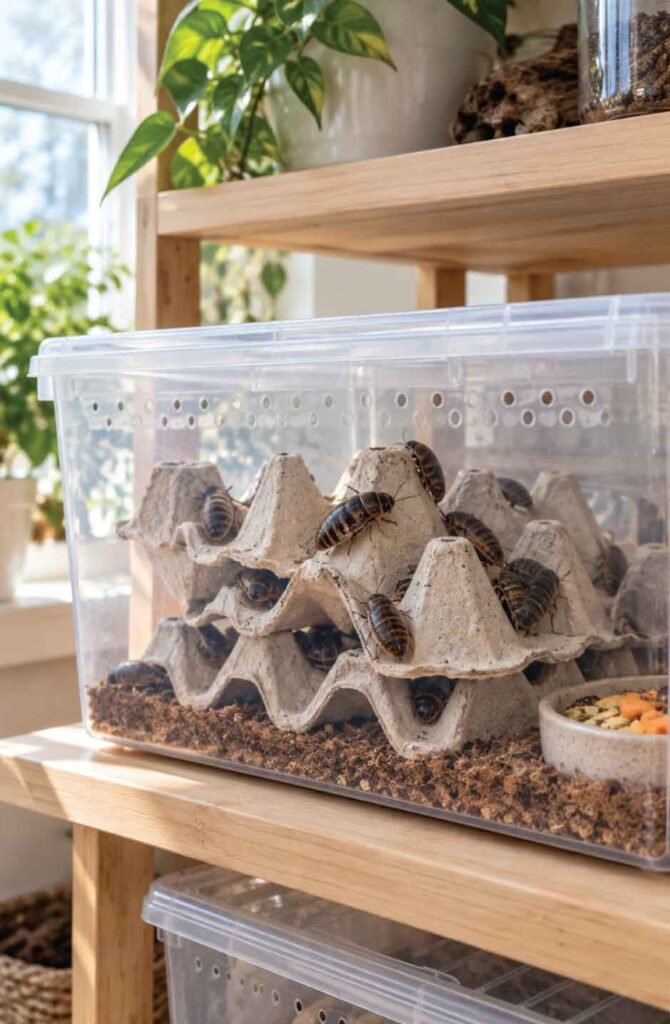
Proper Feeder Storage: Keeping the Bugs Contained
Leaving crickets or roaches in the tiny plastic bag or deli cup they came in guarantees they will die within 48 hours. Feeder insects require proper ventilation, climbing space, and mild temperatures to survive longer than a few days. Proper storage saves you massive amounts of money and cuts down on those frustrating mid-week trips to the pet store.
Upgrading your insect housing takes five minutes but completely transforms how easily you can manage your reptile’s diet. A well-designed feeder bin keeps your bugs quiet, odor-free, and happily contained until it is time for dinner.
- Invest in a “Kricket Keeper” or DIY bin: Use a well-ventilated plastic tub with mesh covering the air holes so bugs can breathe without escaping.
- Stack cardboard egg crates: Crates provide vital vertical surface area, preventing the insects from crushing each other at the bottom of the tub.
- Clean the enclosure weekly: Sift out the dead bugs and waste (frass) regularly to keep the colony healthy and eliminate foul smells.
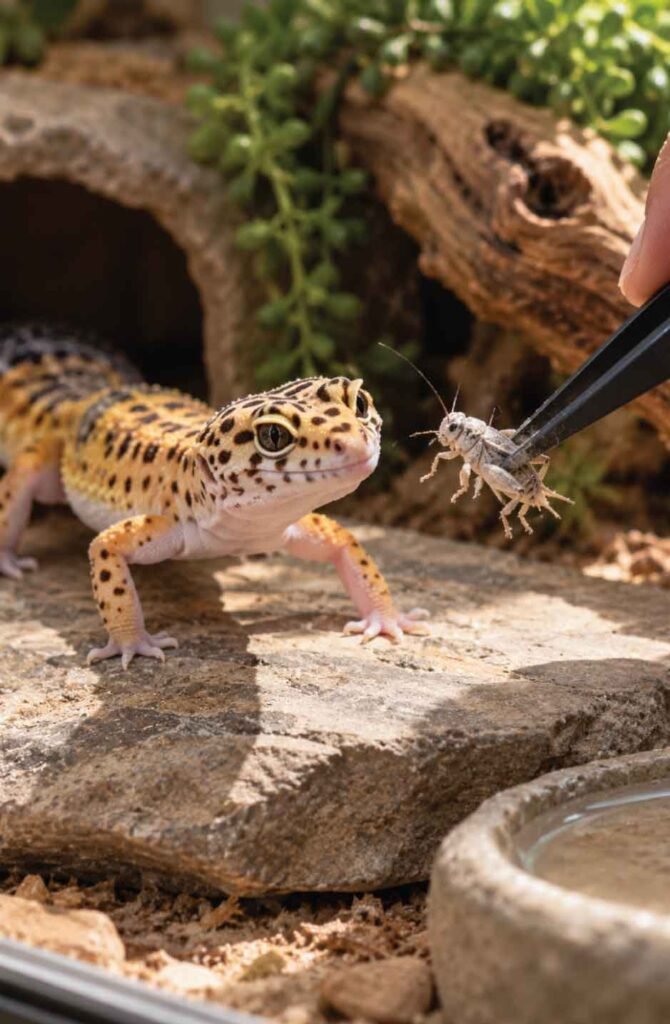
The Secret Sauce
The “Shake-and-Bake” Dusting Trick
Trying to meticulously sprinkle powder onto a jumping cricket is an exercise in pure frustration. The easiest way to dust insects is to drop them into a tall plastic cup with a pinch of supplement powder and gently swirl it until they are evenly coated. This ensures a light, perfect dusting without suffocating the bug or making a massive mess on your floor.
Beware of Foraged Backyard Bugs
It is wildly tempting to just catch a grasshopper in your garden to save a few dollars. Never feed wild-caught insects to your reptile, as they frequently carry deadly parasites and toxic chemical pesticides. The Association of Reptilian and Amphibian Veterinarians (ARAV) strictly warns that exposing captive reptiles to wild prey is a primary vector for internal parasites that require expensive veterinary intervention.
Temperature Control for Feeder Longevity
Insects metabolize their food and age rapidly when kept in very warm environments. You can significantly extend the lifespan of feeders like mealworms by storing them in the door of your refrigerator. The cool temperatures place them in a state of natural dormancy, preventing them from turning into alien-looking pupae before your pet gets a chance to eat them!
Frequently Asked Questions about Reptile Feeder Insects
Live insects provide essential hydration and trigger your reptile's natural hunting instincts, which freeze-dried bugs cannot do. While canned bugs work in an absolute emergency, they lose significant nutritional value during processing and lack the moisture reptiles need for healthy digestion. Relying on dead bugs often leads to dehydration and lethargy.
The golden rule of feeding is to never offer your reptile an insect larger than the space between their eyes. Feeding bugs that are too large can cause severe digestive blockages, choking, or dangerous impaction in their digestive tract. If you are ever in doubt, always choose a slightly smaller insect to be safe.
You must remove any uneaten live insects after 15 to 20 minutes to protect your pet from painful bites. Hungry crickets and roaches are notorious for chewing on a sleeping reptile's soft scales and eyes, which causes severe stress and dangerous infections. Never treat your pet's enclosure like an insect storage bin.
You should feed your reptile based on their natural activity cycle so they have enough heat and energy to properly digest their meal. Feed diurnal (daytime) reptiles like Bearded Dragons in the morning after they have had time to bask under their heat lamp. For crepuscular or nocturnal reptiles like Leopard Geckos, offer food in the early evening right as they start waking up.
Place a small piece of wet potato or carrot on the center of a sticky trap and slide it under furniture near the escape site. Escaped roaches and crickets will naturally gravitate toward dark, warm places like under the refrigerator, behind the stove, or along baseboards. Setting traps in these high-traffic areas usually resolves the issue within a day or two.
Mass die-offs in your insect colony are almost always caused by a lack of ventilation, excessive humidity, or toxic ammonia buildup from previously dead bugs. One dead, rotting cricket releases gases that will quickly kill the rest of the tub. To stop the cycle, you must physically remove dead insects daily, immediately discard moldy food, and ensure their container stays completely dry.
Mastering the mechanics of gut-loading, dusting, and storing your insects takes a tiny bit of practice, but it becomes second nature in no time. Providing nutrient-dense, properly supplemented feeders is the absolute best thing you can do to ensure your scaly companion lives a long, vibrant life. You don’t have to love the bugs, but respecting their role in your pet’s health makes the entire process so much easier.
Once your daily feeding routine feels smooth and stress-free, you can start having a little more fun with your pet’s diet! If you are ready to mix up the menu with safe, creative enrichment, you will absolutely love reading our guide on Homemade Treats for Your Reptile: Crafting Happiness next. Grab your tongs, get dusting, and enjoy watching your pet thrive!