
If you’re curious about what helps reptiles stay healthy, comfortable, and truly content, you’re in the right place. Caring for a reptile can feel a little mysterious at first, they don’t wag their tails or chirp for attention, but they do have their own quiet way of telling you what they need. And with a few gentle adjustments to their habitat, nutrition, and daily routine, you may notice your reptile settling in with a calm confidence that feels so rewarding.
Reptiles have fascinated people for ages. They come in so many shapes and personalities: tiny geckos who peek out from their hides, curious snakes who explore every corner of their enclosure, and steady turtles who seem to move at their own thoughtful rhythm. Even though they’re very different from our furry family members, they still rely on us to create a world where they feel safe and understood.
Listen to the Podcast: Reptile Health
Bringing a reptile into your home can be a beautiful experience, but it also invites you to slow down and learn their language, their preferred temperatures, their favorite hiding spots, the way they behave when something feels “off.” Their well-being depends on the environment we provide, and even small changes may make a big difference for their comfort.
In this guide, you’ll find simple, practical ideas that new and experienced reptile parents can use. Nothing complicated, just approachable steps that help you tune into your reptile’s needs and build a space where they can eat, rest, explore, and feel secure. Think of it as creating a tiny, carefully balanced world where your reptile can live their happiest life.
Essential Habitat Setup for Reptile Health
A well-designed habitat may be one of the biggest factors in keeping your reptile calm, healthy, and confident. This little world you create for them becomes their safety zone, the place where they eat, explore, hide, sleep, and feel secure. When the setup matches their natural rhythm, you might notice your reptile relaxing more, eating better, and showing more natural behaviors.
Choosing the Right Enclosure
The “right” enclosure isn’t just about size, it’s about choosing a home that matches your reptile’s species and personality. Arboreal reptiles may feel happiest in tall, vertical enclosures with branches and climbing spaces, while ground-dwellers might prefer a wide, open floor where they can roam and dig.
A few things you may want to consider:
Space: Enough room for moving, basking, and hiding
Ventilation: Good airflow to help reduce respiratory stress
Material: Sturdy, safe, easy-to-clean surfaces
Behavior needs: Climbing, burrowing, basking, soaking, hiding
When these details come together, your reptile may settle in with ease and feel more at home. If you’d like a little extra help avoiding the common setup mistakes many new reptile parents run into, you can check my gentle guide here: Top Reptile Habitat Mistakes Beginners Make.
Thermoregulation: The Foundation of Reptile Health
Because reptiles rely on external heat, a stable temperature gradient may make a huge difference in their digestion, mood, and activity level. Think of it as giving them different “weather zones” inside their enclosure so they can choose what feels right.
A simple setup might include:
A warm basking area
A cooler resting area
A thermostat to prevent overheating
Hides in both warm and cool spots
You may notice your reptile shifting between areas during the day, that’s their way of keeping their internal temperature where it feels most comfortable.

Tips for Setting Up Temperature and Humidity Control
Temperature and humidity control can be the backbone of your reptile’s well-being, especially during shedding. Even small changes may affect how they feel.
Helpful tools and habits can include:
Heat lamps or ceramic heaters to shape the warm zone
A heat mat (for species that benefit from belly heat)
A digital hygrometer to track humidity
Light misting or a humid hide for better shedding
Adjusting ventilation depending on species needs
When humidity and temperature stay steady, shedding usually becomes smoother and behavior tends to look calmer.
Ventilation and Airflow
Fresh, moving air may help reduce respiratory issues and keep the enclosure feeling natural. Stagnant air can stress reptiles, especially species that are sensitive or shy.
You may want to look for:
Enclosures with built-in ventilation panels
A consistent cross-breeze (not drafts)
Gentle fans for larger setups (used carefully)
When airflow is balanced, the environment stays cleaner, smells fresher, and supports easier breathing.
Choosing the Right Substrate: A Foundation for Comfort and Hygiene
The substrate you choose can influence comfort, humidity, odor control, and even your reptile’s natural behaviors. Some species enjoy digging into softer materials, while others may do better on firmer, drier ones.
Good substrates may:
Offer traction for walking and climbing
Help maintain humidity levels
Absorb waste
Support natural burrowing or exploring behaviors
Many reptile parents like to add natural décor, such as branches, cork bark, rocks, or even safe live plants. These elements can make the enclosure feel like a mini-ecosystem, offering enrichment and hiding spots that help your reptile feel secure.
Nutrition for Optimal Reptile Health
What your reptile eats may have one of the biggest effects on their energy, behavior, and long-term well-being. Feeding isn’t just about placing food in the enclosure, it’s about understanding what their species might need to feel strong, active, and comfortable. Once you get the hang of their diet, you may notice your reptile becoming more vibrant and settled in their daily routine.

Importance of a Balanced Diet for Reptiles
A balanced diet can support healthy growth, smooth shedding, strong bones, and a happier reptile overall. Just like us, reptiles benefit from a mix of nutrients, proteins, fats, vitamins, and minerals, but the ratio depends heavily on the species.
A balanced reptile diet may include:
Leafy greens (for herbivores and omnivores)
High-quality insects such as dubia roaches, crickets, or worms
Occasional fruits for species that tolerate sweetness
Appropriately sized prey for carnivorous snakes and lizards
Calcium and vitamin supplements, depending on the reptile’s needs
The goal isn’t perfection — it’s consistency. A varied diet often mirrors what they would search for in nature, and even small improvements can make a noticeable difference in their health.
If you enjoy preparing fresh options, you may also like trying simple, species-appropriate treats at home:
👉 Homemade Treats for Your Reptile: Crafting Happiness
This guide shares gentle ideas that many reptile parents find fun and enriching.
Specific Dietary Requirements for Different Reptile Species
Every reptile species has its own “food personality,” and learning their preferences can turn feeding time into a positive experience for both of you.
For example:
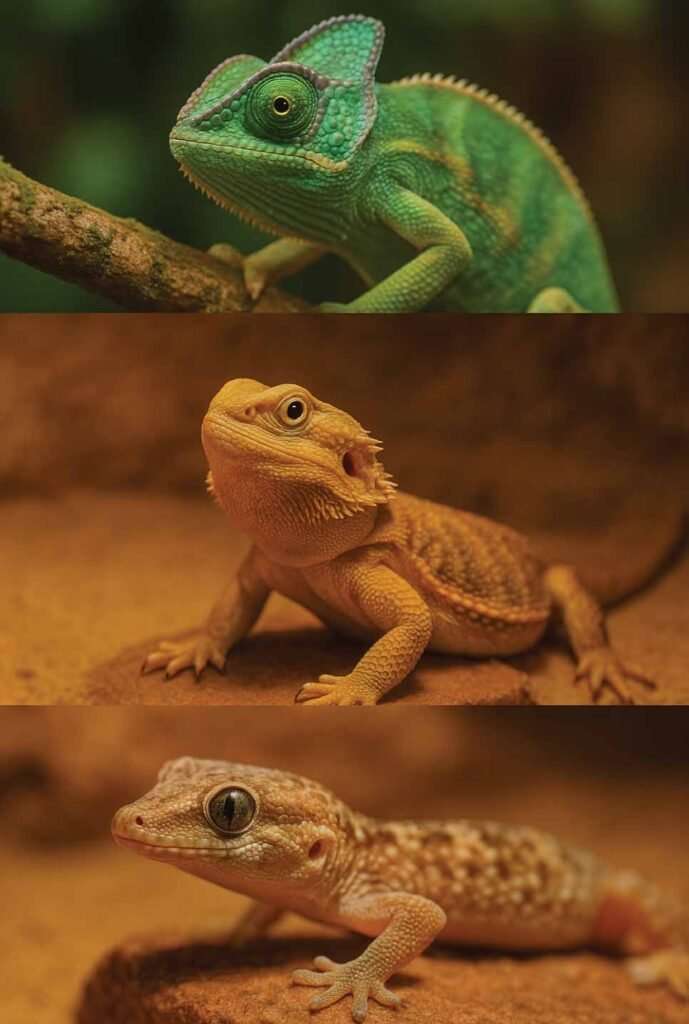
Bearded dragons may enjoy a mix of insects and leafy greens
Leopard geckos often thrive on insect-based diets only
Tortoises usually need high-fiber greens and low-sugar vegetables
Snakes can do well with whole-prey meals in appropriate sizes
Some reptiles eat daily, others only weekly — and a few seem to enjoy “grazing” throughout the day. You may notice subtle clues, like more activity at feeding time or a preference for certain textures. These small observations help you fine-tune their meals.
Understanding your reptile’s species diet is a simple but powerful way to keep them thriving. Even tiny adjustments, like better hydration in greens or offering varied insects, may improve appetite and digestion over time.
Why Nutrition Matters So Much
Nutrition can be the foundation of your reptile’s vitality, affecting everything from activity levels to shedding and mood. When their diet matches their biology, you might see brighter eyes, smoother scales, more predictable behavior, and a generally calmer reptile.
Feeding your reptile well isn’t about creating a perfect “meal plan.”
It’s about gently learning what works for your individual animal and offering food in a way that feels safe, steady, and natural.

Hydration and Water Quality: Essential for Reptile Wellness
Fresh, clean water may play a bigger role in your reptile’s health than many new pet parents realize. Hydration can support digestion, temperature regulation, shedding, and even overall mood. When water isn’t available or the bowl isn’t kept clean, you may start seeing signs of discomfort or stress.
Some reptiles drink from bowls, some lap droplets off leaves, and others enjoy a good soak when they’re getting ready to shed. Watching your reptile’s natural preferences may help you choose the water setup that feels safest and most comfortable for them.
A few signs that your reptile might need more hydration can include:
Slightly sunken eyes
Lethargic or slower-than-usual movement
Dry-looking skin or incomplete sheds
Decreased appetite
These clues don’t always mean something serious, but they may suggest it’s time to check their water access or humidity levels.
Helping Your Reptile Stay Hydrated
Providing a shallow dish of fresh water is one of the easiest ways to support your reptile’s daily hydration. The dish size can vary:
Some reptiles like wider, low dishes they can walk into
Others may prefer small, stable bowls for drinking
A few species drink better when water is misted or offered as droplets
You might need a bit of trial and error. Reptiles can be surprisingly picky, and that’s okay, it simply helps you learn what makes them feel safe.
Tips for Keeping Water Clean and Safe
Clean water may encourage drinking, soaking, and healthier behavior overall. Even if the bowl looks clean, small amounts of waste or substrate can collect throughout the day.
A few simple habits that often help:
Refresh the water daily
Rinse or scrub the bowl when you see debris
Offer a larger shallow dish if your reptile likes soaking
Keep bowls away from heat lamps to prevent bacterial growth
Beyond cleanliness, water quality matters too. Some tap water can contain chlorine or minerals that sensitive reptiles might not tolerate well. In those cases, you can try:
Dechlorinated water
A water conditioner
Filtered water, depending on your local supply
These small steps may help your reptile drink more comfortably and stay properly hydrated.
Why Hydration Matters So Much
Proper hydration can influence everything from your reptile’s digestion to their shedding and energy levels. When their water source feels clean, safe, and familiar, they’re more likely to drink, even the shy or cautious species.
Caring for a reptile is rarely about dramatic changes. It’s about noticing little patterns: how often they soak, whether they prefer droplets over bowls, or if their bowl tends to get messy faster than expected. These clues help you adjust things at a comfortable pace.
And with a few easy routines, you become the quiet guardian of your reptile’s well-being, giving them the gentle support they need to thrive.

Lighting Requirements for Reptile Health
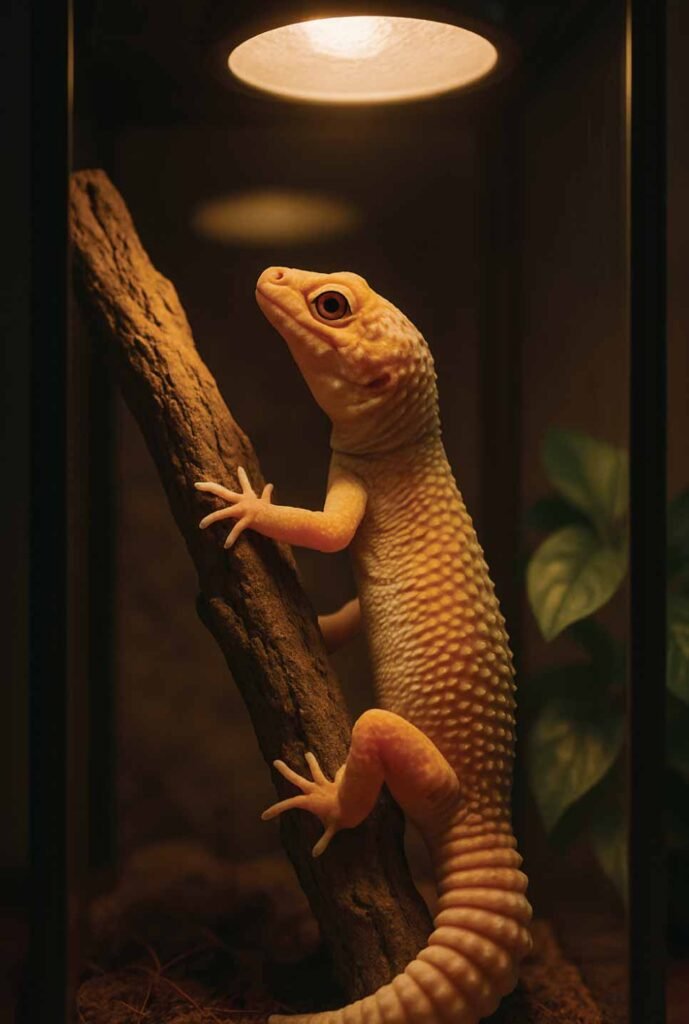
Good lighting may be just as important as food and warmth when it comes to your reptile’s well-being. The right setup can support their bones, metabolism, daily rhythm, and overall comfort. Even though lighting can feel technical at first, once you learn the basics, it becomes a simple part of your daily reptile care routine.
Some reptiles spend hours basking. Others prefer softer light. A few rely heavily on UVB, while certain species use it only minimally. Paying attention to your reptile’s natural behavior can help you decide what feels right for them.
Understanding UV Light: “Sunshine” in the Enclosure
UVB lighting may play a key role in helping reptiles produce vitamin D3, which supports healthy calcium absorption and strong bones. Without a proper UVB source, many reptiles struggle with bone strength, energy levels, digestion, and general comfort.
Different UVB bulbs can vary in:
Strength
Wavelength
Distance requirements
Lifespan
Choosing a bulb designed for your reptile’s species can make a noticeable difference in their health and behavior. Some species need stronger UVB exposure, while others thrive with gentle, moderate levels.
Proper placement also matters. UVB usually needs to shine over the basking area, where reptiles tend to spend much of their time warming up. Bulbs often have a recommended distance, too far away and your reptile may not absorb enough; too close and it may feel uncomfortable.
If you’d like to understand why airflow and lighting work together inside the enclosure, this guide may help:
👉 How Do Reptiles Breathe? It gently explains how reptiles use heat, posture, and environment to support their breathing.
Using Additional Lighting Types
Most reptiles benefit from a combination of lights that work together to mimic a natural day. UVB provides “sunshine,” while heat lamps or basking bulbs create warm spots where your reptile can regulate their body temperature.
A simple lighting system might include:
A UVB bulb
A heat lamp or basking bulb
A cool zone away from direct light
A day–night cycle your reptile can trust
When the lighting and heat complement each other, your reptile may feel safer, more active, and more predictable in their daily routine.
Some reptiles become noticeably brighter in color under the right lighting. Others might start basking in their favorite spot at the same time every day. These subtle signs often show you that the lighting setup feels comfortable for them.
Preventing Common Reptile Health Issues
Catching small changes early may be one of the most powerful ways to keep your reptile healthy and comfortable. Reptiles are quiet animals, so they often communicate through tiny clues, a shift in appetite, a slower walk, a different resting spot. When you learn to notice these gentle signals, you become your reptile’s best source of protection.
Identifying Common Ailments: Noticing Early Signs of Trouble
Your reptile’s daily behavior may be the clearest “health update” they give you. Many early warning signs are subtle, which is why a few minutes of observation each day can be incredibly helpful.
You might want to watch for:
A sudden drop in appetite
Less movement or unusual sleepiness
Changes in skin color or shedding patterns
Swollen or irritated eyes
Differences in stool consistency
Hiding more than usual
None of these symptoms automatically means something serious, but they may suggest that your reptile isn’t feeling their best and might benefit from a closer look at their environment or a check-in with a reptile veterinarian.
Regular check-ups with a reptile-savvy vet can also help you catch issues long before they become serious. Having a trusted vet already in your corner often brings a huge sense of reassurance when something feels “off.”

Preventative Measures: Minimizing the Risk of Illness
A clean, stable environment may go a long way toward preventing stress and illness. Reptiles thrive in predictable routines, so a few consistent habits often make a big difference.
Helpful prevention habits include:
Refreshing water daily
Removing uneaten food before it spoils
Cleaning the enclosure regularly
Washing hands before and after handling
Avoiding contact with sick animals
Avoiding shared bowls or equipment among different reptiles
Some reptile parents also notice that handling plays a role in wellness. Gentle, low-stress handling can help you check your reptile’s skin, eyes, and body condition more easily. If you’d like help building trust with a shy or nervous reptile, this guide may be helpful:
👉 Handling and Taming a Reptile: Tips for Building a Lasting Connection
When to Seek Veterinary Help
Certain symptoms may need quicker attention, including:
Noticeable weight loss
Lethargy
Persistent appetite changes
Irregular or extremely loose stool
Unusual discharge from the eyes, nose, or mouth
Shell or skin abnormalities
Signs of respiratory difficulty (wheezing, clicking, open-mouth breathing)
You know your reptile’s “normal” better than anyone. If something feels different or doesn’t improve after adjusting the habitat, reaching out to a reptile veterinarian can be a wise next step.
Preventive care isn’t about being perfect, it’s about being observant, gentle, and consistent. When you create a safe environment, keep their routine steady, and pay attention to their little signals, you help your reptile thrive with the quiet confidence they deserve.
Conclusion: Caring for Your Reptile With Confidence and Kindness
Caring for a reptile isn’t just about keeping them alive, it’s about helping them feel safe, understood, and respected in the little world you create for them. Once you learn their rhythm, their preferences, and their quiet signals, reptile care becomes far more intuitive than it seems at first.
Throughout this guide, we’ve looked at the simple foundations that may help your reptile stay healthy:
A stable, species-appropriate habitat
Reliable temperature and humidity
Fresh water and thoughtful hydration routines
Balanced nutrition that fits their natural needs
Gentle lighting that supports their internal rhythm
Daily observations that help you spot small changes early
These small, steady habits often matter more than anything else. You don’t need perfection, just consistency, curiosity, and a willingness to adjust things as you learn more about your unique reptile.
Reptiles may not show affection the way cats or dogs do, but they do form routines, comfort zones, and subtle relationships with the people who care for them. When you respond to their needs with patience and empathy, you create a bond built on trust, and that bond can be quietly beautiful.
A Small Action Step to Take Today
Choose one area of your reptile’s care to look at with fresh eyes.
Maybe it’s checking the temperature gradient, replacing an old UVB bulb, refreshing their water dish, or adding one more hiding spot. Tiny improvements can help your reptile feel calmer and more secure.
If you’d like to explore more reptile-friendly tips, you may enjoy this gentle guide too:
👉 Responsible Reptile Ownership: Do’s and Don’ts
Final Thoughts
You’re doing something wonderful by taking the time to understand your reptile’s needs. These animals may be quiet, but they rely on us in deep and meaningful ways. With patience, observation, and a caring heart, you can give your reptile a life filled with comfort, safety, and stability.
Thank you for spending this time with me here on PetSweetJoy — and I hope your reptile continues to thrive in the cozy little world you’ve built for them.
Reptile Health: Frequently Asked Questions (FAQs)
The type of substrate you choose will depend on the species of your reptile. For example, sand is a good option for desert reptiles, while coconut fiber or paper towels are better choices for arboreal reptiles. It is important to choose a substrate that is safe for your reptile to eat and that will not provide a hiding place for pests.
The frequency of cleaning will depend on the size of the enclosure and the type of substrate you use. In general, you should clean the enclosure at least once a week, and more often if your reptile is messy. Be sure to remove any feces or urates, and clean any food or water spills.
Your reptile needs to get enough UVB light to synthesize vitamin D3, which is essential for calcium absorption. The amount of UVB light your reptile needs will depend on the species. You can buy a UVB meter to measure the UVB levels in your enclosure.
The signs of a sick reptile can vary depending on the species. However, some common signs include:
- Lethargy
- Loss of appetite
- Weight loss
- Diarrhea
- Vomiting
- Respiratory problems
- Skin or shell abnormalities
If you notice any of these signs, it is important to take your reptile to a veterinarian as soon as possible.
There are a few things you can do to prevent your reptile from getting sick:
- Provide a clean and well-maintained enclosure
- Feed your reptile a balanced diet
- Offer fresh water at all times
- Handle your reptile carefully
- Keep your reptile away from other animals
- Take your reptile to the veterinarian for regular checkups
Not all veterinarians are experts in reptile care. It is important to find a veterinarian who specializes in reptiles. You can ask your local pet store for recommendations.