Quick Guide: Caring for a Senior Cat
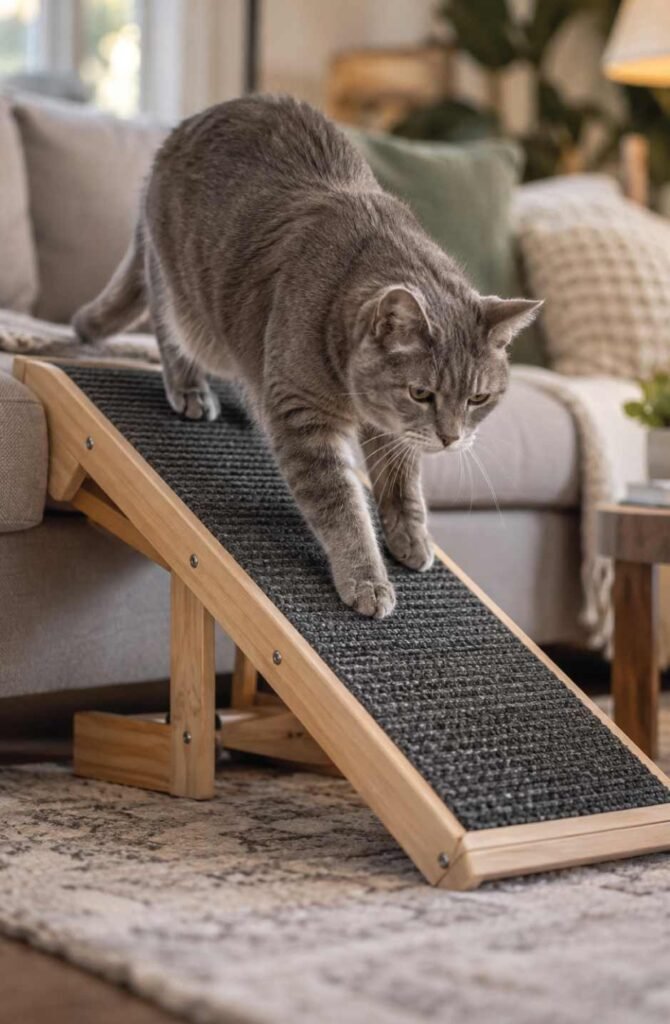
- Adapt the Living Space: Swap high-sided boxes for low-entry litter trays and install padded pet ramps to protect stiff joints.
- Boost Hydration & Nutrition: Switch to highly digestible wet food and place multiple water fountains to safeguard aging kidneys.
- Spot Hidden Pain Early: Watch for subtle shifts like missed jumps, reduced grooming, or altered sleeping spots rather than waiting for overt limping.
- Schedule Bi-Annual Vet Visits: Double veterinary checkups to twice a year to detect silent conditions like hypertension or kidney disease early.
Caring for a Senior Cat: The Essential Guide to Comfort, Mobility, and Longevity
Watching your once-agile feline companion slow down can feel overwhelming, but aging is not a disease, it is simply a life stage that requires smart home adjustments. Adapting your home and daily routine to your senior cat’s changing physical needs is the single most effective way to protect their quality of life. Senior cats are masters at hiding discomfort, often masking joint pain, kidney changes, or vision loss behind subtle shifts in behavior.
This guide cuts through vague advice to deliver actionable, high-impact care strategies you can implement today. By making targeted micro-adjustments to nutrition, accessibility, and daily routines, you can ensure your cat’s golden years remain comfortable, vibrant, and pain-free.
Environmental Accessibility: Removing Physical Hurdles Around the House
Cats suffer from feline osteoarthritis at remarkably high rates, yet they rarely limp or cry out when experiencing joint discomfort. Instead, stiff joints manifest as hesitating before jumping onto a favorite chair, sleeping in lower locations, or failing to step over high litter box walls. Creating an accessible environment eliminates unnecessary physical stress and prevents accidental injuries in aging cats.
Recognizing these subtle mobility shifts is crucial for maintaining independence, which is why understanding how to know when your cat is in pain helps you intervene long before chronic stiffness limits their movement.
- Install low-entry litter trays: Replace standard high-walled litter boxes with shallow containers (3 inches or lower) so your cat does not have to jump or strain to enter.
- Place non-slip rugs on smooth floors: Cover slippery hardwood or tile pathways with runner rugs or rubber-backed mats to give weak back legs secure traction.
- Add pet ramps and steps: Set up padded pet stairs next to couches, beds, and window sills to allow safe climbing without joint-jarring jumps down.
- Keep essential resources on one level: Avoid forcing a stiff senior cat to navigate stairs just to access their primary food, water, or resting area.
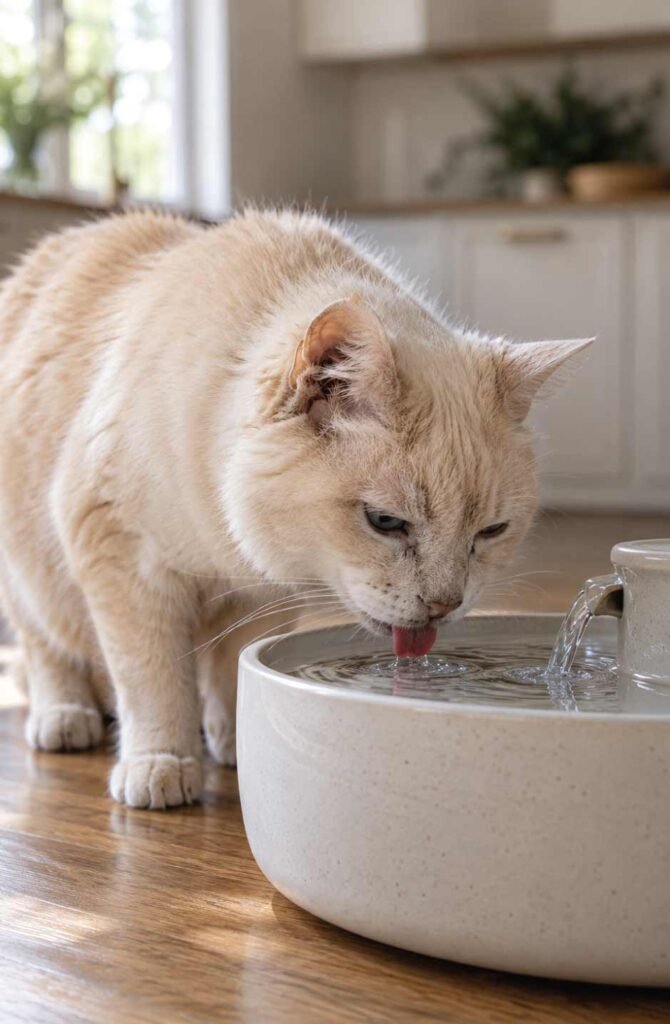
Senior Feline Nutrition and Hydration: Supporting Aging Kidneys
As cats age, their digestive efficiency drops and their natural thirst drive declines, making kidney health and muscle retention top priorities. Chronic Kidney Disease (CKD) affects a vast number of senior cats, and maintaining proper fluid balance is essential for flushing toxins from the bloodstream. Prioritizing high-moisture diets and easy water access directly protects your senior cat against dehydration and accelerated renal decline.
According to guidelines published by the American Association of Feline Practitioners (AAFP), senior cats require tailored dietary management that maintains lean muscle mass while monitoring phosphorus and hydration levels carefully.
- Transition toward moisture-dense wet food: Incorporate canned, pouch, or gently warmed wet food daily to increase fluid intake naturally through meals.
- Distribute water fountains across the house: Position quiet, recirculating water fountains in multiple rooms to tempt your cat to drink more frequently throughout the day.
- Elevate food and water dishes: Raise bowls 3 to 4 inches off the ground on a sturdy stand to reduce neck strain and ease swallowing during mealtimes.
- Monitor weight on a digital scale: Weigh your senior cat once a month to catch subtle, unintended weight loss before it becomes advanced muscle wasting.
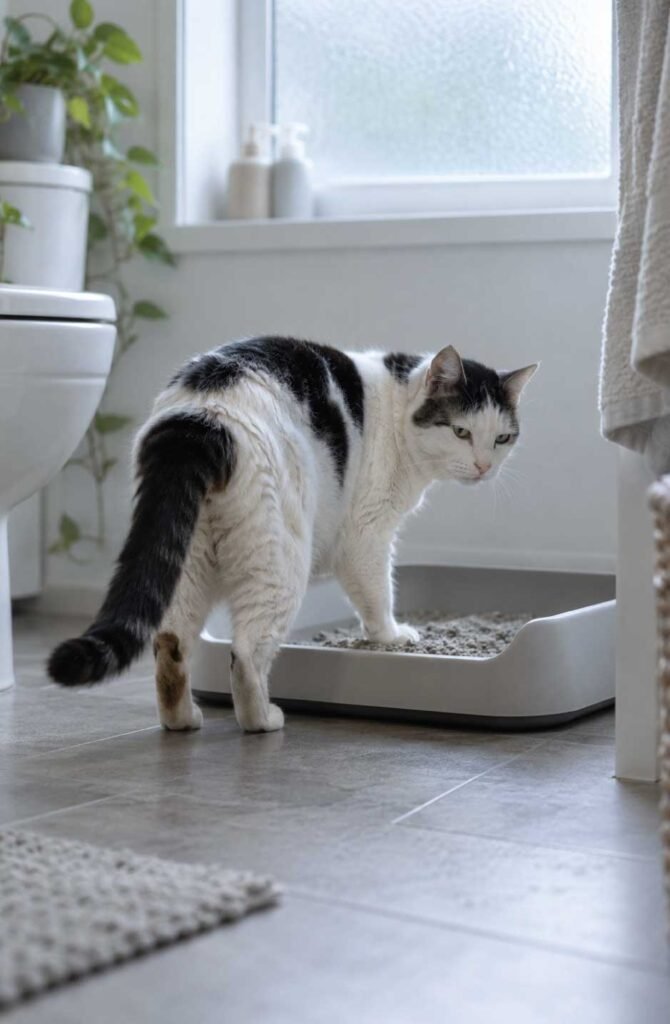
Litter Box Dynamics: Solving Incontinence and Mobility Accidents
When an older cat stops using the litter box, pet owners often assume it is a behavioral problem, but it is almost always driven by physical discomfort or cognitive confusion. A cat with stiff hips may find stepping into a high box painful, or an aging cat with early kidney changes may simply be unable to hold their urine long enough to reach a distant litter tray. Eliminating litter box obstacles prevents household accidents by aligning the setup with your cat’s physical capabilities.
- Increase the total box count: Place at least one low-profile litter box on every floor of your home to shorten the distance your cat must travel when urge strikes.
- Switch to fine-grained, soft litter: Use smooth, unscented litter that feels gentle on sensitive, aging paw pads and arthritic toes.
- Remove litter box hoods: Avoid enclosed boxes that force a stiff cat to hunch over or restrict their ability to turn around comfortably inside.
- Clean the box multiple times daily: Keep litter impeccably clean, as senior cats become significantly more fastidious and sensitive to dirty substrate.
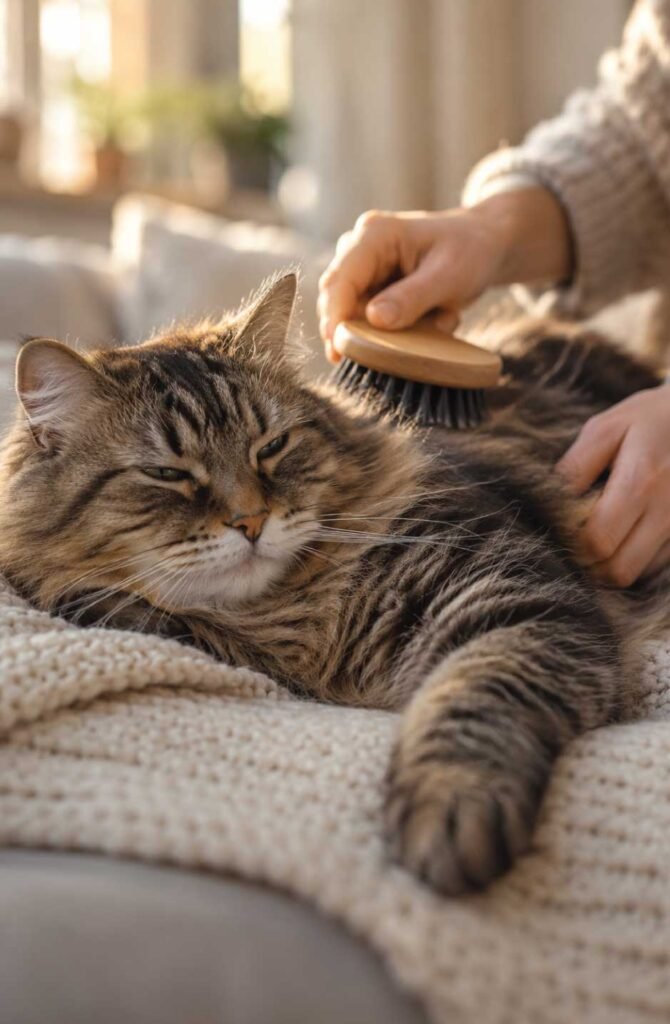
Modifying Grooming Routines: Helping Stiff Paws Stay Clean
Flexible young cats spend hours grooming every inch of their coat, but spinal stiffness prevents senior cats from reaching their lower back, hind legs, and tail. Unassisted senior cats quickly suffer from matted fur, dry skin, and dangerously overgrown claws that can curl directly into their toe pads. Stepping in with gentle grooming assistance keeps your senior cat clean, comfortable, and free from painful matting.
- Brush gently with soft-bristled tools: Perform daily, short brushing sessions using soft slickers or rubber grooming mitts to stimulate skin oils without pressing onto bony joints.
- Trim claws every two to three weeks: Inspect and clip nails regularly, as inactive senior cats no longer wear down their claws naturally on scratchers.
- Clean facial and hind areas with warm microfiber: Wipe away eye discharge and gently clean rear quarters using a soft, damp cloth after litter box visits.
- Inspect for skin lumps and matted spots: Use grooming time to feel along the spine, armpits, and belly for unexpected lumps, skin irritation, or developing tangles.
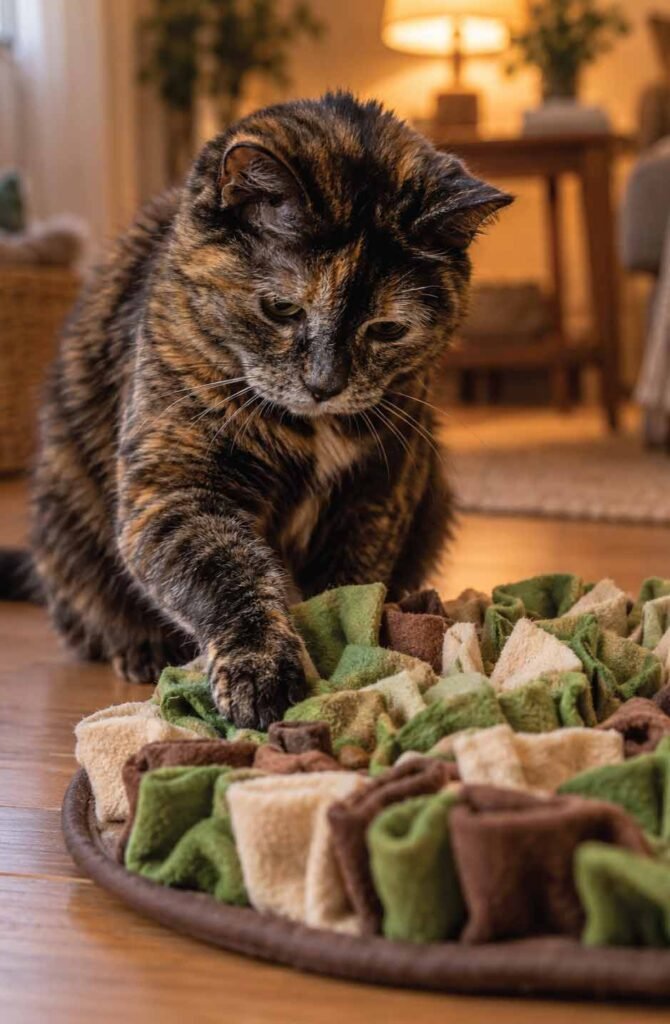
Mental Stimulation and Environmental Stress Reduction
Senior cats rely heavily on established routines, making them particularly sensitive to environmental disruption, loud noises, or sudden household changes. Chronic stress weakens the immune system and can exacerbate underlying physical conditions or trigger behavioral withdrawal. Maintaining a predictable routine alongside gentle mental engagement keeps your aging cat calm, confident, and sharp.
Pairing consistent quiet routines with proven methods for cat stress relief protects your senior cat from anxiety while keeping their living environment reassuringly stable.
- Maintain a strict daily schedule: Keep feeding, playtime, and quiet rest times predictable to offer cognitive comfort and reduce anxiety.
- Provide low-impact puzzle feeders: Keep your cat’s brain active by offering easy treat-dispensing mats or snuffle mats that do not require physical exertion.
- Engage in gentle floor play: Drag a feather wand slowly across the floor while your cat is lying down to stimulate their hunting instincts safely.
- Set up cozy, warm nap zones: Place self-warming beds in quiet, sunny spots away from drafty doors or busy household foot traffic.
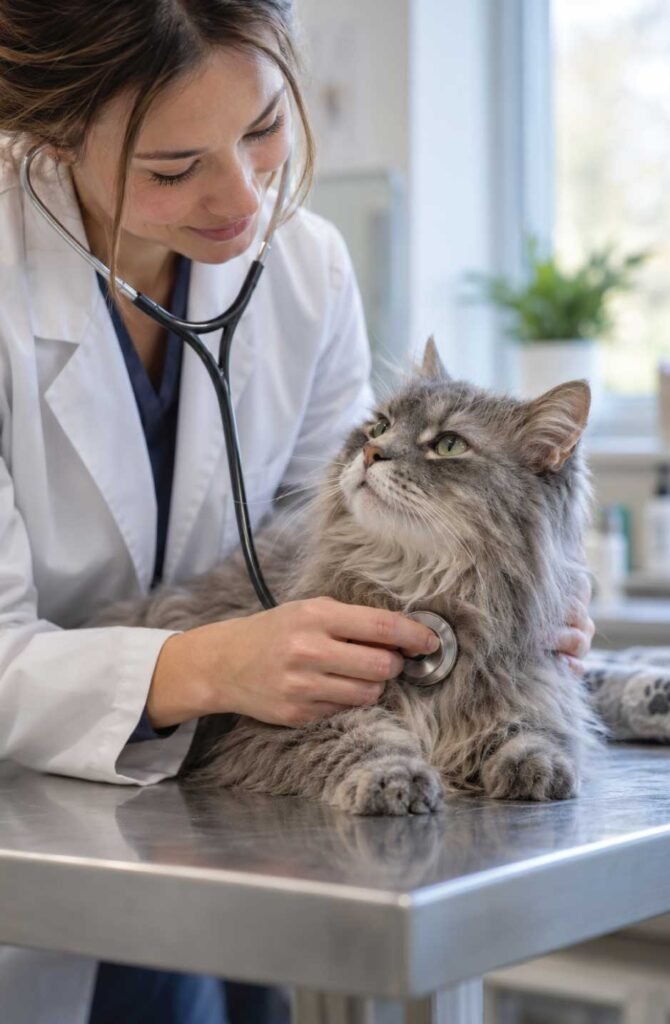
Proactive Veterinary Screening: Catching Silent Health Shifts Early
Because cats age much faster than humans, a single year represents several feline years, meaning chronic health conditions can progress rapidly behind the scenes. Diseases like hyperthyroidism, hypertension, diabetes, and kidney failure develop quietly, showing clear physical signs only after significant progression. Upgrading from annual checkups to bi-annual veterinary visits allows you to catch and manage health shifts early.
Research from the Cornell Feline Health Center emphasizes that routine bi-annual veterinary screenings, including comprehensive bloodwork and blood pressure checks, are critical for early intervention in aging felines.
- Schedule vet exams every six months: Visit your veterinarian twice a year to monitor weight, organ function, joint health, and dental condition.
- Request annual bloodwork and urinalysis: Run routine senior lab panels to check kidney numbers, liver values, thyroid levels, and blood sugar.
- Check blood pressure regularly: Ensure your vet measures systemic blood pressure during checkups, as feline hypertension frequently causes sudden blindness if untreated.
- Track subtle behavioral changes: Keep a written journal of changes in appetite, vocalization, sleep patterns, or water consumption to share with your vet.
The Secret Sauce
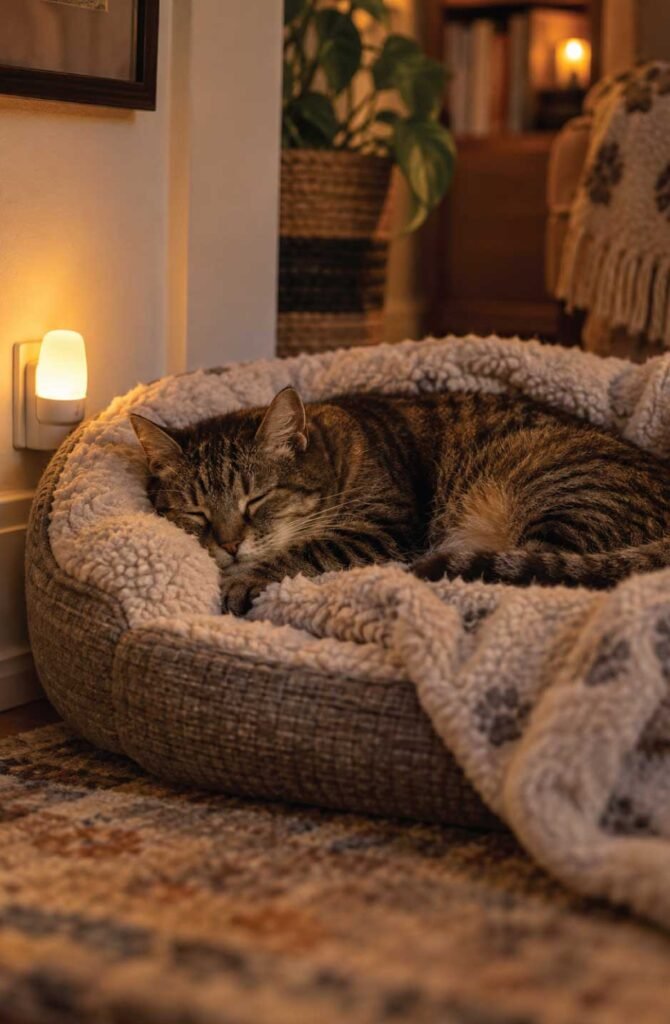
Nightlight Wayfinding for Cognitive Support
Senior cats often experience age-related vision changes or feline cognitive dysfunction, leading to nighttime disorientation and distress vocalizations in pitch-black rooms. Placing low-intensity LED nightlights along hallways, near food bowls, and right next to litter boxes provides visual anchors that eliminate nighttime confusion. This tiny, inexpensive adjustment stops 3:00 AM distress crying and helps visually impaired seniors navigate confidently after dark.
Micro-Heating Zones for Joint Relief
Arthritic joints feel significantly more painful in cold or drafty environments, causing morning stiffness and reluctance to move. Setting up low-voltage, pet-safe thermal pads or self-heating reflective mats in your cat’s favorite resting spots delivers gentle, continuous warmth that eases joint pain. Safe, constant warmth increases circulation, reduces stiffness, and helps aging cats wake up far more mobile.
Scent-Anchoring During Household Changes
When moving furniture, traveling, or introducing new items, senior cats easily become overwhelmed because scent markers are disturbed. Rubbing a soft cotton cloth gently across your cat’s cheek glands and dabbing it onto new furniture or room corners anchors familiar pheromones and restores instant calm. Preserving their familiar scent environment prevents stress-induced hiding and keeps older cats feeling secure in their surroundings.
Frequently Asked Questions About Caring for a Senior Cat
Cats are generally classified as senior when they reach 11 years of age, with those 15 and older considered "super-seniors." While seven years old was historically used as the threshold, modern veterinary medicine recognizes that most cats show true age-related metabolic and physical changes around age 11.
Introducing a high-energy kitten to an aging cat usually causes significant stress rather than youthful rejuvenation. Senior cats crave quiet routines, so a bouncing kitten can easily overstimulate them and trigger behavioral withdrawal or territorial aggression.
Omega-3 fatty acids from fish oil and glucosamine-chondroitin supplements provide proven support for aging feline joints. Always consult your veterinarian before adding supplements, as liquid fish oils often work best for picky senior cats who refuse pills.
Sticking to a permanent furniture layout and using floor vibrations helps vision- or hearing-impaired senior cats navigate securely. Avoid startling a deaf cat by gently tapping the floor before approaching, and keep food and litter boxes in fixed, predictable spots.
Severe bad breath or tooth loss usually signals painful dental disease that requires immediate veterinary evaluation. While switching to soft food helps them eat comfortably, addressing underlying dental infections prevents bacteria from spreading to their heart and kidneys.
Tracking good days versus bad days using a validated Quality of Life scale helps you make compassionate, objective decisions. Monitor key indicators like appetite, mobility, hygiene, and interest in social interaction to ensure their daily joy still outweighs their discomfort.
Supporting Your Cat’s Golden Years
Caring for a senior cat does not require overwhelming overhauls; it simply demands thoughtful, consistent adjustments that respect their changing physical limits. By lowering physical barriers, boosting daily hydration, providing cozy thermal comfort, and staying ahead of health shifts with proactive veterinary care, you give your feline companion the gift of a dignified, happy, and comfortable old age. Small daily tweaks in accessibility and routine yield massive returns in your senior cat’s overall well-being and happiness.
Pin this post for later! Save these practical senior cat care tips to your favorite Pinterest pet board so you always have immediate access to these mobility, nutrition, and home hacks when your companion needs them most.
To build a complete foundation for your companion’s lifelong care, complement these senior-focused adjustments by reviewing our comprehensive guide on the basics of caring for a cat.