Quick Guide: Teflon Toxicity in Birds
- PTFE (Teflon) releases odorless, invisible fumes when heated that are highly toxic to all pet birds.
- Death from Teflon toxicity can happen in minutes, showing signs like gasping, weakness, and seizures.
- Hidden PTFE is everywhere: air fryers, waffle irons, self-cleaning ovens, and even space heaters.
- Swap to bird-safe cookware instantly: use 100% ceramic, stainless steel, cast iron, or glass.
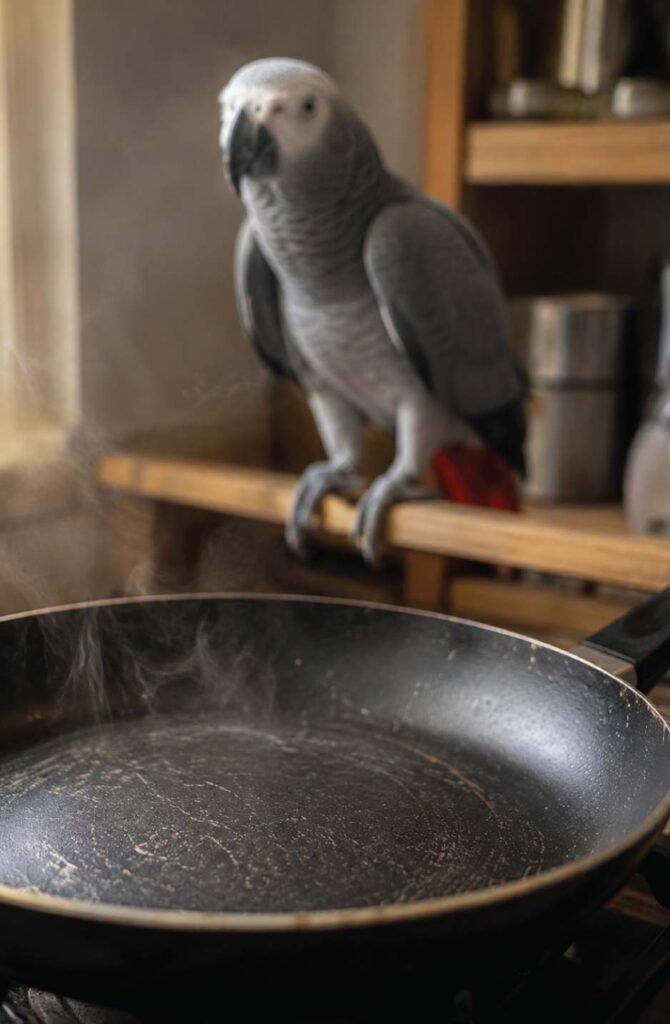
The Chemistry of the Threat: Why PTFE Destroys Avian Lungs
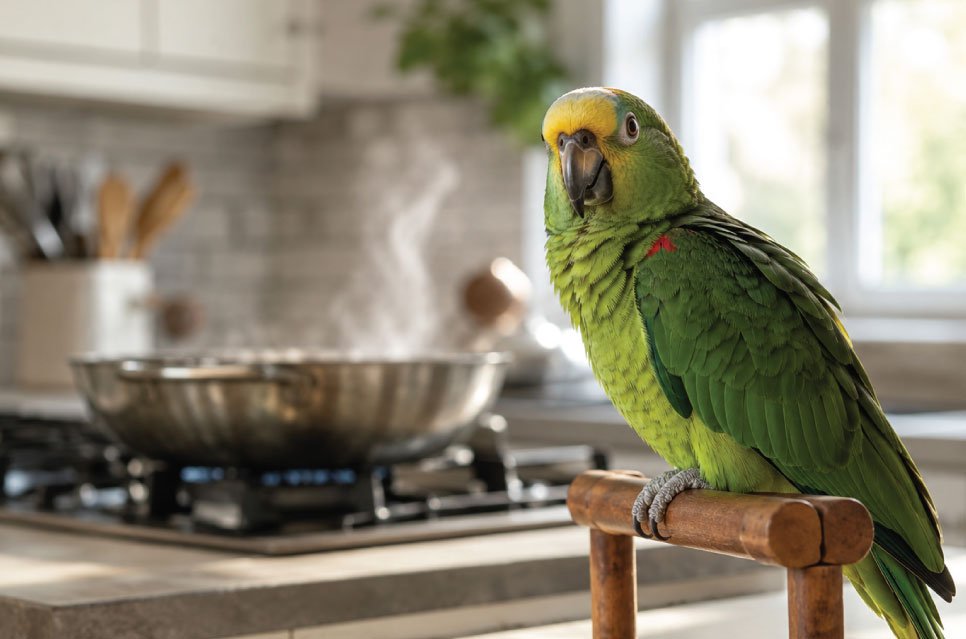
When heated above 400°F (204°C), polytetrafluoroethylene (PTFE) begins to degrade and release a complex mix of toxic particulates and acidic gases. Birds have highly efficient respiratory systems designed for the heavy oxygen demands of flight.
This hyper-efficient breathing mechanism means that even a minor wisp of PTFE gas, which would not bother a human or a dog, can cause massive hemorrhaging in a bird’s lungs. By the time you smell something burning in the kitchen, the air has already been toxic to your bird for several minutes.
To eliminate this chemical threat from your kitchen routine:
- Throw away any pan labeled as “non-stick” unless you have explicitly verified it uses a ceramic coating.
- Never pre-heat an empty non-stick pan, as this causes the temperature to spike into the danger zone within seconds.
- Relocate your bird’s cage as far away from the kitchen as possible, preferably on a different ventilation loop.
- Audit your cookware annually, as scratched or degraded non-stick coatings release fumes at much lower temperatures.
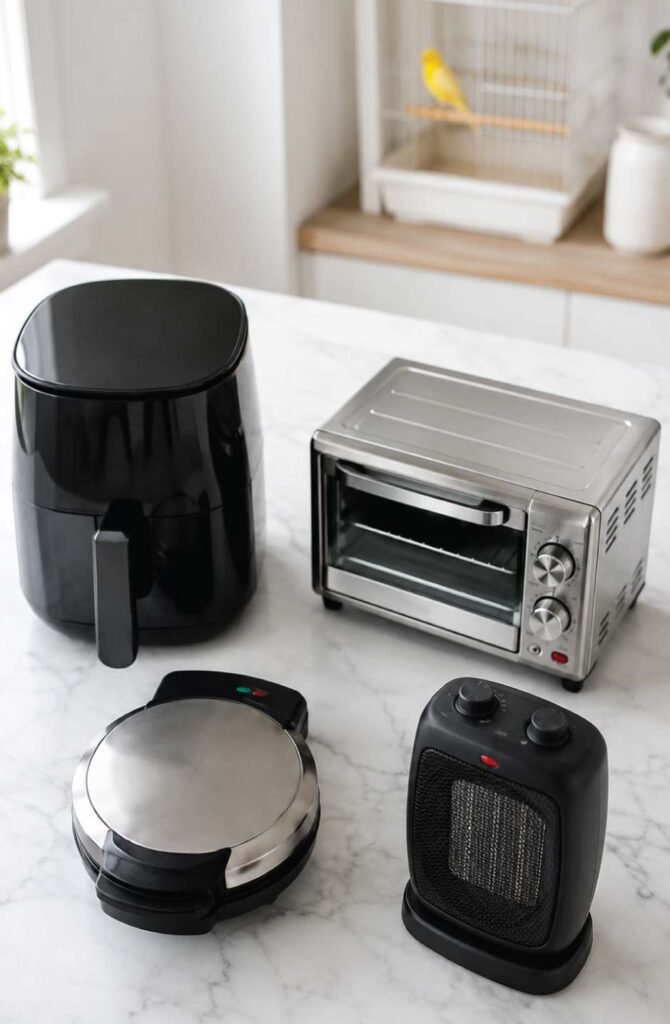
Unmasking Unexpected Household Appliances
Manufacturers use PTFE coatings on hundreds of heat-producing household appliances because it acts as a cheap, effective heat shield and non-stick surface. Pet owners often throw out their frying pans but accidentally kill their birds by turning on a brand-new space heater or air fryer.
Airborne toxins travel incredibly fast through standard HVAC systems, meaning an appliance used in the bedroom can still poison a bird in the living room. According to veterinary experts at VCA Animal Hospitals, non-stick coatings on household items like drip pans, irons, and space heaters pose just as much of a threat to avian lungs as cookware. Just like you need to be careful when figuring out Are Air Fresheners Safe for Birds?, you must be equally ruthless when auditing your plug-in appliances.
Check your home for these commonly PTFE-coated items:
- Air Fryers & Waffle Makers: The vast majority use traditional Teflon baskets and plates.
- Space Heaters & Radiators: Many use PTFE coatings on the heating elements to prevent dust from burning.
- Toaster Ovens & Drip Pans: The crumb trays are frequently coated for easy cleaning.
- Popcorn Poppers & Rice Cookers: The internal heating bases often rely on non-stick chemicals.
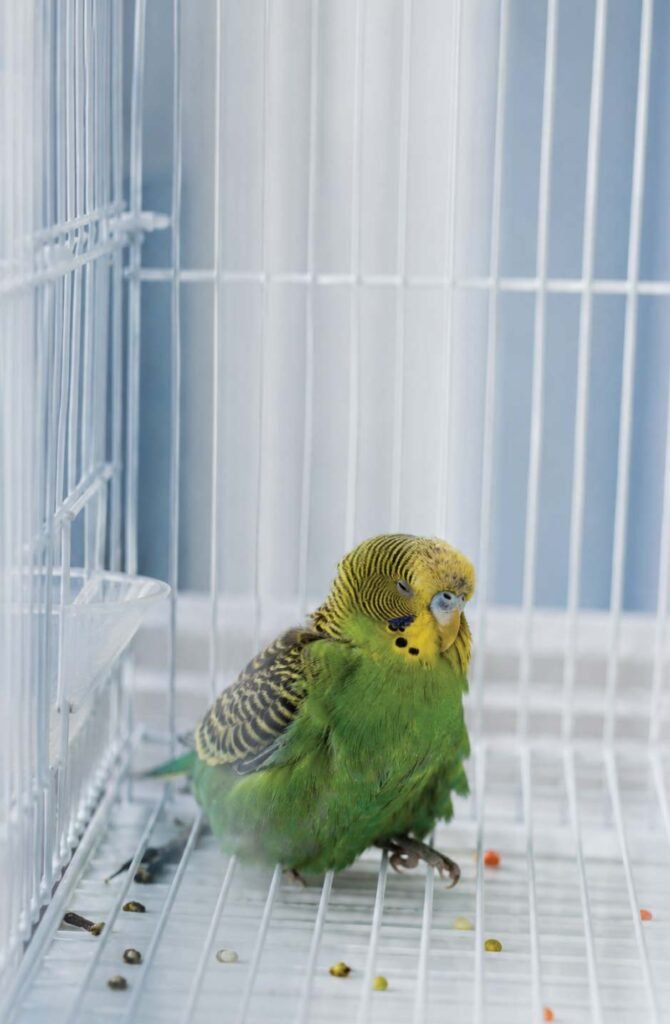
Spotting the Signs of Polymer Fume Fever
Because birds mask their illnesses as a survival instinct in the wild, by the time you notice symptoms of PTFE toxicosis, the situation is already a critical veterinary emergency. There is no mild version of this poisoning; the deterioration is violent and rapid. Toxicology data from the Pet Poison Helpline confirms that overheated Teflon causes acute pulmonary edema, causing the bird to suffer severe respiratory distress in minutes. Recognizing these signs instantly is the only way to give your bird a fighting chance.
According to veterinary toxicology experts, PTFE exposure leads to acute respiratory distress syndrome, causing the bird to literally drown in its own fluids. Recognizing these signs instantly is the only way to give your bird a fighting chance.
Watch your bird closely for these immediate red flags:
- Open-Beak Breathing: Heavy, labored gasping with a clicking sound or tail-bobbing.
- Severe Lethargy: Drooping wings, inability to perch, or huddling at the bottom of the cage.
- Neurological Distress: Uncoordinated movements, falling, or sudden seizures.
- Vocalization Changes: A sudden loss of voice or weak, frantic chirping.
- Keep yourself educated on standard baselines by reviewing our guide on Bird Health: Common Pet Bird Diseases.
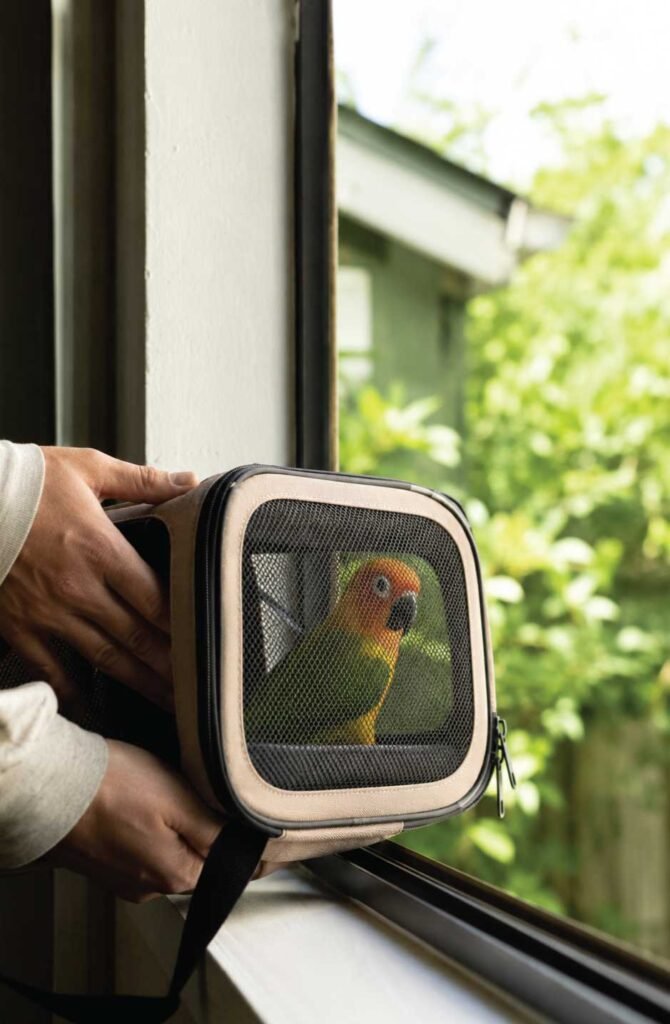
Emergency Action Protocol: Surviving an Exposure Event
If you suspect your bird has inhaled non-stick fumes, your immediate priority is flooding their environment with fresh, uncontaminated air before doing absolutely anything else. Do not waste time trying to figure out if the pan was actually Teflon, because every second of continued exposure drastically reduces their survival rate.
Many owners panic and try to comfort the bird inside the toxic room, which only exposes both of you to further danger.
Take these exact steps the second you suspect fume exposure:
- Evacuate Immediately: Move the bird’s cage (or place them in a travel carrier) outdoors or to a heavily ventilated room away from the kitchen.
- Ventilate the House: Open every window and turn on all exhaust fans to pull the contaminated air out of the home.
- Provide Supplemental Heat/Oxygen: If you have an emergency avian oxygen tank, use it; otherwise, keep them warm while you travel, as their body temperature will drop rapidly.
- Call the Avian Vet En Route: Do not wait for an appointment; alert your nearest emergency exotic vet that you are incoming with a suspected PTFE toxicity case.
Bird-Safe Kitchen Swaps You Can Trust
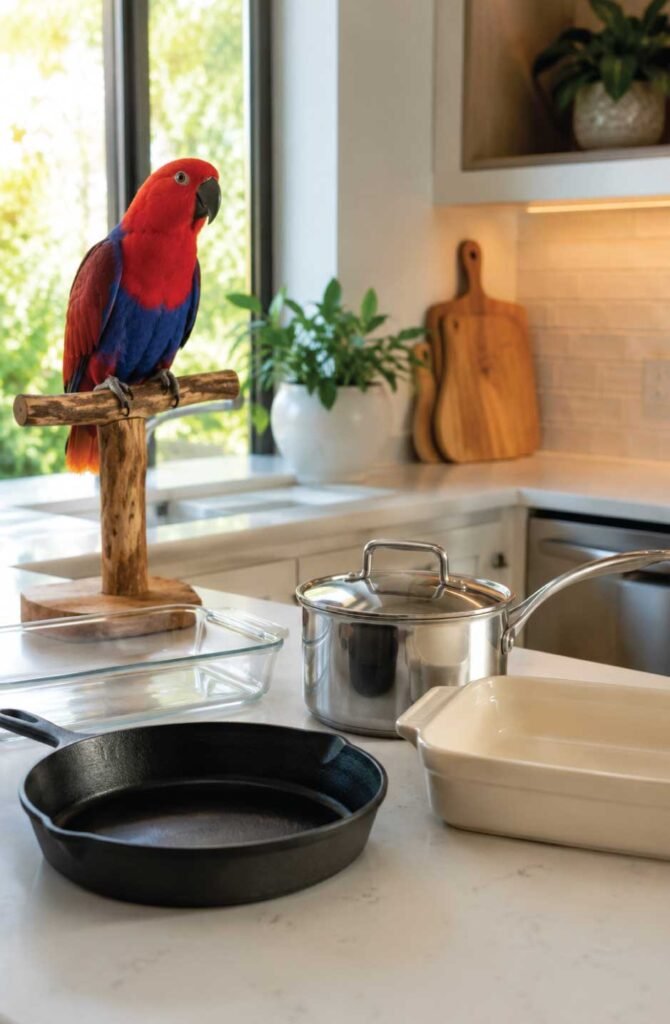
The only way to guarantee your kitchen is safe for your feathered companion is to completely remove all PTFE-coated items and replace them with stable, untreated materials. While it requires an upfront investment, these materials will never release toxic fumes, no matter how hot they get.
Making these swaps is just as critical as fixing the 5 Bird Cage Mistakes That Are Making Your Pet Bird Sick.
Stock your bird-safe kitchen with these trusted materials:
- Stainless Steel: The gold standard for avian safety, offering incredible durability and zero off-gassing.
- Cast Iron: When properly seasoned with bird-safe cooking oils, it provides a natural non-stick surface without the chemicals.
- 100% Ceramic: Ensure the cookware is solid ceramic, not just a ceramic-like coating sprayed over a mystery metal.
- Glass & Pyrex: Perfect for baking and roasting without any risk of chemical degradation.
The Secret Sauce: Expert Safety Tips
Beware the “PFOA-Free” Marketing Trap A label boldly claiming a pan is “PFOA-Free” or “PFOS-Free” does not mean it is bird-safe, because manufacturers usually replace those banned chemicals with standard PTFE. PFOA was phased out for environmental and human health reasons, but the replacement polymer is the exact compound that causes fatal lung hemorrhaging in parrots. Always contact the manufacturer directly and ask if the product contains any form of PTFE or fluoropolymers before bringing it home.
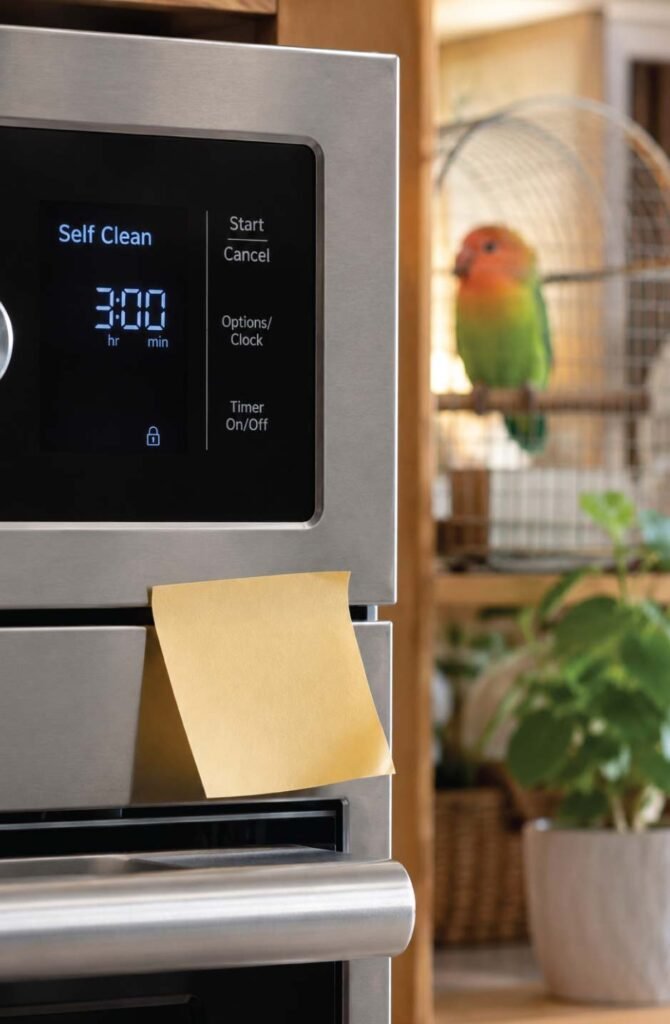
The Self-Cleaning Oven Hazard Running your oven’s self-cleaning cycle superheats internal coatings to extreme temperatures, releasing a massive, lethal cloud of toxic fumes throughout your entire home. Avian specialists frequently warn that this specific feature causes mass fatalities in multi-bird households every year. Never use the self-cleaning function; instead, clean your oven manually with bird-safe baking soda and water pastes.
Hair Tools and Ironing Boards Many people forget that curling irons, hair straighteners, and heavy-duty ironing board covers frequently utilize PTFE coatings to prevent fabric burning and hair sticking. Using these items in a closed bedroom or bathroom where a bird sleeps can slowly poison them over time. Swap to titanium or pure ceramic hair tools, and purchase untreated cotton ironing board covers to keep your routine non-toxic.
Frequently Asked Questions about Teflon Toxicity in Birds
Yes, toxic PTFE fumes travel through central heating and air conditioning systems to reach closed rooms rapidly. Central HVAC units circulate airborne gases throughout an entire home within minutes. To protect your bird, shut off central ventilation during high-heat cooking, seal draft gaps under doors, and run a dedicated HEPA air filter in the bird's room.
Pure ceramic-coated cookware made using sol-gel technology is generally safe for birds because it is completely free of PTFE, PFOA, and fluoropolymers. However, some manufacturers market hybrid coatings that mix ceramic with traditional non-stick polymers. Always verify directly with the manufacturer that a pan contains zero PTFE or fluorinated chemicals before bringing it into a bird-owning household.
Veterinary treatment focuses on aggressive supportive care, primarily placing the bird in a hyper-oxygenated chamber to ease severe lung distress. Vets may also administer diuretics to reduce fluid buildup in the lungs and bronchodilators to open constricted airways. Because there is no chemical antidote for polymer fume toxicosis, fast medical intervention within the first hour is critical for survival.
Yes, severe smoke from burnt cooking oil releases toxic acrolein gas that causes severe respiratory inflammation in birds. While oil smoke behaves differently than synthetic PTFE fumes, the dense particulates irritate sensitive avian air sacs rapidly. Always cook on low-to-medium heat and immediately clear the house of heavy cooking smoke regardless of what cookware you use.
You should wait at least 4 to 6 hours after thoroughly ventilating the house before returning your bird to the space. Open all windows, run exhaust fans, and allow high-efficiency HEPA filters to pull remaining microscopic particulates out of the air. Wipe down nearby countertops and surfaces with a damp cloth, as toxic chemical residues can linger on surface dust.
Some shatterproof heat lamps and light bulbs are coated with a PTFE film to prevent glass from shattering if dropped. When these bulbs reach operational temperatures, they off-gas dangerous polymers directly above your pet's enclosure. Only purchase heat lamps, brooder bulbs, and ceramic heat emitters explicitly labeled as un-coated, shatterproof-free, or bird-safe.
Protecting Your Flock Moving Forward
Protecting your bird from silent airborne killers requires vigilance, but swapping out toxic cookware is a one-time fix that guarantees their safety. By eliminating PTFE from your kitchen and appliances, you completely remove one of the most common causes of tragic, sudden bird deaths.
Pin this for later to keep this life-saving checklist handy, and share it with other bird parents who might not realize their morning eggs are putting their flock at risk! If you are currently auditing your home to create the ultimate safe haven, your next logical step is reading our guide on 10 Bird-Safe Houseplants That Won’t Harm Your Pet Birds to ensure your indoor jungle is totally flock-friendly.