
So… Is a Ball Python a Good Pet? If you’re here, chances are you’ve caught the “reptile curiosity bug.” Maybe your kid asked for a snake. Or maybe you saw a cute curled-up ball python on social media and thought… “Hmm. Could I really have one as a pet?”
Short answer? Yes, ball pythons can make great pets, for the right person or family.
But let’s slow down for a second. Not every pet is a perfect match for every home, and snakes are no exception. So let’s walk through the real-life pros and cons of having a ball python, using honest feedback from other pet parents just like you.
Listen to the Podcast: Is a Ball Python a Good Pet?
Why Some People Absolutely Love Their Ball Pythons
Across conversations with PetSweetJoy subscribers, these were the most common reasons they love their ball pythons:
- Calm and Chill Vibes Ball pythons are known for being docile and gentle. One subscriber described hers as “the most mellow creature in the house, even more relaxed than the cat.” Unlike some snakes, they’re not known for biting or acting out (unless really stressed).
- Low Noise and Minimal Smell If you’ve had dogs, cats, or birds, you know pets can be loud. Ball pythons? Whisper-quiet. And if you keep their enclosure clean, there’s virtually no smell. This makes them a win for small homes or apartments.
- Low Maintenance (Once Setup Is Right) You don’t need to walk them. They don’t shed hair. And after the initial tank setup, weekly care is simple: feed, check humidity and temperature, clean poop, and you’re good.
One reader even said, “I work full-time and go away for weekends. My ball python doesn’t mind. It’s the chillest pet I’ve had.”
4. Fascinating to Watch They’re beautiful, curious, and surprisingly expressive in their own way. Watching a ball python explore their enclosure or curl up in a hide is oddly soothing.
Want to spoil your snake? Check out our guide: Homemade Treats for Your Reptile
But There Are Some Real Cons You Should Know
Every snake parent we heard from was quick to add: they’re not for everyone. Here’s why:
- They Can Be Picky Eaters (And It Gets Stressful) Some ball pythons go on “hunger strikes.” A subscriber shared, “Mine didn’t eat for over 2 months and I panicked. Turns out it’s normal during shedding or seasonal changes, but it stressed me out.”
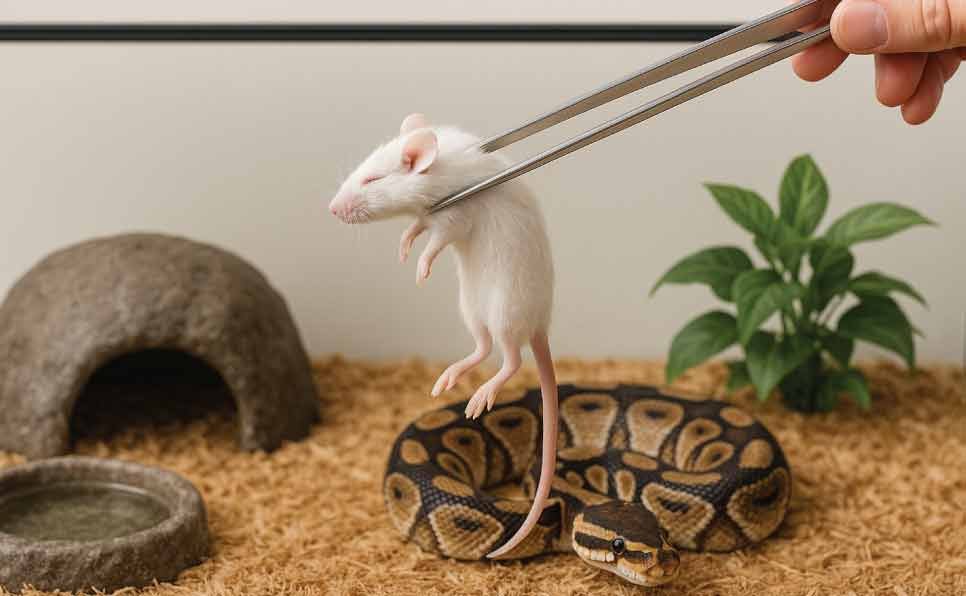
Here’s what feeding actually looks like: Ball pythons eat pre-killed frozen mice or rats that you thaw out. Young ball pythons eat every 5-7 days, adults every 2-3 weeks. As they grow, they go from tiny “pinkie” mice to adult mice or even small rats.
If you’re squeamish about handling dead rodents or panic when pets skip meals, this may not be your pet match.
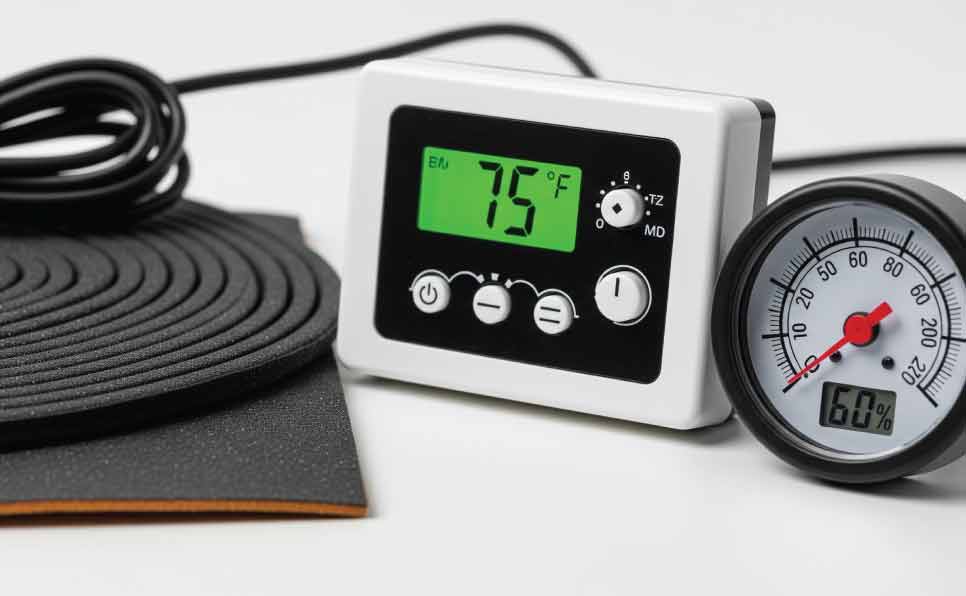
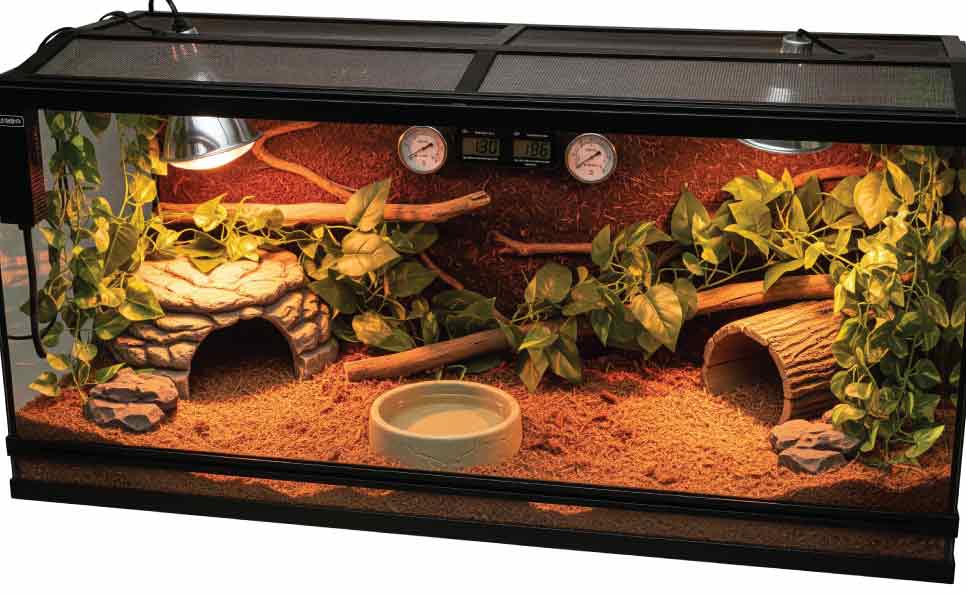
- They Need Specialized Setups (And Mistakes Are Expensive) Ball pythons don’t like things too hot or too cold, they need specific temperatures and humidity. Getting the enclosure just right can be tricky for beginners.
You’ll need:
- Heat mat or lamp with thermostat
- Humidity control (especially during shedding)
- Hides, branches, water bowl, and a secure tank lid
Not impossible, but not “plug and play” either.
- Not Really Cuddly Ball pythons don’t bond like dogs or even cats. Some tolerate handling, some don’t. They’re fascinating companions, but not affectionate in the way many people expect.
Think of it more like having a pet fish or lizard, you enjoy watching them, caring for them, but they won’t “love you back” in the traditional way.
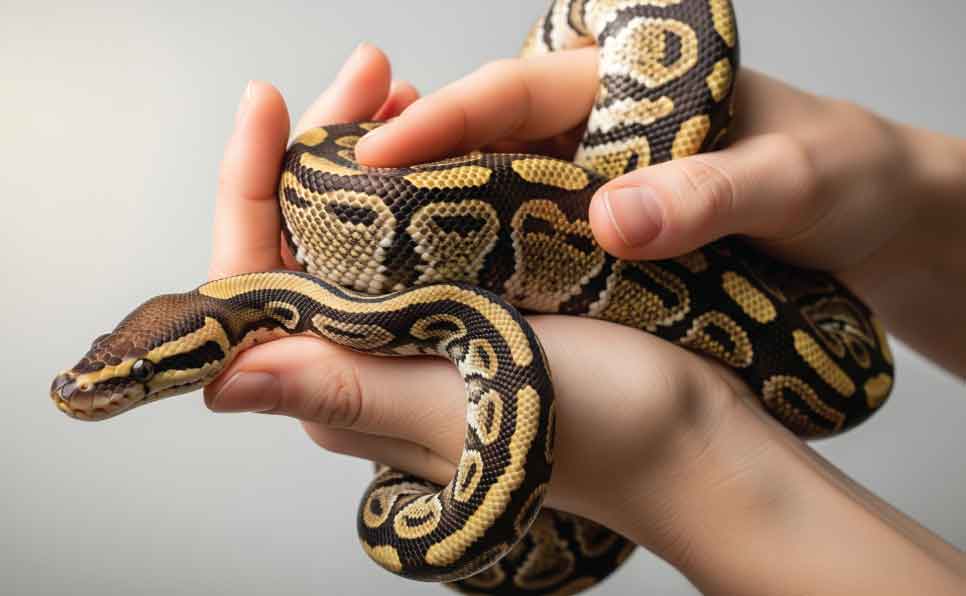
This Isn’t a College Pet: The 20-30 Year Reality
Let’s be honest about something most people don’t think about: ball pythons live 20-30+ years. Sometimes longer.
One subscriber told us: “I got my ball python when I was 22. Now I’m 35 with two kids, and she’s still going strong. She’s moved with me four times and outlasted three relationships!”
That’s not a complaint, it’s just reality. This is a pet that might be with you from your twenties to your forties, or from middle school through college graduation. Make sure you’re ready for that level of commitment.
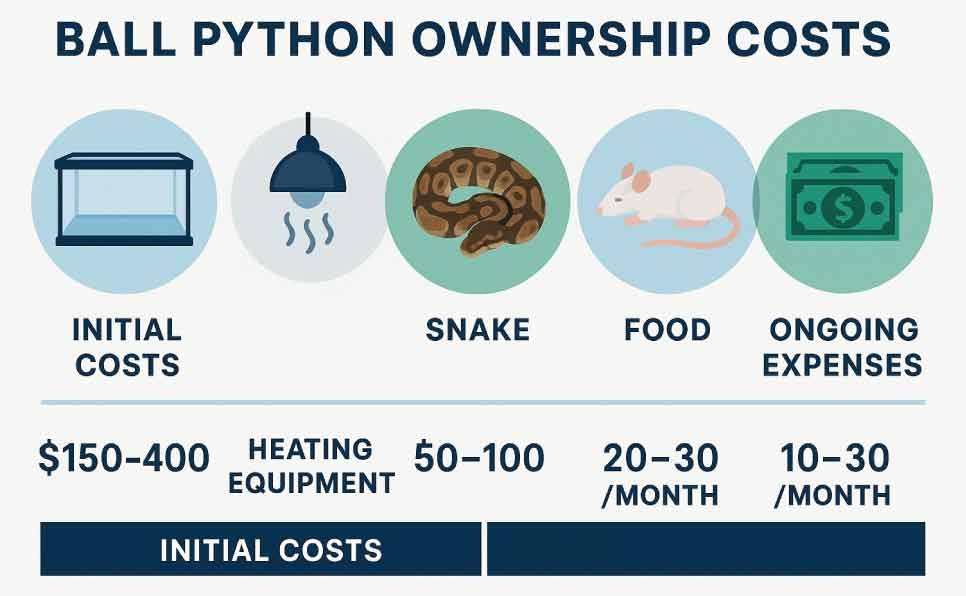
Let’s Talk Money (Because Nobody Likes Surprises)
Initial Setup Costs:
- Tank (40-gallon minimum): $100-200
- Heating and thermostats: $100-150
- Hides, substrate, water bowl: $50-100
- The snake itself: $50-300+ depending on morph
Ongoing Costs:
- Food: $5-15 per month
- Substrate changes: $10-20 every few months
- Electricity for heating: $10-20 per month
- Vet visits: $75-150 when needed (not frequent, but important)
One parent shared: “The setup was around $400, which felt steep. But monthly costs are way less than our dog, no shots, no monthly flea treatments, no grooming.”
Mistakes I Wish Someone Had Warned Me About
Our subscribers were generous in sharing their learning experiences:
“I bought a tank that was too small.”, Sarah, ball python parent for 3 years Adult ball pythons need at least a 40-gallon tank. Many beginners start with 20 gallons thinking they’ll upgrade later. Just start bigger.
“I didn’t understand humidity until my snake had a bad shed.”, Mike, first-time snake owner Ball pythons need 50-60% humidity. In winter or dry climates, you’ll need to mist regularly or use a humid hide. A bad shed can hurt them.
“I panicked the first time mine didn’t eat for a month.”, Jessica, anxious pet parent Seasonal fasting is normal. Adult ball pythons can safely go months without eating. Weight loss is what you watch for, not missed meals.
“I thought ‘handling’ meant daily cuddles.”, Tom, former dog owner Some ball pythons tolerate weekly handling. Others prefer to be left alone except for tank maintenance. Read their body language, if they ball up or hiss, give them space.
Are Ball Pythons Good Pets for Beginners?
Yes… if you’re the right kind of beginner.
Ball pythons are one of the most beginner-friendly snakes, but they still require research and care. They’re not “starter pets” you can neglect. You’ll need:
- Comfort with feeding pre-killed rodents
- Interest in maintaining temperature and humidity
- Patience for slow, quiet behavior
- Ability to read basic snake body language
If that sounds like you, go for it!
Also read: Amphibians vs Reptiles: What Makes Reptiles Unique
Are Ball Pythons Good Pets for Kids?
This is one of the most common questions we get.
The truth?
Ball pythons can be okay for older, responsible kids, but they’re not ideal for young children.
One parent in our community said: “My 10-year-old loves her ball python, but I still do most of the care. It’s a great learning experience, as long as the adult is willing to stay involved.”
They’re not interactive like a dog. They won’t play. They won’t come when called. But for a quiet, reptile-loving child with adult supervision? It can be a magical and memorable bond.
Signs your child might be ready:
- They’ve successfully cared for other pets
- They’re not squeamish about the feeding process
- They understand “gentle” and respect boundaries
- They’re old enough to recognize when the snake wants to be left alone
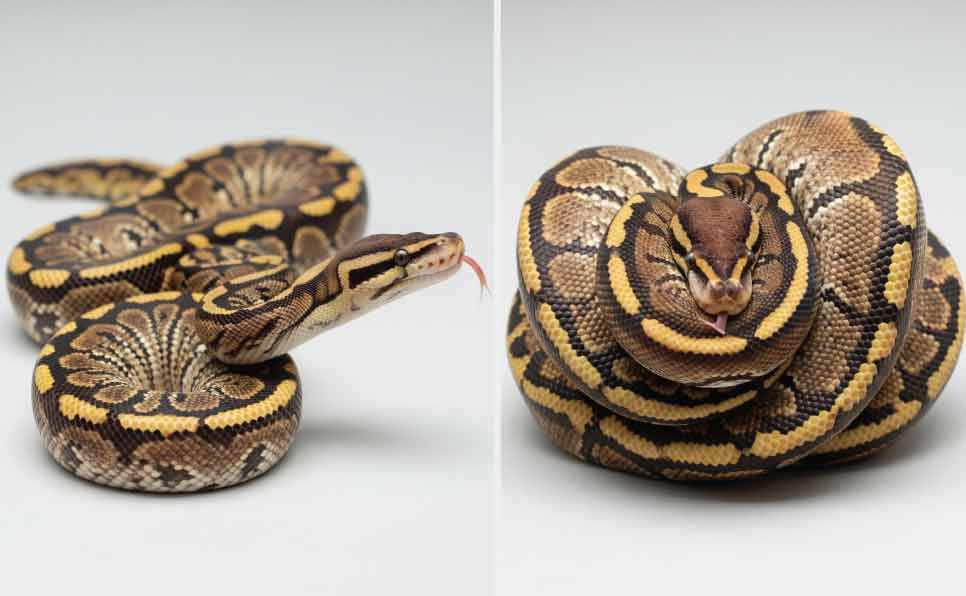
Reading Your Ball Python: Basic Body Language 101
Since ball pythons can’t bark or purr to tell you how they feel, here are the basics every owner should know:
Happy and relaxed: Loose, flowing movement. Exploring their tank. Tongue flicking (they’re “smelling” their environment).
Stressed or defensive: Balled up tight (hence the name!). Hissing. Quick, jerky movements. Hiding more than usual.
Ready to eat: More active than usual, tongue flicking near the tank opening when you approach.
About to shed: Eyes look cloudy or “milky.” Colors look dull. They might refuse food and hide more.
One subscriber shared: “Once I learned to read her signals, everything got easier. I stopped trying to handle her when she clearly wanted space, and she became much more relaxed overall.”
Is a Ball Python Right for You?
Here’s a quick checklist based on what real pet parents said:
- You’re okay with snakes
- You don’t expect affection
- You’re not squeamish about feeding rodents
- You’re comfortable setting up a reptile tank
- You’re looking for a low-allergy, quiet, calm companion
- You’re ready for a 20+ year commitment
- You have space for a proper-sized enclosure
- You can handle setup costs of $300-500
If you answered yes to all of the above, welcome to the world of ball python parenting!
If not, that’s okay too. There are plenty of amazing pets out there, and it’s better to find the right fit than to force one.
Your Turn: Would You Get a Ball Python?
Have you ever considered having a snake? Already have one and want to share your story?
Drop a comment below and join the conversation.
Your real experiences help other new pet parents feel seen, heard, and supported.
And if you’re exploring more reptile options, don’t miss our growing collection of posts in the Reptiles Category!
🐢 More Reptile Reads You Might Love:
Is a Ball Python a good pet? Frequently Asked Questions (FAQs)
They're basically Houdini in snake form if you don't secure the lid properly! Ball pythons are surprisingly strong and great at finding weak spots. Always use clips or locks on your tank lid. One subscriber learned this the hard way: "I found my snake coiled up under the couch after a weekend away. Now I'm paranoid about double-checking those clips."
Ball pythons rarely bite, but it can happen if they're scared or mistake your hand for food. Most owners describe it as feeling like a pinprick , not pleasant, but not terrible. They don't have venom, and their teeth are small. One owner told us: "My python bit me once in three years when I smelled like the mouse I'd just fed my other snake. It was over in seconds and barely bled."
Ball pythons are actually perfect for travelers! Adult ball pythons eat every 2-3 weeks, so you can easily go away for a week or two. Just make sure their water is full and temperature/humidity is stable. For longer trips, any friend can do basic checks , no daily feeding or walking required.
They'll learn your scent and routine, but don't expect dog-level recognition. Some owners swear their snake is calmer with them than strangers, but it's more about familiarity than affection. Think of it as tolerance rather than love. As one longtime owner put it: "My ball python doesn't love me, but she trusts me, and honestly, that feels pretty special."
The big ones are respiratory infections (wheezing, mouth breathing), mites (tiny moving dots on their skin), and stuck shed (old skin doesn't come off properly). Most health issues come from wrong temperature/humidity or stress. Find an exotic vet before you need one , not all vets treat snakes, and emergency reptile care can be expensive.
Nope! Ball pythons are loners and can stress each other out or even fight. They don't get lonely like dogs do. Housing them together can lead to feeding competition, stress, and territorial behavior. Even ball python breeders separate their snakes except for breeding. One snake, one tank, always.