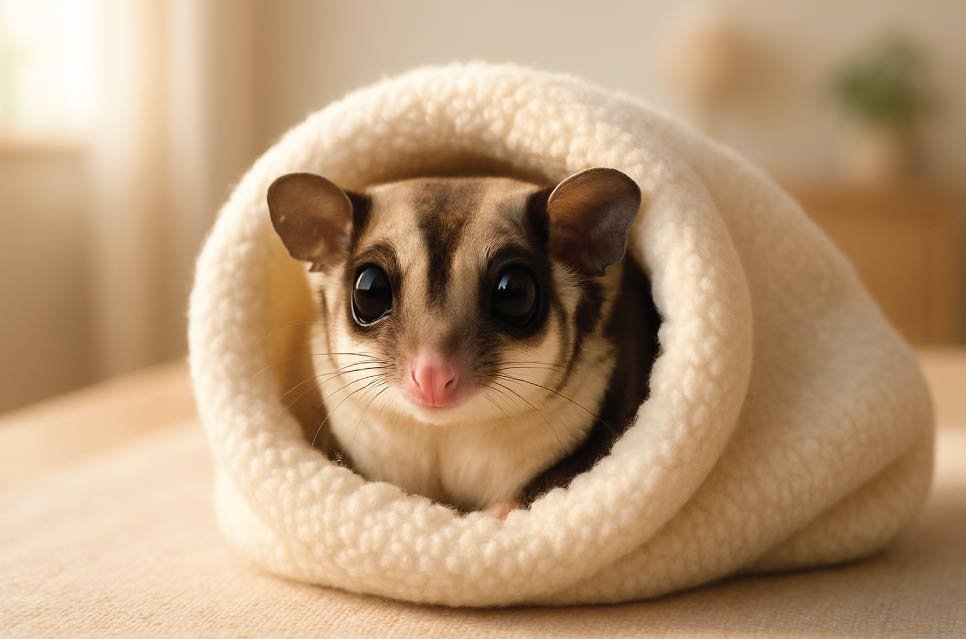
If you’ve landed here, you’re probably curious about sugar gliders as pets, and honestly, who could blame you? With their huge sparkling eyes, tiny hands, and soft gliding membranes, they look like they stepped straight out of a fantasy storybook. Many people fall for their charm at first sight, and it’s easy to understand why these tiny marsupials have become such popular exotic pets.
But before anyone starts imagining cute matching pouches or late-night snuggle sessions, we need to pause for a genuinely important conversation. Sugar gliders may look gentle and adorable, but they are not simple pets. They are exotic, highly social, demanding animals whose care needs are far more complex than most first-time owners expect.
These little “pocket gliders” require a specialized diet, a large vertical habitat, consistent social interaction, and a deep understanding of their emotional and physical needs. Think of sugar glider care as maintaining a miniature nighttime ecosystem in your home. It’s absolutely possible, and incredibly rewarding, but only if the commitment is fully understood from the beginning.
In this guide, we’ll walk through every foundational step, from their unique biology to the ethical and legal considerations you should think about before welcoming them into your life. Whether you’re simply researching or seriously considering adoption, this post will help you make an informed, compassionate decision.
Introduction: Cute Marsupial, Serious Commitment
What Is a Sugar Glider?
First things first, what exactly is this captivating little creature?
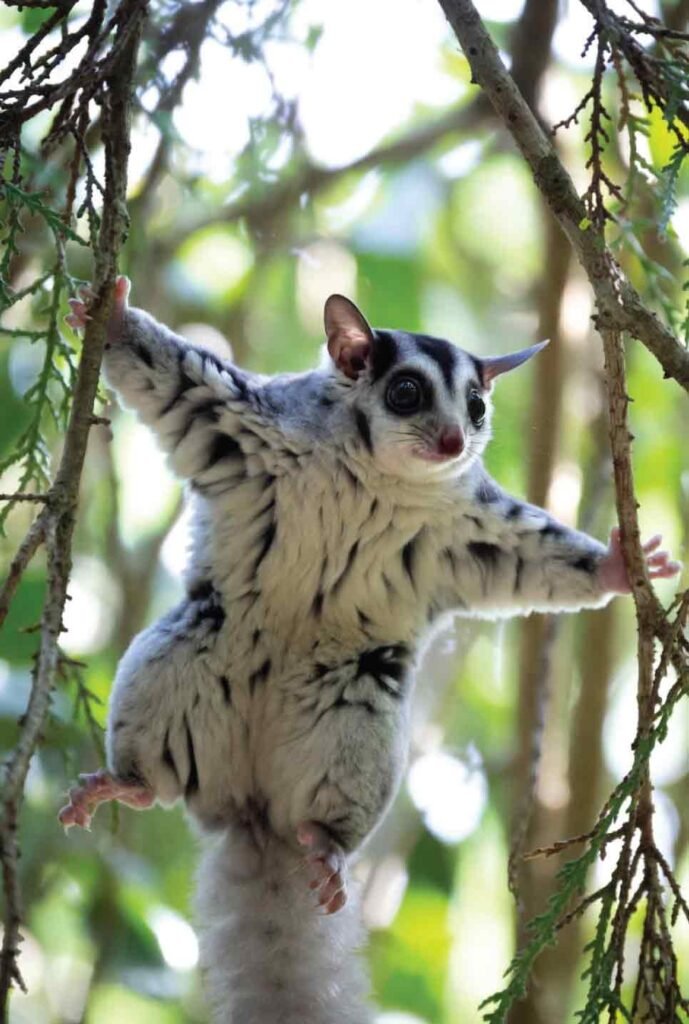
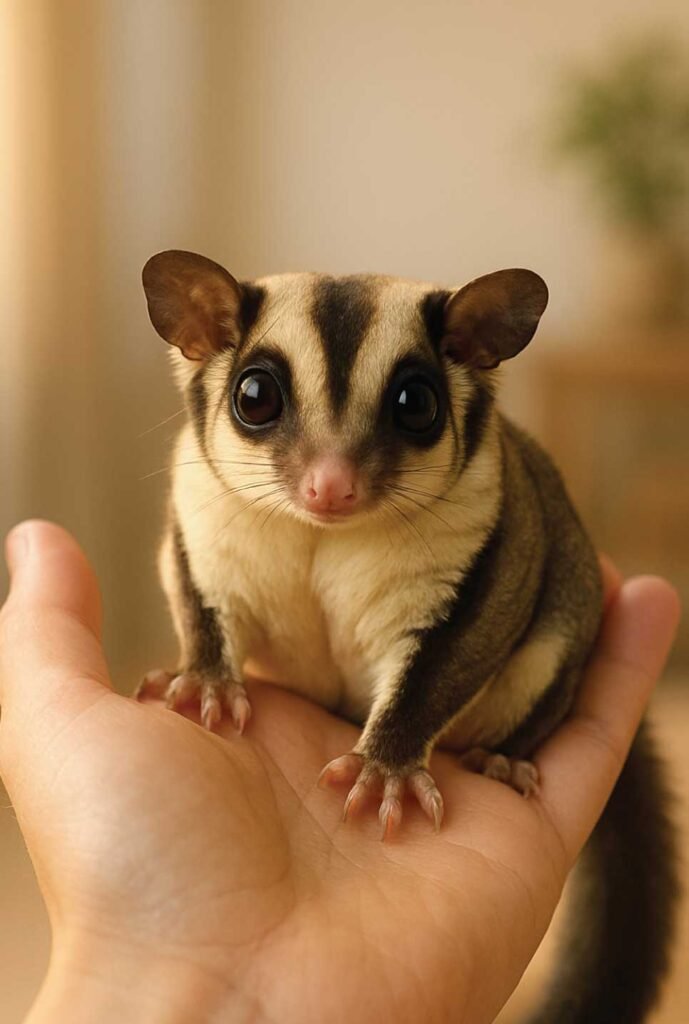
The sugar glider (Petaurus breviceps) is a nocturnal, tree-dwelling marsupial native to Australia, New Guinea, and surrounding islands. While they resemble tiny flying squirrels, they belong to an entirely different biological family and are more closely related to kangaroos and koalas.
Their name comes from two defining traits:
- Their love for sweet things like nectar and sap
- Their ability to glide, thanks to the patagium, a stretchy membrane connecting wrists to ankles
That gliding ability is not just cute, it’s essential to their natural behavior. The scientific name Petaurus breviceps translates to “short-headed rope dancer,” a perfect description of their acrobatic life high in the forest canopy.
The Core Warning: A 15-Year Commitment
This part cannot be emphasized enough: sugar gliders are a long-term responsibility. Many experts warn that they are not ideal pets for most households because of the intensity of their needs.
- Long Lifespan: With proper care, sugar gliders typically live 10–15 years in captivity.
- Daily Interaction: They need 1–2 hours of hands-on bonding time every single day to stay emotionally healthy. Without this interaction, they may become stressed, frightened, withdrawn, or even aggressive.
If someone cannot commit to daily bonding, specialized feeding routines, and long-term husbandry, sugar gliders may not be the right choice. But for owners who understand their complex needs and are ready to meet them, sugar gliders can form remarkably deep, lifelong bonds.
Little Companions, Massive Hearts ✨ Celebrate your small pets parenthood with our retro collection:
- Small Pet T-Shirts
Guinea Pig T-Shirt | Vintage Guinea Pig Graphic Tee | Round Loud Small Pet Lover Gift
$ 29,99 – $ 33,99Price range: $ 29,99 through $ 33,99 Select options This product has multiple variants. The options may be chosen on the product page - Small Pet T-Shirts
Holland Lop T-Shirt | Vintage Rabbit Graphic Tee | Soft Curious Bunny Lover Gift
$ 29,99 – $ 33,99Price range: $ 29,99 through $ 33,99 Select options This product has multiple variants. The options may be chosen on the product page


The Non-Negotiable Pre-Adoption Checklist
Before anyone even thinks about bringing sugar gliders as pets into their home, it’s essential to pause and walk through some big, honest questions. These tiny marsupials may look soft and harmless, but the reality of caring for them is wrapped in legality, ethics, long-term finances, and even science.
This section is your “reality check”, a way to make sure your heart and your home are truly prepared.
Legality and Ethics (Suitability Assessment)
Because sugar gliders fall under the category of exotic pets, the rules around owning them can get complicated very quickly.
Check Local Laws First
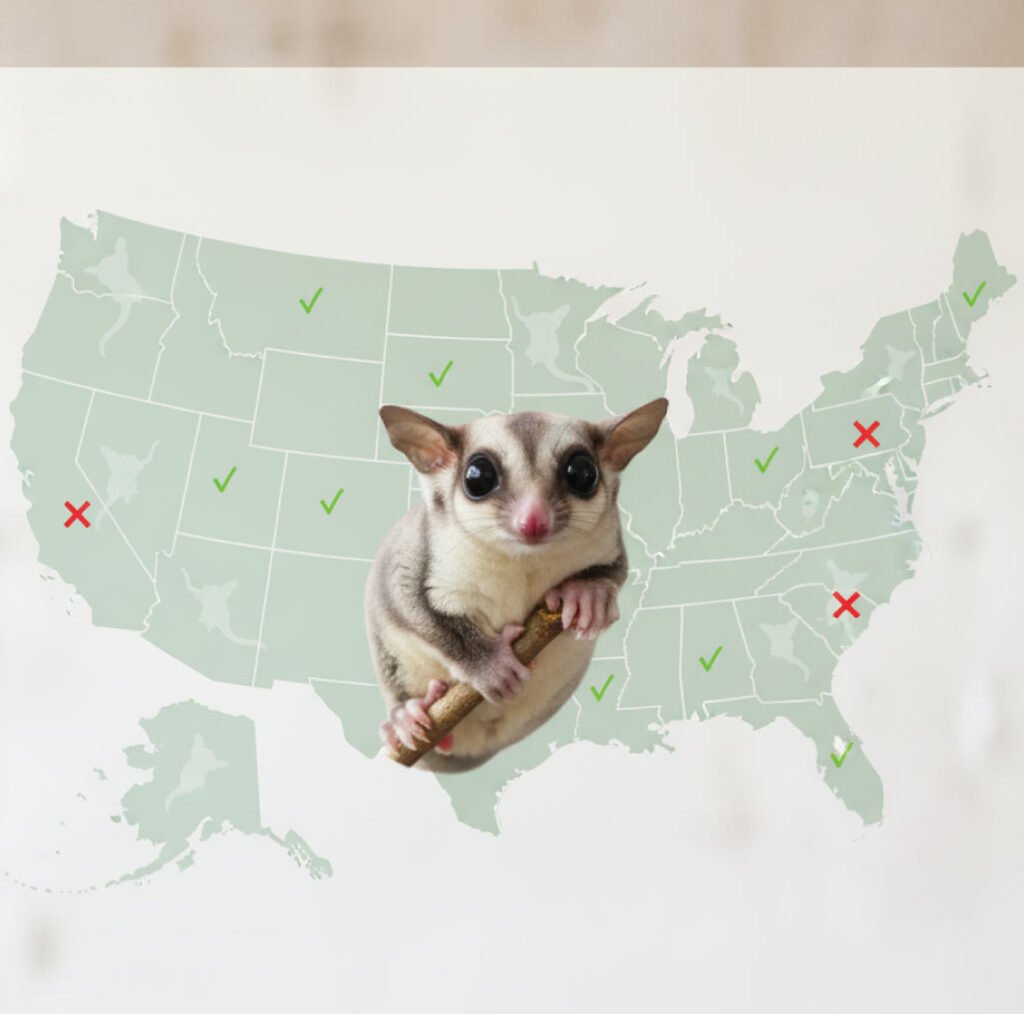
Regulations vary dramatically from state to state in the U.S.
- Completely illegal to own sugar gliders in several states, including California, Hawaii, and Alaska.
- Permit required in states like Pennsylvania, Georgia, and New Mexico.
- Some places, like New York State, allow them generally, but specific cities (for example, New York City) ban them outright.
You must check both your state wildlife laws and your city ordinances before taking a single step forward.
Consider the Ethical Debate
Beyond what’s legal lies a more personal question: Is it ethical to keep sugar gliders as pets?
Sugar gliders are not domesticated like dogs or cats, they are still very close to their wild origins. Many experts explain that it is “nearly impossible to replicate” their intricate social life, foraging needs, and gliding environment in captivity.
This is why responsible exotic pet communities often encourage potential owners to adopt gliders in need of rehoming, rather than supporting breeders. Many sugar gliders are surrendered because owners were unprepared for the reality of their care.
If you’re exploring small exotic mammals in general, our guide Caring for Small Mammals Made Easy helps highlight how exotic care differs from traditional pets
The Hidden Financial Reality (Addressing the Cost Gap)
Many people see sugar gliders in a pet shop and assume the financial commitment is similar to a hamster or guinea pig. Unfortunately… it’s not even close.
Caring for sugar gliders becomes expensive quickly because their needs are deep, specific, and ongoing.
Purchase Price
Depending on the breeder or rescue source, a sugar glider may cost:
$100 to $500, sometimes up to $1,000 for certain colors or lineages.
Housing Costs (This is where things get serious.)
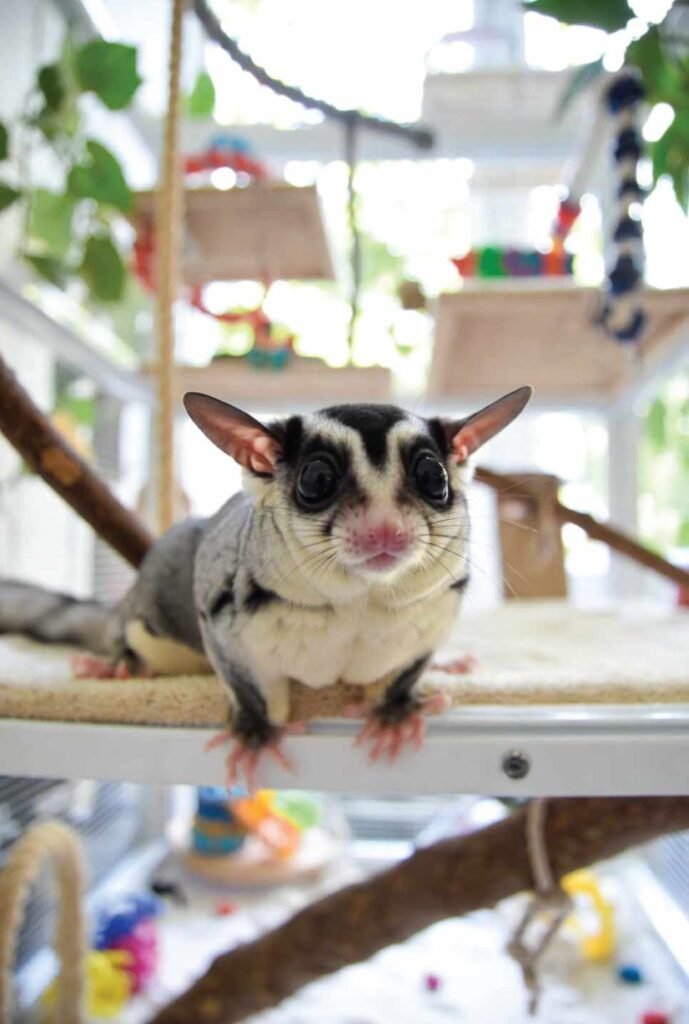
Sugar gliders require huge vertical enclosures, not small critter cages.
A proper habitat is closer to a tall aviary than a typical “small pet cage.”
- Exotic Nutrition Madagascar Sugar Glider Cage
Ideal for 2–3 gliders, with a tall vertical structure, rust-resistant wrought iron, shelves, and ladders. - Exotic Nutrition Brisbane Sugar Glider Cage
Another strong choice with a removable grate, deep pull-out tray, and roomy interior.
Specialized Diet Costs
A basic pellet diet may cost roughly $10/month, but this does not meet the best nutritional standards.
Experienced owners often prepare BML diets, TPG diets, or Wombaroo-based recipes, which require fruits, protein sources, insects, supplements, and fresh produce.
These diets can be time-consuming and more expensive than expected.
Veterinary Expenses
Sugar gliders need an exotic-animal veterinarian, not a standard cat/dog vet. These specialists are harder to find, especially in rural areas, and the cost of exams, emergency visits, and diagnostics is significantly higher.
Scientific Nuance: Is Your Pet Really a Sugar Glider?
Here’s something many sugar glider owners don’t know:
Most gliders kept in the U.S. aren’t actually Petaurus breviceps (the traditional “sugar glider”).
Taxonomy Update
New research suggests most U.S. pet gliders belong to: Krefft’s glider (Petaurus notatus), a close cousin once grouped together with breviceps until DNA studies split them into separate species.
Genetic Origins
The U.S. glider population appears to come from a single source near Sorong, West Papua (Indonesia).
This matters because:
- Husbandry recommendations were written for P. breviceps, not P. notatus
- Understanding their true origin helps owners match their diet, behavior, and enrichment to the proper species biology
This level of nuance may feel overwhelming, but knowledge is key to providing care that mirrors what they need in the wild.
Socialization: The Mandate for Companionship
If you take away only one thing about sugar gliders as pets, let it be this:
They simply cannot live alone.
Socializing isn’t optional, it’s the beating heart of their emotional well-being.
Sugar gliders are some of the most social exotic pets on the planet. Their mental health, behavior, and even their physical stability depends on having companions. When gliders don’t get their social needs met, emotional distress sets in quickly, and the consequences can be heartbreaking.
Necessity of Housing in Pairs or Groups
In the wild, sugar gliders don’t just “hang out together” , they live in tight-knit colonies of five to twelve individuals. They sleep together, groom each other, communicate constantly, and depend on their group for emotional safety. This instinct doesn’t disappear in captivity.
They Need Buddies, Always
A sugar glider must live with other sugar gliders, not with other small animals. While pairs are the absolute minimum, groups of four to eight are much closer to their natural structure.
The Deep Risk of Isolation
A single sugar glider will not thrive.
Without companions, they often become:
- Withdrawn
- Depressed
- Defensive
- Overly vocal
- Refusing food
- Emotionally shut down
In extreme cases, a solitary glider may become so depressed that their physical health declines rapidly.
How Gliders Show Connection
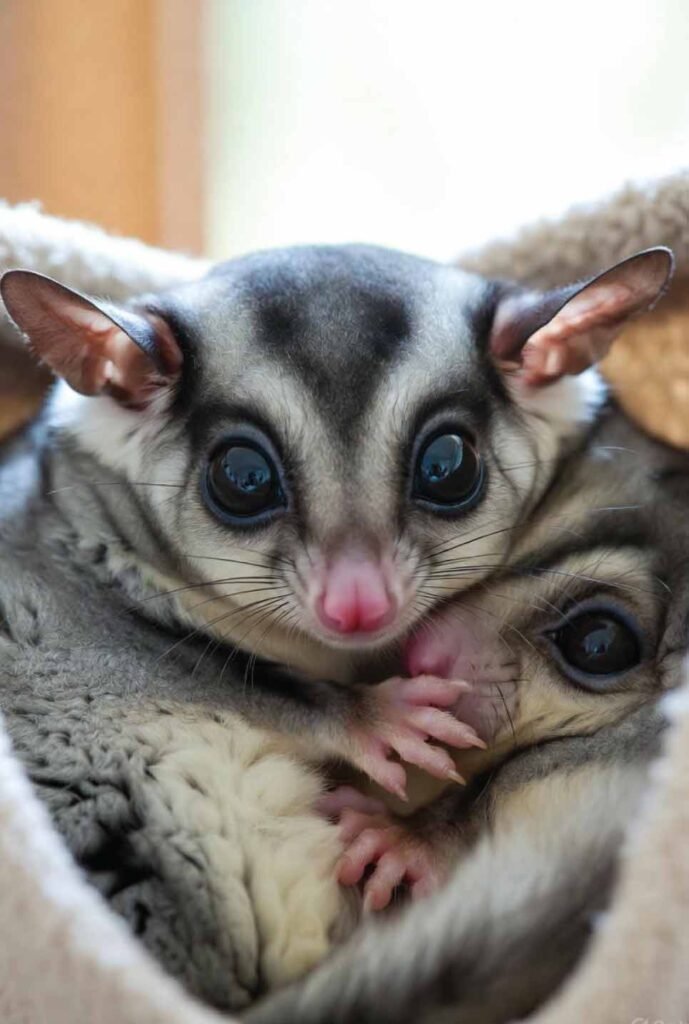
When sugar gliders accept someone into their colony, whether another glider or even a trusted human , they show it with gentle face grabbing and forehead rubbing. This is their affectionate way of scent-marking, saying: “You’re part of my family now.”
Managing Stress and Hormones
Because they are so emotionally driven, sugar gliders react strongly to stress, boredom, and hormonal changes. Without the right environment and social structure, they can develop serious behavioral problems.
Self-Mutilation Warning Sign
A lonely or stressed sugar glider may begin biting or scratching themselves, pulling out patches of fur, or repeatedly injuring one area. This behavior is not “acting out” , it’s a distress cry. Self-mutilation can lead to infection, pain, and long-term trauma.
This is also where good enrichment becomes crucial. Homemade Treats for Happy Small Mammals
Understanding the Male Scent Gland
Unneutered males naturally develop bald spots on their head and chest, these are scent glands, used for marking territory and colony members. They’re completely normal, but they also indicate the male is hormonally active.
Neutering Recommendation
Many experts recommend neutering male sugar gliders because intact males may be:
- More territorial
- More aggressive
- More prone to stress grooming or self-mutilation
- Harder to introduce to new colony members
A neutered male usually transitions more smoothly into group life and displays calmer social behavior overall.
Because sugar gliders are instinctively driven to sleep in close-knit groups, providing a shared, enclosed sleeping space is essential for their emotional well-being. In the wild, they pile together for warmth, safety, and reassurance, and that same instinct remains strong in captivity.
A soft communal pouch like the Exotic Nutrition Glider Face Pouch gives sugar gliders a secure place to sleep, cuddle, and bond. Made from gentle fleece with hidden seams, it helps reduce stress, supports healthy social behaviors, and creates a safe retreat where gliders can rest together during the day.
Specialized Husbandry: Detailed Care Protocols
Sugar gliders may groom themselves like tiny pros, but almost every other part of their care is wonderfully, and sometimes overwhelmingly, high maintenance. Because they are arboreal gliders, their environment must mimic trees, height, warmth, and complexity. In other words: if a hamster lives in a studio apartment, a sugar glider needs a three-story house.
Understanding the basics of housing, diet, and safety will help you create a living setup where your gliders can thrive, not just survive.
Housing Requirements (Prioritizing Height)
If there is one absolute truth about housing sugar gliders as pets, it’s this:
Height matters more than anything.
Sugar gliders spend most of their lives climbing, leaping, gliding, and hiding in high places. Ground-level living is unnatural and stressful for them.
Size and Height
The bare minimum enclosure for a pair of gliders is:
36” wide × 24” deep × 36” high, but this is considered modest. Bigger is always better. Aviaries and tall bird-style cages are widely recommended for their vertical space and climbing potential.
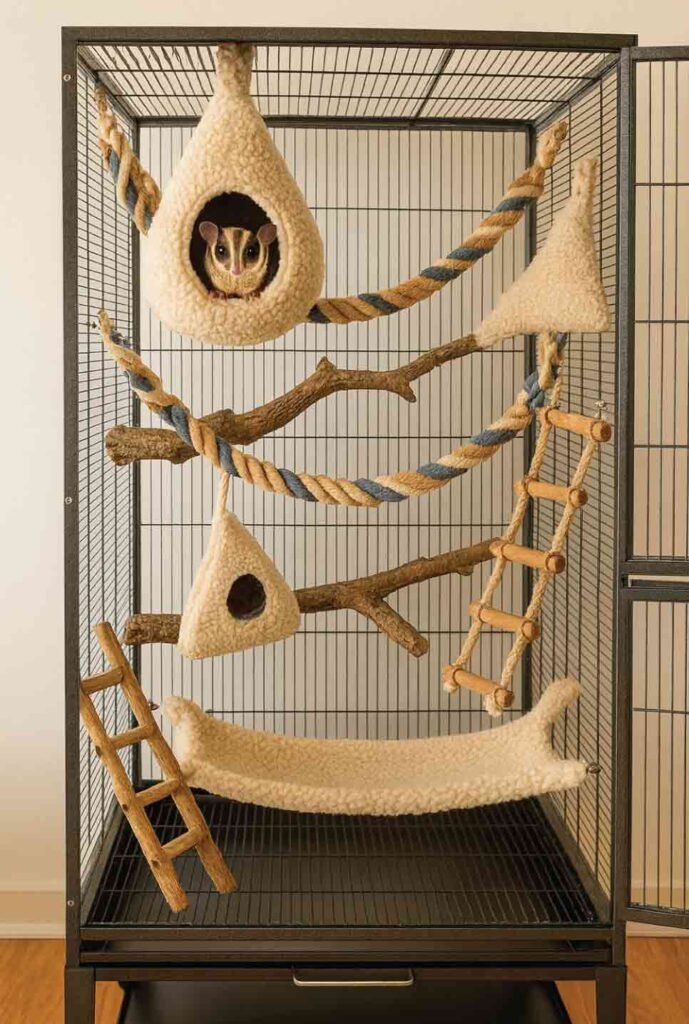
- Exotic Nutrition Madagascar Sugar Glider Cage: A tall, wrought-iron enclosure with multiple levels, ladders, and climbing opportunities that better reflect how gliders move and live in the wild. Perfect for 2–3 gliders who need vertical room to explore. The powder-coated finish helps prevent rust, and the wide front doors make cleaning and feeding easy.
- Exotic Nutrition Brisbane Sugar Glider Cage: Another excellent option for sugar gliders that provides generous vertical height and durability. It includes a removable floor grate, deep pull-out tray, strong metal frame that stands up to active jumpers and climbers and easy-access doors that make daily care and weekly cleaning far more manageable.
Safety and Security
Gliders are clever little escape artists. Cages must be:
- PVC-coated
- Securely latched
- Built with mesh openings no larger than ½ inch
Your glider will absolutely try to test the boundaries, and may even learn how to nudge open simple locks.
Enrichment and Accessories
The enclosure interior should resemble a vertical playground:
- Climbing ropes
- Ladders
- Shelves
- Branches
- Tunnels
- Hide boxes
- Sleeping pouches
The Safe Wheel
Exercise wheels are essential, but standard rodent wheels are dangerous.
Sugar gliders need:
- Solid running wheels
- No mesh
- No open bars
- No tail gaps
Their long tails can get caught, leading to severe injuries. A solid, enclosed wheel such as the Silent Runner 12″ PRO allows sugar gliders to run safely without the risk of tail injuries caused by traditional wire wheels.
Temperature Needs
Ideal temperature range: 75–90°F
Below 70°F can cause stress, lethargy, and even torpor.
They also require:
- At least one warm sleeping area close to 90°F
- Supplemental heat sources in cooler homes
The Complex Omnivorous Diet
Nutrition is one of the most misunderstood, and most critical , parts of sugar glider care. In captivity, diet-related issues are the leading cause of illness, metabolic disease, and long-term suffering.
Natural Diet
In the wild, gliders feast on:
- Nectar
- Sap
- Gum
- Honeydew
- Pollen
- Insects
- Seasonal plant material
Their diet varies throughout the year, depending on what nature provides.
Captive Diet Ratio
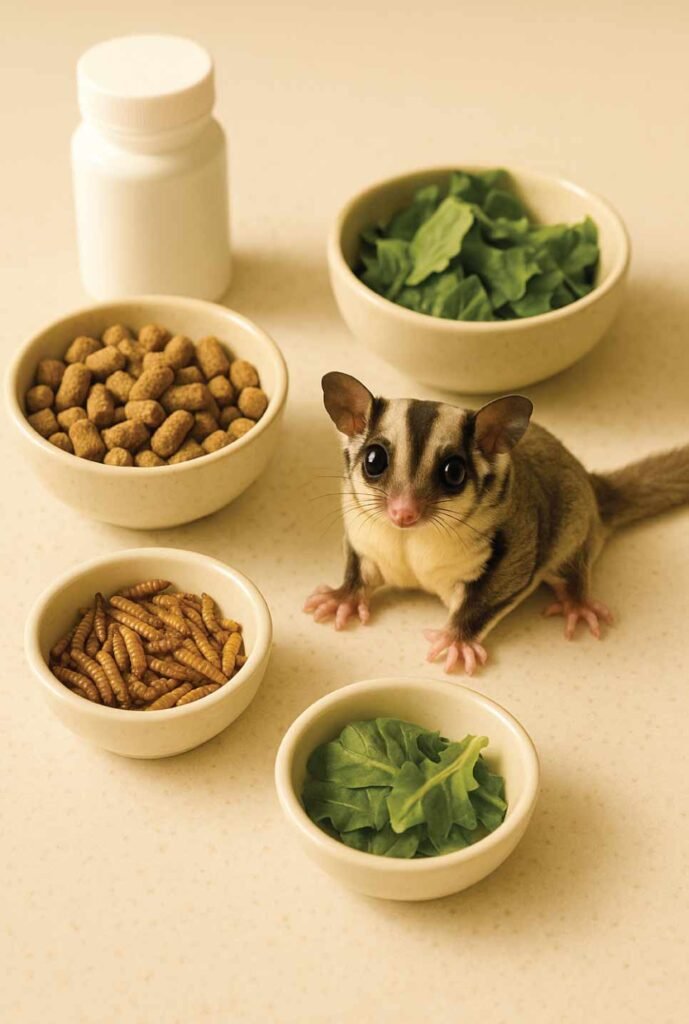
Most experts recommend dividing the daily diet into three parts:
- 50% commercial pellets
- 25% leafy greens
- 25% protein sources
(cooked egg, lean meat, gut-loaded insects)
A note about pellets: They are a helpful baseline but cannot meet all dietary needs alone. For the pellet portion of the diet, many experienced owners use ZooPro Glider Essential Sugar Glider Food, which is formulated specifically for sugar gliders and designed to support their unique nutritional needs as part of a balanced feeding plan.
Specialized Recipes
Because balancing calcium, protein, and nutrients is extremely difficult, many experienced owners follow structured diets such as:
- BML (Bourbon’s Modified Leadbeater) Diet
- TPG (The Pet Glider) Diet
- Wombaroo High Protein Supplement Diet
These diets are backed by years of owner success stories and exotic vet approval.
Supplementation
Sugar gliders require a positive calcium-to-phosphorus ratio.
A calcium-based multivitamin, sprinkled over food every other day, helps prevent metabolic bone disease.
To help maintain a healthy calcium-to-phosphorus ratio, a supplement like Glider-Cal can be lightly sprinkled over food every other day, supporting bone health and reducing the risk of metabolic bone disease.
Insect Preparation
When feeding crickets, mealworms, or waxworms:
- Gut-load them with nutritious foods for 24–48 hours.
- Dust them with a calcium supplement.
- Feed them in controlled quantities.
Dietary Dangers and Health Risks
While sugar gliders do have a sweet tooth, indulging it can cause severe and lifelong consequences.
Limit Sweets
Fruits and treats should not exceed 5–10% of the total diet.
Too much sweetness leads gliders to ignore nutrient-rich foods.
Obesity & Dental Disease
High-fat or high-sugar diets can cause:
- Obesity
- Liver disease
- Diabetes
- Arthritis
- Severe tooth decay
- Facial swelling
- Drooling
- Abscesses under the chin
Dental disease is extremely painful and requires exotic veterinary care.
Malnutrition & MBD (Metabolic Bone Disease)
Improper diet may lead to:
- Tremors
- Weakness
- Lameness
- Bone fractures
- Blindness
- Seizures
- Paralysis
These conditions are preventable with proper calcium balance.
Foods to Avoid Completely
Never feed:
- Chocolate
- Dairy
- Grapes
- Raisins
- Seeds
- Pits
- Cat food
- Dog food
These foods are toxic or nutritionally inappropriate.

Daily Life and Troubleshooting
Once you’ve mastered the fundamentals of caring for sugar gliders as pets, the next step is learning how to live with them day-to-day. These tiny nocturnal acrobats come with quirks, sounds, sleep cycles, and safety needs that may feel unusual at first, but with a little understanding, they become part of the rhythm of glider parenthood.
Managing Nocturnal Activity
Sugar gliders follow a schedule that is beautifully predictable, just not very human.
Night Owls by Nature
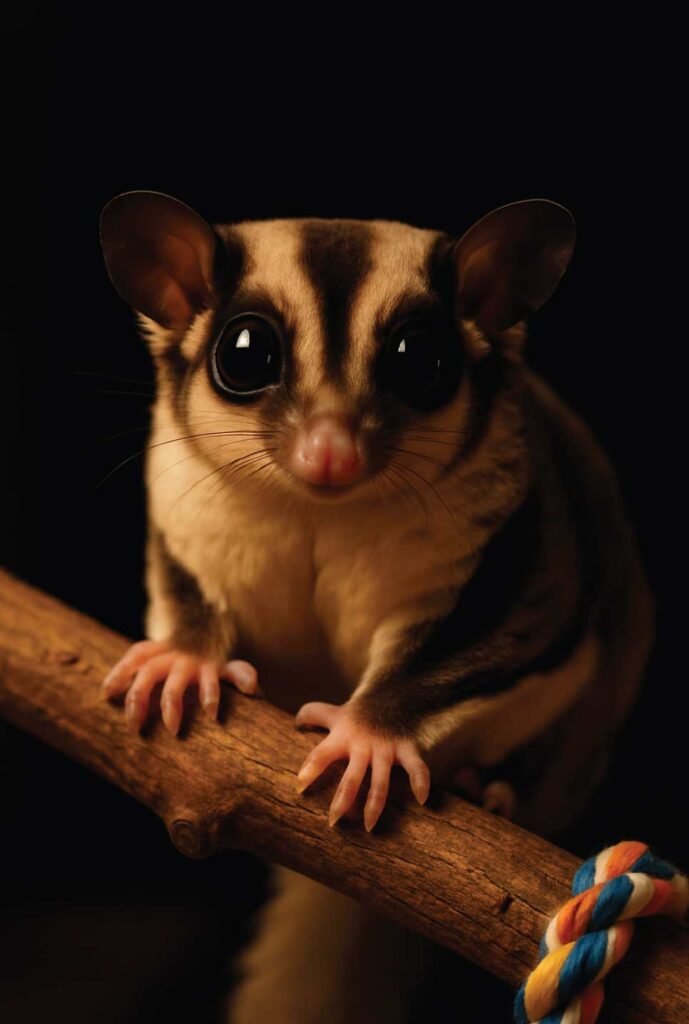
Sugar gliders spend most of their daylight hours curled up in their sleeping pouch. Once night falls, they burst into life:
- Playing
- Leaping
- Eating
- Grooming
- Socializing
- Exploring
This is when you’ll see most of their natural behaviors, especially colony communication.
Since sugar gliders are most active at night, enrichment tools like the Mobile Forager encourage natural foraging behaviors and help prevent boredom during their peak activity hours.
The Noise Factor
New owners are often surprised by how vocal sugar gliders are. They make:
- Crabbing sounds when frightened or defensive
- Barking when seeking attention (sounds similar to a tiny Chihuahua)
- Chattering and shrieking during play or colony squabbles
They are enthusiastically loud , especially between midnight and dawn.
The Right Interaction Times
The best bonding windows are:
- Early morning (before they fall fully asleep)
- Late afternoon/early evening (before full activity begins)
Trying to bond during peak night time hours usually results in frustrated humans and very excitable gliders.
Practical Odor and Cleanliness
Good news: despite the myths, sugar gliders are naturally clean animals. But their cage and environment do need consistent upkeep.
Self-Grooming Pros
Sugar gliders groom themselves regularly and take meticulous care of their fur.
They do not require:
- Water baths
- Dust baths
- Shampoo
(And these can actually harm them if done without veterinary instruction.)
Understanding Odor Sources
Most glider odor, especially from unneutered males, is diet-related. Feeding too much:
- Protein
- Insects
- Sugar
can make scent glands more active and intensify muskiness.
A balanced sugar glider diet helps greatly with odor control.
Cage Cleaning Schedule
For healthy gliders and a fresh-smelling home:
- Spot-clean daily (food dishes, water bottle, obvious messes)
- Deep-clean weekly (full cage, toys, pouches, branches, shelves)
- Safe Cleaning Methods
Cages should always be cleaned without gliders inside to avoid fumes.
Safe cleaning solutions include:
- Diluted vinegar
- Mild dish soap
- Diluted bleach (fully rinsed and aired out)
Never place gliders back into a damp or unventilated cage.
Safety and Handling
Sugar gliders are tiny, curious explorers, and that combination means pet parents must actively protect them from harm.
Gentle Handling Only
Never scruff a sugar glider or hold them by the tail.
The correct method is to:
- Place your hand gently over their back or chest
- Scoop from below with your other hand
Slow, steady movements build trust over time.
Understanding Biting
Well-socialized gliders rarely bite. When they do, it’s usually because they:
- Feel scared
- Are overstimulated
- Are protecting their territory
- Are warning you to stop
Their teeth work like tweezers , a firm pinch, not a deep bite. Listening to their “crabbing” warnings helps prevent bites.
Supervised Playtime
Outside the cage, gliders can:
- Launch into curtains
- Hide in houseplants
- Squeeze behind furniture
- Climb shelves
- Explore dangerous nooks
Always supervise free-range time.
Drowning & Burn Hazards
Never leave gliders near:
- Toilets
- Sinks
- Open tubs
- Mop buckets
- Hot stoves
- Space heaters
- Exposed bulbs
Their size and agility make household accidents easy.
Toxic Substances & Plants
Avoid exposure to:
- Cedar bedding (respiratory dangers)
- Scented cleaners
- Strong air fresheners
- Candles
- Pesticides
Toxic plants to keep away from gliders include:
Pine, cedar, oak, red maple, walnut, cherry, almond, laurel, apricot, avocado, nectarine, plum, peach, holly, azalea, mistletoe, catnip, rhubarb, sweet peas.
If you want inspiration for creating safe enrichment items, you’ll find helpful ideas in Caring for Small Mammals Made Easy.
Frequently Asked Questions About Sugar Gliders as Pets
No. Sugar gliders are not legal everywhere. Some states completely prohibit them, including California, Alaska, and Hawaii. Others require special permits. Always check state and city regulations before adopting a sugar glider.
All sugar gliders have a mild natural scent, but odor increases with poor diet, unneutered males, or infrequent cage cleaning. A balanced diet and weekly sanitation routine help keep odor under control.
It’s not recommended. Sugar gliders are nocturnal and very active at night. Their barking, crabbing, and nighttime play can keep owners awake. A dedicated animal-safe room or quiet area away from sleeping spaces works best.
No. Sugar gliders should never interact with predatory pets. Even supervised contact is dangerous because gliders are small, fragile, and easily stressed. They do best in a glider-only environment with their own bonded colony.
Sugar gliders are not ideal pets for young children. They are delicate, fast-moving, and prone to stress when mishandled. Older teens may participate in glider care, but adults should remain the primary caregivers.
Beyond the initial adoption fee, owners should expect ongoing expenses for a large vertical cage, specialized diet ingredients, enrichment toys, fleece pouches, and exotic veterinary care. Annual costs often exceed those of cats or dogs due to the need for specialty vets.
Listen to the Podcast: Sugar Gliders as Pets
Conclusion: Are You Ready for a Sugar Glider?
Sugar gliders may be tiny, but their needs certainly aren’t , and that’s what makes them so extraordinary. With their luminous eyes, gliding leaps, and endearing social rituals, sugar gliders as pets can form remarkably deep, lifelong bonds with the people who care for them. But they are not casual companions. They are exotic, highly social, emotionally complex animals who rely on us to recreate a small piece of their wild world at home.
Caring for a sugar glider means stepping into a long-term commitment , often 10 to 15 years , where your role is part caregiver, part chef, part environmental engineer, and part best friend. Their needs include:
- Mandatory companionship (never a solitary glider)
- A carefully structured omnivorous diet
- A large, vertical enclosure that supports climbing and exploration
- Daily socialization and bonding
- Specialized veterinary care
- Thoughtful enrichment to prevent stress and self-harm
These are not pets who fit into a quiet corner of your home. They need attention, interaction, and routine. They need you present, patient, and prepared.
But if you are genuinely ready to meet those needs , if you’ve checked your local laws, found an experienced exotic veterinarian, prepared their specialized habitat, and fully understand the costs, then the reward can be extraordinary. Sugar gliders are affectionate, intelligent, playful, and deeply social. When they trust you, they’ll curl up in your hands, groom your fingers, or peek out from a bonding pouch just to check where you are. To many dedicated owners, that bond is unlike anything they’ve experienced with other small exotic pets.
Most experts agree on one final point: adopt, don’t shop. Rescue organizations are full of sugar gliders who were surrendered by families unprepared for their care. These animals deserve experienced, compassionate homes where they can finally thrive. If you’re ready for that journey, adoption is the most ethical and impactful choice.
💛 Final Thoughts
If you’re still unsure whether a sugar glider is right for you, take your time. Research, reflect, and explore more guides designed for thoughtful small-pet parents. A good next stop is The 10 Best Small Mammals Breeds for Your Lifestyle, a gentle introduction to exotic-pet care and enrichment.
Caring for sugar gliders is a commitment of the heart. If you’re ready, they may reward you with trust, companionship, and a lifetime of tiny, joyful moments.