
At PetSweetJoy, we sometimes share products we truly love and use with our own pets. This post contains affiliate links, which means we may earn a small commission, at no extra cost to you. We only recommend products that fit our values of care, comfort, and responsible pet parenting.💗
Hello there, fellow guinea pig parent! If you’re anything like me, you’ve probably noticed that your little fluff balls have the appetites of tiny, adorable vacuum cleaners. They can make a pile of fresh veggies disappear faster than you can blink, and then stare up at you with those big, innocent eyes as if to say, “That was just the appetizer, right?”
While your cavies would likely eat everything, we place in front of them, possibly even the kitchen sink, that doesn’t mean we should let them. As loving pet parents, our job is to make sure those eager mouths get the right balance between healthy meals and fun, safe treats.
Treats aren’t just a luxury; they’re a way to keep your guinea pigs curious, content, and mentally stimulated. When chosen wisely, a tiny snack becomes a powerful enrichment tool that helps build trust and strengthens your bond. I’ve seen this firsthand, one of my rescues used to be shy and nervous, but the moment she realized that my hand meant a tiny piece of bell pepper or a dried chamomile flower, she started greeting me with cheerful squeaks every morning.
The good news? A guinea pig treat doesn’t have to be unhealthy to be special. It just needs to feel like an experience, a new flavor, a crunchy texture, or even a fun way to forage. And if you’re setting up a cozy, enriching space for treat time, take a look at our post on Unique Guinea Pig Cage Ideas. It’s full of creative ways to make their environment just as rewarding as their menu.
In this guide, we’ll explore how to choose safe treats for guinea pigs that fit perfectly into a balanced diet. From healthy snacks and fresh veggies to foraging herbs and bonding tips, you’ll learn how to make every nibble both joyful and nutritious, because when your piggies thrive, your heart does too.
Why Your Guinea Pig’s Treat Bowl Requires Rules
Guinea pigs may look like little eating machines, but beneath that endless enthusiasm for food lies a surprisingly delicate digestive system. They are strict herbivores, which means every bite they take must come from plant-based sources, no shortcuts, no exceptions. Their bodies are built for constant grazing, not snacking on sugary or processed foods. That’s why every handful of hay, every crunchy veggie, and every little treat matters more than you might think.
When we introduce snacks, it’s not about generosity, it’s about balance. Their digestion depends on a very specific rhythm: hay keeps everything moving, greens bring vitamins and hydration, and treats are like the sprinkles on top, fun, exciting, but only in moderation. Too many treats, and your guinea pigs might miss out on the fiber that keeps their digestive system running smoothly.
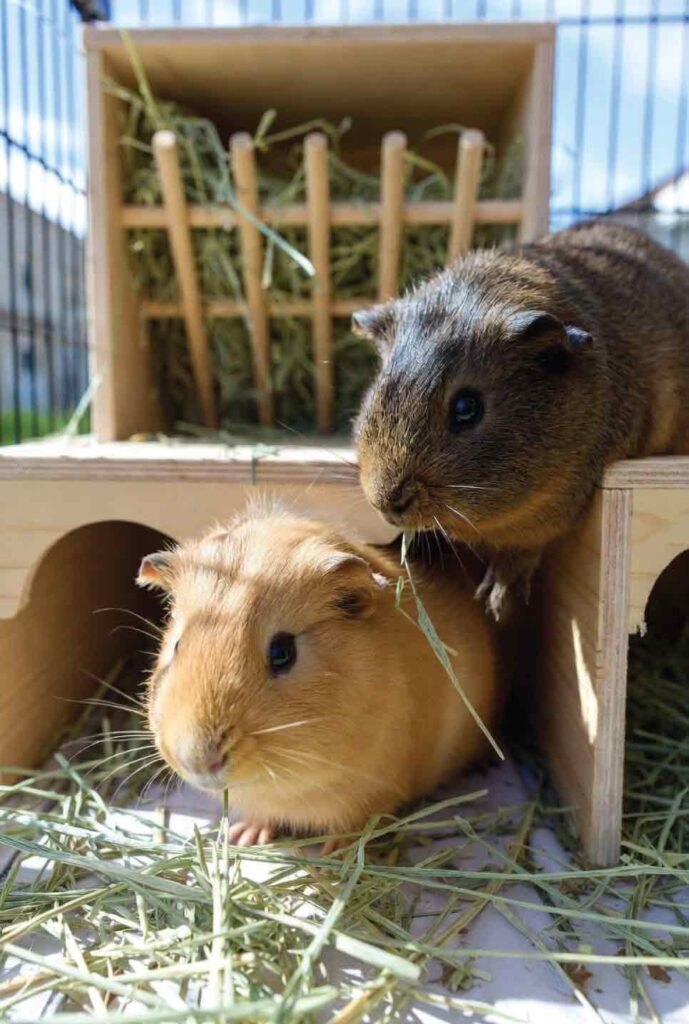
Let’s make it simple with the classic 80–15–5 Rule , the foundation of a healthy guinea pig diet:
- 80–90% Unlimited Hay and Grass: Their main source of fiber. It keeps the gut active and helps wear down ever-growing teeth.
- 15% Fresh Vegetables and Greens: A cup per pig per day brings essential vitamins, minerals, and flavor variety.
- 5–10% Occasional Treats: This tiny slice includes fruits, hay-based chews, or higher-calorie snacks like pea flakes.
Think of treats as enrichment rather than indulgence, moments of joy that also serve a purpose. When used mindfully, treats can help shy piggies come out of their shells or add variety to daily routines.
Keep your guinea pigs’ digestion running smoothly with KayTee Timothy Hay a fiber-rich essential that supports both gut health and natural chewing behavior.
And if you ever wonder how much is “too much,” the RSPCA guinea pig care guide offers practical examples of safe daily feeding amounts to keep your cavies thriving.
Nutritional Essentials and Treat Moderation
When it comes to guinea pig nutrition, two essentials stand tall above all others: fiber and Vitamin C. These two nutrients are the cornerstones of your guinea pig’s health and longevity. You can think of them as the “dynamic duo” of cavy wellness, fiber keeps their digestive system in constant motion, while Vitamin C keeps every cell strong and thriving. Without either one, things can go downhill quickly.
🥦 The Crucial Role of Vitamin C (A Daily Must-Have)
Here’s something that surprises many new pet parents: guinea pigs can’t make their own Vitamin C. Just like humans, they rely entirely on their diet for this nutrient. Without enough, they can develop scurvy, yes, the same illness sailors once got, leading to swollen joints, rough fur, and painful mobility issues.
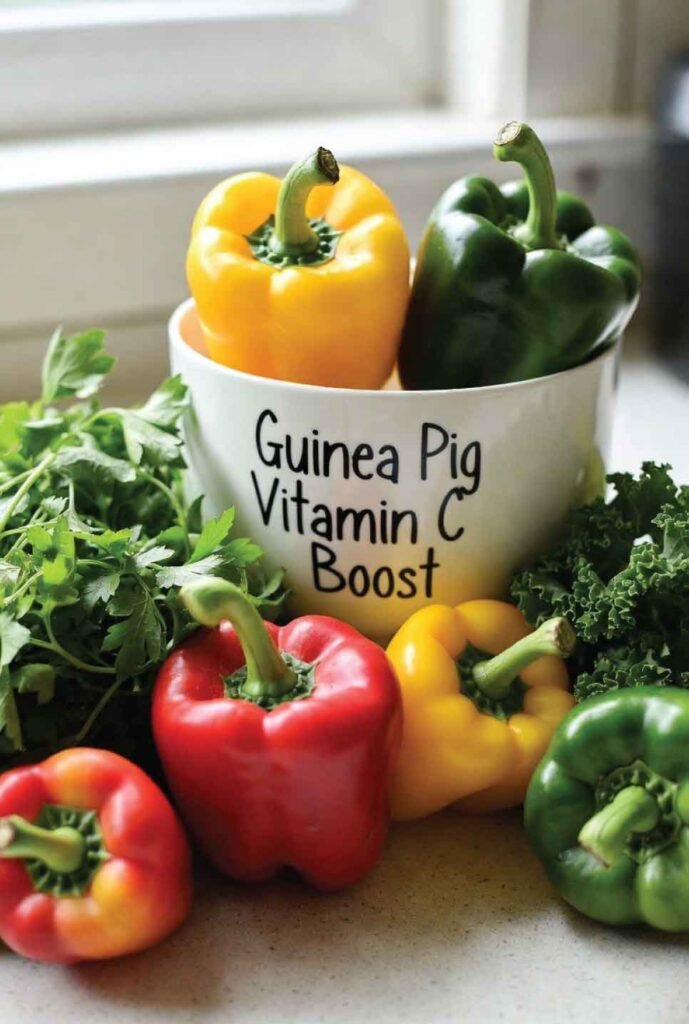
That’s why fresh vegetables and greens aren’t optional, they’re vital. Offer daily portions of high–Vitamin C foods like:
- Bell peppers (red, orange, or yellow varieties are especially rich)
- Parsley, kale, or broccoli florets (in moderation)
- Dandelion greens and cilantro
For busy pet parents, a balanced Vitamin C supplement or treat blend can make daily feeding routines easier. These can be mixed into pellets or sprinkled lightly on veggies, just remember, supplements in water bottles often lose potency when exposed to light and can alter the taste, discouraging your piggies from drinking.
According to the PetMD guide on guinea pig diet, an adult guinea pig typically needs around 10–30 mg of Vitamin C per day, depending on age, size, and health status.
Wear Your Piggy Love on Your Sleeve! 🐹 Check out our vintage small pet collection:
- Small Pet T-Shirts
Guinea Pig T-Shirt | Vintage Guinea Pig Graphic Tee | Round Loud Small Pet Lover Gift
$ 29,99 – $ 33,99Price range: $ 29,99 through $ 33,99 Select options This product has multiple variants. The options may be chosen on the product page - Small Pet T-Shirts
Holland Lop T-Shirt | Vintage Rabbit Graphic Tee | Soft Curious Bunny Lover Gift
$ 29,99 – $ 33,99Price range: $ 29,99 through $ 33,99 Select options This product has multiple variants. The options may be chosen on the product page

🍀 The Moderation Mandate: Treats with a Purpose
Even natural, healthy treats must be given with care. The trick is to focus on variety and engagement without going overboard. Think of treats as interactive nutrition, ways to add excitement and connection to their day.
Here’s a simple breakdown to follow:
- Daily Treats (Gentle Enrichment): Safe herbs, forage mixes, and high-fiber chews can be offered in small amounts daily. They mimic foraging and keep teeth busy.
- Weekly Treats (Sugar Awareness): Foods higher in natural sugar, such as fruit or calorie-dense snacks, should be limited to two or three small servings per week, like a slice of banana or a thin apple wedge per pig.
If your guinea pigs are food enthusiasts (and let’s be honest, they always are), rotate their snacks so every day feels new. You’ll reduce boredom and prevent overeating at the same time.
💡 Expert Tip: Introduce Slowly, Always
Guinea pigs don’t handle sudden dietary changes well. When adding a new treat or veggie, introduce it gradually over two to four weeks in tiny portions. This helps their gut bacteria adjust and prevents digestive upsets, because when a guinea pig stops eating, even for a few hours, it can become a serious emergency.
Consistency, patience, and observation will go further than any fancy product. And remember, the best treats are the ones that keep your cavies both happy and healthy.
Best Natural Treats: Vegetables, Herbs, and Forage
When it comes to safe treats for guinea pigs, nothing beats nature’s own pantry. The best, healthiest, and most exciting snacks are always going to be vegetables and plants that mirror what they’d forage for in the wild. Not only do they provide vitamins and fiber, but they also keep your cavies curious, busy, and joyfully munching throughout the day.
Affiliate Pick: Try the Veggie Blend makes it easy to add variety to your Guinea Pig diet! The nutritious blend of green and yellow pea flakes, carrots, and sweet potato can be sprinkled on top of the regular diet, or placed in a foraging toy to increase exercise and encourage mental stimulation a safe, it is a fiber-rich way to satisfy their constant curiosity without excess sugar.
🥬 A. Vegetables: The Everyday Heroes
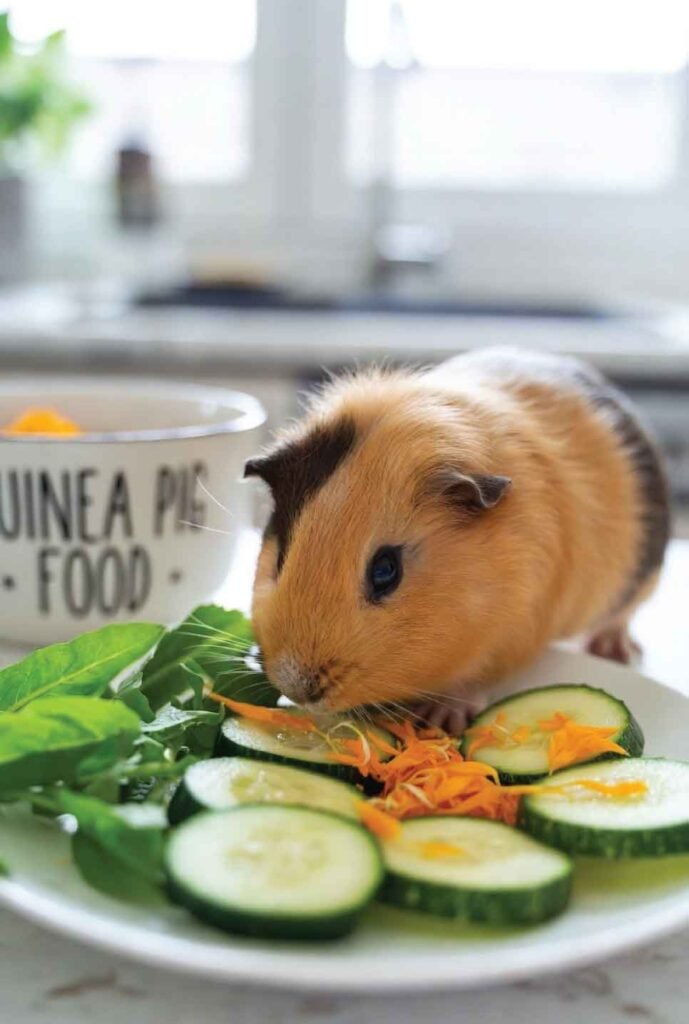
Vegetables are the heart of your guinea pig’s fresh food menu, essential daily nutrition disguised as treats. Each crisp bite supports digestion, hydration, and that playful sparkle you see when they wheek for more.
Veterinary Tip:
Aim for about one cup of mixed vegetables and greens per guinea pig each day. According to the Humane Society’s guinea pig care guide, variety helps cover a wide range of nutrients and keeps their diet engaging.
Variety is everything. Offer five to six different types of vegetables daily, switching things up so your pets never get bored. Think of it as building a mini salad bar for them!
Safe Veggies to Rotate:
- Beet greens and beetroot (in small portions)
- Celery (thinly sliced to prevent choking)
- Collard greens, Swiss chard, and turnip tops
- Brussels sprouts, parsley, and cauliflower leaves
- Hydrating options like cucumber and zucchini (courgette)
Affiliate Pick: Keep veggies fresh and organized with the Fruit & Veggie Basket is the perfect foraging container for all small animals. Comes filled with non-toxic, multi-colored, fun crinkle-cut paper. Can be provided as-is for nesting material and enrichment or removed and filled with fresh treats.
If you enjoy DIY approaches, check out our article on Homemade Treats for Happy Small Mammals for creative veggie-based snack ideas your cavies will adore.
🌿 B. Herbs and Forage: Mimicking the Wild
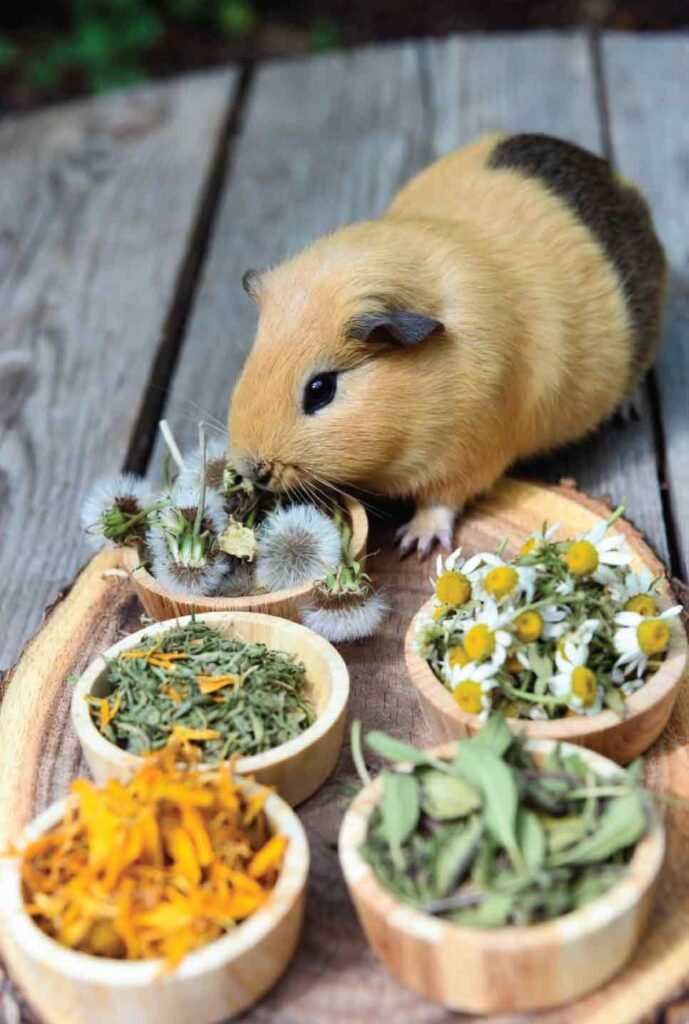
In the wild, guinea pigs spend hours exploring and nibbling through leaves, herbs, and flowers. Recreating this foraging experience at home keeps them mentally sharp and naturally satisfied.
Safe and Nutritious Herbs and Flowers:
Chickweed, Coltsfoot, Dandelion, Clover, Mallow, Marigold, Nasturtium, Plantain, Yarrow, Cilantro (Coriander), Parsley, Basil, Mint, and fresh grass.
You can even mix a few into hay piles for a fun “treasure hunt.” This encourages natural foraging and movement, especially for indoor piggies who need extra stimulation.
Affiliate Pick: For convenience, try the Salad Essentials contains an aromatic blend of 14 carefully selected nutritious ingredients including beneficial marigold, dandelion and peppermint, a beautiful blend of dried flowers and herbs that mimics natural grazing while supporting digestion and stress relief.
Safety Tip: If you’re gathering plants outdoors, make absolutely sure they’re non-toxic and free from pesticides. Avoid picking near roadsides or dog-walking areas to prevent contamination.
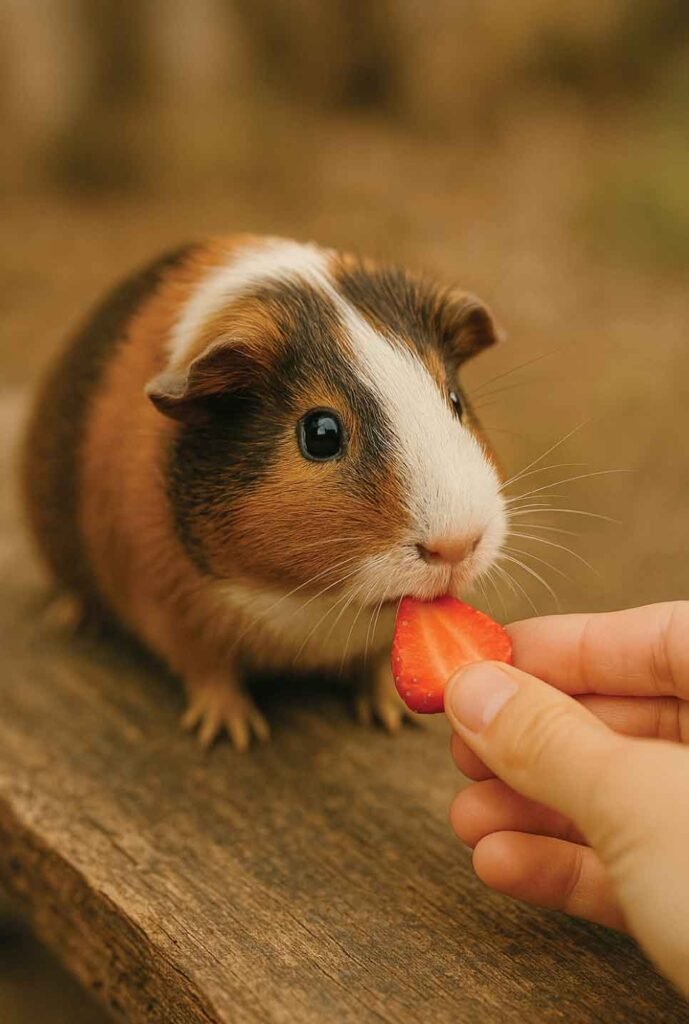
🍓 C. Fruits: Sweet Moments in Moderation
Let’s face it, guinea pigs love fruit. It’s sweet, juicy, and makes them wheek with excitement. But fruit is like dessert: a small joy, not a daily habit.
Offer fruits only two to three times per week and in tiny portions. Each serving should be no larger than your thumb nail. Overdoing fruit can lead to weight gain and digestive upset.
Safe Fruit Options (Always Seed-Free):
Apples (no seeds), berries (strawberry, raspberry, blueberry), grapes (seedless), kiwi, melon, watermelon, banana (yes, even the peel if washed), pear, and plum (without pit).
Pro Tip: Slice fruit into small, bite-sized chunks to prevent choking. You can even freeze thin slices on warm days for a refreshing summer snack.
For more inspiration on creative, nutritious snack ideas, explore our enrichment and feeding guides under Caring for Small Mammals Made Easy, perfect for turning every treat into a moment of learning and love.
Targeted Health, Enrichment, and Bonding Treats
Treats don’t just fill bellies, they can transform how your guinea pig feels, behaves, and connects with you. The right snack can calm an anxious cavy, boost their immune system, or simply create those tiny moments of trust that melt your heart. Every nibble is an opportunity to support their body and their spirit.
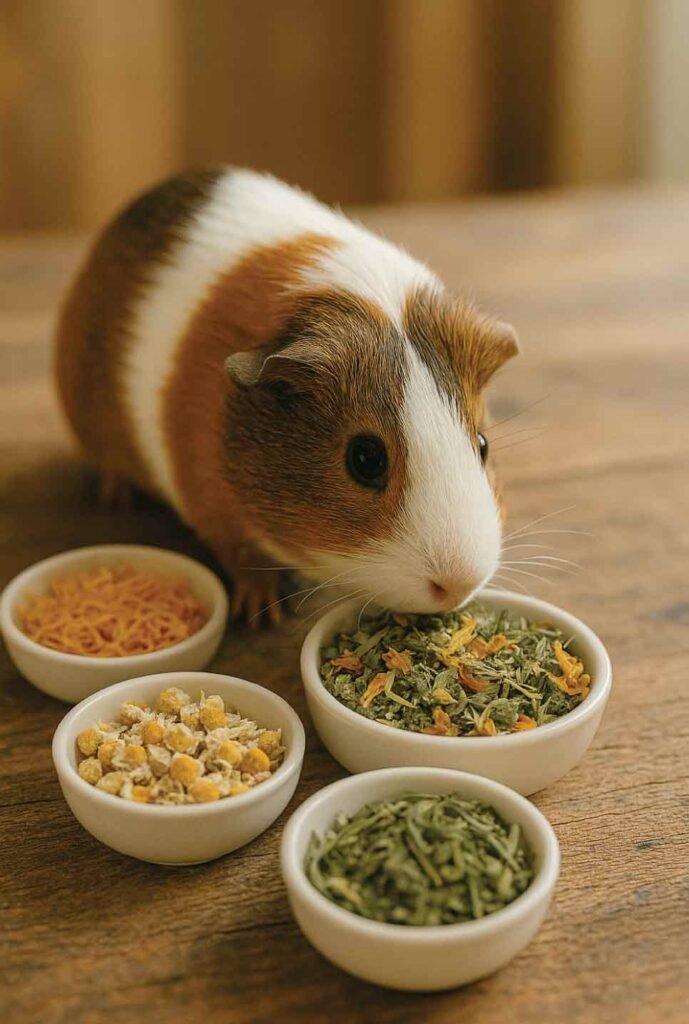
🌼 A. Specialized Treats for Health and Support (Expert Insight)
Some natural plants do more than satisfy taste buds, they act as gentle remedies that can help maintain balance in your guinea pig’s body. By adding these specific herbs and flowers to their diet, you can support their natural defenses, ease stress, and even encourage picky eaters to enjoy their meals again.
| Health Focus | Recommended Treat | Frequency | Benefit |
|---|---|---|---|
| Anxiety & Stress | Chamomile | Up to 1 tablespoon/day | Soothes anxiety, promotes relaxation, and supports restful sleep |
| Digestion & Immunity | Dandelion Leaf | Up to 3x per week | Aids digestion, helps prevent constipation, and adds healthy fiber |
| Low Appetite | Marigold | Up to 2x per week | Encourages eating and offers mild anti-inflammatory properties |
| Urinary/Kidney Support | Raspberry Leaf | Up to 3x per week | Helps maintain bladder and kidney health, reducing stone risk |
| Immune System | Rose Hips | Up to 2x per week | Provides Vitamin C and iron for strong immunity and joint care |
All of these can be offered as dried herbs or fresh cuttings. You can mix them with hay or sprinkle them over their regular veggies for a natural wellness boost.
Add a pop of variety with Dandelion Delicacy contains a nutritious blend of 5 carefully selected tasty ingredients including beneficial dandelion greens a gentle, fiber-packed herbal snack that helps support digestion and mimics natural foraging.
For more guidance on safe herbs, check out the RSPCA’s guinea pig diet and health guide for professional recommendations.
🟢 B. Pea Flakes: The Ultimate Bonding Snack
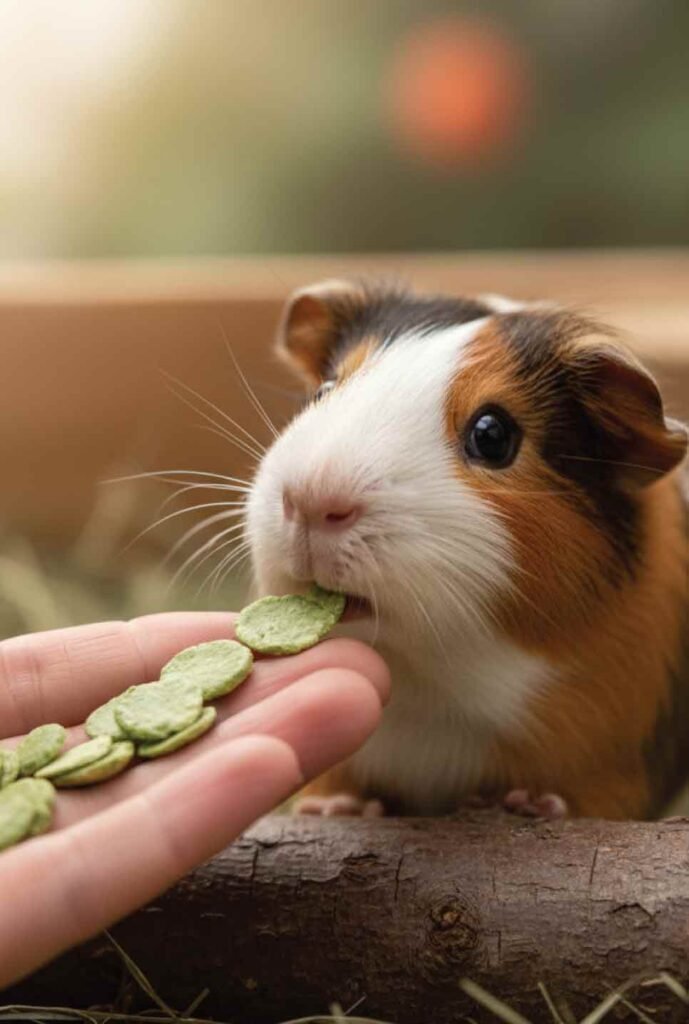
If there’s one treat that makes every guinea pig’s heart skip a beat, it’s pea flakes. These tiny, crunchy bites are like magic when it comes to taming shy or new piggies. Even the most cautious cavy can’t resist their charm!
Pea flakes are rich in protein, which is beneficial for guinea pigs recovering from illness, nursing mothers, or underweight pets. But remember, they’re calorie-dense, so moderation is key. A few flakes per day are more than enough.
Affiliate Pick: Try the Green Pea Flakes a favorite bonding snack among guinea pig parents. Use sparingly (just a few per day) for training or gentle hand-feeding moments. They make a perfect training reward. Offer one from your hand, and watch trust grow one crunch at a time.
💛 C. Enrichment and Training with Treats
Guinea pigs are clever and curious, which makes treat-based training both fun and rewarding. Using positive reinforcement, tiny, healthy bites, you can teach them simple behaviors like coming when called or stepping onto your hand. It’s not only adorable but also helps them feel safe in your presence.
Training Tip: Choose low-sugar treats like bell pepper or romaine lettuce instead of fruit. This way, you can reward often without worrying about excess calories.
And for mental enrichment, let’s get creative!
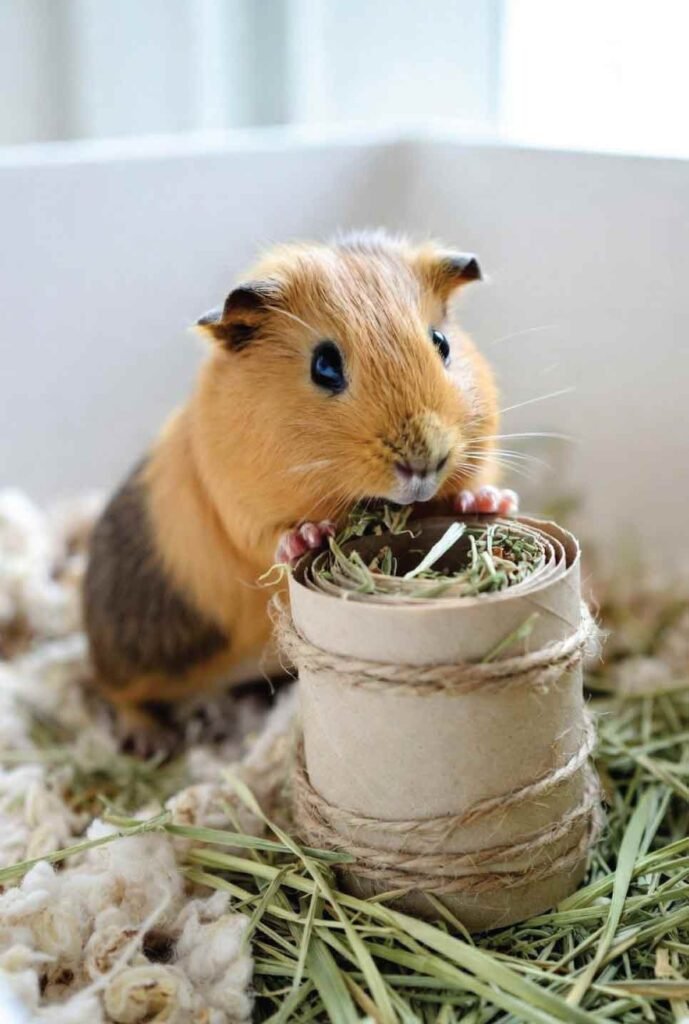
- Stuffed Hay Rolls: Pack an empty toilet paper roll with hay and sprinkle dried herbs like parsley or cilantro inside.
- Veggie Kebabs: Thread slices of cucumber, bell pepper, and carrot on a wooden skewer and hang it in the cage.
- Frozen Fruit Pops: Blend safe fruits with water, freeze in an ice cube tray, and offer one cube on hot days.
- Cucumber Boats: Scoop out cucumber halves and fill them with chopped veggies for a hydrating summer snack.
Rotate fun chew options like Munchers Marigold & Timothy Chew Balls they combine healthy herbs and timothy hay to keep your guinea pigs busy and satisfied. They make an excellent tool to turn snack time into a little adventure, encouraging natural foraging behavior.
Critical Warnings: Treats to Avoid Completely
If guinea pigs had it their way, they’d probably try to nibble on everything in sight, from your houseplants to your shoelaces. But their curious nature can sometimes get them into trouble. Because their digestive systems are so delicate, certain foods that seem harmless can actually make them very sick, or even be toxic.
Knowing what to avoid is just as important as knowing what’s safe. Let’s look at the biggest “no-go” items that every guinea pig parent should keep off the menu.
🚫 A. The Absolute No-Gos (Toxins and Indigestible Ingredients)
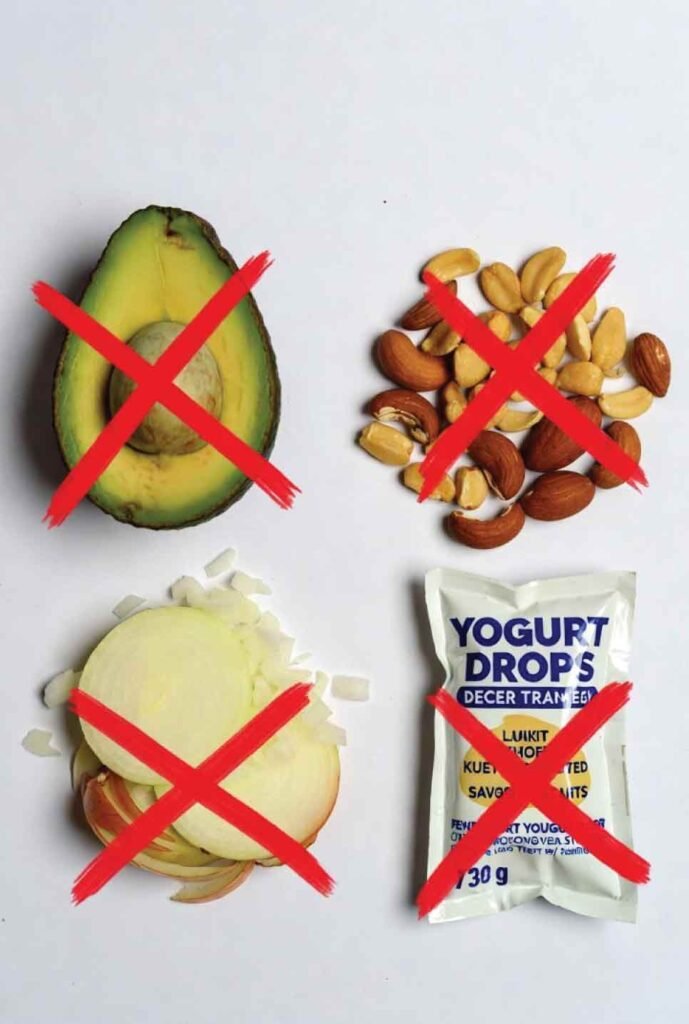
Next time you stroll through the pet store, you’ll notice a rainbow of treats labeled “small pet favorites.” Unfortunately, many of these brightly packaged snacks are anything but healthy. Some contain dairy, artificial colors, or sticky sweeteners that your guinea pig’s body simply can’t handle.
- Dairy Products (The Big Warning): Yogurt drops, milk-based biscuits, and egg-containing treats are marketed as “cute” indulgences, but they’re unsafe. Guinea pigs are strict herbivores and lack the enzymes to digest lactose. Dairy can lead to painful bloating, diarrhea, and long-term gut issues.
- Processed/Sugary Treats: Honey sticks and fruit-glued “cookie-style” treats are packed with sugar and starch. These can cause obesity, tooth decay, and dangerous gut imbalances.
- Nuts and Seeds: These may seem harmless, but they’re not designed for a guinea pig’s tiny throat or sensitive digestive system. Aside from being high in fat, seeds can also pose serious choking hazards.
Affiliate Pick: Instead of commercial snacks, choose natural chews like the Apple Sticks, Plum Tree Sticks, and a Willow Bundle, safe for gnawing, all-natural, and perfect for maintaining healthy teeth.
🌿 B. Toxic Plants and Vegetables
Even some household vegetables and garden favorites can be harmful. It’s easy to assume that “natural” means “safe,” but guinea pigs process foods differently from us.
Avoid these completely:
- Toxic Root Vegetables & Alliums: Potatoes (and skins), onions, garlic, and chives, all cause digestive distress or toxicity.
- Dangerous Leaves: Rhubarb leaves, tomato vines, and stems are toxic, even though ripe tomato fruit is perfectly safe.
- Low-Value Greens: Iceberg lettuce seems innocent, but it contains high water and nitrate levels with little nutrition. It often causes diarrhea and dehydration.
- Other Risky Items: Chili peppers, mushrooms, and avocado should never make an appearance in your guinea pig’s food bowl.
When in doubt, double-check with reliable resources like the PetMD guinea pig diet guide or your trusted exotic veterinarian before introducing anything new.
🪵 C. Unsafe Chews
Guinea pigs’ teeth never stop growing, so chewing isn’t just fun, it’s essential. But not all wooden chews are created equal.
Avoid any chemically treated wood, painted surfaces, or softwoods that can splinter easily. Stick to safe, natural options like apple wood, willow, or untreated pine specifically labeled for small animals.
Affiliate Pick: For a safe and satisfying chew, try Apple Sticks all-natural wood that helps maintain dental health while giving your cavies something fun to gnaw. This is an excellent alternative, providing safe chewing and mental enrichment in one go.
Staying informed about what’s off-limits doesn’t mean treat time has to be boring, it simply means every bite your guinea pig enjoys will be safe, nutritious, and filled with love. 💚
Frequently Asked Questions About Safe Treats for Guinea Pigs
Yes, but choose plain, high-fiber pellets without added seeds, dried fruit, or colored bits. Pellets should supplement hay and vegetables, not replace them. Around 1/8 cup per guinea pig daily is plenty. Look for fortified options with stabilized Vitamin C and avoid those with added sugars.
Homemade treats can be wonderful if you use safe, plant-based ingredients. You can blend oats, mashed vegetables (like carrot or pumpkin), and a touch of hay dust to form small bites. Avoid honey, flour, and dairy. For ideas, visit Homemade Treats for Happy Small Mammals.
Yes, but only if it’s pesticide-free and never treated with fertilizers or herbicides. Introduce grass gradually, especially in spring when it’s rich and fresh. Always rinse it first. Avoid grass clippings from lawnmowers, as they ferment quickly and can upset digestion.
No, guinea pigs get enough minerals from a balanced diet of hay, pellets, and vegetables. Salt licks and mineral blocks can actually cause excess mineral intake, leading to urinary issues. Instead, focus on variety and hydration.
Keep treats in an airtight container, away from moisture and sunlight. Dried herbs, forage mixes, and pellets last longest when stored in a cool, dark place. Fresh veggies should be refrigerated and used within 48 hours for best nutrition.
No, human foods like bread, cereal, chips, or crackers are high in salt and carbohydrates, which guinea pigs can’t process. Stick to hay-based chews, fresh vegetables, or natural products such as Timothy Rings as a safe alternative.
Listen to the Podcast: Safe Treats for Guinea Pigs
Conclusion: Monitoring Health and Long-Term Wellness
At the heart of every happy guinea pig is a pet parent who chooses wisely. Treats aren’t just snacks, they’re small investments in your guinea pig’s health, joy, and trust. When you choose natural, low-sugar, fiber-rich options, you’re not only feeding their bodies but nurturing their spirit and curiosity too.
🩺 A. Best Practice: Monitoring Health
Guinea pigs are prey animals, which means they instinctively hide signs of weakness or discomfort. Even attentive owners can miss the early indicators of illness if they rely only on visual cues. That’s why observation and routine health checks are essential parts of caring for your furry companions.
Here’s what you can do:
- Weigh Your Piggies Weekly: Use a kitchen scale to track each guinea pig’s weight consistently. A sudden drop can signal illness or dental problems, while steady weight gain may mean they’re getting too many pellets or treats.
- Add healthy variety with Herbivore Treat Assortment, contains three of our most popular treats for herbivores (plant eaters) combined into one fantastic assortment a ready-to-serve, mix of guinea pig-safe vegetables and herbs for easy, nutritious mealtime enrichment.
- Observe Daily Behavior: Notice how they interact, eat, and move. Changes in appetite, posture, or energy levels can reveal health issues early.
- Check Their Teeth and Fur: Overgrown teeth or patchy fur may signal dietary imbalances or Vitamin C deficiency.
Even subtle shifts can be meaningful, so staying alert helps prevent small issues from becoming big ones.
🥦 B. Addressing Special Dietary Concerns
Most healthy guinea pigs thrive on a balanced diet of hay, vegetables, and safe treats, but each pig is unique. Some may have health conditions that require a little extra attention, especially when it comes to calcium and protein intake.
- Calcium Concerns: While calcium is necessary, too much can contribute to urinary stones. If your guinea pig is prone to bladder issues, keep high-calcium herbs like parsley or kale in moderation. A vet can recommend the right balance based on your pig’s history.
- Supplements for Recovery: Guinea pigs that are underweight, nursing, or recovering from illness can benefit from higher-calorie treats, just in moderation. Pea flakes are a wonderful support in such cases, but daily hay and vegetables should still be the main focus.
For detailed nutritional guidance, consult trusted sources like the PetMD guinea pig care overview or an experienced exotic veterinarian who understands small-animal needs.
💚 C. Final Thoughts on Responsible Ownership
At PetSweetJoy, we’ve learned through years of multi-species care that love and consistency make all the difference. Treats aren’t about spoiling your pets, they’re about connection, learning, and joy.
When you follow the golden rules, unlimited hay, daily fresh vegetables, and occasional healthy treats, you’re giving your guinea pigs exactly what they need for a long, happy life.
Remember, every nibble is a chance to strengthen your bond. Whether it’s sharing a tiny slice of cucumber or offering a crunchy herb mix, what matters most is your time and attention.
If you ever feel uncertain about your piggies’ diet, health, or treat choices, reach out to your vet. Responsible ownership means never stopping your learning journey, and your cavies will thank you with every happy squeak.
💌 Explore More Small Pet Guides:
Looking for more ideas to enrich your pets’ lives? Check out our full section on Caring for Small Mammals Made Easy and Homemade Treats for Happy Small Mammals.
And don’t forget to subscribe to the PetSweetJoy newsletter for weekly tips, heartwarming stories, and product recommendations designed to keep your furry family healthy and joyful.
Happy snacking to your Guinea Gang! 🐹💚