
Discover the charm of the most popular exotic pet birds! There’s something magical about exotic birds. You notice it the moment one tilts their head at you, fluffs their feathers, or lets out a curious little chirp as if they’re saying, “Hey, I see you.” These wonderfully expressive animals may come in every color imaginable, but it’s their personalities, playful, clever, sometimes a little mischievous, that make them so unforgettable.
If you’re exploring the world of popular exotic birds, you’re probably picturing bright macaws, gentle cockatiels, cheerful budgies, or maybe even the famously brainy African grey. Each of them brings a different kind of joy into a home. Some may learn to mimic your laugh, others may whistle whenever you walk into the room, and a few may quietly sit nearby just to be part of your day.
Listen to the Podcast: Most Popular Exotic Pet Birds
Introduction
People often think exotic birds are “just pretty to look at,” but they may offer much more than that. Many of them can learn simple words, solve little puzzles, and bond deeply with their humans in a way that feels surprisingly tender. For first-time bird parents, especially those searching for guidance beyond the typical pet store advice, it can be comforting to know that these birds may form relationships as meaningful as any dog or cat.
Here at PetSweetJoy, we’ve always believed that every animal deserves a loving, stable home (a belief rooted in our own adoption philosophy). And birds, with all their little quirks and sensitivities, often thrive best with someone who takes the time to understand them. If you’re curious about which species may fit naturally into your lifestyle, or which ones are often recommended for beginners, it may help to explore guides like Best Pet Birds for Beginners or Pet Birds That Talk.
For now, let’s take a gentle and exciting look at seven of the most popular exotic birds, the colorful companions who may brighten not just your home, but your everyday life as well.
Importance of Selecting the Right Exotic Bird Breed
Choosing one of the popular exotic birds isn’t just about falling in love with gorgeous feathers (though that part is pretty irresistible). It’s also about making sure the bird you bring home feels safe, comfortable, and understood. Every species has its own rhythm and needs, some birds fit beautifully into a busy family home, while others may need hours of social time each day. A little reflection now can save a lot of stress later, for both you and your new companion.
If you’re still figuring out where to start, resources like Exploring exotic pet birds can help you get a clearer picture of what different species may need.
Below are a few gentle questions to ask yourself before choosing your bird:
and choosing the right breed involves careful consideration of your lifestyle, living space, and personal preferences to ensure a harmonious environment for both you and your feathered friend.
1. Your Lifestyle
Not all birds want the same amount of attention, and that’s okay.
If you have a full work schedule or travel often, smaller and more independent birds like budgies or parakeets, may be a better match.
If you have plenty of time and enjoy hands-on bonding, larger birds such as cockatoos or Amazon parrots may love being part of your daily activities.
It can help to imagine what a typical day in your home looks like and how much interaction you realistically enjoy.
2. Your Living Space
Birds need room to stretch, flap, climb, and explore, even the tiny ones.
Apartment or small home? Budgies, canaries, or finches may feel more comfortable.
Larger spaces? Birds like macaws or cockatoos may appreciate the extra room to move, especially during out-of-cage time.
Think of it like choosing a home for a houseguest who never wants to feel cramped.
3. Your Preferences
What kind of companion do you picture?
Do you enjoy chatty birds who may mimic sounds or speech?
Or do you prefer softer, melodic songbirds?
Are you drawn to large, colorful parrots or gentle, smaller species?
Your personal taste matters, your bird will share your home for many years.
4. Your Experience Level
Some species are wonderfully forgiving for beginners, while others may require a little more confidence.
Budgies, cockatiels, and some small parrots may be easier for first-time bird parents.
Larger parrots, especially those with strong emotions or high intelligence, may be better suited to someone with experience or plenty of patience.
If you’re brand new to birds, browsing beginner-focused guides like Best Pet Birds for Beginners may help clarify your options.
5. Research & Learning
Taking the time to learn about your chosen species can make a world of difference.
Look up their typical temperament, dietary needs, and activity levels.
Talk to veterinarians, reputable breeders, or even bird rescue volunteers.
Check whether your chosen species is known for talking, singing, bonding deeply, or needing extra mental stimulation.
A little preparation often leads to a much smoother, happier beginning.
6. A Gentle Reminder
Selecting the right exotic bird isn’t about perfection, it’s about harmony. When your lifestyle, space, and preferences align with a bird’s natural needs, everything feels easier. And when your bird feels safe and understood, their personality may bloom in the sweetest ways.
When you choose well, you aren’t just getting a pet… you’re welcoming a feathered companion who may brighten your home for many years to come.
African Grey Parrots - Intelligent Conversationalists

African Grey Parrots are often described as “the thinkers” of the bird world. They are renowned for their exceptional intelligence and their impressive ability to mimic human speech, making them fascinating companions for the right family. While their talents are beautiful to witness, living with an African grey usually requires patience, structure, and daily engagement.
1. Intellectual Marvels
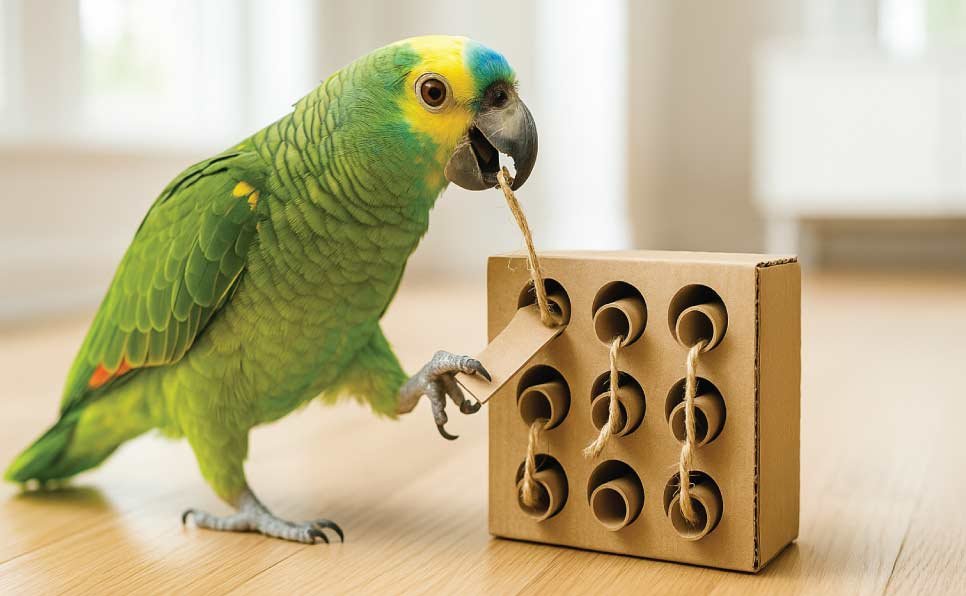
African greys showcase cognitive abilities that often surpass many other parrot species. They tend to be observant, thoughtful, and quick learners, especially when given toys or activities that encourage problem-solving.
They may excel at:
Working through puzzle toys
Recognizing routines
Building strong social awareness with their favorite people
Their emotional perception often feels surprisingly deep, making interactions with them incredibly rewarding.
2. Mimicry Mastery
Their ability to mimic a wide variety of sounds, from everyday household noises to full sentences, is part of what makes African greys so beloved. Their vocal clarity may be astonishing, and many owners feel like they’re having little conversations with their birds.
If you’re curious about other talking species, you can learn more in the guide Pet Birds That Talk.
3. Challenges of Ownership
Because of their sensitivity and intellect, African greys may need more structure and engagement than many first-time bird parents expect. They often require a stimulating environment, a balanced diet, and plenty of mental and physical enrichment. Without these, they may show signs of boredom or stress.
Their care may involve:
Daily interaction and social time
Foraging toys and brain games
A calm, predictable household environment
4. Rewards of Companionship
Despite their higher needs, the bond that forms with an African grey is often described as profound and deeply meaningful. They may learn your routines, respond to your voice, and express affection in their own thoughtful ways. Many owners say their African grey feels like a little family member with a big personality.
5. A Unique Connection
African greys don’t just mimic, they may communicate with timing and intention. They are known for responding to emotional cues, echoing tones, and building shared “conversations” with their humans. This creates a relationship that feels surprisingly mutual and emotionally rich.
6. Overall Significance
African Grey Parrots are extraordinary companions for those ready to meet their emotional and mental needs. With enough attention, enrichment, and patience, they may become lifelong friends who bring humor, depth, and companionship to your home.
If you’re still exploring other beginner-friendly species, the guide Best Pet Birds for Beginners at may help you compare options with confidence.
Cockatoos: Loveable and Extroverted Companions

Cockatoos are the “big-hearted extroverts” of the parrot world. They are known for their affectionate, cuddle-seeking nature and for forming incredibly strong bonds with their humans. If you’ve ever seen a cockatoo raise its crest with excitement or lean in for a gentle head scratch, you know just how expressive and loving they can be.
1. Endearing and Gregarious Disposition
Cockatoos are exceptionally social and thrive on connection. They often seek out physical affection, enjoy being close to their families, and love playful interaction. Many owners describe them as affectionate clowns with a flair for dramatic gestures, from silly dances to joyful screeches that feel like pure celebration.
They often enjoy:
Cuddles and gentle preening
Playful tricks and interactive games
Being part of everyday household activities
2. Challenges and Bounties of Tending to Cockatoos
Their sweetness comes with big needs. Cockatoos require consistent companionship, enrichment, and mental engagement to stay emotionally balanced. Without enough stimulation, they may become bored or anxious, which can lead to vocal outbursts or stress behaviors.
A happy cockatoo usually needs:
A large aviary or spacious cage
A varied, nutritious diet
Plenty of toys, foraging activities, and daily interaction
3. The Commitment Behind Cockatoo Care
Cockatoos often live for more than five decades, which means bringing one home is a long-term commitment. They thrive with owners who can adapt their routines, schedules, and home environment to meet the bird’s ongoing needs.
This may include:
Regular veterinary care
Daily mental and physical stimulation
A calm, predictable environment
For first-time bird owners, it may help to explore species that require less intensive contact before considering a cockatoo. You can compare options in the guide Best Pet Birds for Beginners.
4. The Fruits of Cockatoo Companionship
Despite the high level of care they require, cockatoos offer extraordinary emotional rewards. Many build deep, loving bonds with their people and bring a joyful, energetic presence into the home.
Their companionship is often described as:
Transformative
Emotionally rich
Bright, funny, and full of personality
For those who can meet their needs, a cockatoo becomes more than a pet, they become a cherished partner in daily life.
Macaws - The Colorful Showstoppers

Macaws are often the birds people picture when they imagine a tropical paradise, long wings, bold colors, and personalities that fill the room. Their vibrant plumage and impressive size make them some of the most visually stunning and charismatic parrots in the world. They have a natural presence that feels almost royal, yet delightfully playful at the same time.
Before bringing one home, it helps to understand that their beauty comes with big needs and a long-term commitment.
1. Resplendent Appearance
Macaws are globally admired for their dazzling feathers, expressive eyes, and striking silhouettes. From the fiery red of the Scarlet Macaw to the deep cobalt of the Hyacinth Macaw, their colors are unmatched. Their long tails, powerful beaks, and graceful posture make them unforgettable companions and true showstoppers in any home.
Many new bird parents fall in love with macaws because of:
Their breathtaking rainbow-like plumage
Their expressive facial feather patterns
Their presence and elegance during flight
2. Considerations for Ownership
As stunning as they are, macaws require a significant investment of time, space, and financial resources. Their social nature means they thrive on daily interaction and mental enrichment.
Potential macaw families should be prepared for:
A very large cage or aviary
Daily out-of-cage time for movement and exploration
High noise levels, especially in the morning and evening
Ongoing costs for food, enrichment, and veterinary care
Because of their demanding care, macaws may not be the best match for busy households or first-time bird owners.
If you’re still exploring beginner-friendly species, the guide Best Pet Birds for Beginners, offers helpful comparisons.
3. Intellectual and Playful Traits
Macaws are incredibly smart and often enjoy learning tricks, commands, and interactive games. Their playful side shines when given toys, climbing structures, and opportunities to explore. Each macaw has its own personality, some outgoing and silly, others calm and observant — but all tend to be curious and energetic.
They often enjoy:
Social playtime
Learning new skills
Exploring their environment with their beaks and feet
4. Lifelong Companionship
One of the most meaningful parts of macaw ownership is their longevity. Many macaws can live more than 60 years, forming lifelong bonds that span generations. With proper care, attention, and emotional connection, they become cherished family companions.
For families ready for the commitment, a macaw brings decades of color, laughter, and unforgettable moments.
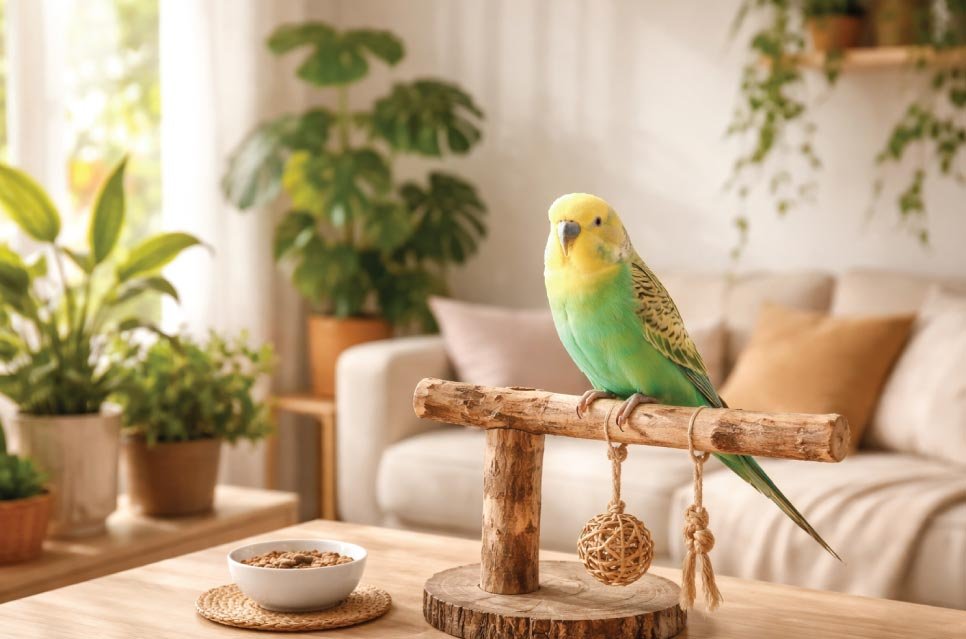
Parakeets (AKA Budgies or Budgerigars): The Thrifty Companions

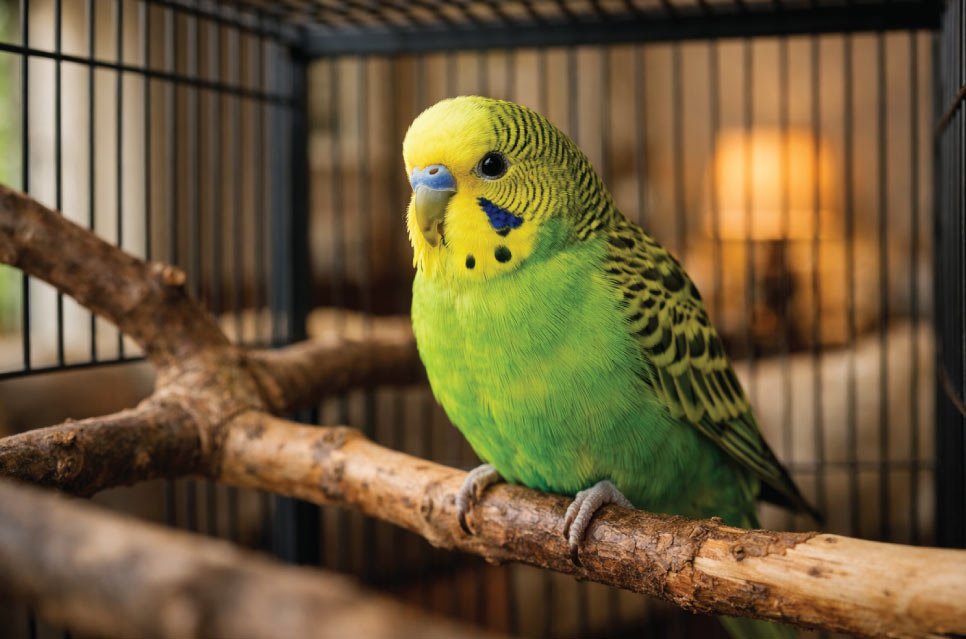
Budgerigars, or simply budgies, are tiny birds with big personalities. They’re known for their bright colors, playful nature, and gentle temperament, making them one of the most popular exotic birds for beginners. These cheerful little companions love exploring, interacting with their families, and filling the home with soft chirps and friendly chatter.
1. A Bright and Joyful Presence
Budgies bring a lovely mix of energy and sweetness to any home. They enjoy spending time outside their cages, hopping from perch to perch, and investigating new toys or cozy spots. Their curious nature and musical vocalizations often make them feel like joyful, feathered roommates.
Because they are social birds, budgies usually enjoy having another budgie companion or plenty of regular interaction from their humans.
2. Financial Considerations
One of the reasons budgies are so popular is their affordability. Budgies are considered budget-friendly pets, making them ideal for families or first-time owners who want an economical yet rewarding companion.
Typical costs are lower compared to larger parrots, including:
A modestly priced enclosure
Affordable seed or pellet blends
Low-cost toys and enrichment items
3. Vivacious and Gregarious Disposition
Budgies are lively, social, and full of charm. They thrive on interaction and often enjoy engaging with their caretakers. Their playful antics and cheerful chirps bring warmth and brightness to daily routines.
Many budgies also enjoy:
Exploring new spaces
Mimicking sounds or whistles
Participating in gentle training sessions
If vocal ability interests you, you may also like the guide Pet Birds That Talk.
4. Ideal for Novices
Budgies are widely recommended for beginners because they’re both gentle and relatively easy to care for. Their calm nature and softer volume levels make them great companions for families, apartment living, or homes with other pets (with supervision).
They may adapt well to:
Busy households
First-time bird parents
Owners who want a sweet, low-stress bird
5. Economical Upkeep
Aside from initial setup, their month-to-month care is usually manageable, covering a nutritious mix of seeds or pellets, toys, and occasional veterinary checkups. Their needs are simple but meaningful, fresh food, clean water, mental stimulation, and social time.
6. All-Encompassing Appeal
Budgies are a wonderful match for anyone seeking a loving, spirited, and budget-friendly bird companion. They offer affection without overwhelming demands and fit beautifully into homes of many sizes and experience levels.
If you’re curious whether a single budgie or a pair may suit you better, the guide Is a Parakeet a Good Pet?, provides helpful insights for new owners.
Canaries: Melodious Minstrels

Canaries are tiny songbirds with big charm. They are beloved for their beautiful melodies and colorful feathers, making them delightful companions for anyone who enjoys a peaceful, musical home. These gentle birds bring a sense of calm wherever they are, and their songs often become part of the daily rhythm of the household.
1. Vocal Prowess
Male canaries are famous for their extraordinary singing abilities, often performing long, elaborate serenades that sound like nature’s own music. Their voices may include soft harmonies, bright trills, and rolling warbles, which can feel soothing or cheerful depending on the bird.
Their singing style often varies, and many canaries even “compete” in friendly ways by showing off their best vocal runs when they hear other birds singing nearby.
2. Chromatic Plumage
Canaries come in far more colors than the classic sunny yellow. You may find them in shades of orange, green, white, brown, or even soft blues. Their feathers are often described as sleek, velvety, and visually striking, adding a small splash of color and elegance to any room.
3. Habitat and Nutritional Imperatives
Even though canaries are small, they still need a spacious enclosure where they can stretch and flutter their wings. A healthy home setup usually includes:
Different perch sizes
Toys for mental enrichment
A shallow dish or bath for water play
Their diet should also be balanced, typically including seeds, pellets, and small portions of fruits and vegetables to keep them thriving.
4. The Rapture of Canary Companionship
A canary’s presence is calm, sweet, and quietly joyful. Their songs can be a gentle soundtrack for reading, working, or relaxing, while their bright colors bring life to any space. Many people find comfort in their soft routines, from morning singing to evening settling, which creates a lovely daily rhythm.
5. Custodianship Experience
Canaries may not demand as much interaction as parrots, but their companionship is still deeply gratifying. They tend to be amiable and tender-hearted, forming a gentle connection with those who care for them.
Canary owners often say these little birds offer:
A sense of tranquility
A pleasant daily presence
A charming, low-maintenance bond
6. Summary
Canaries are extraordinary companions with enchanting melodies, vibrant hues, and gentle personalities. Whether you enjoy relaxing background music or a cheerful spark of color in your home, they can offer a special type of harmony.
For new bird parents curious about other easygoing species, the guide Best Pet Birds for Beginners may help you explore additional options.
Cockatiel: A Delightful Companion

Cockatiels are often described as the “sweethearts” of the bird world. Their gentle nature, expressive crests, and playful personalities make them one of the most beloved small parrots for families and first-time bird owners. When a cockatiel raises its crest in excitement or softly whistles to greet you, it’s easy to understand why so many people fall in love with them.
1. Distinctive Traits and Personality Attributes
Cockatiels are petite parrots, usually around 12 inches long, with big hearts and affectionate tendencies. They typically enjoy being held, gently scratched, and included in daily family activities, forming close bonds with the people they trust.
They are also wonderfully intelligent.
Cockatiels often learn tricks, greetings, whistles, and even playful “performances” like hopping or skateboarding. Their curious and interactive nature makes training a fun bonding experience for both bird and human.
Their vocalizations are another charming feature.
Cockatiels can mimic simple words, sounds, and melodies, adding a cheerful soundtrack to your home. And because they’re social by nature, they may thrive with regular interaction, companionship, or another friendly bird in the household.
2. Care Guidelines for Cockatiels
Cockatiels are fairly easy to care for, but they still need the right setup and daily enrichment to stay happy and healthy.
A spacious cage of at least 24” x 18” x 18”, with multiple perch sizes and stimulating toys
A balanced diet of pellets, seeds, vegetables, fruits, and appropriate grit
Daily out-of-cage time for flying, exercise, and exploration
Short, positive training sessions to build trust and stimulate their quick minds
Meeting these needs helps ensure your cockatiel remains active, confident, and content.
3. Why Cockatiels Garner Popularity
Cockatiels are gentle, affectionate, and wonderfully social, traits that make them fantastic companions for bird parents of all ages. Their intelligence and playful spirit mean they are always ready to learn, explore, or interact with their family.
They also tend to be more manageable than many larger parrots.
With moderate noise levels and simpler care routines, cockatiels offer all the charm of a parrot without the overwhelming demands.
Of course, part of their appeal is their beauty.
Cockatiels come in a variety of hues, yellow, white, grey, orange, blue, and their trademark crest gives them an expressive, almost whimsical look.
For those exploring beginner-friendly birds or comparing different species, you may enjoy the guide Best Pet Birds for Beginners.
4. A Wonderful Long-Term Friend
Cockatiels are ideal for anyone seeking an affectionate, clever, and easygoing feathered companion. With proper care and attention, they can bring warmth, joy, and companionship into your home for many years.
Conures: Dynamic Performers

Conures are often described as the “life of the party” in the parrot world. These small-to-medium parrots are known for their lively energy, big personalities, and affectionate nature, making them wonderful companions for active homes. With their bright colors and playful habits, conures bring a joyful spark to any room they enter.
1. Vibrant Playfulness and Sociability
Conures are highly active birds who love to climb, explore, and interact with their people. Whether they’re hanging upside down, tossing toys around, or hopping onto your shoulder for attention, they tend to bring constant movement and entertainment.
Many conures also enjoy learning simple tricks and may develop a variety of vocal sounds, from cheerful chatter to attempts at mimicking words.
Their social nature means they thrive in homes where they receive daily attention and companionship.
2. Selecting the Appropriate Conure Species
Because conures vary widely in temperament and noise level, choosing the right species is important for creating a good match with your lifestyle. Some conures are quieter and more independent, while others are louder, more energetic, or require increased interaction.
Researching species and comparing their needs may help first-time owners make the best choice. If you’re exploring multiple beginner-friendly birds, the guide Best Pet Birds for Beginners offers a good overview.
3. The Entertainment Essence of Conures
Conures are natural entertainers, cheerful, goofy, and endlessly curious. Their vocal expressions and playful gestures often turn everyday moments into fun interactions. With proper care and bonding, they may become affectionate companions who enjoy riding on your shoulder, participating in training sessions, and being involved in family routines.
4. Considered Beginner-Friendly Conure Species
Some conure species are generally easier for new bird owners due to their modest size, softer vocalizations, and gentler temperaments:
Green-cheeked conures
Jenday conures
Nanday conures
Peach-fronted conures
These species also tend to be easier to train and often adapt well to indoor environments.
5. For Those Seeking Active and Vocal Companions
For families who enjoy spirited, talkative birds with lots of personality, some species may be a better match:
Sun conures
Black-capped conures
Maroon-bellied conures
Lilac-crowned amazons
These lively birds are more vocal, more energetic, and capable of stronger mimicry, making them especially engaging for experienced owners or those who prefer active companionship.
6. A Joyful Companion for Many Homes
Regardless of which species you choose, conures often bring joy, laughter, and affectionate moments to their families. Their intelligence, bold personalities, and loving nature make them exceptional pets for homes that can meet their interactive and playful needs.
Conclusion
Exotic birds have a way of turning ordinary moments into something a little brighter. They aren’t just pets, they’re companions who share their songs, their quirks, and their personalities with us every single day. Whether they’re learning a new whistle, exploring your shoulder, or simply watching the world from their favorite perch, their presence adds joy and color to our homes.
Caring for an exotic bird does require patience, learning, and a steady routine, but the bond that forms in return is often incredibly meaningful. When we provide the right environment, enrichment, and gentle guidance, these birds flourish and so does our connection with them. What starts as a simple interest in birds often becomes a long-lasting friendship filled with trust, humor, and affection.
Every species brings something unique, from intelligence and playfulness to tenderness and curiosity. Discovering these traits and understanding their needs allows us to better appreciate the bright personalities behind those beautiful feathers.
If you’d like to continue exploring bird care or discover more species, you can always visit the Birds Category on PetSweetJoy for more guides, tips, and inspiration.
With the right care and love, your feathered friend may become a cherished part of your family, bringing joy, depth, and companionship for many years to come.
Most popular exotic pet birds: Frequently Asked Questions (FAQs)
The cost of owning an exotic bird can vary depending on the breed, the size of the bird, and the type of cage and other supplies you need. However, you can expect to spend between $1,000 and $5,000 for the initial purchase of your bird, and between $50 and $200 per month for ongoing care.
Exotic birds' lifespan varies; smaller species like budgies can live 7-10 years, while larger species like macaws can live 50+ years with proper care.
Pros:
- Exotic birds can provide companionship, entertainment, and a unique connection with nature.
- They can learn to mimic human speech and perform tricks.
- They can live for many years, making them long-term companions.
Cons:
- Exotic birds can be expensive to own, both in terms of initial purchase and ongoing care.
- They require a lot of attention and socialization.
- Some breeds can be loud.
- They can be destructive if not properly trained.
- Respiratory infections
- Psittacosis (parrot fever)
- Feather plucking
- Liver disease
- Kidney disease
- Heart disease
- Provide your bird with a spacious cage that is large enough for them to spread their wings and fly.
- Give your bird plenty of toys to play with.
- Provide your bird with a variety of perches of different sizes and textures.
- Keep your bird's cage in a quiet, well-lit area.
- Avoid exposing your bird to loud noises or sudden changes in temperature.
- Train your bird to step up on your hand and come to you when you call their name.
- Reward your bird with treats and praise when they do something good.
- The American Federation of Aviculture
- The Parrot Society of America
- The Association of Avian Veterinarians
- The BirdKeepers World website
- The Avian Web website