
Reptile Essentials Guide: Creating the Right Environment for Your Reptile
Caring for a reptile is a unique and rewarding experience. Unlike many other pets, reptiles depend heavily on their environment to regulate temperature, behavior, and overall health. At PetSweetJoy, we believe that understanding and building the right setup is the foundation of responsible reptile care.
We’ve carefully selected a small group of essentials that support your reptile’s wellbeing, focusing on proper housing, heating, lighting, nutrition, and environmental enrichment.
These are not just products, they are the key elements that help your reptile live a healthy, stable, and natural life.
Enclosure & Habitat Setup
Your reptile’s enclosure is the foundation of its entire life. Unlike many other pets, reptiles rely completely on their environment to regulate temperature, behavior, and overall health. A well-designed habitat is not just a place to live — it is essential for their physical and mental wellbeing.
Choosing the right enclosure size and layout is one of the most important decisions in reptile care. The enclosure should match your reptile’s species, size, and natural behavior. Some reptiles need vertical space to climb, while others require wide floor space to explore and bask.
A well-balanced setup helps:
• support natural movement and activity
• allow proper heating and lighting placement
• create safe zones for hiding and resting
• reduce stress and encourage natural behavior
Reptiles thrive in environments that feel stable, spacious, and predictable. Taking the time to build the right habitat from the beginning makes a meaningful difference in their long-term health.
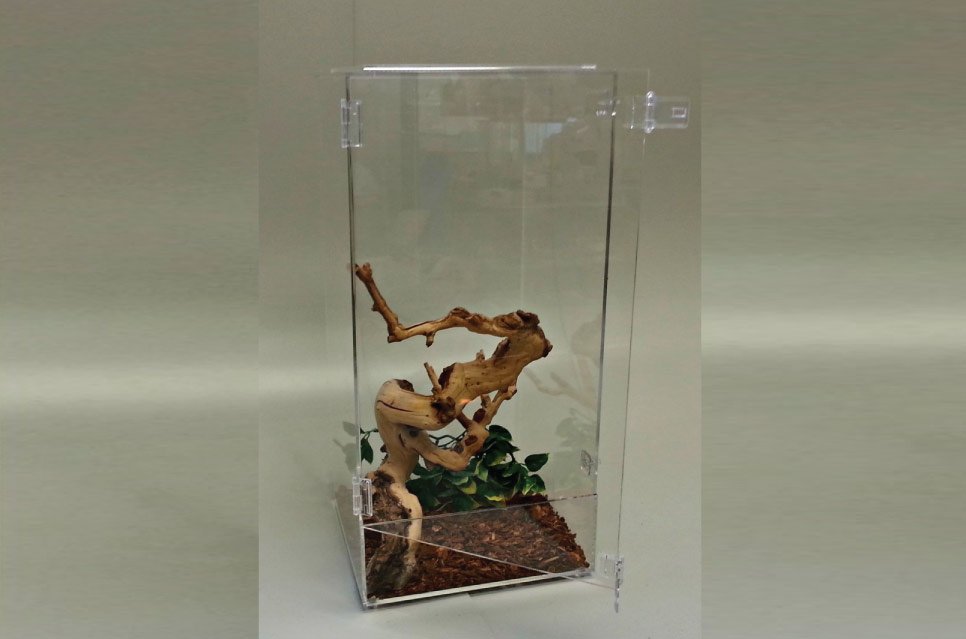
Arboreal 15 Gallon Enclosure
Why we love it: This vertical enclosure is designed for climbing species that naturally spend time above ground. Its tall structure allows for branches, plants, and elevated resting areas, helping recreate a more natural environment for arboreal reptiles.
Important note: Arboreal species rely heavily on vertical space, so adding climbing elements and proper lighting is essential. This type of enclosure works best when paired with enrichment that encourages movement and exploration.
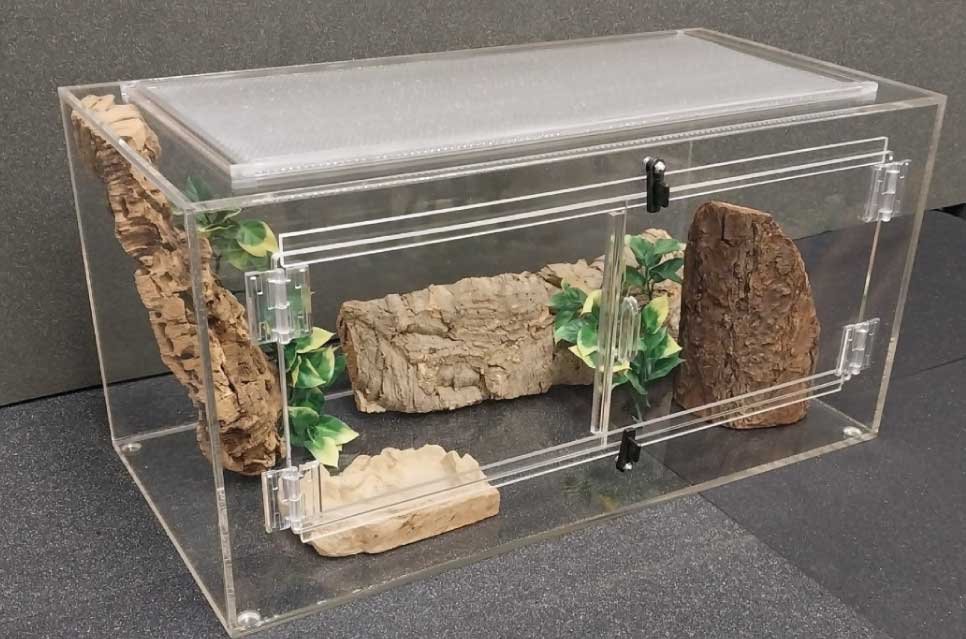
15 Gallon Front Opening Enclosure
Why we love it: This enclosure offers a practical and accessible setup for smaller reptiles or growing animals. The front-opening doors make feeding, cleaning, and daily interaction much easier, while the clear acrylic design provides excellent visibility and a clean, modern look.
Important note: While this enclosure works well for smaller species or temporary setups, many reptiles will require more space as they grow. Planning ahead helps ensure your reptile can transition to a larger habitat when needed.
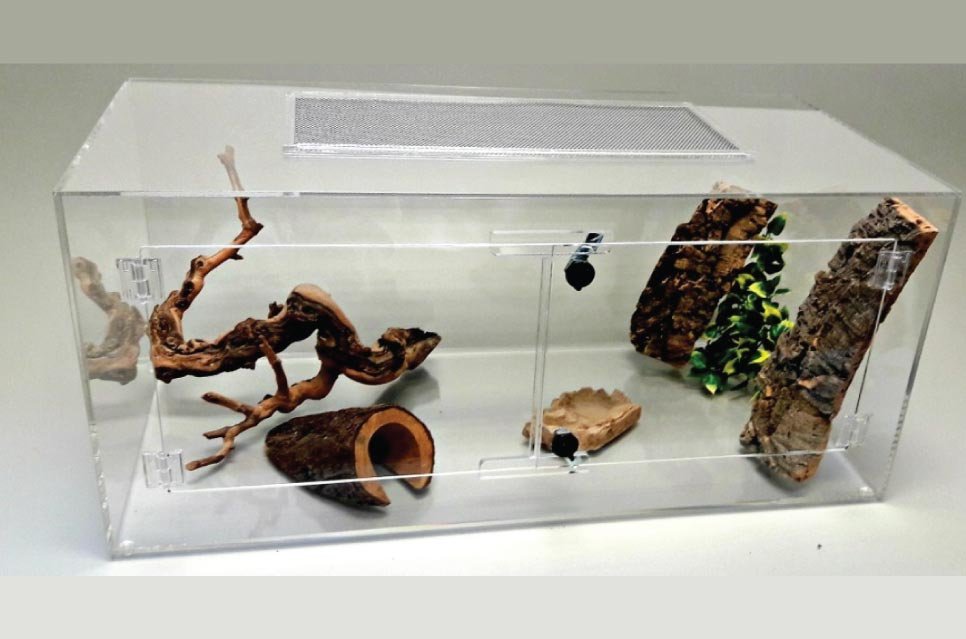
45 Gallon Front Opening Enclosure
Why we love it: This spacious enclosure provides the room needed for many reptiles to move, explore, and express natural behaviors. Its larger size makes it easier to create temperature gradients, basking areas, and multiple zones within the habitat.
Important note: Larger enclosures are often better for long-term care, especially for active or growing reptiles. Providing enough space supports both physical health and more natural, stress-free behavior.
Heating & Lighting
Heating and lighting are not optional for reptiles, they are essential for survival. Unlike mammals, reptiles depend entirely on external heat sources to regulate their body temperature, digestion, metabolism, and overall activity.
Without proper heat and UVB lighting, reptiles cannot function normally. Even if they appear healthy at first, long-term deficiencies can lead to serious health issues such as poor digestion, low energy, and metabolic bone disease.
A well-balanced setup helps:
• create a proper temperature gradient (warm and cool zones)
• support digestion and natural activity levels
• enable vitamin D3 production for calcium absorption
• regulate natural day and night cycles
Replicating natural sunlight and heat as closely as possible is one of the most important aspects of reptile care. Small adjustments in lighting and positioning can make a significant difference in your pet’s wellbeing.
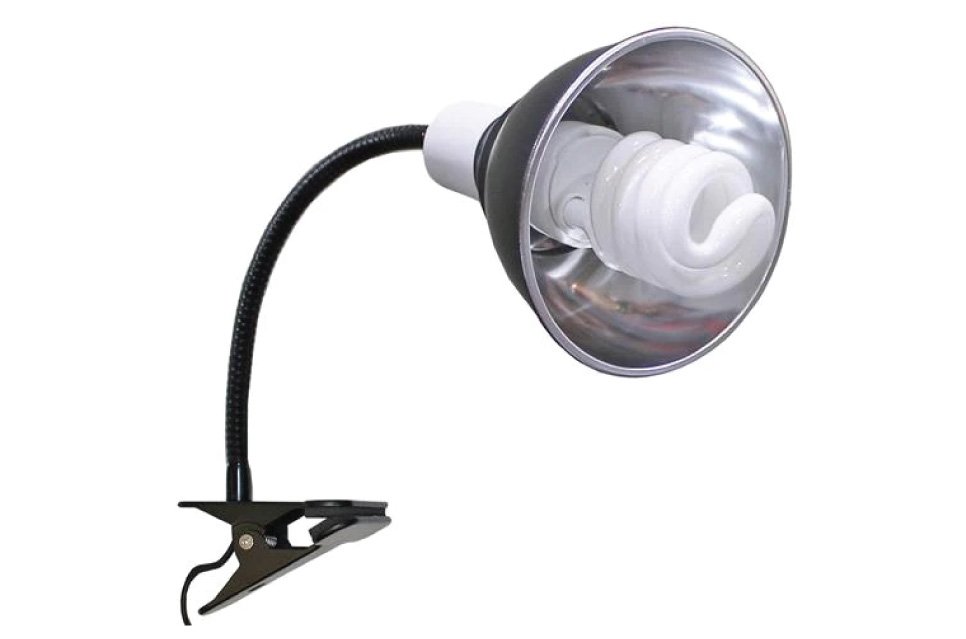
UVB Lighting Set
Why we love it: This complete setup makes it easy to provide both UVA and UVB light in one solution. It helps support natural behavior, activity levels, and essential biological processes like vitamin D3 synthesis.
Important note: UVB light plays a critical role in calcium absorption and bone health, while UVA supports natural behaviors such as feeding and movement. Consistent daily use is key for long-term health.
Tip: Position the lamp above the enclosure at the recommended distance and replace the bulb regularly to maintain proper UV output.
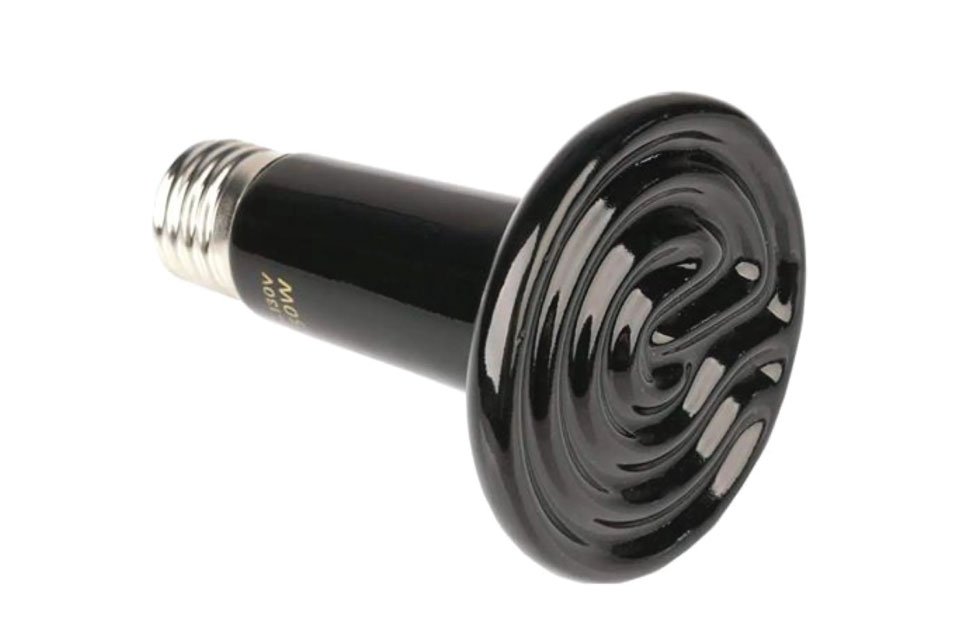
Ceramic Heat Emitter
Why we love it: This heat source provides consistent warmth without emitting light, making it ideal for maintaining temperatures both day and night without disturbing your reptile’s sleep cycle.
Important note: Reptiles need a stable heat gradient, allowing them to move between warmer and cooler areas. A ceramic emitter helps maintain this balance, especially during nighttime.
Tip: Always place heat sources outside the enclosure and monitor temperatures carefully to prevent overheating or burns.
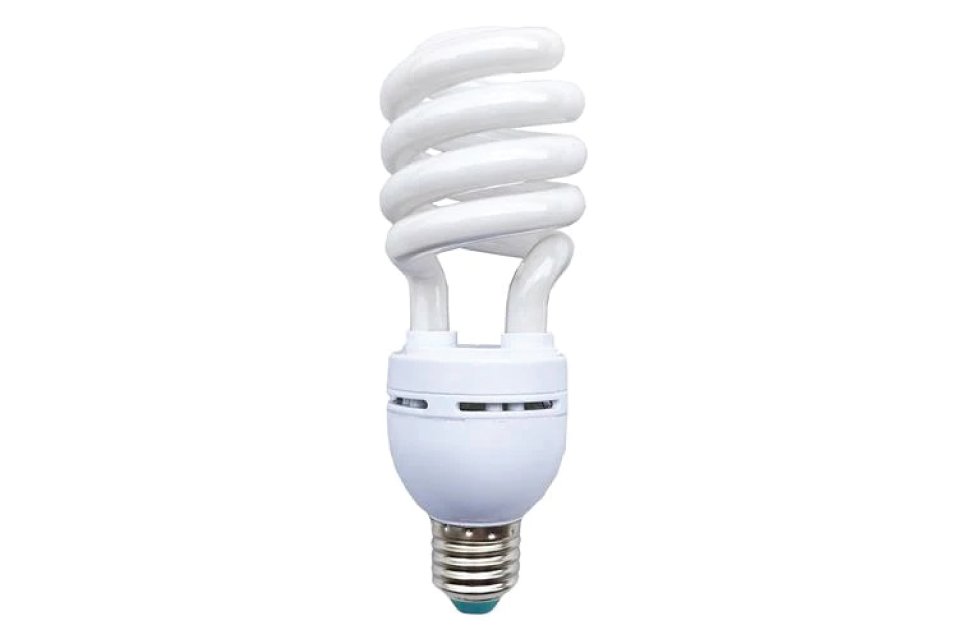
UVB Bulb 26 Watt
Why we love it: This bulb delivers full-spectrum UVA and UVB light, helping replicate natural sunlight inside your reptile’s enclosure. It supports healthy growth, behavior, and long-term wellbeing.
Important note: UVB exposure is essential for many reptile species, especially those from sun-rich environments. Without it, they may struggle to absorb calcium properly.
Tip: Use with a compatible fixture and follow distance guidelines to ensure effective and safe exposure.
Feeding & Nutrition
Feeding reptiles is not just about providing food, it’s about supporting their biology, behavior, and long-term health. Many reptiles have very specific dietary needs, often requiring live insects, varied protein sources, or carefully balanced supplementation.
In the wild, reptiles actively hunt, forage, and interact with their food. Recreating this natural behavior in captivity helps improve both physical health and mental stimulation.
A well-balanced feeding approach helps:
• provide essential nutrients and protein
• support healthy growth and energy levels
• encourage natural hunting and feeding behavior
• prevent nutritional deficiencies
Combining high-quality food sources with proper supplementation is key to a healthy reptile diet. Small improvements in feeding routines can make a significant difference over time.
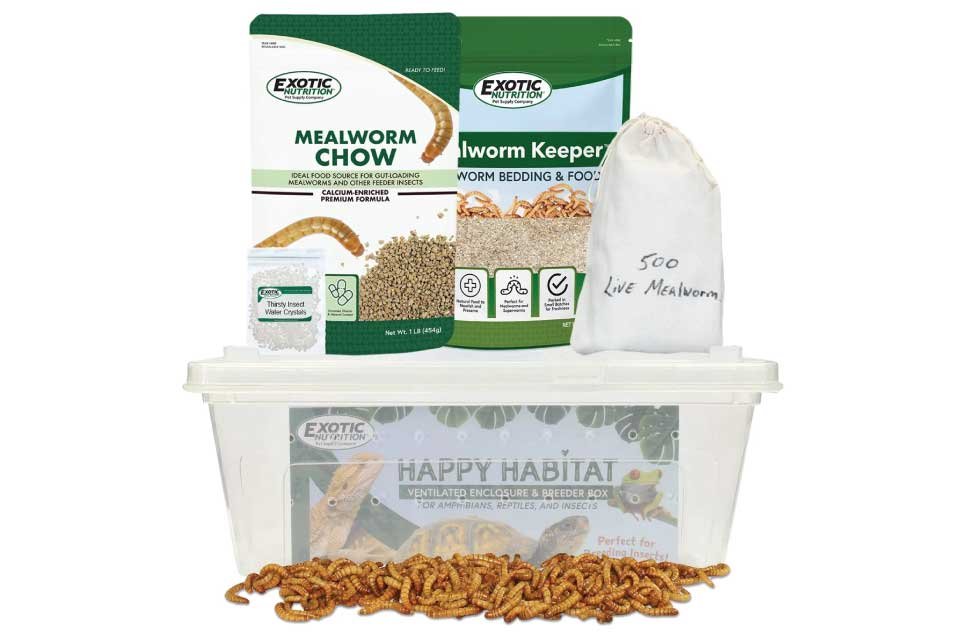
Mealworm Breeder Kit
Why we love it: This kit allows you to breed your own live mealworms at home, providing a fresh, sustainable, and cost-effective food source for insect-eating reptiles.
Important note: Live insects are an important part of enrichment, as they encourage natural hunting behavior and keep reptiles mentally and physically active.
Tip: Maintaining your own feeder colony ensures a consistent food supply and better control over quality and nutrition.
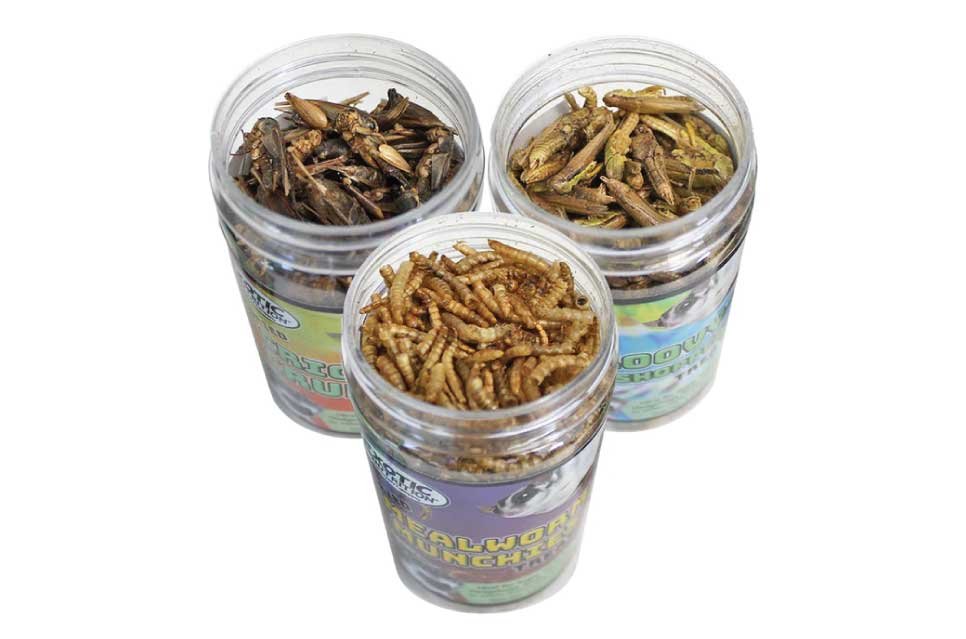
Dried Insect Assortment
Why we love it: This convenient mix of freeze-dried insects offers a long-lasting, high-protein option that can be easily stored and used as a supplement to your reptile’s diet.
Important note: While dried insects are nutritious, they are best used as a supplement or occasional treat rather than a complete replacement for live feeding.
Tip: You can combine dried insects with enrichment tools or feeding routines to add variety and stimulate natural interest in food.
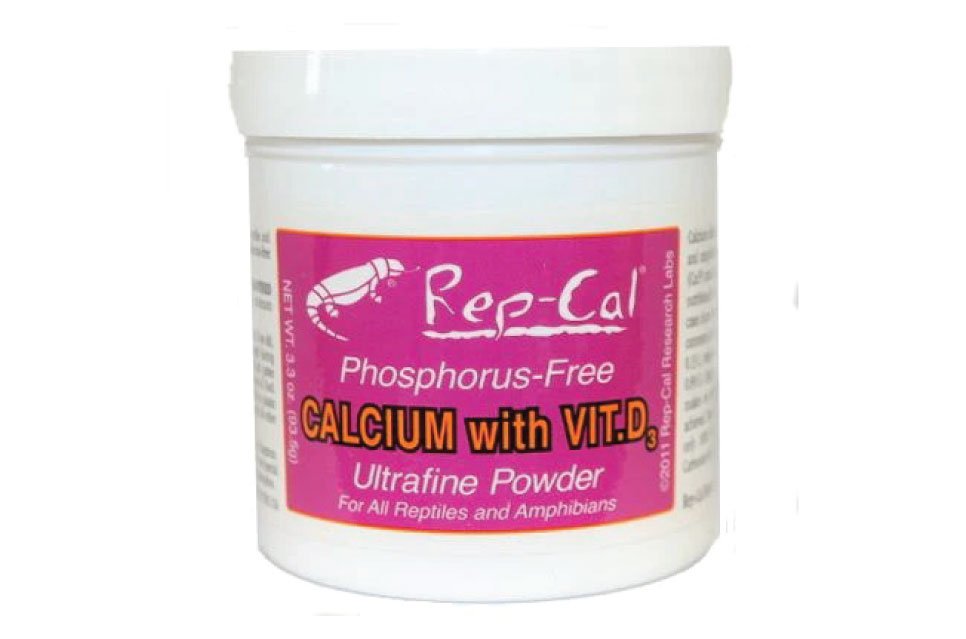
Calcium Supplement (with Vitamin D3)
Why we love it: This calcium supplement helps support proper bone development and prevents common health issues related to calcium deficiency in reptiles.
Important note: Many reptiles require additional calcium and vitamin D3, especially those kept indoors without consistent UVB exposure.
Tip: Lightly dusting food with calcium powder is a simple but essential step in maintaining your reptile’s long-term health.
Enrichment & Climbing
Reptiles may seem low-maintenance, but they still require enrichment to stay healthy and active. Many species are natural climbers, explorers, or ambush hunters that benefit from a more dynamic environment.
A flat, empty enclosure can lead to inactivity, stress, and unnatural behavior. Adding climbing structures and varied surfaces helps recreate a more natural habitat and encourages movement throughout the day.
A well-designed setup helps:
• encourage climbing and exploration
• promote natural behaviors like basking and hiding
• provide physical exercise and stimulation
• create a more complex and engaging environment
Even small additions like branches, platforms, and flexible climbing paths can significantly improve your reptile’s quality of life.
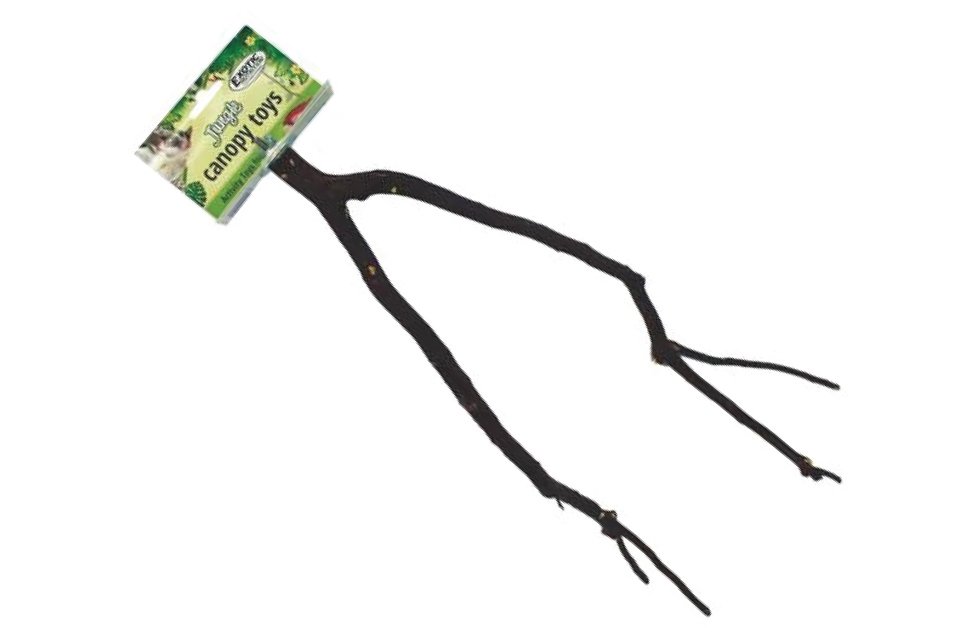
Manzanita Branch
Why we love it: This natural branch provides a realistic climbing surface that encourages balance, movement, and exploration. Its organic shape adds variety that artificial structures often lack.
Important note: Natural branches help recreate a more authentic environment, giving reptiles opportunities to climb, perch, and rest in different positions.
Tip: Because each branch is unique, combining multiple natural elements can create a more dynamic and enriching habitat.
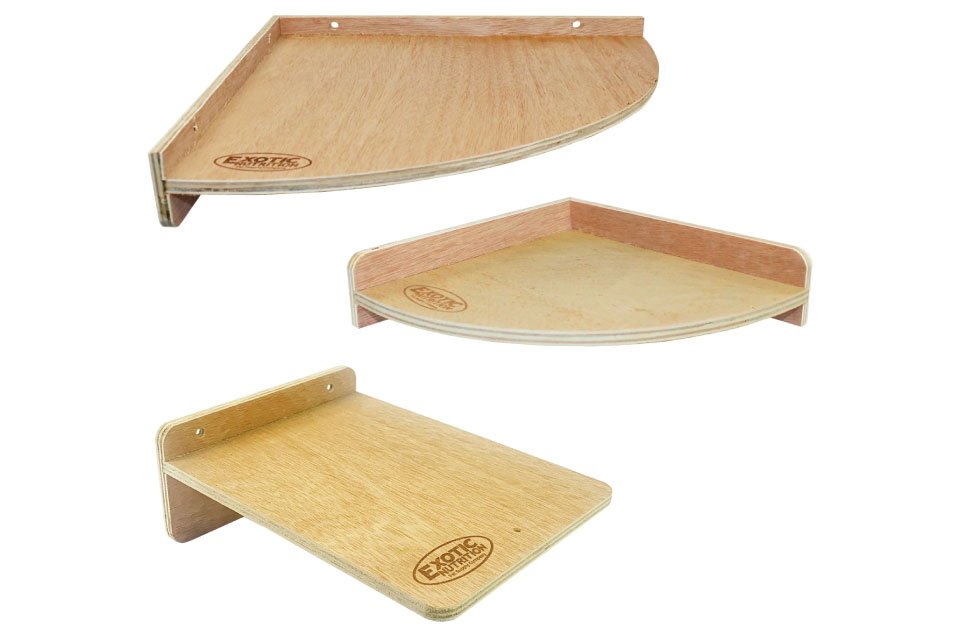
Wood Platform Set
Why we love it: These elevated platforms add vertical space inside the enclosure, allowing reptiles to climb, rest, and observe their surroundings from different levels.
Important note: Height variation is essential for many species, especially those that enjoy basking or climbing. Platforms help create distinct zones within the enclosure.
Tip: Use platforms to position basking areas or create resting spots closer to heat and light sources.
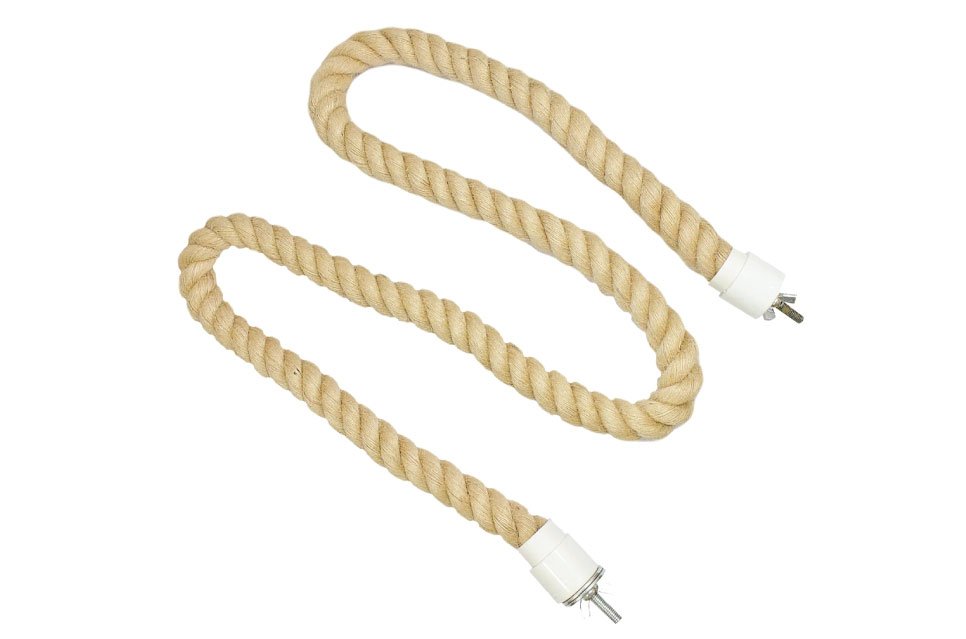
Natural Rope
Why we love it: This flexible climbing rope allows you to create custom pathways, adding movement and variety to the enclosure while encouraging active exploration.
Important note: Flexible elements introduce gentle instability, which can stimulate balance and natural movement in climbing species.
Tip: Shape the rope into different routes or levels to keep the environment interesting and adaptable over time.
Daily Care & Feeding Accessories
Small details in your reptile’s enclosure can make a big difference in daily care and overall wellbeing. Feeding tools and simple accessories help create a cleaner, more organized, and more natural environment.
These items may seem simple, but they support routine, hygiene, and natural feeding behavior. A well-structured setup makes it easier for both you and your reptile to maintain consistent habits.
A thoughtful setup helps:
• reduce food waste and mess
• support cleaner and more hygienic feeding
• encourage natural feeding behavior
• simplify daily maintenance
By improving how food and water are offered, you can create a more stable and stress-free routine for your reptile.
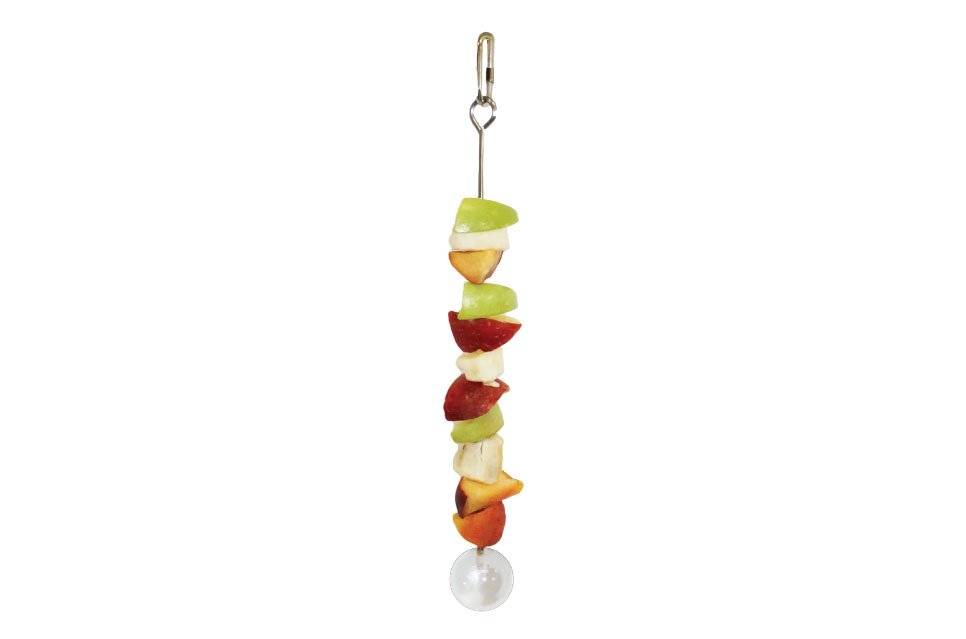
Stainless Steel Fruit Skewer
Why we love it: This simple tool encourages a more natural feeding experience by allowing reptiles to eat food in a way that mimics how they would interact with plants or prey in the wild.
Important note: Hanging food instead of placing it in a bowl can reduce waste and keep the enclosure cleaner, while also adding light enrichment during feeding.
Tip: Use occasionally to introduce variety and encourage more active feeding behavior.
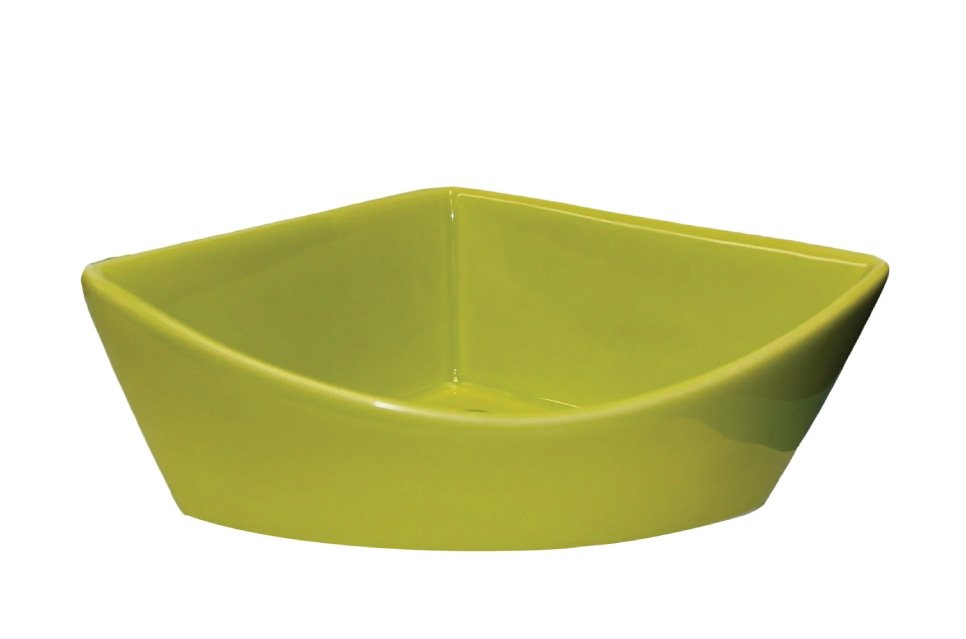
Ceramic Corner Dish
Why we love it: This sturdy dish provides a stable and hygienic place for food or water, helping keep your reptile’s enclosure clean and organized.
Important note: Ceramic materials are more sanitary than plastic, as they are less likely to absorb odors or harbor bacteria over time.
Tip: Place the dish in a consistent location to help your reptile build a predictable feeding routine.
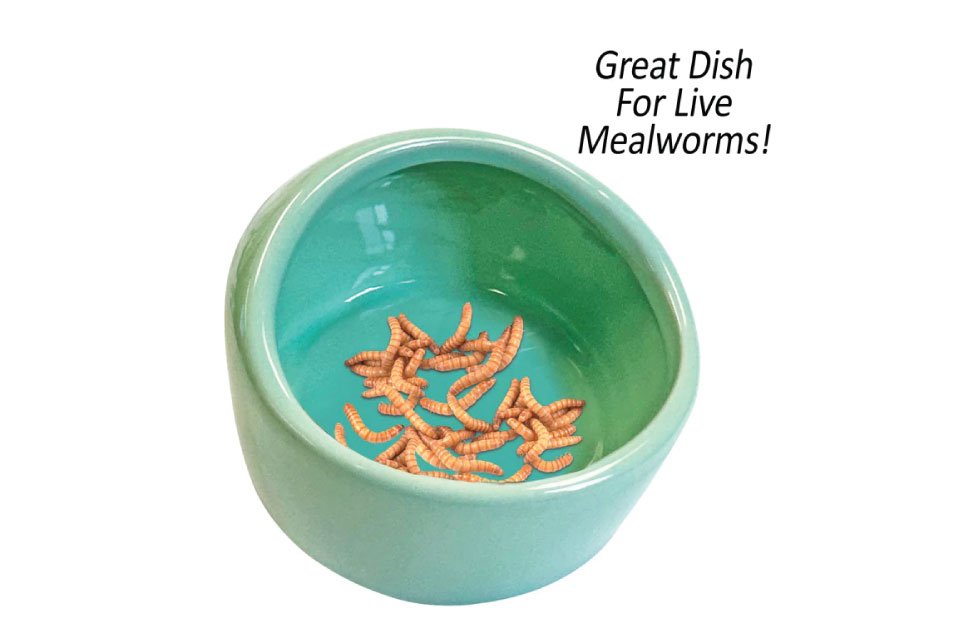
No-Escape Feeding Dish
Why we love it: Designed specifically to prevent insects from escaping, this dish makes feeding live prey easier, cleaner, and less stressful.
Important note: Live insects can quickly scatter throughout the enclosure if not contained, which can create hygiene issues and make feeding less efficient.
Tip: Use this dish when offering mealworms or similar feeders to maintain control and reduce mess.
Frequently Asked Questions: Reptile Essentials
Yes. Reptiles require a carefully balanced environment to stay healthy. Beyond a proper enclosure and diet, they depend on correct heating, UVB lighting, and environmental enrichment. Without these elements, reptiles may struggle with digestion, low energy, or long-term health issues. A complete setup supports both their physical health and natural behavior.
Reptiles rely on external heat sources to regulate their body temperature. Without proper heating, they cannot digest food efficiently or maintain normal activity levels. A well-designed enclosure should include a temperature gradient, allowing your reptile to move between warmer and cooler areas as needed. This helps mimic natural conditions and supports overall health.
Many reptiles require UVB lighting to produce vitamin D3 and absorb calcium properly. Species that naturally bask in sunlight depend heavily on UVB exposure to prevent issues like metabolic bone disease. While not all reptiles need the same level of UVB, providing appropriate lighting is essential for most commonly kept species.
Adding structure and variation is key to creating a more natural habitat. Elements like branches, platforms, hides, and substrate allow reptiles to climb, explore, and rest in different ways. A well-designed enclosure should encourage natural behaviors such as basking, hiding, and moving between zones.
Feeding frequency depends on the species, age, and type of diet. Some reptiles eat daily, while others may eat only a few times per week. It’s important to follow species-specific guidelines and monitor your reptile’s body condition. Providing a balanced diet with proper supplementation is more important than frequency alone.
Signs of stress can include hiding constantly, lack of appetite, or unusual inactivity. In some cases, reptiles may also show defensive behavior or attempt to escape their enclosure. Stress is often linked to improper setup, such as incorrect temperature, lighting, or lack of hiding spaces. Adjusting the environment usually helps improve their comfort and behavior.
Creating a Healthy and Natural Life for Your Reptile
Every reptile is unique, and the ideal setup depends on species, habitat, and natural behavior. Desert species, tropical reptiles, and arboreal climbers all have different needs, which makes understanding your pet especially important.
The goal is not just to build an enclosure, but to recreate a functional environment. A well-designed habitat supports natural instincts like basking, hiding, climbing, and hunting.
By focusing on:
• a secure and well-structured enclosure
• proper heating and UVB lighting
• balanced and species-appropriate nutrition
• enrichment that encourages natural behavior
• a clean and consistent daily care routine
you can create a space where your reptile feels safe, active, and able to thrive.
Over time, small improvements, like adjusting lighting, adding climbing elements, or refining feeding routines, can make a significant difference in your reptile’s health and quality of life.
With the right setup and ongoing care, reptiles can live long, stable, and fascinating lives in a well-balanced environment.
Transparency Note: We only recommend gear we truly trust. If you purchase through our links, we may earn a small commission at no extra cost to you. This helps us keep our pet community thriving!